

A lush, green lawn is the pride of many homeowners, but sometimes, despite your best efforts, you might notice yellowing patches, thinning turf, and a generally unhealthy appearance. If your grass seems weak, slimy, and pulls up easily, you might be dealing with a common yet serious issue: root rot. This fungal disease attacks the root system, starving your grass of essential nutrients and water. The good news is that with the right approach, it’s possible to learn how to fix root rot in grass and restore your lawn to its former glory. This guide will walk you through the entire process, from diagnosis to recovery.
Why Fixing Root Rot is Crucial for Your Lawn
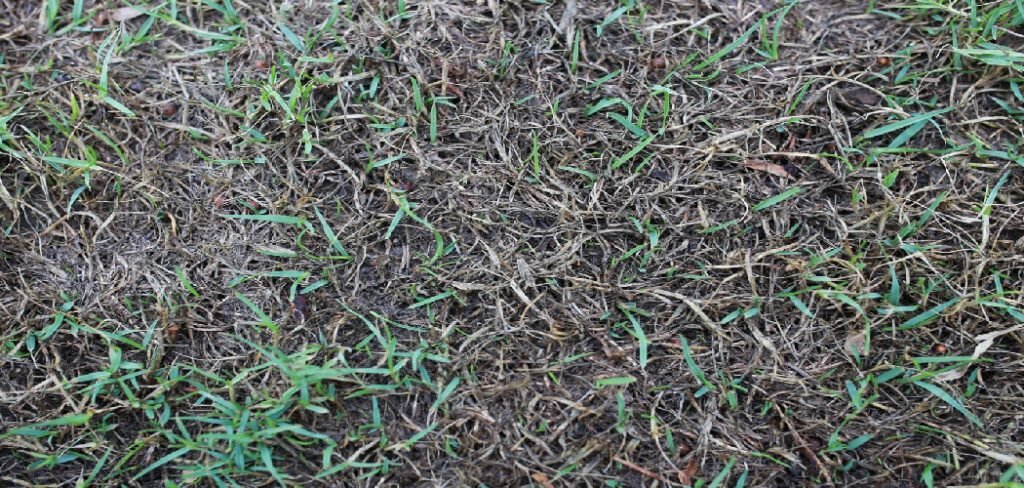
A healthy lawn is more than just visually appealing; it’s a complex ecosystem. The roots are the foundation of this system, anchoring the turf and absorbing water and nutrients from the soil. When root rot takes hold, it compromises this entire foundation. The fungi responsible for the disease, such as Pythium and Rhizoctonia, thrive in overly wet, compacted soil. They attack the roots, causing them to decay and turn brown or black. Left untreated, root rot can spread rapidly, leading to large dead patches that are difficult to revive.
Addressing the problem promptly not only saves your existing turf but also prevents the disease from creating a lasting, damaging environment in your soil.
A Step-by-Step Guide on How to Fix Root rot in Grass
Step 1: Confirm the Presence of Root Rot
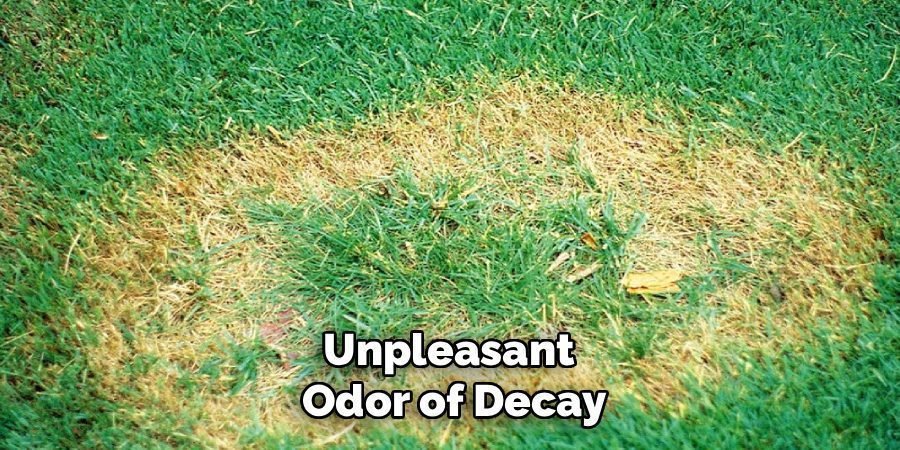
Before you begin treatment, you must correctly identify the problem. Look for key symptoms like yellow or brown patches that don’t improve with watering, a slimy texture at the base of the grass blades, and a distinct, unpleasant odor of decay. To confirm, gently tug on a section of the affected grass. If it pulls out easily with short, blackened, or mushy roots, you are likely dealing with root rot. In contrast, healthy roots should be firm, white, and long enough to hold the turf securely in the soil. Distinguishing this from other lawn issues like pest damage or nutrient deficiency is the critical first step.
Step 2: Stop Watering Immediately
Root rot fungi flourish in excessive moisture. As soon as you suspect the disease, your immediate action should be to stop all watering. Saturated soil creates an anaerobic environment where these pathogens thrive and spread. By allowing the soil to dry out, you create less favorable conditions for the fungus and give the remaining healthy roots a chance to breathe and recover. Do not resume watering until the soil is dry several inches below the surface. This simple but crucial step halts the progression of the disease and is foundational to any successful recovery plan.
Step 3: Improve Surface Drainage and Airflow
Poor drainage and air circulation are primary contributors to root rot. To combat this, you need to improve conditions on the lawn’s surface. Start by raking away any dead grass, leaves, or thatch buildup. This layer of organic debris can trap moisture and block airflow to the soil. If you have a thick thatch layer (more than half an inch), consider using a dethatching rake or a specialized machine to remove it. Pruning overhanging tree branches can also increase sunlight and airflow, helping the lawn dry more quickly after rain or watering. These actions help create a less hospitable environment for fungal growth.
Step 4: Aerate the Soil to Reduce Compaction
Compacted soil is a major ally of root rot. When soil particles are pressed tightly together, water cannot drain properly, and oxygen cannot reach the roots. Core aeration is the most effective solution. This process involves using a tool to pull small plugs of soil from the lawn, creating channels for air, water, and nutrients to penetrate deeper. This relieves compaction, improves drainage, and promotes stronger, healthier root growth. For small areas, a manual aerator will suffice, but for larger lawns, renting a mechanical core aerator is more efficient and provides better results.
Aerating is a vital step in altering the soil environment to discourage fungal disease.
Step 5: Apply a Targeted Fungicide
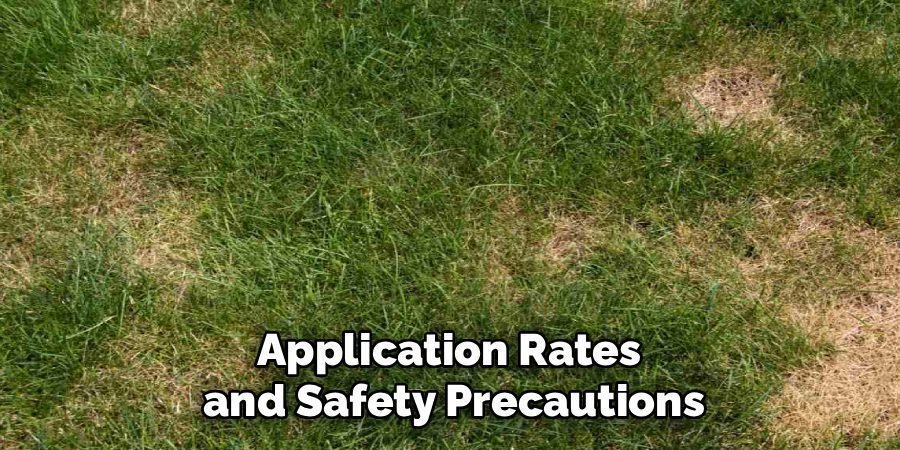
While improving cultural practices is essential for long-term health, a fungicide application may be necessary to control a severe or active infection. Choose a broad-spectrum fungicide specifically labeled for controlling root rot diseases like Pythium blight or brown patch. Carefully read and follow the manufacturer’s instructions for application rates and safety precautions. Apply the product evenly across the affected areas and a small buffer zone around them to prevent further spread. Fungicides work by killing the active pathogens, giving your grass a fighting chance to recover while you address the underlying soil issues.
Step 6: How to Fix Root Rot in Grass by Amending the Soil
After aerating, it’s the perfect time to improve your soil structure. Topdressing the lawn with a thin layer of high-quality compost or coarse sand can significantly enhance drainage and introduce beneficial microbes. Compost enriches the soil with organic matter, improving its texture and ability to fight off diseases naturally. Sand helps break up heavy clay soils, allowing water to filter through more easily. Spread about a quarter-inch of your chosen amendment over the affected areas and rake it in gently so it falls into the aeration holes. This step helps build a healthier soil foundation that is more resilient to future problems.
Step 7: Overseed the Damaged Patches
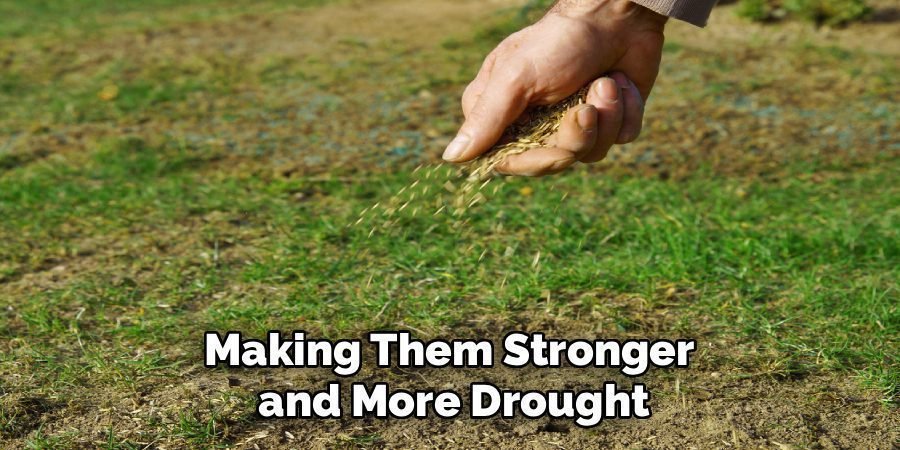
Once you have treated the disease and amended the soil, you will likely have thin or bare patches that need to be filled in. Overseeding with a high-quality, disease-resistant grass seed variety is the best way to restore your lawn’s density. Choose a seed mix that is well-suited to your climate and sun exposure. Loosen the soil in the bare spots with a rake, spread the seed evenly according to the package directions, and lightly rake it again to ensure good seed-to-soil contact. This introduces new, healthy grass that will help crowd out any lingering pathogens and create a thick, robust turf.
Implement a Proper Watering Schedule
To prevent root rot from returning, you must adopt a proper watering routine. Instead of frequent, shallow watering, water your lawn deeply and infrequently. This encourages roots to grow deeper into the soil, making them stronger and more drought-tolerant. Aim to provide about one inch of water per week, applied in a single session. Water early in the morning to allow the grass blades to dry completely during the day, reducing the risk of fungal growth. Use a rain gauge to measure how much water your lawn receives from both irrigation and rainfall to avoid overwatering.
Frequently Asked Questions (FAQ)
Can Grass Recover From Root Rot on Its Own?
In very mild cases with minimal damage, grass might recover if the waterlogged conditions are corrected quickly. However, root rot is a progressive disease. Without intervention, such as improving drainage, aerating the soil, and stopping overwatering, the fungus will likely continue to spread and cause significant, irreversible damage. Proactive measures are almost always necessary to save the lawn and prevent the problem from worsening.
How Can I Tell the Difference Between Root Rot and Grub Damage?
While both cause brown patches, the key difference is in the roots. With root rot, the turf will feel slimy, and the roots will be black, mushy, and smell foul. The grass pulls up easily with very short or decayed roots. With grub damage, the turf will feel spongy and peel back like a carpet because the grubs have eaten the roots. You will often find the C-shaped white grubs in the soil just beneath the turf.
What Is the Best Time of Year to Treat for Root Rot?
The best time to treat root rot is as soon as you identify it, regardless of the season. The fungi that cause it can be active whenever soil temperatures and moisture levels are favorable, which is often during the spring and fall. However, the cultural practices that fix the underlying issues, such as aeration and overseeding, are most effective when performed during your grass type’s active growing season—typically fall for cool-season grasses and late spring for warm-season grasses.
Will Fertilizer Help Fix Root Rot?
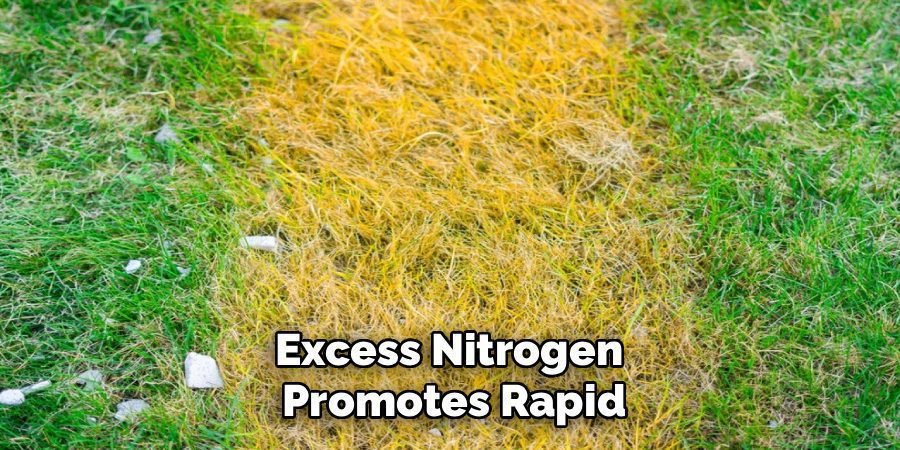
Applying a high-nitrogen fertilizer to a lawn suffering from root rot can actually make the problem worse. Excess nitrogen promotes rapid, weak blade growth instead of strong root development, placing additional stress on the already compromised root system. It is better to wait until the fungal disease is under control and the roots have begun to recover. At that point, a balanced, slow-release fertilizer can help support healthy new growth.
How Long Does It Take for a Lawn to Recover From Root Rot?
Recovery time depends on the severity of the damage and how quickly you act. If caught early, you might see improvement within a few weeks as the soil dries and the fungus subsides. For more extensive damage that requires aeration, fungicide application, and overseeding, it can take a full growing season for the lawn to return to a dense, healthy state. Consistent care and patience are key to a successful recovery.
Conclusion
Restoring a lawn damaged by root rot is a process that requires patience and a combination of immediate treatment and long-term cultural changes. By correctly identifying the problem, improving soil drainage and aeration, and adjusting your watering habits, you can create an environment where grass can thrive. Addressing the root cause is just as important as treating the symptoms. Now that you know how to fix root rot in grass, you have the power to rescue your turf and cultivate a resilient, beautiful lawn that will be healthy for years to come.
Don’t be discouraged by a few brown patches; take action, and you can bring your lawn back to life.

About Ravuk Barg
B.Sc. Horticulture Science | Certified Master Gardener
Ravuk Barg has spent more than a decade with his hands in the soil and his head full of questions about why some gardens thrive while others struggle. What started as a single raised bed of tomatoes and basil in a modest backyard has grown into a deep, working knowledge of everything from seed germination and soil amendment to companion planting and seasonal pruning.
Over the years, Ravuk has gardened through drought summers, waterlogged springs, and pest invasions that would make most gardeners hang up their trowels for good. Those hard seasons, he’ll tell you, taught him more than any perfect growing year ever could. He writes from that earned experience—covering vegetable growing, ornamental planting, houseplant care, composting, and garden design with equal confidence and curiosity.
Philosophy & Approach
Ravuk’s approach to gardening is rooted in practicality. He favors organic methods not out of dogma, but because they work long-term—resulting in healthier soil, fewer inputs, and stronger plants. He has a particular fondness for heirloom vegetable varieties (the kind with proper flavor), unruly cottage-style flower beds, and the stubborn houseplants that everyone else gave up on.
The Mission: Give readers the honest, experience-backed advice that helps them actually succeed in their gardens—not just the ideal version, but the real one; weeds, failures, and all.
Education & Credentials
-
B.Sc. in Horticulture Science
-
Greenfield Agricultural University
-
Focus: Plant Physiology, Soil Ecology, and Sustainable Crop Production
-
-
Master Gardener Certification
-
Cooperative Extension Service
-
Focus: 200+ hours of hands-on practical training and community garden work
-
Continuing Education
-
Organic Pest Management
-
Native Plant Landscaping
-
Sustainable Crop Production