

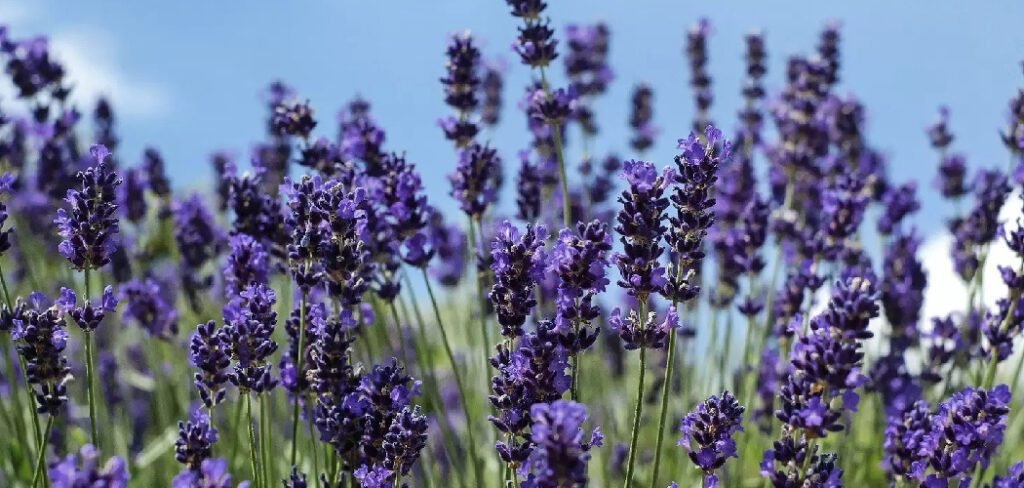
As the vibrant colors of summer fade, gardeners begin the important task of preparing their plants for the colder months ahead. Lavender, with its fragrant blooms and silvery foliage, is a garden favorite. While it is a hardy perennial, it requires special care to survive harsh winter conditions. Many gardeners wonder how to cover lavender for winter to ensure it returns healthy and strong in the spring. This guide will walk you through the essential steps How to Protect Your Lavender Plants in Winter making sure they withstand the cold, wind, and moisture that winter brings. With a little preparation, you can keep your beautiful lavender thriving for years to come.
Why Covering Lavender for Winter is Important
Lavender is native to the Mediterranean, a region known for its hot, dry summers and mild winters. This origin story is key to understanding why winter protection is so crucial. While many lavender varieties are bred for cold hardiness, their roots remain vulnerable to the damaging freeze-thaw cycles common in colder climates. When the ground freezes and thaws repeatedly, it can heave the plant’s root ball out of the soil, exposing it to frigid air and causing fatal damage.
Furthermore, lavender despises “wet feet,” meaning its roots are highly susceptible to rot in soggy, cold soil. Winter precipitation, whether it’s snow or icy rain, can create these exact conditions. Excessive moisture combined with freezing temperatures is a deadly combination for lavender. A proper winter cover helps insulate the plant’s roots, stabilize soil temperature, and shield the foliage from harsh, drying winds and heavy snow or ice that can break its woody stems. Protecting your plant is a small effort that yields great rewards.
8 Step-by-Step Guide: How to Cover Lavender for Winter
Step 1: Choose the Right Time to Prepare
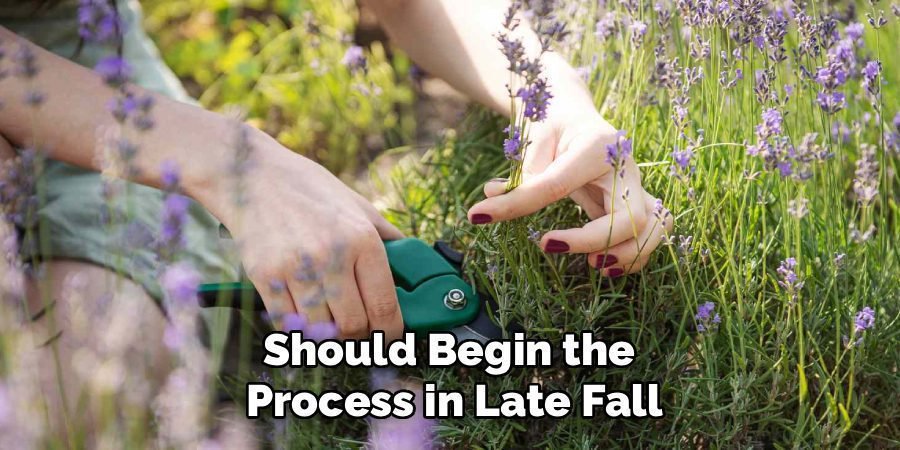
Timing is everything when preparing lavender for winter. You should begin the process in late fall, after the first light frost but before the ground freezes solid. This timing is crucial because it allows the plant to enter its natural dormancy period. Pruning or covering too early can stimulate new growth that is too tender to survive the first hard freeze. Waiting until after a light frost signals to the plant that it’s time to shut down for the winter. Check your local weather forecast to identify a window of dry days to complete your winter preparations.
Step 2: Prune Your Lavender Lightly
Before covering your lavender, a light pruning is beneficial. In late fall, trim back about one-third of the plant’s growth, focusing on shaping the mound and removing any spent flower stems. Avoid cutting into the old, woody base of the plant, as this can cause damage and inhibit new growth in the spring. This light trim helps improve air circulation around the base, which is vital for preventing moisture buildup and rot during the winter. It also prevents the stems from snapping under the weight of heavy snow or ice, maintaining the plant’s structural integrity.
Step 3: Clean the Area Around the Plant
A clean garden bed is a healthy garden bed. Before applying any mulch or covering, take the time to clear away all fallen leaves, weeds, and other organic debris from around the base of your lavender plants. This debris can trap excess moisture against the plant’s crown, creating a perfect environment for fungal diseases and rot to take hold during the damp winter months. Removing this material ensures that the area stays as dry as possible and improves air circulation, which is one of lavender’s most important requirements for staying healthy through its dormancy.
Step 4: Apply a Layer of Well-Draining Mulch
Mulch is your lavender’s best friend for winter insulation. However, not just any mulch will do. Lavender needs a mulch that drains quickly to prevent root rot. Avoid organic materials like wood chips or shredded leaves, which retain too much moisture. Instead, opt for inorganic options like pea gravel, small stones, or even sand. Apply a two-to-three-inch layer of your chosen mulch around the base of the plant, being careful not to pile it directly against the woody stems. This layer helps regulate soil temperature, prevent frost heaving, and keep the plant’s crown dry.
Step 5: Select the Right Covering Material
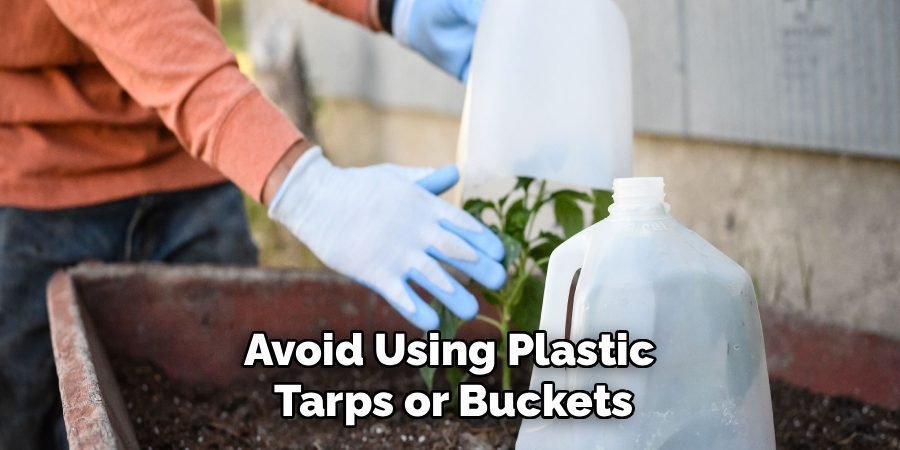
The goal of a winter cover is to protect the plant from harsh winds and heavy ice, not to create a warm, humid environment. For this reason, you should choose a breathable material. Burlap, frost cloth, or even evergreen boughs are excellent choices. Avoid using plastic tarps or buckets, as they trap moisture and heat, which can lead to rot and fungal growth. A breathable cover allows air to circulate while still providing a physical barrier against the most damaging winter elements, striking the perfect balance for your lavender’s needs.
Step 6: Create a Supportive Structure
Before draping your cover, it’s helpful to create a simple frame or support system around the lavender plant. You can use bamboo stakes, tomato cages, or any sturdy sticks placed in the ground around the plant. This structure will keep the covering material from directly touching the lavender’s foliage and stems. Direct contact can trap moisture and cause damage, especially during freeze-thaw cycles. The frame creates a protective tent, ensuring there is a buffer of air between the plant and its winter shield, which is a key part of how to cover lavender for winter effectively.
Step 7: Secure the Cover Properly
Once your support structure is in place, drape your chosen breathable cover over it. Ensure the cover extends all the way to the ground on all sides to provide complete protection from wind. Secure the fabric to the stakes with twine or garden clips. At the bottom, use rocks, bricks, or landscape staples to anchor the material firmly to the ground. This will prevent strong winter winds from blowing it off and exposing your plant. Make sure the cover is secure but not airtight, as some air movement is still beneficial.
Step 8: Uncover at the Right Time in Spring
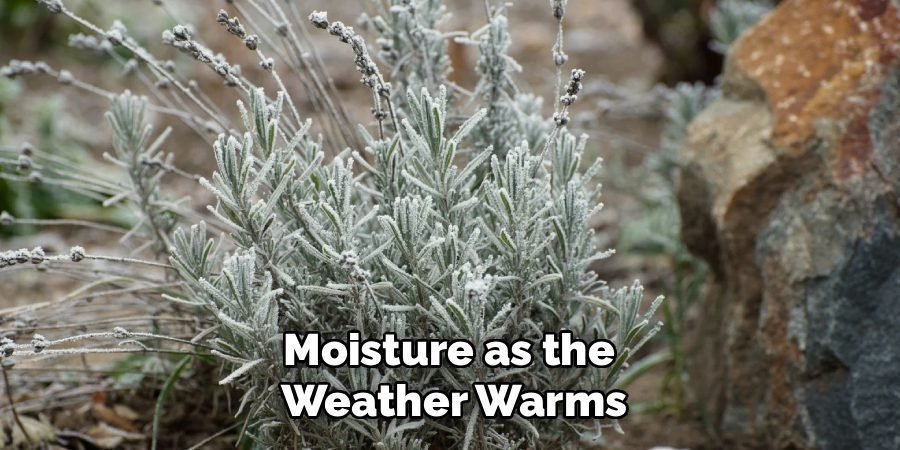
Just as important as covering your lavender is knowing when to uncover it. Remove the winter protection in early spring, after the danger of the last hard frost has passed. Leaving the cover on for too long can trap heat and moisture as the weather warms, encouraging premature growth that could be damaged by a late cold snap. It can also promote fungal diseases. A good rule of thumb is to uncover your lavender when you see other perennials in your garden starting to show new signs of life.
Frequently Asked Questions
Do I Need to Cover Lavender Every Winter?
Whether you need to cover your lavender depends on your climate and the specific variety you are growing. In zones 7 and warmer, most lavender types will survive without protection. However, in zones 6 and colder, winter covering is highly recommended, especially for less cold-hardy varieties like Spanish or French lavender. English lavender is more resilient but still benefits from protection in harsh climates where freeze-thaw cycles and heavy ice are common.
Can I Use Leaves to Cover My Lavender?
It is best to avoid using leaves as a winter mulch or cover for lavender. Leaves tend to mat down when wet, trapping a significant amount of moisture against the plant’s crown and roots. This damp environment is the perfect breeding ground for rot and fungal diseases, which are two of the biggest threats to lavender survival. Instead, opt for well-draining materials like pea gravel or sand for mulch and use breathable fabrics like burlap for the cover.
What Happens if I Prune My Lavender Too Late in the Fall?
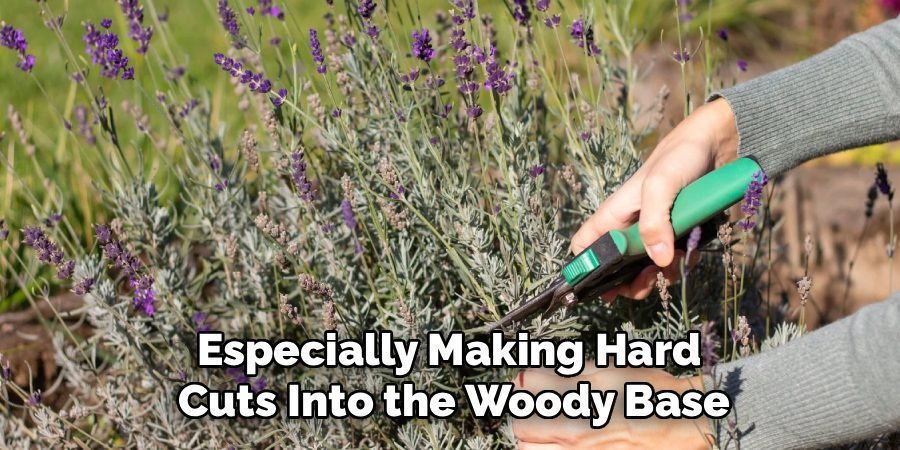
Pruning lavender too late in the fall, especially making hard cuts into the woody base, can be risky. Late-season pruning can stimulate new, tender growth that will not have time to harden off before the first hard freeze, leading to dieback. A light trim after the first frost is generally safe, but significant pruning should be saved for spring. If you do prune late, focus only on removing spent flower stems and avoid cutting back more than a third of the plant’s green foliage.
Should I Water My Lavender in the Winter?
Generally, you should not water your lavender during the winter months. Once the ground is frozen, the plant is dormant and does not require additional moisture. Winter precipitation, such as snow and rain, will typically provide all the moisture the plant needs. Adding more water to cold, saturated soil will only increase the risk of root rot. Resume a regular watering schedule in the spring after the ground has thawed and the plant begins to show new signs of growth.
When Is the Best Time to Plant Lavender for Winter Survival?
To give lavender the best chance of surviving its first winter, it is ideal to plant it in the spring. This gives the plant an entire growing season to establish a strong, deep root system before facing the stresses of cold weather. If you must plant in the fall, do so at least six to eight weeks before your area’s first expected hard frost. This provides a minimal window for the roots to anchor themselves in the soil, increasing their odds of survival.
Conclusion
Winterizing your garden is a rewarding ritual that pays off beautifully in the spring. For lavender lovers, taking a few extra steps to protect these aromatic plants from the cold is well worth the effort. By pruning lightly, cleaning the surrounding area, and using a well-draining mulch and breathable cover, you provide a safe haven for your plants to rest during their dormancy. Now that you know how to cover lavender for winter, you can approach the task with confidence. This simple act of care will ensure your lavender returns year after year, ready to fill your garden with its delightful fragrance and stunning purple spikes.

About Ravuk Barg
B.Sc. Horticulture Science | Certified Master Gardener
Ravuk Barg has spent more than a decade with his hands in the soil and his head full of questions about why some gardens thrive while others struggle. What started as a single raised bed of tomatoes and basil in a modest backyard has grown into a deep, working knowledge of everything from seed germination and soil amendment to companion planting and seasonal pruning.
Over the years, Ravuk has gardened through drought summers, waterlogged springs, and pest invasions that would make most gardeners hang up their trowels for good. Those hard seasons, he’ll tell you, taught him more than any perfect growing year ever could. He writes from that earned experience—covering vegetable growing, ornamental planting, houseplant care, composting, and garden design with equal confidence and curiosity.
Philosophy & Approach
Ravuk’s approach to gardening is rooted in practicality. He favors organic methods not out of dogma, but because they work long-term—resulting in healthier soil, fewer inputs, and stronger plants. He has a particular fondness for heirloom vegetable varieties (the kind with proper flavor), unruly cottage-style flower beds, and the stubborn houseplants that everyone else gave up on.
The Mission: Give readers the honest, experience-backed advice that helps them actually succeed in their gardens—not just the ideal version, but the real one; weeds, failures, and all.
Education & Credentials
-
B.Sc. in Horticulture Science
-
Greenfield Agricultural University
-
Focus: Plant Physiology, Soil Ecology, and Sustainable Crop Production
-
-
Master Gardener Certification
-
Cooperative Extension Service
-
Focus: 200+ hours of hands-on practical training and community garden work
-
Continuing Education
-
Organic Pest Management
-
Native Plant Landscaping
-
Sustainable Crop Production