

Raised bed gardening is a wonderful way to grow your own vegetables, herbs, and flowers, giving you excellent control over soil quality and drainage. However, a common problem gardeners face is the outward bulging or bowing of the bed’s walls. Over time, the immense pressure from the soil, water, and plant roots can cause the sides of your raised bed to warp. This not only looks untidy but can also lead to structural failure, spilling your precious soil and plants.
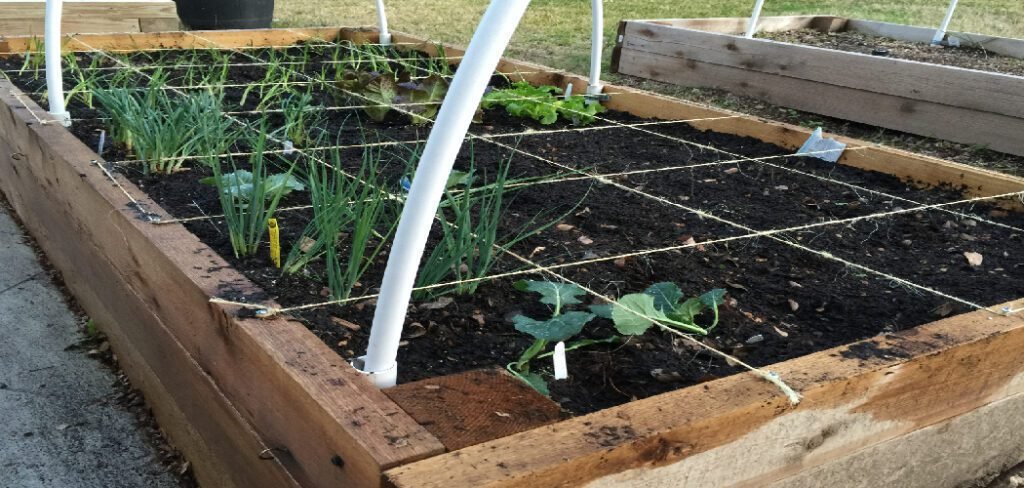
Learning how to keep raised bed from bowing is essential for ensuring the longevity and durability of your garden structure. This guide will walk you through practical, beginner-friendly steps to reinforce your raised beds and prevent this frustrating issue from happening in the first place.
Why Preventing Bowing Matters for Your Garden
A structurally sound raised bed is the foundation of a successful garden. When the walls of your raised bed begin to bow, it’s a clear sign of stress that can lead to bigger problems. The outward pressure can weaken joints, cause screws to pull out, and eventually lead to a complete collapse. This compromises the integrity of your garden, potentially damaging your plants and wasting the high-quality soil you’ve cultivated.
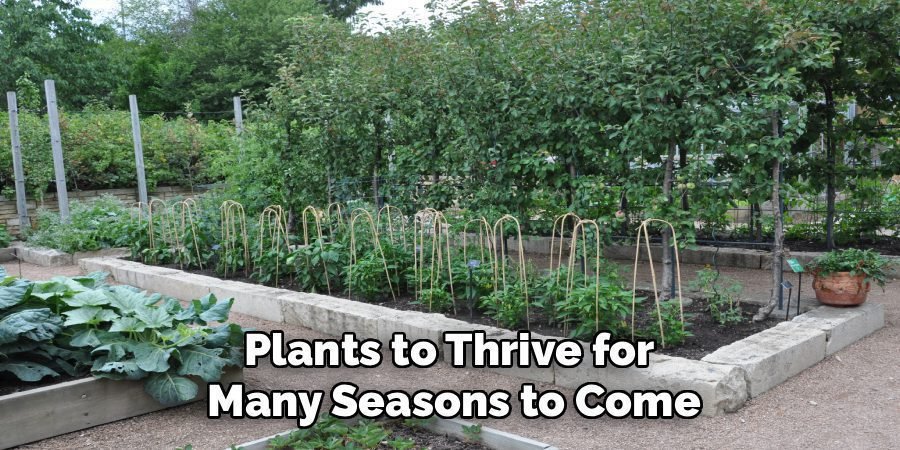
By taking proactive steps to reinforce your beds, you are not just preserving the structure; you are protecting your investment of time, effort, and resources. A strong, stable bed provides a secure environment for your plants to thrive for many seasons to come.
8 Step-by-Step Guide on How to Keep Raised Bed from Bowing
Step 1: Choose the Right Materials
The first step in preventing bowing is selecting durable materials. While thinner, cheaper wood might seem cost-effective initially, it is far more susceptible to warping under pressure. Opt for thicker lumber, at least 2 inches thick, for your frame. Cedar, redwood, and juniper are excellent choices as they are naturally resistant to rot and insects, which prolongs the life of your bed. For a non-wood option, consider galvanized steel, stone, or composite lumber, as these materials offer superior strength and will not bend or rot over time. Your choice of material is the first line of defense against bowing.
Step 2: Keep the Bed Dimensions Reasonable
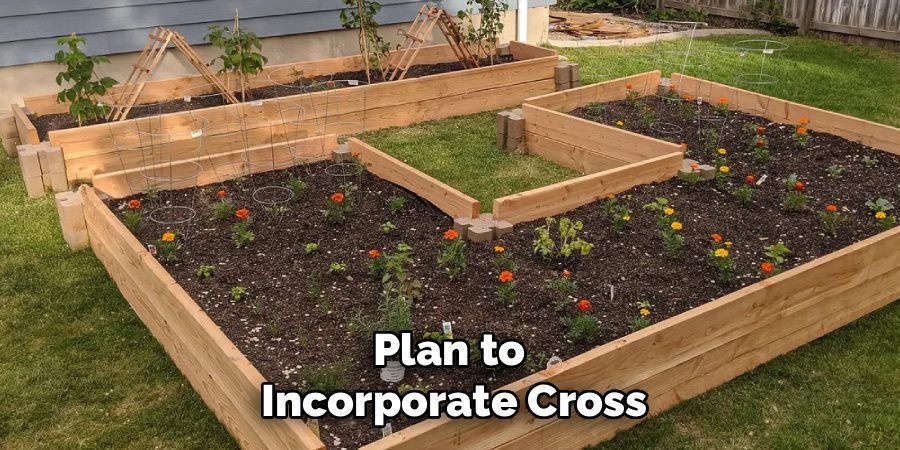
The longer your raised bed, the more prone it is to bowing in the middle. The sheer weight of the soil creates significant outward force along the length of the boards. As a general rule, try to keep the unsupported length of any side to four feet or less. If you desire a longer bed, plan to incorporate cross-bracing at regular intervals during the construction phase. For example, an 8-foot-long bed should have at least one central brace. Shorter, more manageable dimensions significantly reduce the stress on the side walls, making them much easier to support effectively.
Step 3: Install Vertical Supports
Adding vertical supports, or stakes, along the exterior of your raised bed walls is a simple yet effective reinforcement technique. Drive sturdy wooden stakes or metal rebar into the ground at the midpoints of your longest sides. These supports should be flush against the outside of the bed frame. For best results, ensure at least one-third of the stake’s length is buried in the ground for stability. You can then secure the stakes directly to the bed frame using heavy-duty screws. This method acts like an external buttress, physically preventing the walls from pushing outward.
Step 4: Add Corner Bracing
The corners of your raised bed are critical stress points where two walls meet. Reinforcing these joints is crucial for overall stability. You can add strength by installing 4×4 posts in each interior corner. These posts provide a larger surface area for screwing the side panels together, creating a much stronger joint than simply connecting the boards edge-to-edge. For even more support, consider adding triangular braces, also known as gussets, to the top corners. These small pieces of wood or metal brackets help maintain a perfect 90-degree angle and distribute pressure more evenly across the frame.
Step 5: How to Keep a Raised Bed from Bowing with Cross Braces
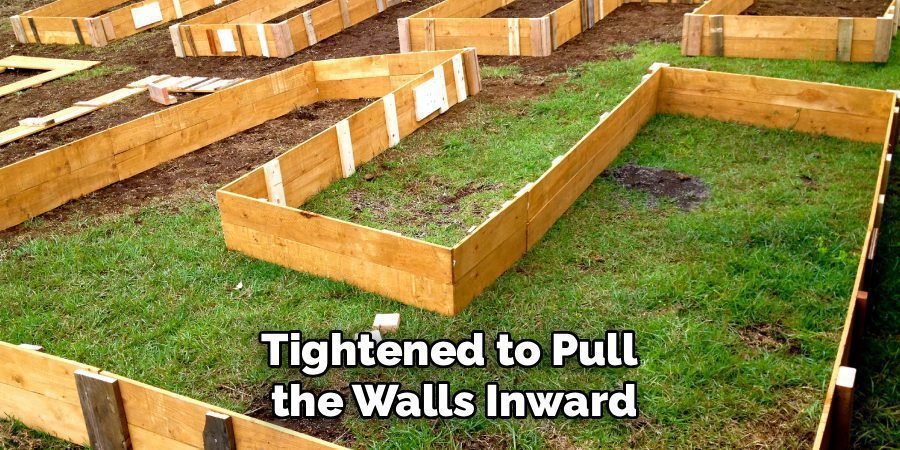
For beds longer than four feet, cross braces are non-negotiable. These are supports that span the width of the bed, connecting the two long sides together. You can use galvanized steel cables, threaded rods, or wooden boards as cross braces. Position them at the midpoint of the bed’s length, about halfway up the wall’s height. A steel rod with washers and nuts on each end can be tightened to pull the walls inward, actively countering the soil’s outward pressure. This internal tension is one of the most effective methods for preventing bowing in long garden beds.
Step 6: Use the “Deadman” Anchoring Technique
The “deadman” technique is an advanced but highly effective method for anchoring your raised bed walls. It involves burying a perpendicular anchor, the “deadman,” in the soil away from the bed and connecting it to the wall. To do this, attach a piece of wood or a small anchor to a cable or rod. Bury this anchor a few feet away from the bed’s exterior. Then, run the cable or rod from the anchor to the midpoint of the raised bed wall. When tightened, this system provides powerful resistance against bowing, using the weight of the surrounding earth to hold the wall in place.
Step 7: Incorporate a Top Cap or Trim
Adding a cap rail or trim along the top edge of your raised bed does more than just give it a finished look. A wide board, such as a 2×6, installed flat across the top of the walls helps tie the entire structure together. This top cap connects the corners and side walls, creating a rigid upper frame. This extra rigidity helps distribute pressure and prevents the top of the walls from separating or bowing outward. It also provides a convenient place to sit while you tend to your garden, adding both function and stability to your design.
Step 8: Regular Inspection and Maintenance
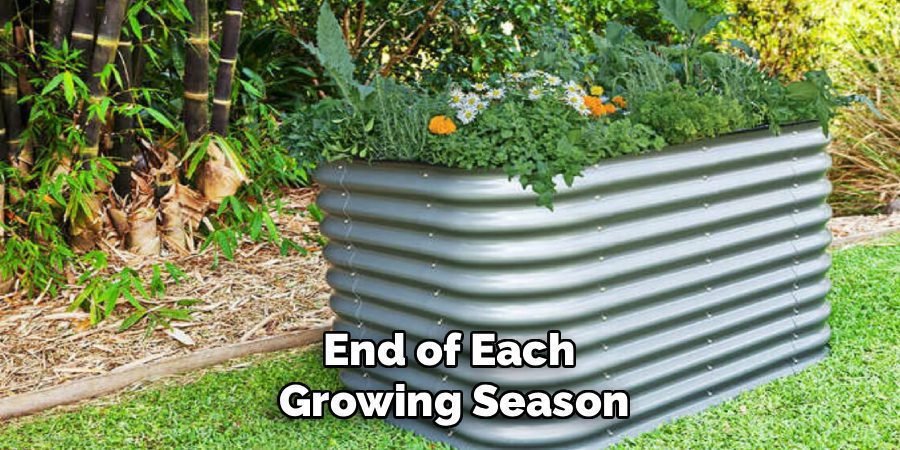
Once your raised bed is built and reinforced, your job isn’t completely finished. Make it a habit to inspect your garden beds at the beginning and end of each growing season. Look for early signs of bowing, check for loose screws, and examine the condition of the wood or other materials. Addressing minor issues early on can prevent major structural failures later. If you notice a slight bulge starting to form, you can retroactively add more support, such as an external stake or a cross brace, to stop the problem before it worsens.
Frequently Asked Questions (FAQ)
What Is the Best Material to Prevent Raised Bed Bowing?
The best materials for preventing bowing are those that are thick, strong, and resistant to rot. Cedar and redwood lumber that is at least two inches thick are excellent natural choices. For superior durability, consider using galvanized steel, concrete blocks, or high-quality composite lumber. These materials are less susceptible to the effects of moisture and soil pressure over time. While the initial cost may be higher, investing in robust materials will save you from having to repair or replace your bed in the long run.
Can I Fix a Raised Bed That Is Already Bowing?
Yes, you can often fix a bowing raised bed. First, you may need to shovel some soil away from the bulging side to relieve pressure. Then, you can install reinforcements. Driving stakes into the ground on the exterior of the bow and securing them to the frame can help push the wall back into place. For a more robust fix, you can retrofit a cross brace by running a threaded rod through the middle of the bed to pull the walls back together.
How Thick Should Wood Be for a Raised Garden Bed?
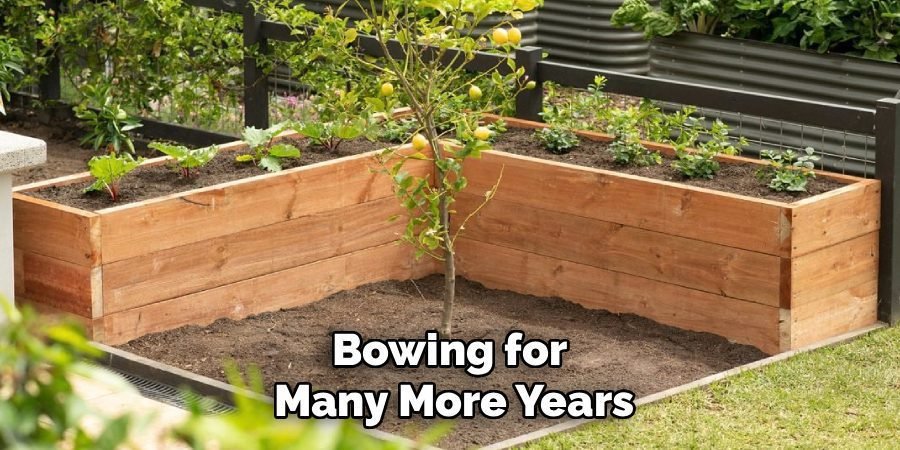
For wooden raised beds, the thickness of the boards is crucial for preventing bowing. A minimum thickness of two inches is highly recommended. While one-inch thick boards are cheaper, they lack the structural integrity to withstand the constant pressure from the soil, especially in beds that are longer than four feet or taller than one foot. Thicker lumber provides significantly more strength and will resist warping and bowing for many more years, making it a worthwhile investment for the longevity of your garden.
At What Height Does a Raised Bed Need Extra Support?
A raised bed typically needs extra support once it exceeds 12 inches in height. The taller the walls, the more soil they must contain, which dramatically increases the outward pressure, particularly at the bottom of the bed. For beds taller than 12 inches, incorporating corner braces, cross bracing, and external stakes becomes essential for maintaining structural integrity. For very tall beds (24 inches or more), it is wise to use multiple levels of cross bracing to distribute the pressure evenly.
Does the Type of Soil Affect Bowing?
Yes, the type of soil can affect how much your raised bed bows. Dense, heavy soils like clay will exert more outward pressure than lighter, fluffier soil mixes, especially when wet. Water adds significant weight to soil, so beds with poor drainage will experience greater stress on their walls. Using a well-draining raised bed mix, which often includes compost, peat moss, and vermiculite, can help reduce the overall weight and pressure against the frame of your bed.
Conclusion
Building a raised garden bed is a rewarding project, and ensuring it lasts is key to long-term gardening success. By taking a proactive approach, you can easily prevent your bed walls from bulging and failing. From choosing robust materials and smart dimensions to installing corner supports and cross braces, each step adds another layer of strength to your structure. Remember that understanding how to keep raised bed from bowing is about creating a durable framework that can withstand years of soil pressure and weather. With these techniques in hand, you can build a sturdy, beautiful, and productive garden bed that will serve you well for many seasons.

About Ravuk Barg
B.Sc. Horticulture Science | Certified Master Gardener
Ravuk Barg has spent more than a decade with his hands in the soil and his head full of questions about why some gardens thrive while others struggle. What started as a single raised bed of tomatoes and basil in a modest backyard has grown into a deep, working knowledge of everything from seed germination and soil amendment to companion planting and seasonal pruning.
Over the years, Ravuk has gardened through drought summers, waterlogged springs, and pest invasions that would make most gardeners hang up their trowels for good. Those hard seasons, he’ll tell you, taught him more than any perfect growing year ever could. He writes from that earned experience—covering vegetable growing, ornamental planting, houseplant care, composting, and garden design with equal confidence and curiosity.
Philosophy & Approach
Ravuk’s approach to gardening is rooted in practicality. He favors organic methods not out of dogma, but because they work long-term—resulting in healthier soil, fewer inputs, and stronger plants. He has a particular fondness for heirloom vegetable varieties (the kind with proper flavor), unruly cottage-style flower beds, and the stubborn houseplants that everyone else gave up on.
The Mission: Give readers the honest, experience-backed advice that helps them actually succeed in their gardens—not just the ideal version, but the real one; weeds, failures, and all.
Education & Credentials
-
B.Sc. in Horticulture Science
-
Greenfield Agricultural University
-
Focus: Plant Physiology, Soil Ecology, and Sustainable Crop Production
-
-
Master Gardener Certification
-
Cooperative Extension Service
-
Focus: 200+ hours of hands-on practical training and community garden work
-
Continuing Education
-
Organic Pest Management
-
Native Plant Landscaping
-
Sustainable Crop Production