

Nothing is more rewarding for a home gardener than harvesting sweet, juicy fruit from your own trees. But finding a trail of ants marching up the trunk can quickly turn that joy into frustration. These tiny pests are not just an annoyance; they often protect other harmful insects like aphids, which feed on your tree’s sap and can damage your fruit crop. Learning how to keep ants away from fruit trees is a crucial skill for ensuring a healthy and bountiful harvest. This guide will walk you through effective, beginner-friendly methods to protect your trees, using simple techniques and readily available materials.
We’ll cover everything from cleaning the area around your trees to creating physical barriers that stop ants in their tracks, empowering you to enjoy the fruits of your labor, pest-free.
Why It’s Important to Keep Ants Away From Fruit Trees
Ants on your fruit trees are rarely just passing through. They are often a symptom of a larger pest problem. Ants are attracted to the sweet, sticky substance called “honeydew,” which is excreted by sap-sucking insects like aphids, scale, and mealybugs. In a symbiotic relationship, ants protect these pests from natural predators in exchange for a constant food source. This means an ant infestation can lead to an explosion in the aphid population, causing curled leaves, stunted growth, and sooty mold. By focusing on how to keep ants away from fruit trees, you disrupt this cycle and protect your trees from multiple threats at once.
8 Step Methods Guide on How to Keep Ants Away From Fruit Trees
Step 1: Clean the Base of Your Tree
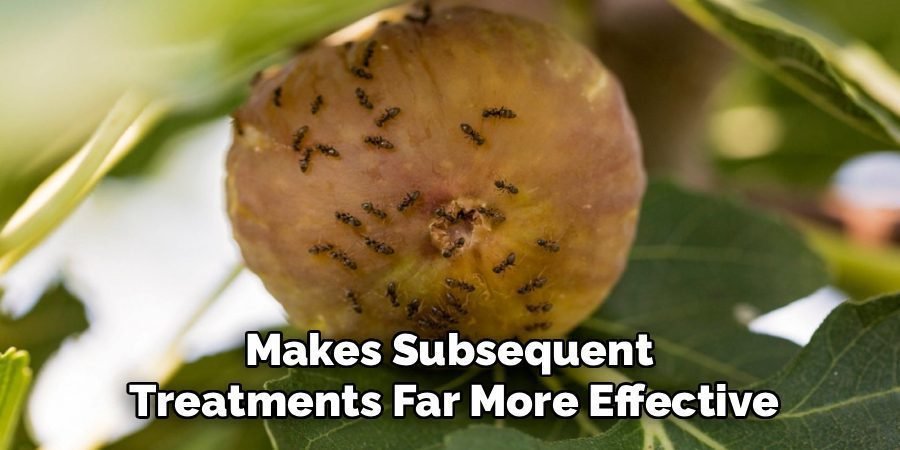
Start by creating a clean zone around the trunk. Remove any weeds, fallen leaves, mulch, or debris from the base of your fruit tree, clearing a circle at least two feet wide. Ants use this ground cover as a bridge to bypass any barriers you might put on the trunk. A tidy area also makes it easier to spot ant trails and monitor their activity. This simple housekeeping task is a fundamental first step in any pest management plan and makes subsequent treatments far more effective.
Step 2: Prune Branches Touching Fences or Walls
Ants are clever climbers and will find any available route to the sweet rewards in your tree. Inspect your fruit tree for any branches that are touching the ground, fences, walls, or even other plants. These contact points act as highways for ants, allowing them to completely bypass the trunk. Carefully prune these branches back so that the tree is isolated. The goal is to ensure the only way up for an ant is by climbing the main trunk, which you will protect in the next steps.
Step 3: Stop Ants with a Sticky Barrier
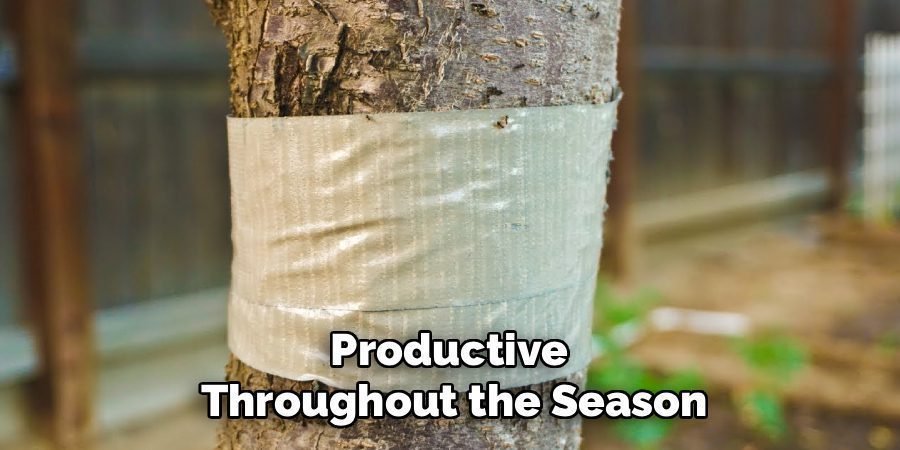
One of the most effective physical barriers is a sticky band wrapped around the tree trunk. You can purchase products like Tanglefoot or make your own. To protect the bark, first wrap a three-to-four-inch-wide band of heavy paper or duct tape around the trunk, about two to three feet off the ground. Then, apply the sticky substance in a thin, even layer over the paper. This trap will catch any ants attempting to climb up, providing a powerful, non-toxic defense for your fruit tree.
Step 4: Use Diatomaceous Earth
For a natural and safe barrier on the ground, consider using food-grade diatomaceous earth (DE). This fine powder is made from fossilized aquatic organisms and is harmless to plants and pets but lethal to insects. The microscopic sharp edges of DE cut through the ants’ exoskeletons, causing them to dehydrate. Sprinkle a generous ring of diatomaceous earth on the cleared soil around the base of your tree trunk. Remember to reapply it after rain or heavy watering, as moisture makes it ineffective.
Step 5: Manage Aphid and Scale Populations
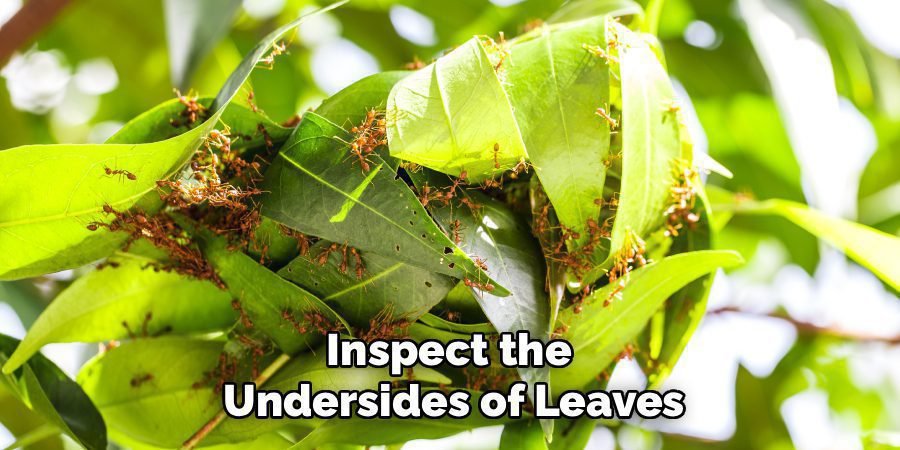
Since ants are often farming other pests, managing those pests is a key part of the solution. Inspect the undersides of leaves and new growth for aphids, scale, or mealybugs. If you find them, you can often dislodge them with a strong spray of water from your hose. For more stubborn infestations, apply insecticidal soap or neem oil according to the product’s instructions. By removing the ants’ food source, you make your fruit trees a much less attractive destination for them.
Step 6: Encourage Natural Predators
Your garden’s ecosystem can be your greatest ally. Encourage natural predators that feed on ants and aphids. Ladybugs, lacewings, and parasitic wasps are all beneficial insects that can help keep pest populations in check. You can attract them by planting a variety of flowering plants like yarrow, dill, and cosmos nearby. Creating a welcoming habitat for these helpful bugs provides a long-term, sustainable solution for pest control, reducing the need for constant intervention on your part.
Step 7: Create Boric Acid Bait Stations
If you need a more aggressive approach to control a large ant colony, boric acid bait stations can be very effective. Mix a small amount of boric acid with something sweet like sugar water or jelly to create a paste. Place this bait in a small, sealed container with holes punched in the sides, allowing ants to enter but keeping it safe from pets and children. Place the stations near the ant trails. The workers will carry the poison back to the colony, eliminating the entire nest over time.
Step 8: Regularly Monitor Your Trees
Pest control is not a one-time task. Make a habit of regularly inspecting your fruit trees for any new signs of ant activity or other pests. Check your sticky barriers to see if they have become clogged with debris or ants and need to be replaced. Look for new ant trails and refresh ground barriers like diatomaceous earth as needed. Consistent monitoring allows you to catch small problems before they become major infestations, ensuring your trees remain healthy and productive throughout the season.
Frequently Asked Questions (FAQ)
What Is the White Sticky Stuff to Keep Ants Off Trees?
The white sticky substance is often a protective wrap applied before the actual sticky barrier. Products like Tanglefoot are extremely sticky and can damage a tree’s bark, especially on young or thin-barked trees. To prevent this, gardeners first wrap the trunk with a barrier material. This can be:
- Heavy paper or tree wrap
- Duct tape (applied with the sticky side facing the bark)
- A strip of plastic sheeting
Once this protective layer is in place, the sticky pest barrier is applied on top of it.
Do Ants Damage Fruit Trees?
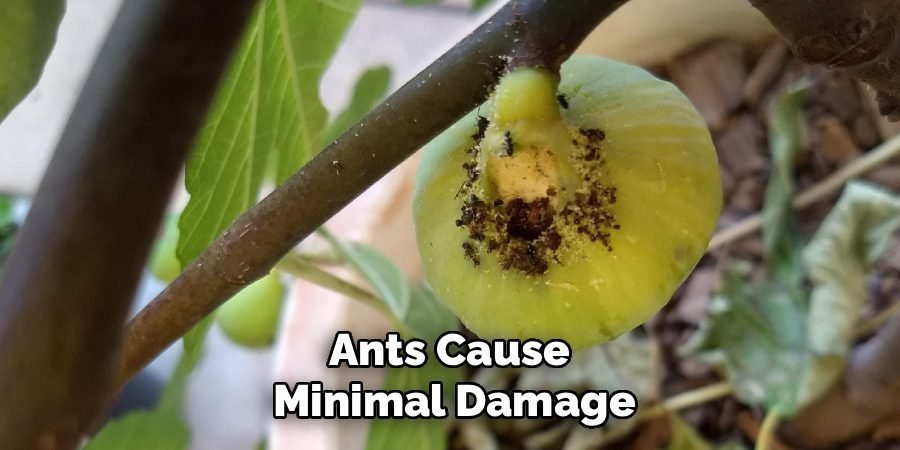
Directly, ants cause minimal damage. They don’t typically eat the leaves or fruit. However, the indirect damage can be severe. Ants “farm” other pests like aphids, scale, and mealybugs by protecting them from predators in exchange for the sweet honeydew they excrete. This leads to a population boom of sap-sucking insects that can stunt tree growth, cause leaves to curl and yellow, and promote the growth of sooty mold on the honeydew. So while ants aren’t the primary culprits, their presence enables more harmful pests to thrive.
Will Dish Soap Keep Ants Off My Fruit Tree?
A solution of dish soap and water can be a temporary fix. It works by breaking down the ants’ waxy outer layer, but it only affects the ants it directly contacts and offers no lasting protection. You can spray it on ant trails on the trunk, but it won’t stop new ants from coming. A soapy water spray is more effective for controlling aphid populations on the leaves, which in turn makes the tree less attractive to ants. For long-term ant prevention, physical barriers are more reliable.
How Do You Get Rid of an Ant Nest at the Base of a Tree?
If you locate an ant nest in the soil at the base of your tree, you can use several methods to eliminate it. One effective technique is to drench the nest with a mixture of boiling water and a little dish soap. The hot water will kill the ants and eggs on contact. Alternatively, you can use boric acid bait stations placed right next to the nest entrance. The worker ants will carry the poisoned bait back to the queen, destroying the colony from within over a week or two.
Can I Use Cinnamon to Keep Ants Away From My Tree?
Cinnamon is often cited as a natural ant repellent, and it can work as a temporary deterrent. Ants dislike the strong smell of cinnamon powder and will often avoid crossing a line of it. You can sprinkle a thick ring of ground cinnamon on the soil around the base of your fruit tree. While it is a safe and non-toxic option, its effectiveness is limited. The scent fades over time, and it can be easily disturbed by wind or washed away by rain, requiring frequent reapplication.
Conclusion
Protecting your homegrown fruit from pests is a vital part of gardening, and ants are often the gatekeepers for more serious infestations. By following the steps outlined above—from maintaining a clean and pruned tree to using physical barriers and managing aphid populations—you can successfully defend your harvest. These methods are simple, effective, and accessible even for beginners. Taking the time to learn how to keep ants away from fruit trees will ensure your hard work pays off with healthy trees and delicious, pest-free fruit for years to come.

About Ravuk Barg
B.Sc. Horticulture Science | Certified Master Gardener
Ravuk Barg has spent more than a decade with his hands in the soil and his head full of questions about why some gardens thrive while others struggle. What started as a single raised bed of tomatoes and basil in a modest backyard has grown into a deep, working knowledge of everything from seed germination and soil amendment to companion planting and seasonal pruning.
Over the years, Ravuk has gardened through drought summers, waterlogged springs, and pest invasions that would make most gardeners hang up their trowels for good. Those hard seasons, he’ll tell you, taught him more than any perfect growing year ever could. He writes from that earned experience—covering vegetable growing, ornamental planting, houseplant care, composting, and garden design with equal confidence and curiosity.
Philosophy & Approach
Ravuk’s approach to gardening is rooted in practicality. He favors organic methods not out of dogma, but because they work long-term—resulting in healthier soil, fewer inputs, and stronger plants. He has a particular fondness for heirloom vegetable varieties (the kind with proper flavor), unruly cottage-style flower beds, and the stubborn houseplants that everyone else gave up on.
The Mission: Give readers the honest, experience-backed advice that helps them actually succeed in their gardens—not just the ideal version, but the real one; weeds, failures, and all.
Education & Credentials
-
B.Sc. in Horticulture Science
-
Greenfield Agricultural University
-
Focus: Plant Physiology, Soil Ecology, and Sustainable Crop Production
-
-
Master Gardener Certification
-
Cooperative Extension Service
-
Focus: 200+ hours of hands-on practical training and community garden work
-
Continuing Education
-
Organic Pest Management
-
Native Plant Landscaping
-
Sustainable Crop Production