

Have you noticed a sea of tiny purple flowers taking over your turf in the early spring? You’re likely dealing with henbit, a common winter annual weed. While its flowers might seem harmless, henbit can quickly spread, creating dense mats that compete with your grass for sunlight, water, and nutrients. This can weaken your lawn, making it more susceptible to other problems. Fortunately, with the right approach and timing, you can effectively manage this invader and restore your lawn to its lush, green glory.
This guide will walk you through everything you need to know about how to control henbit in lawns, from proper identification to long-term prevention.
Why Henbit Thrives in Lawns
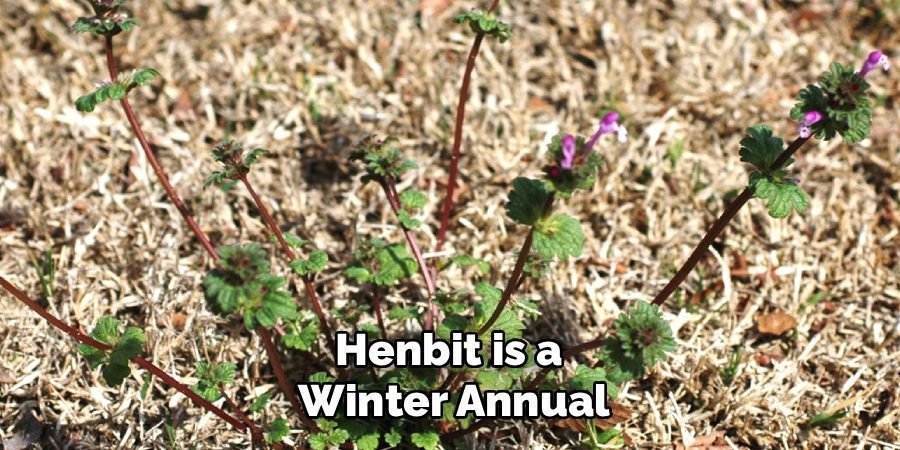
Henbit (Lamium amplexicaule) is a member of the mint family, which explains its aggressive spreading nature. This winter annual weed thrives in cool, moist conditions, making it a common sight in the fall, winter, and early spring. It typically germinates in the fall, grows slowly through the winter, and then explodes with growth as temperatures rise in the spring. Henbit prefers thin, weak areas of turf where it doesn’t have to compete with dense, healthy grass. Its square stems and scalloped leaves are distinctive, but its ability to produce thousands of seeds per plant is what makes it a persistent problem for homeowners.
A Step-by-Step Guide on How to Control Henbit in Lawns
Step 1: Positively Identify Henbit
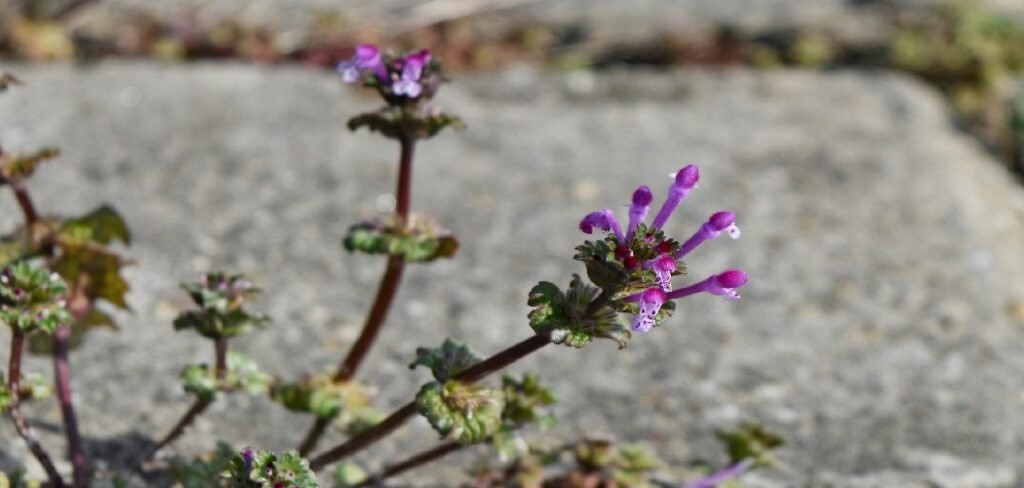
Before taking any action, confirm that the weed in your lawn is indeed henbit. Look for a plant with greenish to purplish square stems. The leaves are rounded with scalloped edges and grow opposite each other along the stem. The upper leaves appear to clasp the stem directly, while the lower leaves have petioles (stalks). In early spring, you will see its most obvious feature: small, tubular, pinkish-purple flowers. Differentiating it from similar weeds like purple deadnettle is key for effective treatment.

Step 2: Act Early with Manual Removal
For small, isolated patches of henbit, manual removal is a simple and effective first step. The best time to pull henbit is when the soil is moist, which makes it easier to extract the entire root system. Grasp the plant at its base and pull steadily to avoid breaking the stem. A garden hoe or a specialized weeding tool can also be used to sever the plant at its root. This method is most practical in the fall or early spring before the henbit has a chance to flower and set seed.
Step 3: Promote a Thick, Healthy Lawn
Your best long-term defense against henbit is a dense, vigorous lawn. A thick turf naturally chokes out weeds by preventing sunlight from reaching the soil and stopping seeds from germinating. You can achieve this by mowing your lawn at the correct height for your grass type, which encourages deeper roots. Implement a regular fertilization schedule tailored to your lawn’s needs and ensure it receives adequate water, about one inch per week, to promote strong, resilient growth that leaves no room for weeds.
Step 4: Apply a Pre-Emergent Herbicide in the Fall
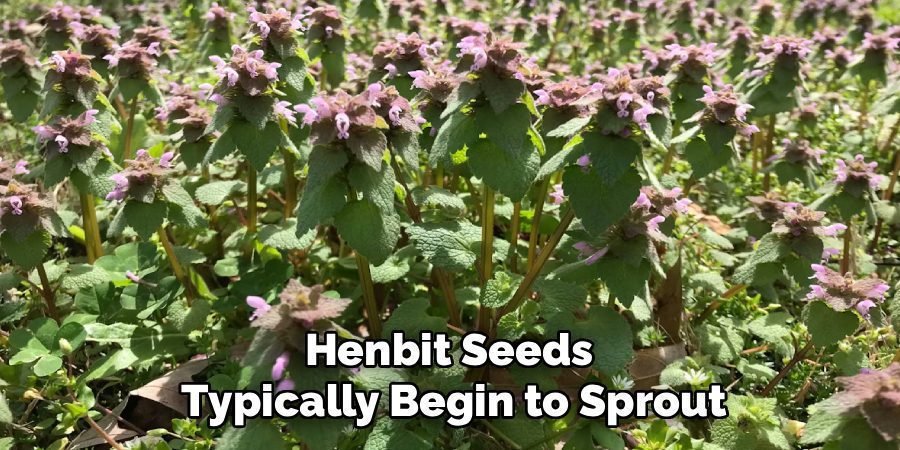
The most effective strategy for managing henbit is preventing it from ever appearing. This is achieved by applying a pre-emergent herbicide in the early fall. These products work by creating a chemical barrier on the soil surface that stops weed seeds from germinating. Timing is critical; apply it before soil temperatures consistently drop below 70°F, which is when henbit seeds typically begin to sprout. Water the herbicide into the soil after application according to the product label instructions for it to be effective.
Step 5: Consider a Post-Emergent Herbicide for Existing Weeds
If henbit has already established itself in your yard, you will need a post-emergent herbicide. These products are designed to kill existing weeds that are actively growing. Look for a selective, broadleaf herbicide that specifically lists henbit on its label to ensure it won’t harm your grass. The best time to apply a post-emergent is in the spring when the weeds are young and actively growing but before they have produced flowers and seeds. Multiple applications may be necessary.
Step 6: Follow Herbicide Application Instructions Carefully
Whether you are using a pre-emergent or post-emergent product, always read and follow the manufacturer’s instructions precisely. Pay close attention to the recommended application rates, safety precautions, and any specific guidelines for your grass type. Applying too much can damage your lawn, while applying too little will be ineffective. For liquid herbicides, use a properly calibrated sprayer to ensure even coverage across the affected areas. Avoid spraying on windy days to prevent drift onto desirable plants.
Step 7: How to Control Henbit in Lawns Through Proper Mowing
Your mowing habits play a significant role in weed control. Mowing your grass too short weakens it and exposes the soil, creating a perfect environment for henbit seeds to germinate. By raising your mower blade to the highest recommended setting for your specific grass type, you encourage the turf to grow thicker and develop a deeper root system. This dense canopy shades the soil, blocking the sunlight that henbit and other weeds need to get started, making your lawn a less hospitable place for them.
Step 8: Overseed Thin Areas of Your Lawn
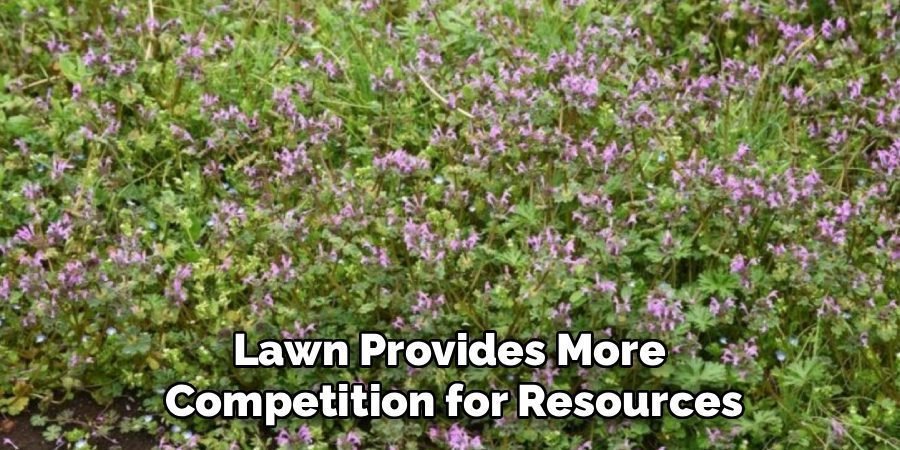
Henbit is an opportunistic weed that thrives in bare or thin patches of your lawn. To eliminate these weak spots, overseed them with a quality grass seed blend appropriate for your climate and sun exposure. The best time to overseed is typically in the fall, which aligns perfectly with the henbit prevention window. A thicker lawn provides more competition for resources, effectively crowding out any new henbit seedlings that might try to sprout the following spring, fortifying your lawn’s natural defenses.
Maintenance
Maintaining a henbit-free lawn requires consistent care and attention throughout the year. Regular mowing at the proper height for your grass type helps keep it healthy and less susceptible to weeds. Ensure your lawn receives adequate water and fertilization, as a well-nourished lawn is more resilient against invasive plants like henbit. Additionally, monitor your lawn for any signs of thinning or bare patches, addressing them promptly with overseeding or additional care. Maintaining a healthy and dense turf is your best defense against henbit and other common lawn weeds.
Frequently Asked Questions (FAQ)
What Is the Best Time of Year to Treat for Henbit?
The most effective time to control henbit is in the fall. Applying a pre-emergent herbicide between late August and September prevents henbit seeds from germinating over the winter. If you miss the fall window, the next best time is early spring, when you can use a post-emergent herbicide on young, actively growing plants before they have a chance to flower and produce more seeds. Treating it before it seeds is crucial to breaking its life cycle.
Will Henbit Go Away on Its Own?
Henbit is a winter annual, which means it will naturally die off when temperatures consistently rise in the late spring and early summer. However, it will not go away for good on its own. Before it dies, a single henbit plant can produce thousands of seeds that will remain dormant in your soil until they germinate the following fall. Relying on summer heat to kill it only ensures it will return even stronger next season.
Is Henbit Safe for Pets to Be Around?
The henbit plant itself is generally considered non-toxic to most common pets like dogs and cats. It is not listed as poisonous by major pet welfare organizations. However, the primary concern comes from the chemicals used to treat it. Herbicides, both pre-emergent and post-emergent, can be harmful to pets. It is essential to keep pets and children off the treated lawn for the period specified on the product label, which is typically until the product has dried completely.
Can I Pull Henbit by Hand?
Yes, pulling henbit by hand is a very effective method for small infestations. It is best done after a rain or watering when the soil is soft, which allows you to pull the entire plant, including its root system. For slightly larger areas, a hoe or weeding tool can speed up the process. Hand-pulling is a great organic option, but it becomes impractical for widespread henbit problems. It’s most effective when done in the fall or early spring before the plants have seeded.
What Is the Difference Between Henbit and Purple Deadnettle?
Henbit and purple deadnettle look very similar and often grow together, but they have distinct differences.
- Leaves: Henbit’s upper leaves clasp the main stem, while all of purple deadnettle’s leaves have small stalks (petioles).
- Color: The upper leaves of purple deadnettle often have a purplish tint, while henbit’s leaves are typically green.
- Shape: Purple deadnettle’s leaves are more triangular and pointed compared to henbit’s rounded, scalloped leaves.
Fortunately, both weeds are controlled by the same types of broadleaf herbicides.
Conclusion
Controlling henbit is an achievable goal that combines preventative measures with timely action. By focusing on building a thick, healthy lawn through proper mowing, watering, and fertilization, you create a powerful natural defense. For more stubborn infestations, a well-timed pre-emergent application in the fall is your best strategy. If henbit has already appeared, manual removal or a post-emergent herbicide in the spring can bring it under control. By integrating these steps, you now have a comprehensive plan on how to control henbit in lawns and can look forward to a beautiful, weed-free turf year after year.

About Ravuk Barg
B.Sc. Horticulture Science | Certified Master Gardener
Ravuk Barg has spent more than a decade with his hands in the soil and his head full of questions about why some gardens thrive while others struggle. What started as a single raised bed of tomatoes and basil in a modest backyard has grown into a deep, working knowledge of everything from seed germination and soil amendment to companion planting and seasonal pruning.
Over the years, Ravuk has gardened through drought summers, waterlogged springs, and pest invasions that would make most gardeners hang up their trowels for good. Those hard seasons, he’ll tell you, taught him more than any perfect growing year ever could. He writes from that earned experience—covering vegetable growing, ornamental planting, houseplant care, composting, and garden design with equal confidence and curiosity.
Philosophy & Approach
Ravuk’s approach to gardening is rooted in practicality. He favors organic methods not out of dogma, but because they work long-term—resulting in healthier soil, fewer inputs, and stronger plants. He has a particular fondness for heirloom vegetable varieties (the kind with proper flavor), unruly cottage-style flower beds, and the stubborn houseplants that everyone else gave up on.
The Mission: Give readers the honest, experience-backed advice that helps them actually succeed in their gardens—not just the ideal version, but the real one; weeds, failures, and all.
Education & Credentials
-
B.Sc. in Horticulture Science
-
Greenfield Agricultural University
-
Focus: Plant Physiology, Soil Ecology, and Sustainable Crop Production
-
-
Master Gardener Certification
-
Cooperative Extension Service
-
Focus: 200+ hours of hands-on practical training and community garden work
-
Continuing Education
-
Organic Pest Management
-
Native Plant Landscaping
-
Sustainable Crop Production