

Succulents are celebrated for their low-maintenance nature, stunning variety, and water-wise characteristics. They can transform any space into a beautiful, modern landscape. However, the dream of a pristine succulent garden can quickly be spoiled by the arrival of unwanted weeds.
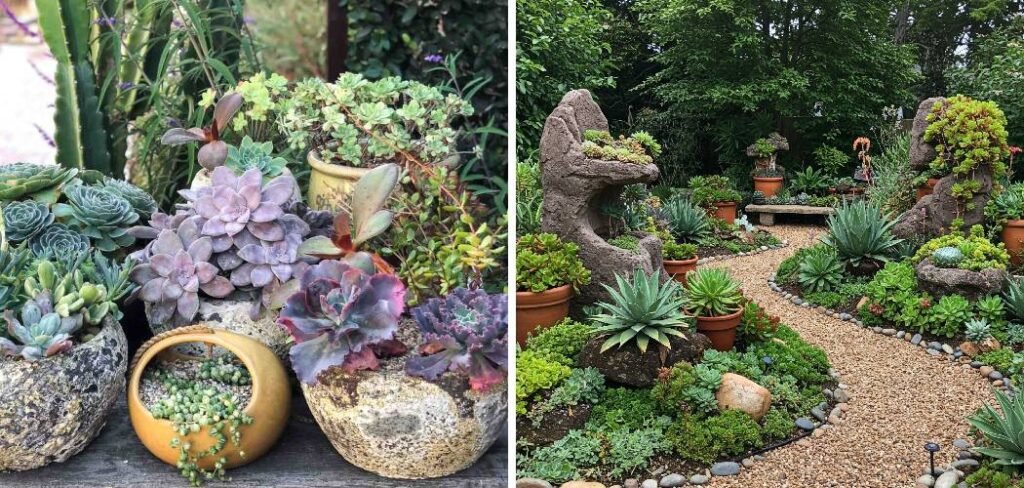
These invasive plants compete for vital resources like water, sunlight, and nutrients, potentially harming your succulents and ruining the clean aesthetic you worked so hard to create. Learning how to keep weeds out of succulent garden displays is essential for maintaining their health and beauty. This guide will provide you with simple, effective strategies to ensure your succulents thrive in a weed-free environment.
Why a Weed-Free Garden Matters
Maintaining a weed-free succulent garden goes beyond simple aesthetics. Weeds are aggressive competitors. They can quickly overshadow your slow-growing succulents, stealing precious sunlight necessary for photosynthesis and vibrant color. Their root systems often spread rapidly, robbing the soil of moisture and nutrients that your succulents need to survive, especially in well-draining soil mixes. Furthermore, dense weed growth can reduce airflow around your plants, creating a damp environment that encourages fungal diseases and root rot. By actively preventing weeds, you are not just tidying up; you are protecting the long-term health and vitality of your cherished succulent collection.
7 Steps Methods Guide on How to Keep Weeds Out of Succulent Garden
Step 1: Start with a Clean Slate
Before you even plant your succulents, ensuring the garden bed is completely free of existing weeds is the most critical first step. Manually pull any visible weeds, making sure to remove the entire root system. For stubborn perennial weeds, you might need a garden fork to loosen the soil and extract the deep taproots.
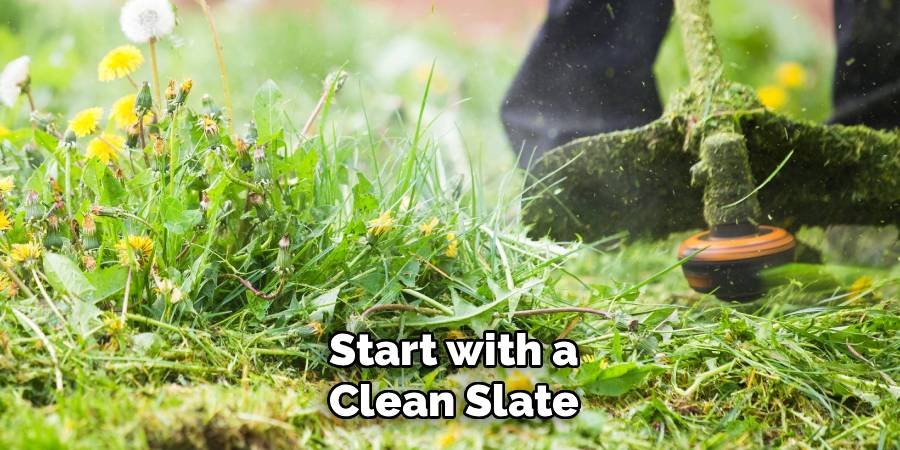
Neglecting this initial clearing allows old weeds to resprout and compete with your new plants from day one. A thoroughly prepared, weed-free bed gives your succulents a significant head start and reduces your future maintenance workload considerably, setting the stage for a healthy garden.
Step 2: Install a High-Quality Weed Barrier
After clearing the area, lay down a durable weed barrier. Landscape fabric is a popular choice because it physically blocks weeds from sprouting while still allowing water and air to penetrate the soil. Unroll the fabric over your prepared garden bed, overlapping the edges by several inches to prevent weeds from sneaking through the seams. Secure it firmly with landscape staples, especially around the perimeter and along the overlaps. When you are ready to plant, simply cut an ‘X’ into the fabric where each succulent will go. This barrier is a powerful preventative measure that will save you hours of weeding.
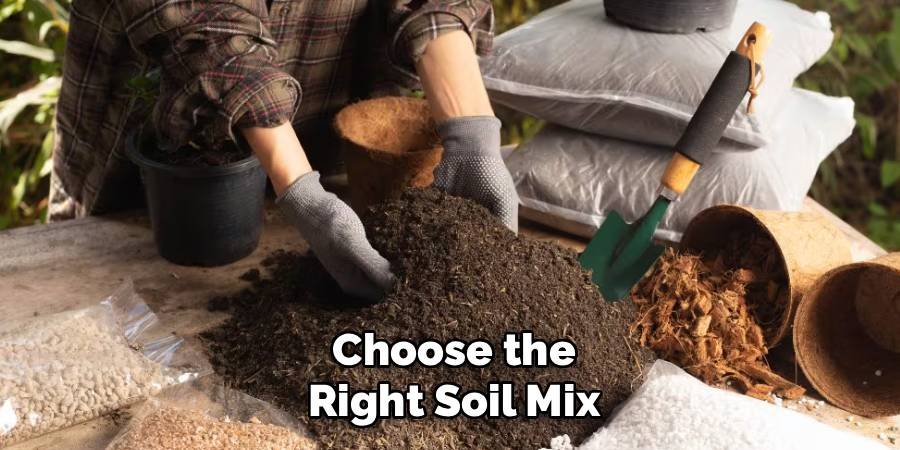
Step 3: Choose the Right Soil Mix
Succulents require well-draining soil, and your choice of soil can also help deter weeds. Many common garden weeds thrive in rich, dense, and moist soil. By using a gritty, fast-draining succulent and cactus mix, you create an environment that is ideal for your succulents but less hospitable for many types of weeds. You can buy a commercial mix or create your own by combining potting soil with inorganic materials like perlite, pumice, or coarse sand. This specialized soil not only promotes healthy succulent roots but also discourages the germination of weed seeds that prefer more traditional garden soil conditions.
Step 4: Apply a Thick Layer of Mulch
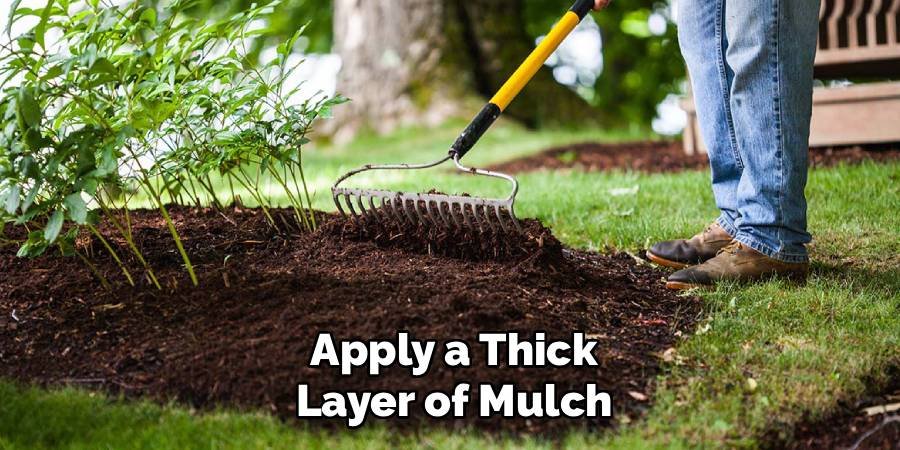
Mulching is one of the most effective techniques for weed suppression. After your succulents are planted, apply a two-to-three-inch layer of inorganic mulch, such as pea gravel, decorative stones, or decomposed granite. This layer serves two main purposes. First, it blocks sunlight from reaching the soil surface, preventing weed seeds from germinating. Second, it helps the soil retain moisture for your succulents while keeping the base of the plants dry, which helps prevent rot. An added benefit is that inorganic mulches give your garden a clean, polished look that beautifully complements the architectural forms of succulents.
Step 5: Master Proper Watering Techniques
How you water your garden can influence weed growth. Weeds love moisture, and frequent, shallow watering of the entire garden bed surface creates perfect conditions for them to sprout. Succulents, on the other hand, prefer deep but infrequent watering. Use a watering can with a narrow spout or a drip irrigation system to deliver water directly to the base of each succulent. This method ensures the plant’s roots get the moisture they need while leaving the surrounding soil surface and mulch layer dry, making it much harder for opportunistic weed seeds to germinate and establish themselves.
Step 6: Maintain Space Between Plants
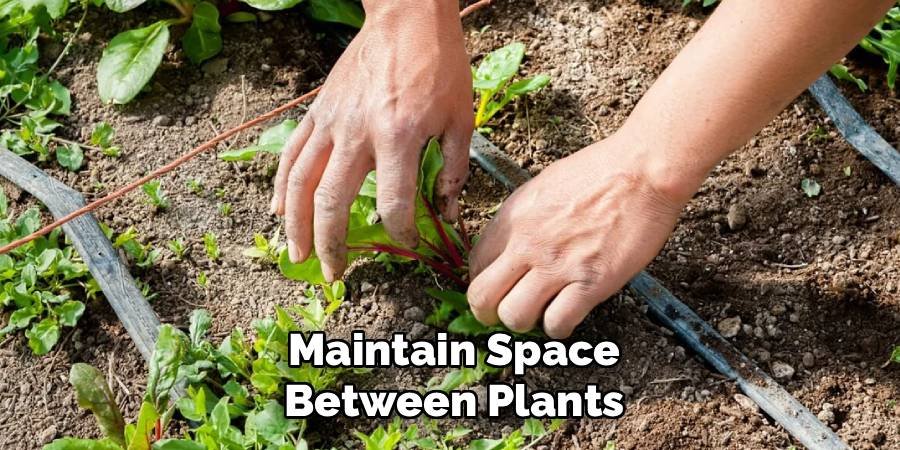
While it can be tempting to create a lush, densely packed succulent arrangement, providing adequate spacing between plants is important for weed control. Planting succulents too close together can create shady, moist pockets that protect young weed seedlings and make them difficult to spot and remove. Proper spacing improves air circulation, which helps prevent fungal diseases and allows sunlight to reach the soil, drying it out more quickly after watering. This makes the environment less favorable for weeds and gives you the space to easily inspect your garden and remove any intruders that appear.
Step 7: Practice Diligent Hand-Weeding
Even with the best preventative measures, a few persistent weeds will likely find their way into your garden. The key is to remove them as soon as you spot them, before they have a chance to grow large and produce seeds. Make it a habit to inspect your succulent garden weekly. Young weeds have shallow roots and are easy to pull, especially from loose, gritty soil. This regular, proactive approach takes only a few minutes each week but prevents small problems from turning into major infestations, making it a crucial part of your long-term strategy for success.
Common Mistakes to Avoid
When caring for your succulent garden, there are a few common mistakes that many gardeners make. Overwatering is one of the most frequent issues, as succulents require well-draining soil and should be watered sparingly to prevent root rot. Another mistake is using the wrong type of soil—succulents thrive in gritty, well-aerated soil mixes, not standard garden soil that retains excessive moisture.
Additionally, placing succulents in poorly lit areas can lead to weak, leggy growth. Ensure your plants receive adequate sunlight, depending on the specific varieties you are growing. Lastly, neglecting to address pests like mealybugs or aphids promptly can lead to infestations that harm your plants. By being mindful of these potential pitfalls, you can maintain a vibrant and thriving succulent garden.
Frequently Asked Questions (FAQ)
What Is the Best Mulch for a Succulent Garden?
The best mulches for succulents are inorganic materials that do not retain moisture around the plant’s crown. Excellent choices include:
- Pea gravel
- Decomposed granite
- Small river stones
- Pumice
These materials block weed growth and provide a clean, finished look while promoting excellent drainage and air circulation. Avoid organic mulches like wood chips or bark, as they can hold too much moisture and lead to rot.
Can I Use a Pre-Emergent Herbicide?
Yes, you can use a pre-emergent herbicide as an additional layer of defense. These products work by preventing weed seeds from germinating. Look for a granular formula that is safe for use around ornamental plants and apply it according to the manufacturer’s instructions before adding your mulch. It’s crucial to choose a product that won’t harm your succulents. Always water it in after application to activate it. This is an effective way to control annual weeds like crabgrass and spurge.
How Do I Remove Weeds Growing Close to My Succulents?
For weeds growing right next to a succulent, precision is key to avoid damaging your plant. Use a pair of long, narrow-nosed tweezers or a specialized weeding tool to grab the weed at its base. Pull gently but firmly to extract as much of the root as possible. If the weed is stubborn, you can carefully use the tip of the tool to loosen the soil around its roots before pulling. Avoid using broad-spectrum liquid herbicides, as any overspray can easily harm or kill your succulents.
Is Landscape Fabric Necessary?
While not strictly necessary, landscape fabric is highly recommended for beginner gardeners or anyone wanting to minimize maintenance. It creates a powerful physical barrier that stops most weeds from ever reaching the surface. Without it, you will rely more heavily on a thick mulch layer and more frequent hand-weeding to keep your garden clean. For a low-maintenance setup, combining landscape fabric with a layer of inorganic mulch is one of the most effective strategies you can use.
Why Do Weeds Keep Coming Back in My Succulent Pots?
Weeds in container succulents often come from airborne seeds or from the original soil mix. To prevent them, start by using a sterile, high-quality cactus and succulent potting mix. Apply a top dressing of gravel or pumice to the soil surface; this acts as a mini-mulch layer, blocking light and discouraging germination. If a weed does appear, pull it immediately. Consistent removal is key to preventing them from establishing and spreading seeds within the container.
Conclusion
A beautiful succulent garden is a source of great pride, and keeping it pristine doesn’t have to be a constant battle. By implementing a smart, multi-layered strategy—starting with a clean bed, using a weed barrier, applying the right mulch, and practicing diligent maintenance—you can create a thriving, weed-free sanctuary. These steps work together to build a defense that stops weeds before they can ever become a problem. Now that you know how to keep weeds out of succulent garden displays, you can spend less time weeding and more time enjoying the unique beauty of your plants.

About Ravuk Barg
B.Sc. Horticulture Science | Certified Master Gardener
Ravuk Barg has spent more than a decade with his hands in the soil and his head full of questions about why some gardens thrive while others struggle. What started as a single raised bed of tomatoes and basil in a modest backyard has grown into a deep, working knowledge of everything from seed germination and soil amendment to companion planting and seasonal pruning.
Over the years, Ravuk has gardened through drought summers, waterlogged springs, and pest invasions that would make most gardeners hang up their trowels for good. Those hard seasons, he’ll tell you, taught him more than any perfect growing year ever could. He writes from that earned experience—covering vegetable growing, ornamental planting, houseplant care, composting, and garden design with equal confidence and curiosity.
Philosophy & Approach
Ravuk’s approach to gardening is rooted in practicality. He favors organic methods not out of dogma, but because they work long-term—resulting in healthier soil, fewer inputs, and stronger plants. He has a particular fondness for heirloom vegetable varieties (the kind with proper flavor), unruly cottage-style flower beds, and the stubborn houseplants that everyone else gave up on.
The Mission: Give readers the honest, experience-backed advice that helps them actually succeed in their gardens—not just the ideal version, but the real one; weeds, failures, and all.
Education & Credentials
-
B.Sc. in Horticulture Science
-
Greenfield Agricultural University
-
Focus: Plant Physiology, Soil Ecology, and Sustainable Crop Production
-
-
Master Gardener Certification
-
Cooperative Extension Service
-
Focus: 200+ hours of hands-on practical training and community garden work
-
Continuing Education
-
Organic Pest Management
-
Native Plant Landscaping
-
Sustainable Crop Production