

Welcome to the world of gardening! Whether you’re nurturing your first houseplant or tending to a balcony full of flowers, the foundation of your success lies in the quality of your potting soil. It provides the essential nutrients, moisture retention, and aeration your plants need to thrive. However, soil doesn’t last forever.
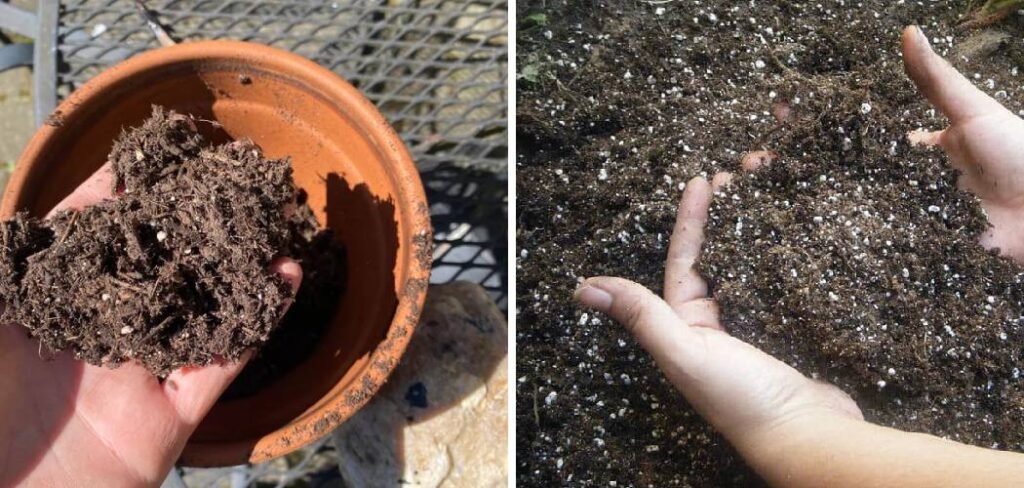
Over time, it can degrade, lose its nutritional value, or even become a breeding ground for pests and diseases. For beginners, it can be tricky to know when a bag of soil has gone past its prime. Learning how to tell if potting soil is bad is a crucial skill that protects your plants from potential harm and ensures they get the best possible start. This guide will walk you through the simple signs of expired or compromised soil, helping you make informed decisions for a healthier garden.
Why Your Potting Soil’s Health Matters
The potting mix you use is more than just dirt; it’s a carefully crafted ecosystem designed to support container-grown plants. Unlike garden soil, potting mixes are typically soilless and contain a blend of organic materials like peat moss, coir, and compost, along with inorganic elements like perlite or vermiculite. This combination ensures proper drainage, aeration, and a sterile environment to prevent disease.
When potting soil goes bad, this delicate balance is disrupted. The organic matter decomposes, causing the mix to become compacted. This compaction reduces airflow to the roots, leading to suffocation and an increased risk of root rot. Additionally, the nutrients are depleted, leaving your plants hungry and struggling to grow. Using bad soil is like building a house on a shaky foundation—it sets your plants up for failure from the very beginning.
8 Step Methods Guide on How to Tell if Potting Soil Is Bad
Step 1: Check for an Unpleasant Odor
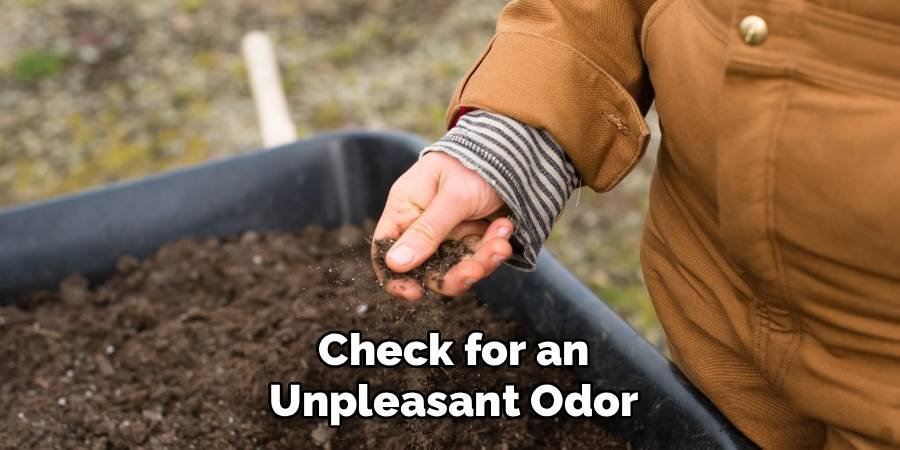
Your first test should be a simple sniff test. Healthy potting soil has a pleasant, earthy smell, reminiscent of a forest floor after a light rain. This aroma indicates that beneficial microbial activity is taking place. If you open a bag of soil and are met with a sour, rotten, or ammonia-like smell, it’s a major red flag. This foul odor is often caused by anaerobic bacteria, which thrive in waterlogged, oxygen-deprived conditions. This can happen if a sealed bag of soil has been stored improperly and has retained too much moisture, leading to decay. Using this soil can introduce harmful pathogens to your plants and create an unhealthy root environment.
Step 2: Look for Signs of Mold or Fungus
Visually inspect the surface and interior of the soil. While some white, fuzzy growth can be harmless saprophytic fungi that break down organic matter, widespread mold is a cause for concern. Look for green, black, or gray fuzzy patches, which signal that the soil has been kept too damp for too long. This excessive moisture creates the perfect breeding ground for harmful fungi that can cause plant diseases like damping-off, especially in vulnerable seedlings. If the bag feels heavy and wet, and you see significant mold growth throughout the mix, it is best to discard it rather than risk infecting your plants.
Step 3: Assess the Soil’s Texture
Good potting soil should be light, fluffy, and crumbly. This texture allows for excellent drainage and aeration, giving plant roots the space and oxygen they need to grow strong. When potting soil degrades, the organic components like peat moss break down and become fine particles. This leads to a dense, compacted texture that feels heavy and clumpy. Squeeze a handful of the soil; if it forms a hard, dense ball that doesn’t easily fall apart, it has lost its structure. This compaction will prevent water from draining properly and can suffocate the roots, leading to root rot and other moisture-related problems.
Step 4: Search for Pests and Insects
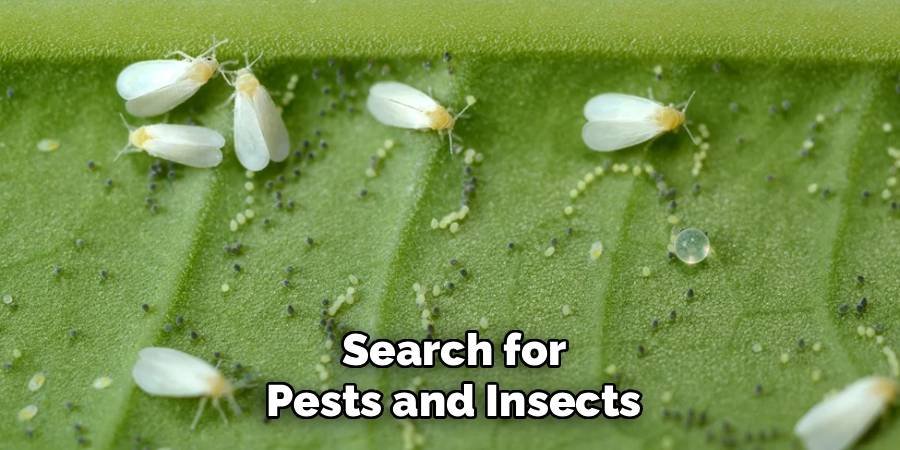
A bag of potting soil should be a sterile environment, free from unwanted critters. Before using any soil, spread some out on a tarp or in a shallow bin and carefully inspect it for any signs of life. Look for adult insects like fungus gnats, shore flies, or spider mites, as well as their eggs or larvae. The presence of pests indicates that the bag was not sealed properly or has been stored in an area with an existing infestation. Introducing infested soil to your home or garden can create a widespread problem that is difficult to eradicate. If you spot any bugs, it’s safest to dispose of the soil.
Step 5: Check the Bag’s Weight and Moisture Level
Pick up the bag of potting soil. An unopened bag of fresh soil should feel relatively lightweight and dry to the touch. If the bag feels unusually heavy for its size, it’s a strong indicator that it has absorbed and retained excess water. This can happen if the bag has small tears or has been stored outdoors where it was exposed to rain. As mentioned earlier, overly saturated soil promotes anaerobic decomposition and fungal growth. A waterlogged mix is no longer a suitable medium for most houseplants, as it will not provide the necessary aeration for healthy root development.
Step 6: Identify Weed Growth
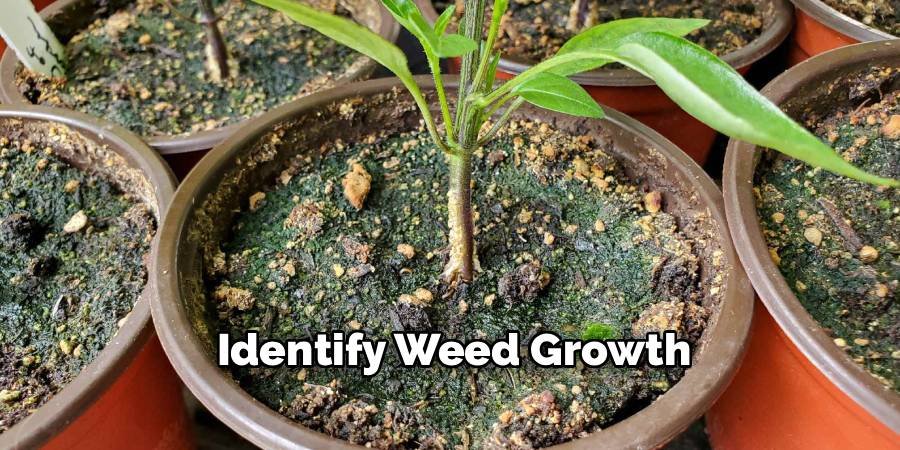
If your bag of potting soil has been open for some time or has a tear in it, you might notice weeds sprouting from the surface. Commercially produced potting mixes are sterilized to eliminate weed seeds. The presence of weeds means the soil has been contaminated by seeds from the surrounding environment. While you can pull the weeds out, their presence signifies that the sterile seal has been broken. This also means the soil could have been exposed to other contaminants, like pests or plant diseases. It’s a sign that the soil is no longer the pristine medium you purchased.
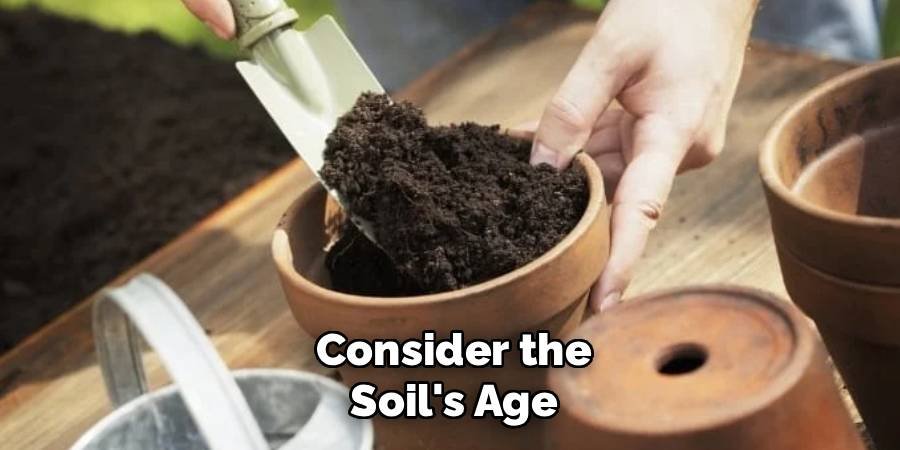
Step 7: Consider the Soil’s Age
Potting soil does not have an indefinite shelf life. An unopened bag can typically last for one to two years if stored in a cool, dry place. However, once opened, it should ideally be used within six months. Over time, the organic matter in the mix continues to decompose, causing the soil to lose its structure and nutrient content. The slow-release fertilizer included in many mixes will also be depleted. Using old, expired soil means your plants won’t get the nutrients or the physical support they need for robust growth, making it an essential part of learning how to tell if potting soil is bad.
Frequently Asked Questions (FAQ)
What Should I Do With Bad Potting Soil?
Don’t throw it in the trash just yet! Bad potting soil can often be rejuvenated or repurposed. If the soil is just old and compacted, you can mix it into an outdoor compost pile. The composting process will break it down further and incorporate it into nutrient-rich humus. If the soil is moldy but doesn’t have a foul smell, you can spread it on a tarp in the sun to dry it out, which will kill off much of the mold. However, if the soil is infested with pests or smells rotten, it’s best to dispose of it in your municipal green waste bin to avoid spreading problems.
Can I Revive Old Potting Soil?
Yes, you can often bring old, nutrient-depleted soil back to life. To do this, you’ll need to amend it to restore its structure and fertility.
- Mix in fresh compost or worm castings to replenish nutrients and beneficial microbes.
- Add perlite or pumice to improve aeration and drainage, breaking up any compaction.
- Incorporate coir or peat moss to improve moisture retention.
A balanced slow-release fertilizer can also be added to provide a steady supply of food for your plants.
How Long Does Unopened Potting Soil Last?
An unopened bag of potting soil, when stored correctly, can last for approximately one to two years. For optimal longevity, keep the bag in a cool, dry place away from direct sunlight and moisture, such as a garage or shed. Extreme temperatures and humidity can accelerate the breakdown of the organic materials inside the bag, even if it’s sealed. Always check for a manufacturing or expiration date on the packaging if one is available. Using soil within this timeframe ensures it still has its intended structure and nutrient content.
Is White Stuff in My Potting Soil Mold?
Not always. While it can be mold, the white, fuzzy substance you see in potting soil is often a harmless saprophytic fungus. This type of fungus feeds on decaying organic matter in the soil and is a normal part of a healthy soil ecosystem. It is usually not harmful to your plants. However, if you see green or black mold, or if the white substance is slimy and has a bad odor, it could be a sign of a more serious issue like root rot or a pathogenic fungus.
Why Does My Potting Soil Smell Like Rotten Eggs?
A rotten egg or sulfurous smell is a clear sign that your potting soil has become anaerobic. This occurs when the soil is completely saturated with water, leaving no room for oxygen. In this oxygen-deprived environment, anaerobic bacteria begin to thrive, and their metabolic processes release hydrogen sulfide gas—the source of the rotten egg smell. This is a definitive sign that the soil is bad. Using it will likely lead to root rot, as plant roots cannot survive without oxygen.
Conclusion
Ensuring your plants have a healthy start is one of the most rewarding aspects of gardening. Now that you’re equipped with the knowledge to spot the signs of compromised potting mix—from foul odors and mold to a compacted texture—you can confidently assess your supplies.
By taking a few moments to check your soil before potting a new plant, you prevent potential issues like disease, pest infestations, and root rot. This simple habit will save you time and frustration in the long run. Don’t let bad soil undermine your green-thumb ambitions; understanding how to tell if potting soil is bad is your first step toward a thriving, beautiful container garden.

About Ravuk Barg
B.Sc. Horticulture Science | Certified Master Gardener
Ravuk Barg has spent more than a decade with his hands in the soil and his head full of questions about why some gardens thrive while others struggle. What started as a single raised bed of tomatoes and basil in a modest backyard has grown into a deep, working knowledge of everything from seed germination and soil amendment to companion planting and seasonal pruning.
Over the years, Ravuk has gardened through drought summers, waterlogged springs, and pest invasions that would make most gardeners hang up their trowels for good. Those hard seasons, he’ll tell you, taught him more than any perfect growing year ever could. He writes from that earned experience—covering vegetable growing, ornamental planting, houseplant care, composting, and garden design with equal confidence and curiosity.
Philosophy & Approach
Ravuk’s approach to gardening is rooted in practicality. He favors organic methods not out of dogma, but because they work long-term—resulting in healthier soil, fewer inputs, and stronger plants. He has a particular fondness for heirloom vegetable varieties (the kind with proper flavor), unruly cottage-style flower beds, and the stubborn houseplants that everyone else gave up on.
The Mission: Give readers the honest, experience-backed advice that helps them actually succeed in their gardens—not just the ideal version, but the real one; weeds, failures, and all.
Education & Credentials
-
B.Sc. in Horticulture Science
-
Greenfield Agricultural University
-
Focus: Plant Physiology, Soil Ecology, and Sustainable Crop Production
-
-
Master Gardener Certification
-
Cooperative Extension Service
-
Focus: 200+ hours of hands-on practical training and community garden work
-
Continuing Education
-
Organic Pest Management
-
Native Plant Landscaping
-
Sustainable Crop Production