

Discovering plump, C-shaped grubs while tending to your vegetables can be disheartening for any gardener. These small pests, the larvae of various beetle species, may seem harmless, but they pose a significant threat to the health and productivity of your plants.
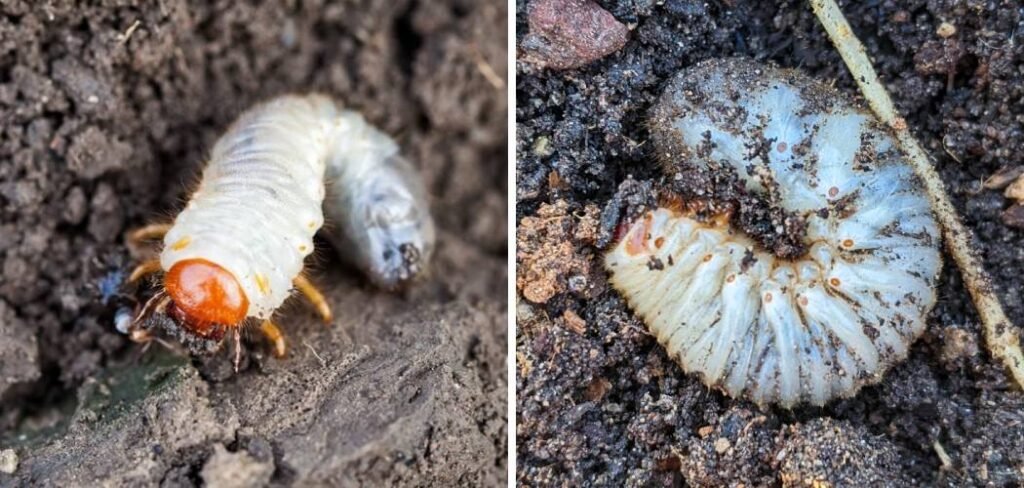
They feed on the tender roots of your vegetables, leading to stunted growth, wilting, and even plant death. Understanding their life cycle and impact is the first step toward reclaiming your garden. This guide provides a clear, beginner-friendly path for how to get rid of grubs in your vegetable garden, ensuring your hard work results in a bountiful harvest, not a feast for hidden pests.
Why Grubs Are a Problem in Vegetable Gardens
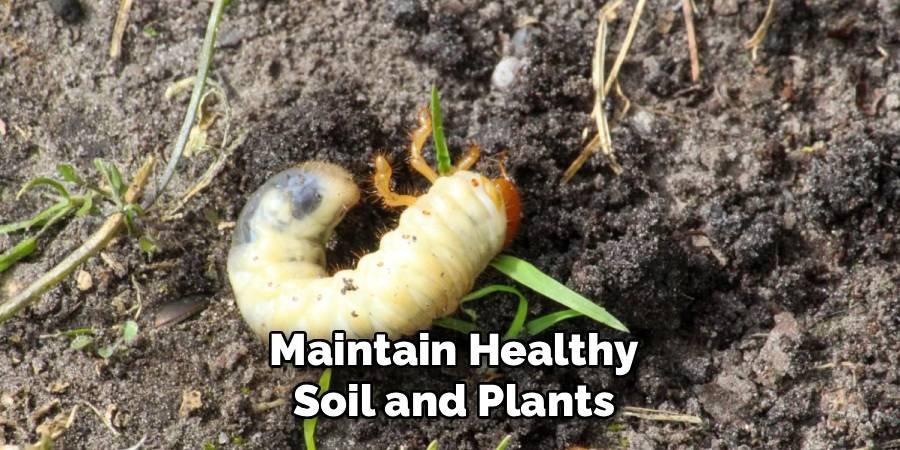
Grubs, primarily the larval stage of scarab beetles like Japanese beetles or June bugs, are destructive because they target the most vital part of your plants: the root system. They live just below the soil surface, chewing through the roots that absorb water and essential nutrients. When a vegetable plant’s roots are damaged, its ability to thrive is severely compromised.
Initial signs of grub damage can be subtle and often mistaken for other issues like drought or nutrient deficiency. You might notice your plants looking wilted even with regular watering, or their growth might seem slow and stunted. In severe cases, the root system can be so damaged that the plant can be easily pulled from the ground. Furthermore, the presence of grubs can attract other pests to your garden, such as moles, skunks, and birds, which dig up your soil in search of a meal, causing further disruption to your vegetable beds. Addressing a grub infestation promptly is crucial for protecting your plants and maintaining the overall health of your garden ecosystem.
7 Step Methods Guide: How to Get Rid of Grubs in Your Vegetable Garden
Step 1: Identify Grub Damage Correctly
Before taking action, confirm that grubs are the culprits. Look for patches of yellowing, wilted, or dying plants that don’t respond to watering. These symptoms appear because the grubs are severing the roots, preventing the plant from absorbing moisture and nutrients.
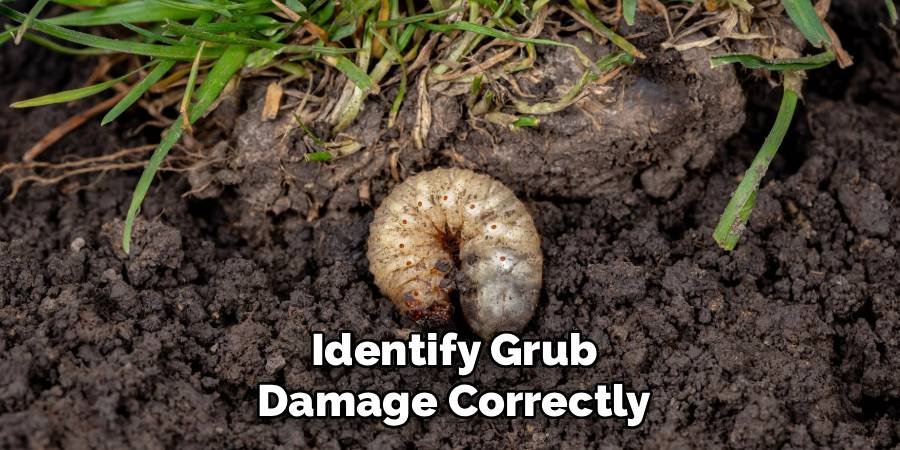
To be certain, gently dig into the soil around the affected plants, about two to four inches deep. If you find more than five to ten of the tell-tale milky-white, C-shaped larvae in a square-foot area, you have an active infestation that needs attention. Early identification is key to preventing widespread damage.
Step 2: Manually Remove Grubs
For smaller gardens or minor infestations, manual removal is a surprisingly effective and immediate solution. When you are tilling, weeding, or planting, keep a bucket of soapy water nearby. As you encounter grubs in the soil, simply pick them out and drop them into the bucket. This method is completely organic and ensures you are not harming beneficial organisms with pesticides. While it requires some diligence, turning the soil regularly and being vigilant allows you to significantly reduce the grub population without introducing any chemicals to the space where your food grows.
Step 3: Introduce Beneficial Nematodes
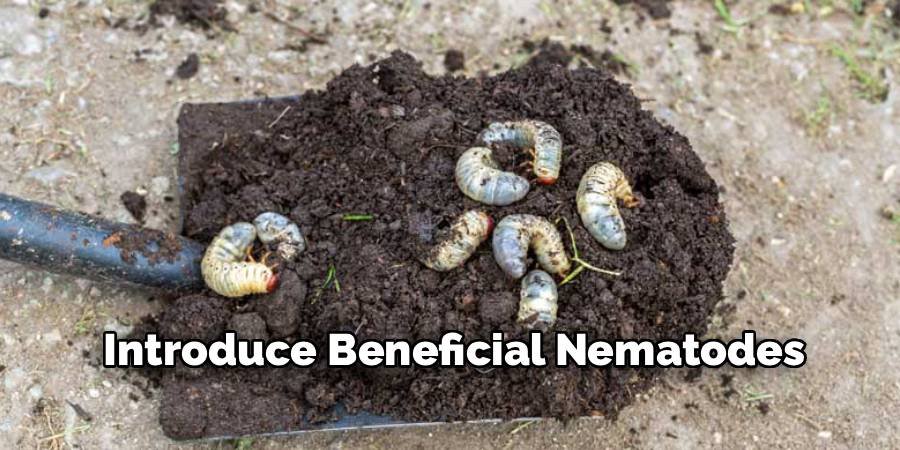
Beneficial nematodes are microscopic, non-segmented roundworms that are natural predators of soil-dwelling pests, including grubs. They are a fantastic organic control method. These nematodes seek out grubs, enter their bodies, and release bacteria that kill the host within a day or two. To apply them, you mix the nematodes with water and spray them over the soil using a sprayer or watering can. The best time to apply them is in the early morning or evening when soil temperatures are between 60°F and 90°F, and the soil is moist. This ensures the nematodes can move freely and find their targets.
Step 4: Apply Milky Spore
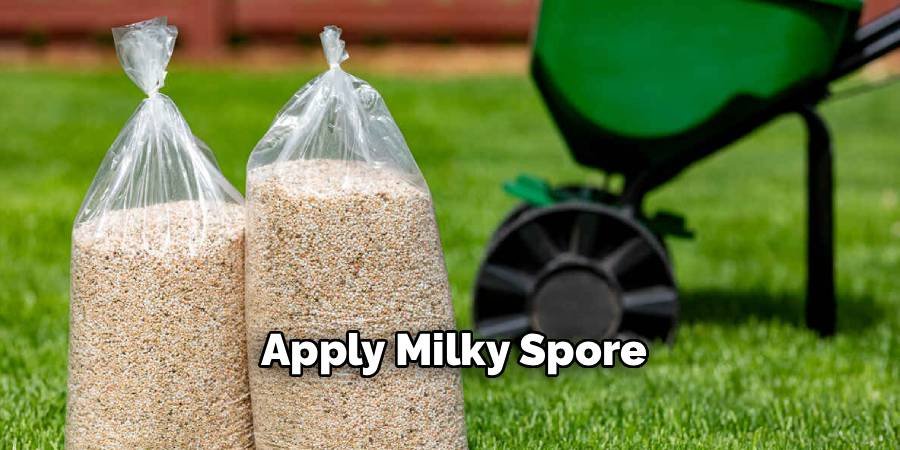
Milky spore is a naturally occurring bacterium (Paenibacillus popilliae) that is particularly effective against the larvae of Japanese beetles. When a grub ingests the spores, it becomes infected and dies, releasing billions of new spores back into the soil. This creates a long-term control cycle. Application is straightforward: you place small amounts of the powder in a grid pattern across your garden. While milky spore is highly effective, it is a long-term strategy; it can take one to three years to become fully established in the soil, so it is best used in conjunction with other, more immediate methods.
Step 5: Encourage Natural Predators
Your garden’s ecosystem can be your greatest ally. Attracting birds to your garden is a simple way to get help with grub control. Birds like robins, blue jays, and blackbirds love to feast on grubs. You can encourage them to visit by installing birdhouses, birdbaths, and feeders. Creating a welcoming habitat ensures these natural predators will spend more time in your yard, actively hunting for pests. This method integrates pest control into a broader strategy of building a healthy, balanced garden environment, reducing your workload while supporting local wildlife.
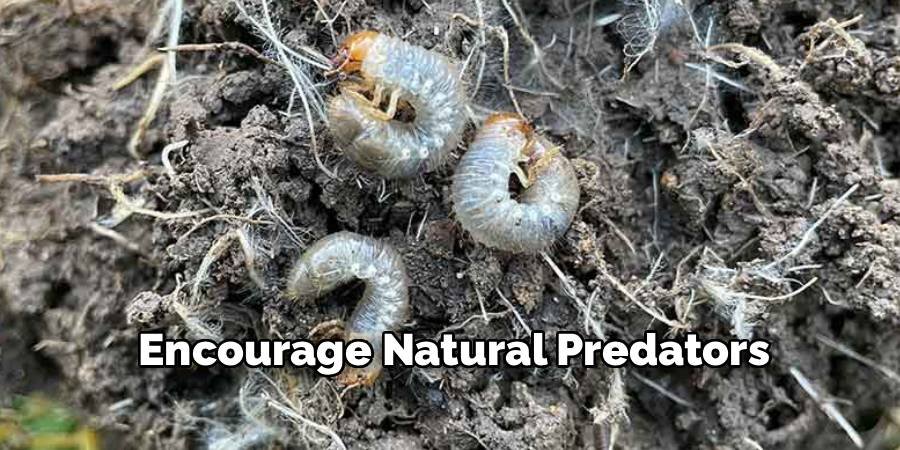
Additionally, introducing beneficial nematodes into your soil is another effective way to combat grubs naturally. These microscopic organisms target and infect grubs, ultimately killing them without harming your plants or other wildlife. Nematodes are easy to apply, typically mixed with water and sprayed onto the affected areas. This method not only addresses the grub issue but also improves soil health over time, contributing to a thriving garden ecosystem.
Step 6: Disrupt the Beetle Life Cycle
A key strategy is to prevent adult beetles from laying eggs in your garden in the first place. Adult beetles are most active during the summer months. You can use floating row covers over your vegetable beds during this peak egg-laying season. These lightweight fabric covers create a physical barrier that stops beetles from accessing the soil, without blocking sunlight or water. By preventing the eggs from being laid, you stop the next generation of grubs from ever developing, which is a crucial part of how to get rid of grubs in your vegetable garden for the long term.
Step 7: Maintain Healthy Soil and Plants
Healthy, resilient plants are less susceptible to pests and can better withstand minor grub damage. Focus on building rich, organic soil by adding compost and other amendments. Healthy soil promotes strong root development, making your plants more robust. Ensure your vegetables are properly watered, especially during dry spells, but avoid overwatering, as overly moist soil can attract egg-laying beetles. A well-maintained garden with strong plants is your first line of defense against any pest, including grubs. This proactive approach minimizes the need for reactive treatments.
Common Mistakes to Avoid
When managing grubs and other garden pests, there are several common mistakes that can hinder your efforts. One frequent error is overusing chemical pesticides, which can harm beneficial insects and disrupt the natural balance of your garden. Another mistake is neglecting proper lawn or garden care, such as overwatering or failing to aerate the soil, which can create ideal conditions for grub infestations. Additionally, some gardeners overlook regular monitoring for early signs of pests, allowing the problem to grow unchecked. Avoiding these mistakes can greatly enhance the health and resilience of your garden.
Maintenance
Proper maintenance is essential for a thriving garden and ensures that plants remain healthy and productive. Regularly pruning dead or diseased branches helps to promote growth and prevent the spread of plant illnesses. Consistent watering schedules tailored to the needs of your plants prevent both under- and overwatering, which can lead to stress or root rot. Weeding is another critical task, as invasive plants compete with your garden for necessary nutrients, sunlight, and water. It’s also important to replenish mulch periodically, as it helps regulate soil temperature, retain moisture, and reduce weed growth. By dedicating time to these maintenance practices, you can keep your garden in optimal condition year-round.
Frequently Asked Questions
What Is the Best Time of Year to Treat for Grubs?
The best time to treat for grubs is in the late summer or early fall. This is when the newly hatched grubs are small, immature, and feeding actively near the soil surface, making them more vulnerable to treatments like beneficial nematodes or milky spore. Applying treatments during this window is much more effective than in the spring when grubs are larger and about to pupate. Targeting them when they are young disrupts their life cycle before they can cause significant root damage.
Are Chemical Grub Killers Safe for Vegetable Gardens?
Many chemical pesticides are not labeled as safe for use in vegetable gardens because their residues can be absorbed by the plants and linger in the soil. It is crucial to read the product label carefully. For food gardens, it is always best to opt for organic and natural solutions. Methods like beneficial nematodes, milky spore, and manual removal pose no risk to your edible plants or the beneficial insects in your garden, making them the safest choices for you and your family.
How Can I Tell Grub Damage From Other Plant Problems?
Grub damage often mimics the signs of drought, like wilting and yellowing leaves. The key difference is that plants with grub damage will not recover after watering. Another tell-tale sign is spongy or loose turf that can be rolled back like a carpet, as the roots anchoring it have been eaten. You may also see an increase in animals like moles or birds digging in your garden. To be certain, you must dig up a small section of soil to look for the C-shaped larvae.
Do Grubs Turn Into Good Bugs?
No, the grubs commonly found damaging gardens do not turn into beneficial insects. They are the larval stage of various scarab beetles, such as Japanese beetles, June bugs, and European chafers. These adult beetles can also be destructive pests themselves, feeding on the leaves and flowers of many ornamental and edible plants. Therefore, controlling the grub population is beneficial for protecting both the roots and the foliage in your garden.
Can I Prevent Grubs From Returning Next Year?
Yes, prevention is a key part of long-term grub control. The most effective strategies involve disrupting the beetle life cycle. Use row covers during the summer to prevent adult beetles from laying eggs in your soil. Maintaining a healthy, biologically active soil with milky spore can also create a long-lasting defense. Finally, avoid using outdoor lights near your garden at night during beetle season, as they can attract beetles to the area.
Conclusion
Successfully protecting your garden from pests is one of the most rewarding aspects of growing your own food. While grubs can be a serious threat, they are a manageable one. By learning to identify them, using a combination of manual removal, organic treatments like beneficial nematodes, and preventative measures, you can keep their populations in check. A healthy, thriving garden starts from the ground up, and maintaining strong soil and robust plants is your best defense. Now that you know how to get rid of grubs in your vegetable garden, you can confidently apply these methods to ensure a healthy and productive harvest season.

About Ravuk Barg
B.Sc. Horticulture Science | Certified Master Gardener
Ravuk Barg has spent more than a decade with his hands in the soil and his head full of questions about why some gardens thrive while others struggle. What started as a single raised bed of tomatoes and basil in a modest backyard has grown into a deep, working knowledge of everything from seed germination and soil amendment to companion planting and seasonal pruning.
Over the years, Ravuk has gardened through drought summers, waterlogged springs, and pest invasions that would make most gardeners hang up their trowels for good. Those hard seasons, he’ll tell you, taught him more than any perfect growing year ever could. He writes from that earned experience—covering vegetable growing, ornamental planting, houseplant care, composting, and garden design with equal confidence and curiosity.
Philosophy & Approach
Ravuk’s approach to gardening is rooted in practicality. He favors organic methods not out of dogma, but because they work long-term—resulting in healthier soil, fewer inputs, and stronger plants. He has a particular fondness for heirloom vegetable varieties (the kind with proper flavor), unruly cottage-style flower beds, and the stubborn houseplants that everyone else gave up on.
The Mission: Give readers the honest, experience-backed advice that helps them actually succeed in their gardens—not just the ideal version, but the real one; weeds, failures, and all.
Education & Credentials
-
B.Sc. in Horticulture Science
-
Greenfield Agricultural University
-
Focus: Plant Physiology, Soil Ecology, and Sustainable Crop Production
-
-
Master Gardener Certification
-
Cooperative Extension Service
-
Focus: 200+ hours of hands-on practical training and community garden work
-
Continuing Education
-
Organic Pest Management
-
Native Plant Landscaping
-
Sustainable Crop Production