

A twisted, kinked garden hose is a common frustration for gardeners and homeowners everywhere. Just when you need a steady stream of water, you’re stuck with a frustrating trickle, forcing you to walk back and untangle the mess. This constant battle can damage your hose over time, leading to cracks, leaks, and a shorter lifespan.

But it doesn’t have to be this way. Understanding the right techniques can make your watering tasks much smoother and more efficient. This guide provides simple, effective steps on how to keep a hose from kinking, helping you protect your equipment and enjoy a hassle-free gardening experience. With a few adjustments to how you use and store your hose, you can say goodbye to those annoying interruptions for good.
Why Does Your Hose Kink?
Before diving into the solutions, it helps to understand why your hose kinks in the first place. Kinking is essentially the hose folding over on itself, blocking the flow of water. Several factors contribute to this problem. The primary cause is often the material and quality of the hose itself. Cheaper vinyl hoses are more prone to kinking than those made from durable rubber or reinforced materials. Another major factor is water pressure and temperature.
Cold water can make a hose stiffer and more likely to hold its coiled shape, leading to twists when you try to straighten it. Similarly, low water pressure can cause the hose to collapse on itself. The way you store and handle the hose also plays a significant role. Pulling a hose from a messy pile or winding it improperly creates twists that inevitably lead to kinks.
7 Step-by-Step Guide on How to Keep a Hose from Kinking
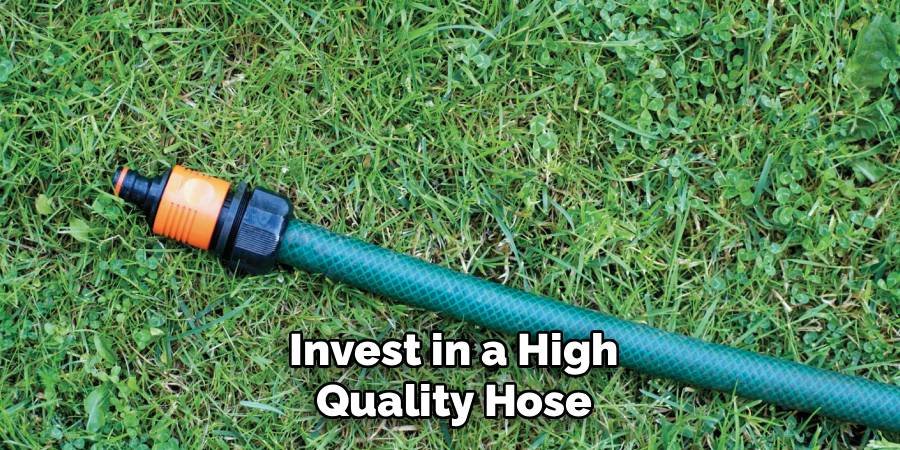
Step 1: Invest in a High-Quality Hose
The best defense against kinking starts with choosing the right hose. Look for options labeled as “kink-resistant,” “kink-proof,” or “heavy-duty.” These are typically made from durable materials like rubber or have multiple layers of reinforcement, such as radial braid reinforcement, which helps the hose maintain its shape. While they might cost a bit more upfront, a high-quality hose is a worthwhile investment. It will last longer, perform better, and save you countless moments of frustration. Consider the thickness and flexibility; a hose that feels sturdy but is still pliable is often the ideal choice for resisting kinks.
Step 2: Straighten Before You Use
Before turning on the water, take a moment to lay your hose out in a straight line. Pulling a hose from a coiled pile is a direct path to creating twists. By straightening it first, you remove any loops or twists that formed during storage. Walk the entire length of the hose, from the spigot to the nozzle, and manually untwist any sections. This simple preparatory step takes less than a minute but can prevent most kinks from ever forming. It ensures that the hose is ready to handle water pressure without folding over on itself, providing a consistent and strong flow from the start.
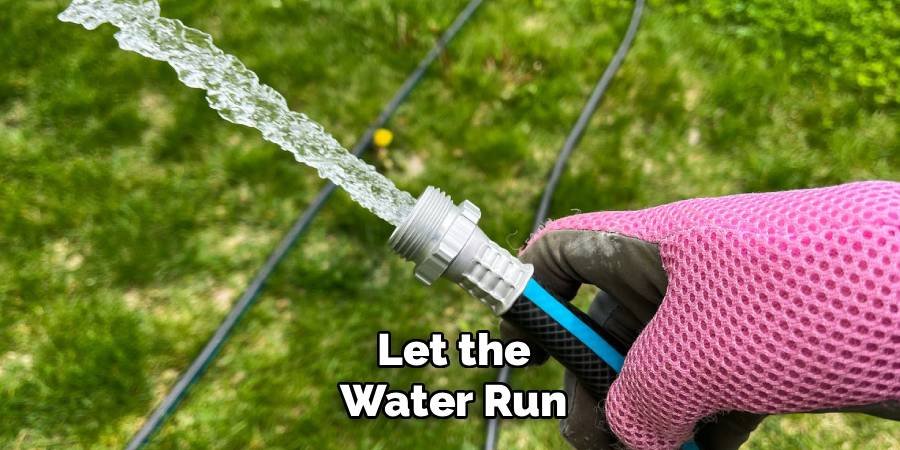
Step 3: Let the Water Run
Once the hose is straight, turn on the spigot before you start pulling it around the yard. Letting the water run through fills the hose and gives it structure. The water pressure helps push out minor twists and makes the hose more rigid, which significantly reduces its tendency to kink as you move. A pressurized hose acts more like a firm pipe than a limp tube, allowing it to glide around corners and obstacles with greater ease. This step is especially important for longer hoses, where the potential for tangles and kinks increases with every foot of length.
Step 4: Avoid Sharp Bends and Corners
When watering, be mindful of the path you take. Dragging a hose around a sharp corner, like the edge of a raised garden bed or the corner of your house, is a common cause of kinking. The tension created at the bend point forces the hose to fold. Instead of pulling it tightly around obstacles, try to create a wider, more gradual arc. If you frequently need to navigate the same corners, consider installing hose guides. These are small stakes or decorative items with a smooth, rounded surface that you place at corners to help the hose glide around them smoothly without catching or kinking.
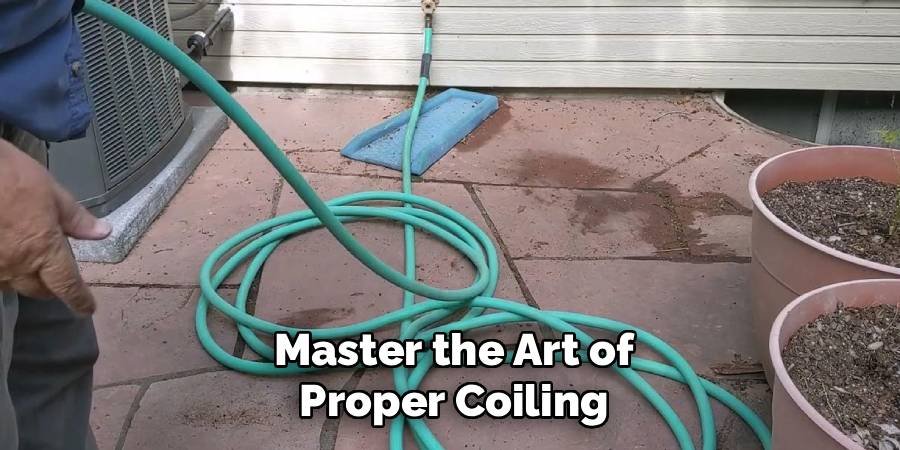
Step 5: Master the Art of Proper Coiling
How you put your hose away is just as important as how you use it. Don’t just pile it into a heap. The best way to store a hose is by coiling it in large, consistent loops. A great method is the “over-under” technique used by professionals for cables. You create one loop in the normal “over” direction, and for the next loop, you twist your wrist to coil it “under.” This alternates the direction of the coil, preventing the hose from developing a memory of twisting in one direction. This method ensures it will uncoil straight and tangle-free the next time you use it.
Step 6: Drain Before Storing
After each use, make sure to drain all the water out of the hose before coiling it. A hose full of water is heavy, unwieldy, and more susceptible to damage, especially in freezing temperatures. To drain it, disconnect the nozzle and lay the hose out on a slight downward slope, lifting the end connected to the spigot to let gravity do the work. A properly drained hose is lighter, easier to coil, and less likely to develop mold or mildew inside. It also reduces stress on the hose material, helping it last longer and maintain its flexibility over time.
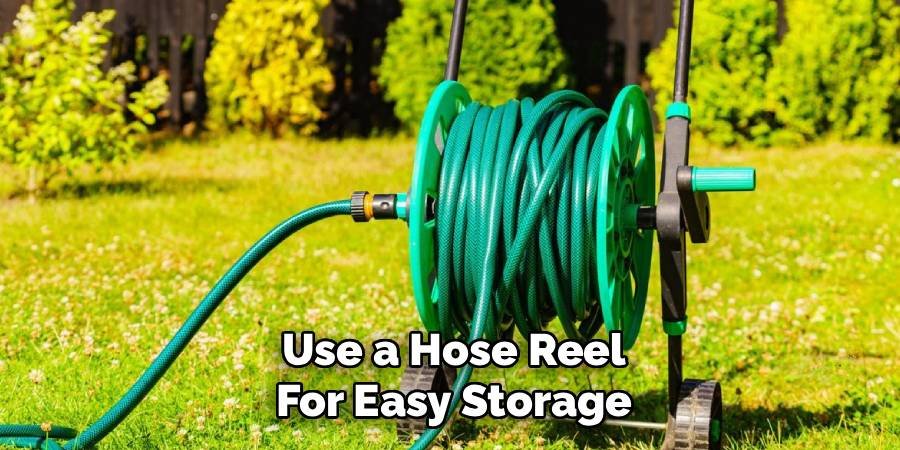
Step 7: Use a Hose Reel for Easy Storage
A hose reel is one of the most effective tools to prevent kinking. It forces you to coil the hose neatly and evenly every time. Whether it’s a wall-mounted unit, a portable cart, or a decorative pot, a reel provides a structured way to store your hose, creating uniform loops that won’t tangle. When you need to use the hose, simply pull what you need, and the reel will dispense it smoothly. When you’re finished, a crank handle makes rewinding quick and easy. This method is a key part of learning how to keep a hose from kinking and also protects your hose from sun damage and physical harm.
Frequently Asked Questions
What Is the Best Type of Hose to Prevent Kinking?
The best hoses for preventing kinks are typically made from rubber or are hybrid polymer hoses. Rubber is naturally flexible and durable, resisting kinks even in cold weather. Hybrid hoses blend rubber and vinyl for a lighter-weight but still robust option. Look for features like “kink-resistant” technology, multiple layers (plies), and reinforcement, such as a mesh or radial-braided lining. While they may be more expensive, these hoses save you frustration and last much longer than cheap vinyl alternatives.
Can You Fix a Hose That Already Has Kinks?
You can often fix existing kinks. First, lay the hose out in the sun for an hour or two. The heat will soften the material, making it more pliable. Then, turn on the water to pressurize the hose and help it regain its round shape. Gently work out the kinks with your hands. For persistent kinks, you can use a hose mender to cut out the damaged section and splice the hose back together. This is a permanent solution for areas that are permanently creased.
Does a Hose Reel Really Help Prevent Kinking?
Yes, a hose reel is one of the most effective tools for preventing kinks. It provides a structured system for storage that ensures the hose is wound into large, even loops. This prevents it from developing twists and tangles that occur when a hose is piled on the ground. By guiding the hose onto the reel, you avoid the small, tight coils that lead to memory and kinking. Using a reel not only makes storage neater but also extends the life of your hose by protecting it from damage.
Why Does My New Hose Kink So Much?
A new hose often kinks because it has “package memory.” It has been tightly coiled in its packaging for a long time, causing it to retain that shape. To fix this, uncoil the new hose completely and lay it out straight in the sun for a few hours. The warmth will relax the material. Afterward, connect it to the spigot, attach a nozzle, and run water through it at full pressure. This will help force the hose into its proper, straight form and remove the kinks from its packaging.
Is It Better to Store a Hose Coiled or Straight?
Storing a hose coiled is generally more practical and better for its longevity, provided it’s done correctly. Coiling the hose into large, loose loops on a hose reel or on the ground prevents it from developing a memory of being twisted. Storing it straight is ideal but impractical for most people due to space constraints. The key is to avoid tight coils and sharp bends during storage. Proper coiling protects the hose from UV rays, physical damage, and tripping hazards while preventing the twists that lead to kinks.
Conclusion
Fighting with a twisted hose can turn a pleasant gardening session into a frustrating chore. However, by making a few simple changes, you can conquer the kink for good. It starts with choosing a quality, kink-resistant hose and continues with mindful handling, such as straightening it before use and avoiding sharp turns. Proper storage is just as crucial, whether you coil it neatly by hand or use a hose reel to keep it organized. By following these steps, you not only improve your watering efficiency but also extend the life of your hose. Now that you know how to keep a hose from kinking, you can spend less time untangling and more time enjoying your garden.

About Ravuk Barg
B.Sc. Horticulture Science | Certified Master Gardener
Ravuk Barg has spent more than a decade with his hands in the soil and his head full of questions about why some gardens thrive while others struggle. What started as a single raised bed of tomatoes and basil in a modest backyard has grown into a deep, working knowledge of everything from seed germination and soil amendment to companion planting and seasonal pruning.
Over the years, Ravuk has gardened through drought summers, waterlogged springs, and pest invasions that would make most gardeners hang up their trowels for good. Those hard seasons, he’ll tell you, taught him more than any perfect growing year ever could. He writes from that earned experience—covering vegetable growing, ornamental planting, houseplant care, composting, and garden design with equal confidence and curiosity.
Philosophy & Approach
Ravuk’s approach to gardening is rooted in practicality. He favors organic methods not out of dogma, but because they work long-term—resulting in healthier soil, fewer inputs, and stronger plants. He has a particular fondness for heirloom vegetable varieties (the kind with proper flavor), unruly cottage-style flower beds, and the stubborn houseplants that everyone else gave up on.
The Mission: Give readers the honest, experience-backed advice that helps them actually succeed in their gardens—not just the ideal version, but the real one; weeds, failures, and all.
Education & Credentials
-
B.Sc. in Horticulture Science
-
Greenfield Agricultural University
-
Focus: Plant Physiology, Soil Ecology, and Sustainable Crop Production
-
-
Master Gardener Certification
-
Cooperative Extension Service
-
Focus: 200+ hours of hands-on practical training and community garden work
-
Continuing Education
-
Organic Pest Management
-
Native Plant Landscaping
-
Sustainable Crop Production