

Every gardener eventually faces the same dilemma: a trusty garden hose that has reached the end of its life. Whether it’s kinked beyond repair, riddled with holes, or simply worn out from years of use, a dead hose takes up space and needs to be dealt with. Many people are tempted to simply toss it in the trash, but that’s not the most responsible option.
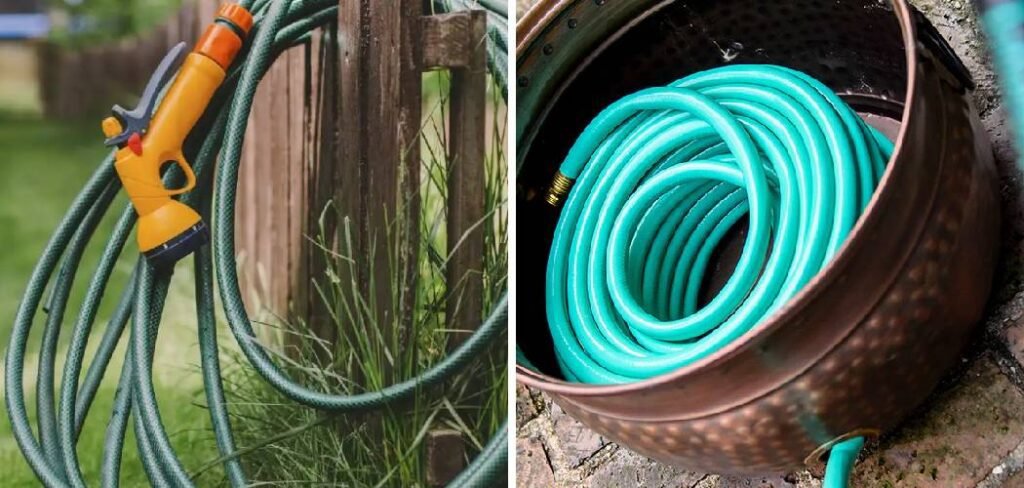
Learning how to dispose of garden hose correctly not only helps you declutter your space but also makes a positive impact on the environment. This guide will walk you through several practical and eco-friendly methods for handling your old hose, from recycling preparation to creative upcycling projects.
Why Proper Disposal Matters
Tossing an old garden hose into your regular trash bin might seem like the easiest solution, but it creates significant problems for both waste management systems and the environment. Most garden hoses are made from polyvinyl chloride (PVC), a type of plastic that is not biodegradable. When it ends up in a landfill, it will sit there for hundreds of years, leaching harmful chemicals like phthalates and heavy metals into the soil and groundwater.
Furthermore, the long, flexible shape of a hose makes it a menace at recycling facilities. When mixed with regular recyclables, hoses can wrap around sorting machinery, causing equipment to jam, break down, and halt operations. These “tangler” items create costly delays and safety hazards for workers. By taking the time to dispose of your hose properly, you prevent pollution, protect wildlife from entanglement, and support a more efficient and effective recycling system for your community.
8 Step-by-Step Guide on How to Dispose of a Garden Hose
Step 1: Clean the Hose Thoroughly
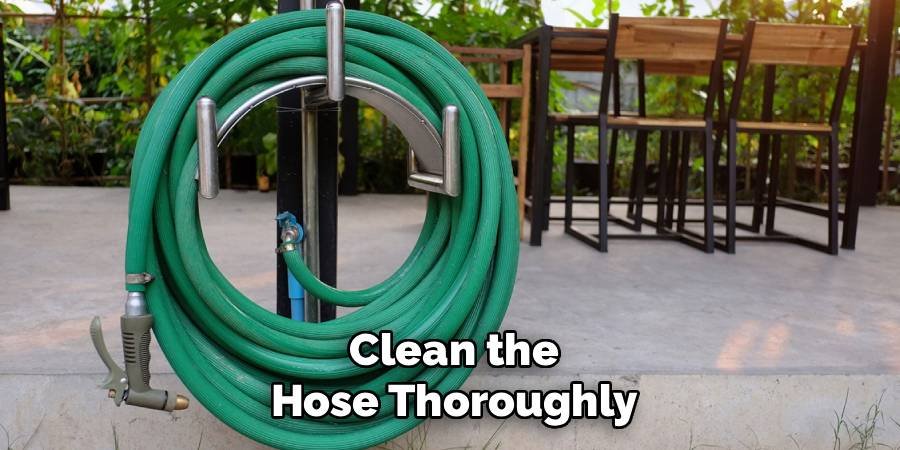
Before you can do anything else with your old hose, it needs a good cleaning. Over its lifetime, a hose collects a surprising amount of dirt, mud, and even mold or algae. Lay the hose out straight on a driveway or patio. Use a stiff brush and a bucket of soapy water to scrub the entire length of the exterior, removing all the grime. Once the outside is clean, flush the inside by connecting it to your spigot one last time and letting water run through it at high pressure. A clean hose is much easier and more pleasant to handle for recycling, upcycling, or disposal.
Step 2: Detach All Metal and Brass Fittings
Garden hoses are rarely made of a single material. The nozzle ends, couplings, and connectors are typically made of metal, such as brass, aluminum, or steel. These metal parts are often recyclable, but they cannot be processed with the plastic hose body. Use a wrench or pliers to carefully remove all metal fittings from both ends of the hose. You may need some effort if they are old and corroded. Set these metal pieces aside in a separate container. They can usually be placed in your curbside recycling bin with other metals or taken to a local scrap metal dealer.
Step 3: Identify the Hose Material
To determine the best disposal method, you need to know what your hose is made of. Most modern garden hoses are made from PVC (polyvinyl chloride), often labeled with the #3 recycling symbol. Some are made from rubber or a combination of materials. Check the hose itself or its original packaging for any information about its composition. This knowledge is crucial because different materials have different recycling requirements. If you can’t find a label, you can often tell by feel: PVC is generally stiffer, while rubber is more flexible and has a distinct smell.
Step 4: Cut the Hose into Smaller Segments
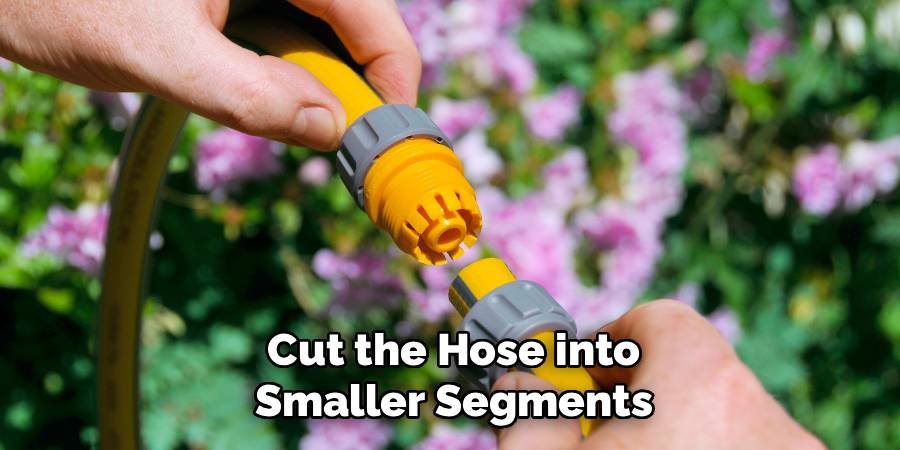
One of the biggest problems with hoses at recycling centers is their length. To prevent them from becoming “tanglers,” you must cut the hose into smaller, more manageable pieces. Using a strong pair of garden shears or a utility knife, carefully cut the hose into sections no longer than one foot. This step is non-negotiable for almost every disposal method besides landfilling. Coiling the small pieces and securing them with a zip tie or string can make them even easier to transport and handle, ensuring they don’t unravel and cause issues later on.
Step 5: Research Local Recycling Programs
Now that your hose is prepped, it’s time to find a place that will accept it. Start by checking your local municipality’s waste management website. Many cities have specific guidelines for difficult-to-recycle items. Search for terms like “garden hose recycling,” “PVC recycling,” or “special waste drop-off.” Some communities have dedicated recycling centers or hold special collection events that accept items like hoses. A quick phone call to your local recycling provider can also clear up any confusion and confirm whether they can process PVC or rubber hoses.
Step 6: Explore Mail-In Recycling Services
If your local options are limited, a mail-in recycling program could be the perfect solution. Some specialized companies focus on recycling items that municipal facilities can’t handle. For example, TerraCycle offers programs that accept garden hoses and other complex materials. You typically purchase a box, fill it with your pre-cut hose pieces, and ship it back to them for proper processing. While this service often has a fee, it guarantees that your old hose will be recycled responsibly instead of ending up in a landfill, making it a great option for the environmentally conscious gardener.
Step 7: Consider Creative Upcycling Projects
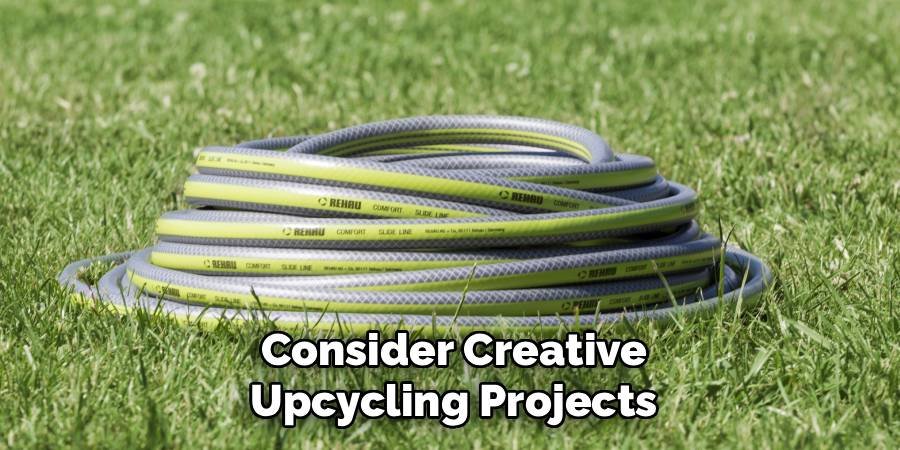
Before you send your hose away, think about giving it a second life. An old garden hose can be surprisingly useful around your home and garden. You can cut short sections and slit them open to create protective sleeves for saw blades or to soften the chains on a swing set. Another popular idea is to weave the hose pieces together to create a durable and colorful doormat. You can also nail coiled sections to a board to make a rustic-looking bucket or basket. A quick search online will reveal dozens of ingenious ways to upcycle a hose.
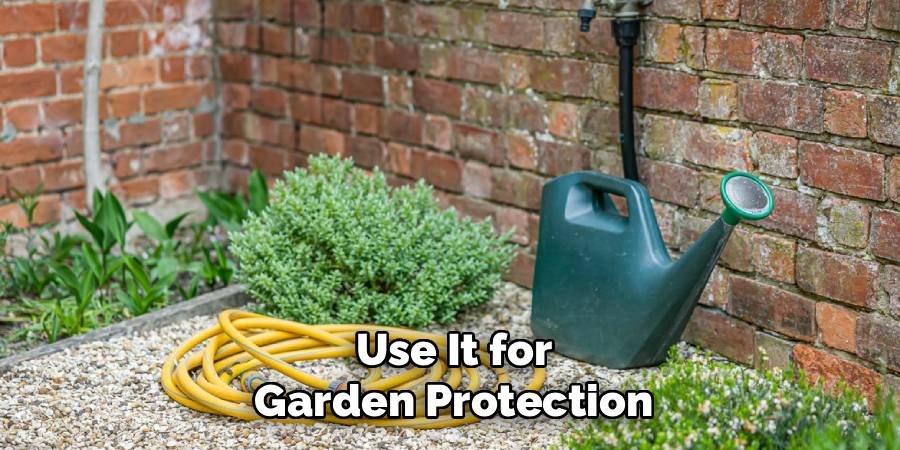
Step 8: Use It for Garden Protection
Your old hose can continue to serve a purpose right in your garden. By cutting the hose into appropriate lengths, you can create effective protectors for young tree trunks or saplings. When using a string trimmer or lawnmower near delicate plants, a section of hose placed around the base can prevent accidental damage. You can also use it to create gentle, custom-shaped soaker hoses. Simply poke small holes along one side of the hose, cap the end, and place it around your plants for targeted, low-pressure watering that conserves water and directs it straight to the roots.
Common Mistakes to Avoid
When working with garden hoses for creative or protective purposes, there are a few common mistakes to keep in mind. One frequent error is failing to ensure the hose is clean before repurposing it, which can introduce unwanted dirt or chemicals to your plants. Another mistake is cutting the hose unevenly, resulting in jagged edges that could damage plants or be difficult to use effectively.
Additionally, when creating soaker hoses, avoid making the holes too large or too numerous, as this can lead to uneven watering and waste. Lastly, neglecting to secure the hose in place can cause it to shift, reducing its efficiency and leaving your plants exposed or damaged. By addressing these issues, you can maximize the usefulness and safety of your hose projects.
Frequently Asked Questions (FAQ)
Can You Put a Garden Hose in the Recycling Bin?
No, you should never put a garden hose in your standard curbside recycling bin. Hoses are considered “tanglers” because their length and flexibility cause them to wrap around and jam the sorting machinery at recycling facilities. This leads to costly shutdowns and poses a safety risk to workers. You must take your hose to a specialized recycling center that specifically accepts them.
What Is a Garden Hose Made Of?
Most garden hoses today are made from polyvinyl chloride (PVC), sometimes reinforced with layers of nylon or rayon mesh. Other common materials include polyurethane and natural or synthetic rubber. The fittings on the ends are typically made from brass or aluminum. Knowing the material is important, as it determines whether it can be recycled and how it should be handled.
How Can I Reuse an Old Garden Hose?
There are many creative ways to reuse an old garden hose. Some popular ideas include:
- Cutting it into small sections to make protective covers for sharp tools.
- Weaving it into a durable and weather-resistant doormat.
- Using it as a bumper on the edge of a garage wall to protect car doors.
- Slicing it open to create soft grips for bucket handles.
Are There Any Mail-In Programs for Hose Recycling?
Yes, several companies offer mail-in recycling programs for hard-to-recycle items, including garden hoses. Services like TerraCycle’s Zero Waste Box program allow you to purchase a box, fill it with your old hoses (and other accepted items), and mail it back to them for proper recycling. This is an excellent option if you lack local facilities that accept hoses.
What Should I Do with the Metal Ends of the Hose?
The metal fittings, such as the brass or aluminum connectors, should be removed from the hose before disposal. These parts are usually recyclable with other scrap metals. You can typically place them in your curbside recycling bin along with other metal cans or take them to a local scrap metal yard, where you might even get a small payment for them.
Conclusion
Disposing of an old garden hose doesn’t have to be complicated or harmful to the environment. By following a few simple steps—cleaning the hose, removing the metal ends, cutting it into pieces, and finding the right recycling outlet—you can ensure it stays out of the landfill. Whether you choose to send it to a specialized facility, use a mail-in service, or get creative with upcycling projects, you are making a responsible choice. Now that you know how to dispose of a garden hose properly, you can confidently manage your garden waste and contribute to a healthier planet.

About Ravuk Barg
B.Sc. Horticulture Science | Certified Master Gardener
Ravuk Barg has spent more than a decade with his hands in the soil and his head full of questions about why some gardens thrive while others struggle. What started as a single raised bed of tomatoes and basil in a modest backyard has grown into a deep, working knowledge of everything from seed germination and soil amendment to companion planting and seasonal pruning.
Over the years, Ravuk has gardened through drought summers, waterlogged springs, and pest invasions that would make most gardeners hang up their trowels for good. Those hard seasons, he’ll tell you, taught him more than any perfect growing year ever could. He writes from that earned experience—covering vegetable growing, ornamental planting, houseplant care, composting, and garden design with equal confidence and curiosity.
Philosophy & Approach
Ravuk’s approach to gardening is rooted in practicality. He favors organic methods not out of dogma, but because they work long-term—resulting in healthier soil, fewer inputs, and stronger plants. He has a particular fondness for heirloom vegetable varieties (the kind with proper flavor), unruly cottage-style flower beds, and the stubborn houseplants that everyone else gave up on.
The Mission: Give readers the honest, experience-backed advice that helps them actually succeed in their gardens—not just the ideal version, but the real one; weeds, failures, and all.
Education & Credentials
-
B.Sc. in Horticulture Science
-
Greenfield Agricultural University
-
Focus: Plant Physiology, Soil Ecology, and Sustainable Crop Production
-
-
Master Gardener Certification
-
Cooperative Extension Service
-
Focus: 200+ hours of hands-on practical training and community garden work
-
Continuing Education
-
Organic Pest Management
-
Native Plant Landscaping
-
Sustainable Crop Production