

As autumn arrives, the sight of acorns scattered across a lawn can be a mixed blessing. For some, they represent a seasonal nuisance, littering an otherwise pristine yard. For others, these small nuts from oak trees are a treasure trove of possibilities, perfect for crafting, foraging, or even planting new trees.
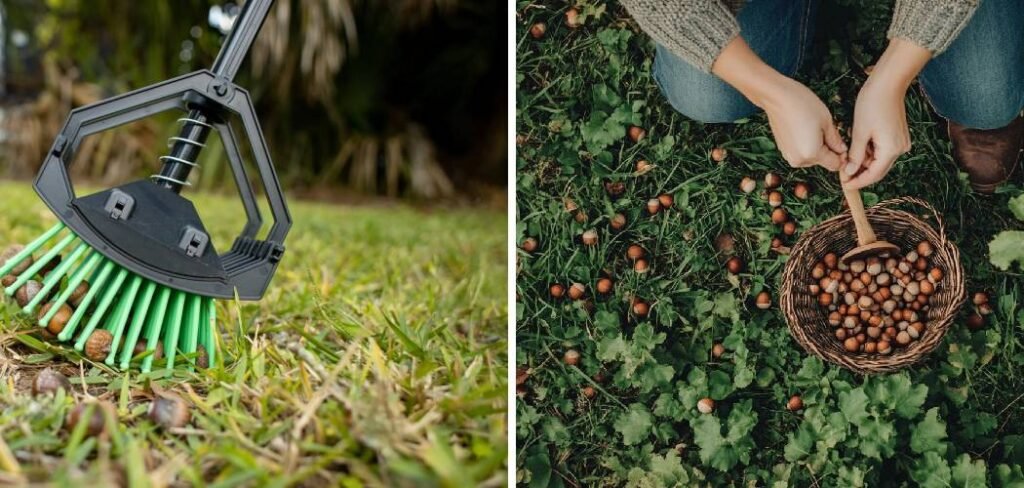
Whether you’re a gardener aiming for a tidy lawn or a nature enthusiast ready for a project, understanding how to pick acorns from lawn efficiently is the first step. This guide will walk you through everything you need to know, from timing your harvest to processing your collection. We’ll provide simple, effective methods that make the task easy and enjoyable for beginners and seasoned gardeners alike. Let’s get started on turning that blanket of acorns into a manageable and rewarding activity.
Why Clear Acorns from Your Lawn?
Beyond simple aesthetics, there are several practical reasons to clear acorns from your yard. A thick layer of acorns can smother the grass beneath, preventing sunlight and air from reaching the turf and leading to yellow, unhealthy patches. These nuts also pose a slipping hazard on walkways and patios, especially after a rain. Furthermore, acorns attract wildlife like squirrels and chipmunks, which can cause damage to your garden and lawn as they dig and bury their finds. For those with pets, some acorns can be toxic to dogs if ingested in large quantities. Clearing them promptly helps maintain a healthy, safe, and beautiful outdoor space for everyone to enjoy.
7 Step-by-Step Guide on How to Pick Acorns From Lawn
Ready to tackle the task? This detailed guide breaks down the process into simple, manageable steps, ensuring you can clear your lawn effectively and make the most of your acorn harvest.
Step 1: Time Your Collection Right
Timing is crucial for a successful acorn collection. The best time to gather is in the early to mid-autumn, just as the acorns begin to drop from the oak trees. Look for nuts that are mostly brown, as this indicates they are mature. Green acorns are still developing and won’t be suitable for most uses. A good sign is when you see squirrels actively collecting them. Plan to gather the acorns shortly after they fall, ideally after a windy day, to get the freshest nuts before they are eaten by wildlife or begin to rot on the damp ground.

Step 2: Gather Your Tools
Before you begin, assembling the right tools will make the process much smoother and more efficient. For small areas, hand-picking is perfectly fine, and you will only need a pair of gardening gloves to protect your hands and a sturdy bucket or bag for collection. For larger lawns where bending over repeatedly is impractical, consider using a yard sweeper or a rolling nut gatherer. These tools are designed to pick up nuts, acorns, and other debris with minimal effort. A rake can also be useful for gathering the acorns into piles before scooping them up.
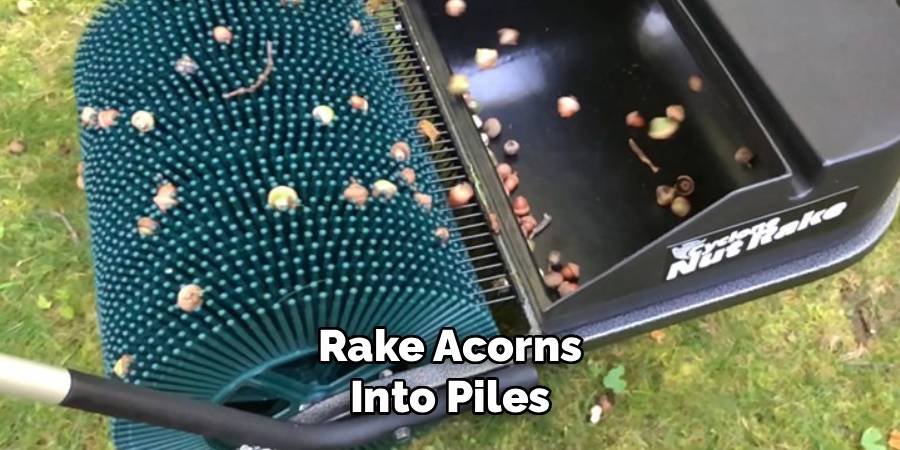
Step 3: Rake Acorns into Piles
If you are dealing with a significant number of acorns, raking them into manageable piles is an effective first step. Use a flexible leaf rake rather than a stiff garden rake to avoid damaging your lawn. Work in sections, systematically pulling the acorns into small mounds across the yard. This concentrates the acorns, making the next step of collecting them much faster. This method is particularly useful if you plan to use a shovel or scoop to transfer the acorns into a container, saving you from having to bend down constantly to pick them up by hand.
Step 4: Hand-Pick for Precision
For smaller yards or for those who want to be selective about the acorns they collect, hand-picking is the most precise method. Put on your gardening gloves and use a bucket to gather the nuts. This approach allows you to inspect each acorn as you pick it, ensuring you only collect mature, undamaged ones. It’s a great way to discard any nuts that have cracks, holes from insects, or signs of mold. While it is more labor-intensive, hand-picking guarantees the highest quality collection, which is especially important if you plan to use the acorns for planting or consumption.
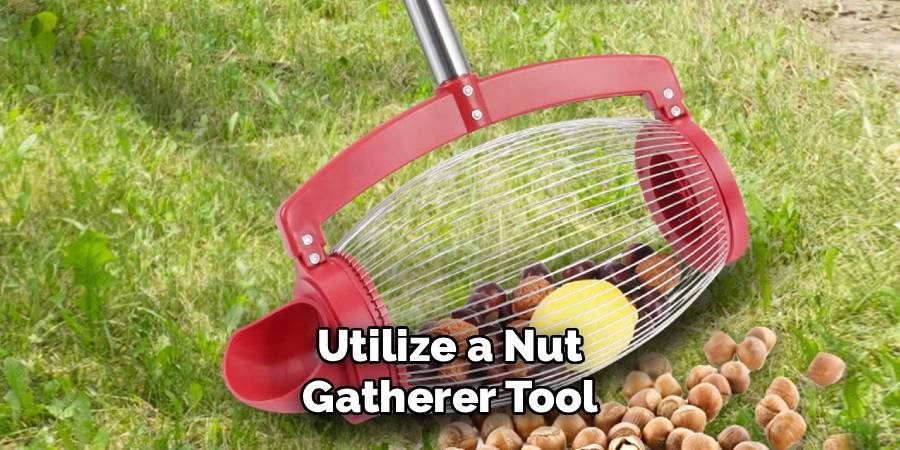
Step 5: Utilize a Nut Gatherer Tool
For an effortless approach to how to pick acorns from lawn, a rolling nut gatherer is an excellent investment. This clever tool consists of a flexible wire cage on the end of a long handle. As you push it across your lawn, the wires spread to collect acorns and other small objects, trapping them inside the cage. Once full, you can easily empty the contents into a bucket. This method saves your back and knees from the strain of bending and kneeling. It is highly effective on both even and slightly uneven terrain, making it a popular choice for homeowners with large oak trees.
Step 6: Use a Lawn or Leaf Sweeper
A lawn sweeper, also known as a leaf sweeper, is another fantastic tool for clearing a large area quickly. These push-powered or tow-behind machines use rotating brushes to sweep debris, including leaves and acorns, into an attached collection bag. A push sweeper is suitable for medium-sized lawns, while a model that attaches to a riding mower is ideal for very large properties. This method is less selective than hand-picking but is incredibly efficient for general yard cleanup, gathering acorns along with leaves and twigs in a single pass.
Step 7: Sort and Inspect Your Collection
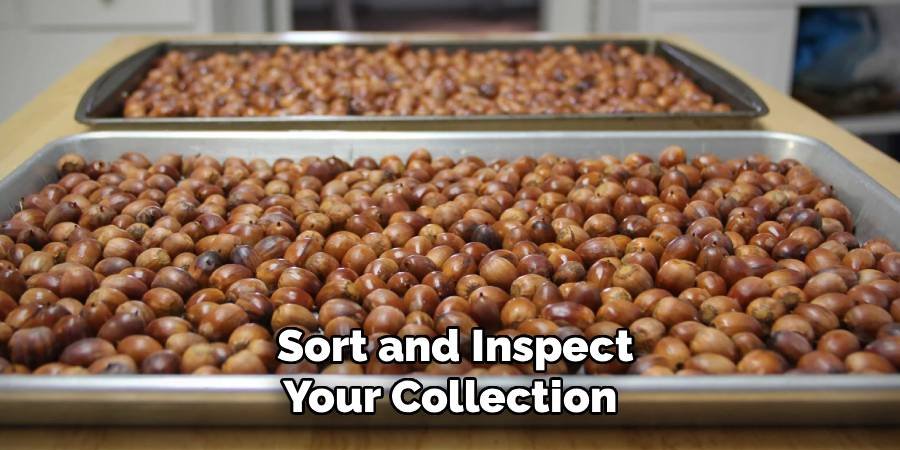
Once you have gathered all the acorns, it is time to sort through them. Spread your collection on a tarp or a clean, flat surface. Your goal is to separate the good acorns from the bad ones. Discard any that are cracked, have small holes (a sign of weevils), feel unusually light, or show any signs of mold or rot. A quick way to test for viability, especially for planting, is the float test. Place the acorns in a bucket of water. The ones that sink are generally healthy, while those that float are likely damaged or dried out and should be discarded.
Clean and Dry the Acorns
After sorting, the final step is to clean your keepers. Rinse the good acorns under cool water to remove any dirt or debris. You can use a soft brush to gently scrub away any stubborn grime. Once they are clean, it’s essential to dry them properly to prevent mold from developing. Spread the acorns in a single layer on a screen or a baking sheet in a well-ventilated area away from direct sunlight. Let them air-dry for several days, turning them occasionally to ensure they dry evenly. Proper drying is key for storage and future use.
Frequently Asked Questions
What Can You Do With Collected Acorns?
Collected acorns have a variety of uses. Creative individuals can use them for seasonal crafts and decorations, like wreaths and centerpieces. Foragers can process them into acorn flour for baking, though this requires leaching to remove tannins. Gardeners can plant the acorns to grow new oak trees. They can also be used as a natural food source for wildlife in your area—just be sure to place them away from your home to avoid encouraging pests.
Are Acorns Bad for Your Lawn?
Yes, a large quantity of acorns can be detrimental to your lawn’s health. They can smother the grass, blocking sunlight and airflow, which can lead to dead or yellow patches. The tannins in acorns can also slightly alter the soil’s pH over time. Additionally, rotting acorns can create a slimy mess and encourage fungal growth. Regularly clearing acorns helps maintain a healthy, green, and resilient lawn.
When Is the Best Time of Year to Pick Up Acorns?
The best time to pick up acorns is in the early to mid-fall, as soon as they begin dropping from the trees. This is typically between September and November, depending on your climate and the specific type of oak tree. Gathering them promptly ensures you get them before they are eaten by squirrels, damaged by insects, or start to decompose on the wet ground. Acting quickly results in a cleaner lawn and a higher-quality collection for any projects you may have in mind.
How Can You Stop Acorns From Sprouting in Your Yard?
To prevent acorns from sprouting, the most effective strategy is regular removal. By following the steps in this guide to clear them from your lawn, you remove the source. If you miss some, you may notice small oak seedlings popping up in the spring. These can be easily pulled by hand when they are young. Maintaining a thick, healthy lawn also helps, as dense turf makes it more difficult for acorns to make contact with the soil and germinate.
Can You Put Acorns in a Compost Bin?
You can add acorns to your compost bin, but it’s best to do so in moderation. Acorns are very dense and woody, so they take a long time to break down. To speed up the process, it’s helpful to crush or grind them before adding them to your compost pile. This increases the surface area for microorganisms to work on. Also be aware that acorns contain tannins, which can slow decomposition if added in large quantities.
Conclusion
Clearing your yard of fallen acorns doesn’t have to be a dreaded chore. With the right timing, tools, and techniques, it can be a simple and even rewarding task. Whether you choose to rake and scoop, hand-pick for precision, or use a specialized tool like a nut gatherer, you now have a clear plan for success. By sorting, cleaning, and properly storing your harvest, you open up a world of possibilities for crafting, gardening, or simply maintaining a beautiful lawn. Now that you know how to pick acorns from lawn, you can approach the autumn season with confidence, ready to manage the annual drop and keep your outdoor space looking its best.

About Ravuk Barg
B.Sc. Horticulture Science | Certified Master Gardener
Ravuk Barg has spent more than a decade with his hands in the soil and his head full of questions about why some gardens thrive while others struggle. What started as a single raised bed of tomatoes and basil in a modest backyard has grown into a deep, working knowledge of everything from seed germination and soil amendment to companion planting and seasonal pruning.
Over the years, Ravuk has gardened through drought summers, waterlogged springs, and pest invasions that would make most gardeners hang up their trowels for good. Those hard seasons, he’ll tell you, taught him more than any perfect growing year ever could. He writes from that earned experience—covering vegetable growing, ornamental planting, houseplant care, composting, and garden design with equal confidence and curiosity.
Philosophy & Approach
Ravuk’s approach to gardening is rooted in practicality. He favors organic methods not out of dogma, but because they work long-term—resulting in healthier soil, fewer inputs, and stronger plants. He has a particular fondness for heirloom vegetable varieties (the kind with proper flavor), unruly cottage-style flower beds, and the stubborn houseplants that everyone else gave up on.
The Mission: Give readers the honest, experience-backed advice that helps them actually succeed in their gardens—not just the ideal version, but the real one; weeds, failures, and all.
Education & Credentials
-
B.Sc. in Horticulture Science
-
Greenfield Agricultural University
-
Focus: Plant Physiology, Soil Ecology, and Sustainable Crop Production
-
-
Master Gardener Certification
-
Cooperative Extension Service
-
Focus: 200+ hours of hands-on practical training and community garden work
-
Continuing Education
-
Organic Pest Management
-
Native Plant Landscaping
-
Sustainable Crop Production