

Watching squirrels turn your pristine lawn into a pockmarked battlefield can be incredibly frustrating. These persistent little diggers seem determined to excavate every square inch of your yard, leaving behind unsightly holes and damaged grass. If you’re wondering how to stop squirrels from digging lawn areas around your home, you’re not alone—this is one of the most common complaints among homeowners.
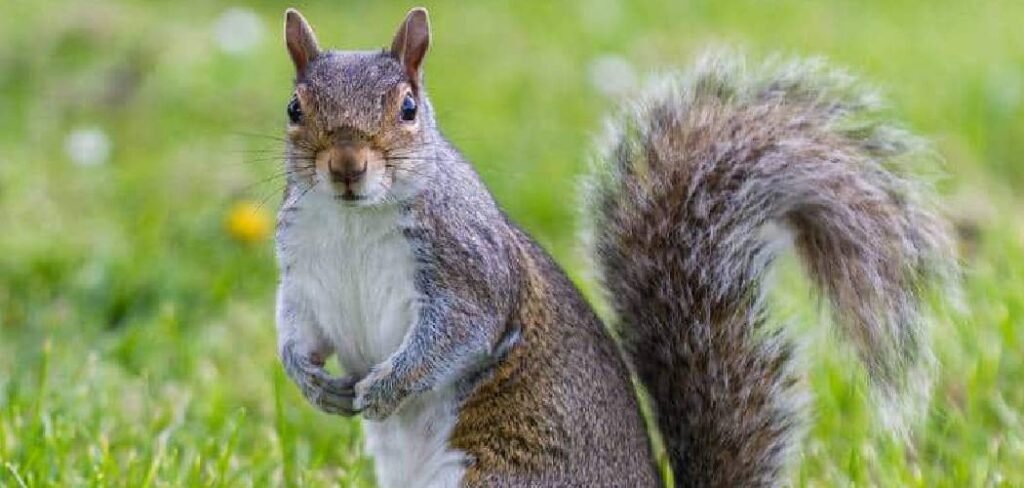
Squirrels dig for several reasons: burying nuts for winter storage, searching for grubs and insects, or simply exploring for food sources. While these behaviors are natural, they don’t have to destroy your beautiful outdoor space. Understanding what drives their digging behavior is the first step toward reclaiming your yard.
The good news is that you can protect your lawn without harming these acrobatic creatures. With the right combination of deterrents, habitat modifications, and consistent application, you can encourage squirrels to take their digging elsewhere while maintaining a humane approach to wildlife management.
Why You Need to Address Squirrel Digging
Squirrel damage goes beyond cosmetic concerns. Their persistent digging creates uneven surfaces that pose tripping hazards for family members and guests. The holes they create can damage your lawn mower blades and make yard maintenance significantly more challenging.
Additionally, squirrel digging often attracts other pests. The disturbed soil becomes an invitation for insects, and the holes can provide entry points for moles and voles. What starts as a squirrel problem can quickly escalate into a multi-pest situation.
Your lawn’s health suffers too. Constant digging disrupts grass root systems, leading to brown patches and thinning areas. During dry spells, these damaged sections struggle to retain moisture, creating a cycle of deterioration that’s expensive to repair.
10 Step-by-Step Guide: How to Stop Squirrels from Digging Lawn
Step 1: Remove Food Sources
Start by eliminating what draws squirrels to your yard in the first place. Clean up fallen nuts, fruits, and seeds from trees regularly. Store birdseed in sealed containers and consider using squirrel-proof bird feeders that prevent spillage. Even small crumbs can attract these determined foragers.

Check your garbage cans for secure lids and clean up any pet food left outdoors. Squirrels have excellent memories and will return repeatedly to areas where they’ve found food before. By removing these attractants, you make your lawn less appealing as a foraging destination.
Step 2: Apply Natural Repellent Sprays
Create homemade deterrent sprays using ingredients squirrels naturally avoid. Mix cayenne pepper, garlic powder, and dish soap with water to create an effective repellent. Spray this mixture on affected areas every few days, especially after rain. The strong scents and tastes discourage digging without harming the animals.
Commercial predator urine products also work well. Fox or coyote urine creates the illusion of danger, triggering squirrels’ natural fear responses. Apply these products according to manufacturer instructions, focusing on heavily damaged areas and the perimeter of your lawn.
Step 3: Install Physical Barriers
Protect vulnerable lawn sections with temporary barriers while grass recovers. Use chicken wire or hardware cloth laid flat over newly seeded areas. Secure the edges with landscape staples to prevent squirrels from getting underneath. The wire allows grass to grow through while blocking access to the soil.
For flower beds and garden borders, install decorative fencing or plant barriers. Choose materials with small openings that prevent squirrels from squeezing through. Remember that these clever climbers can jump considerable distances, so barriers should be at least three feet high.
Step 4: Modify Your Landscape Design
Replace squirrel-attracting plants with varieties they typically avoid. Daffodils, marigolds, and mint family plants naturally repel squirrels while adding beauty to your landscape. Consider removing or relocating nut-producing trees that directly contribute to your digging problem.

Create alternative digging areas away from your main lawn. Designate a corner of your yard with loose soil or mulch where squirrels can dig freely. This compromise approach gives them what they need while protecting your priority areas.
Step 5: Use Motion-Activated Deterrents
Install sprinkler systems that activate when squirrels approach. These devices startle animals without causing harm, creating negative associations with your lawn. Position multiple units to cover all problem areas, and adjust sensitivity settings to avoid triggering from wind or small birds.
Solar-powered units work well in areas without electrical access. Some models include ultrasonic sound components that add another layer of deterrence. The combination of unexpected water spray and sound creates a powerful psychological barrier.
Step 6: Apply Granular Repellents
Spread commercial granular repellents containing predator scents or spicy compounds around your lawn perimeter. These products provide longer-lasting protection than sprays and won’t wash away as quickly during rain. Reapply according to package directions, typically every 3-4 weeks.
Focus application on high-traffic squirrel areas like fence lines, tree bases, and previously damaged spots. Create a barrier zone rather than covering your entire lawn, which can be costly and unnecessary for effective deterrence.
Step 7: Encourage Natural Predators
Attract hawks, owls, and other natural squirrel predators by installing appropriate nesting boxes and perches. These birds of prey help control squirrel populations naturally. Position owl boxes at least 10 feet high and away from human activity areas.
Don’t discourage domestic cats from patrolling your yard if they belong to neighbors. Their presence alone often reduces squirrel activity. However, ensure any deterrent methods you use won’t harm cats or other non-target animals.
Step 8: Time Your Lawn Care Strategically
Schedule watering and fertilizing to minimize soil attractiveness during peak squirrel activity periods. Avoid creating soft, easily dug soil when squirrels are most active in early morning and late afternoon. Water deeply but less frequently to maintain grass health while reducing soil moisture that makes digging easier.
Apply fertilizers in forms less likely to attract squirrels. Avoid fish-based or bone meal fertilizers that smell appealing to wildlife. Choose synthetic options or compost thoroughly before application to reduce odors that draw unwanted attention.
Step 9: Create Noise and Activity
Increase human activity and noise levels in affected areas during peak squirrel times. Play radio music, hang wind chimes, or install motion-activated noise makers. Squirrels prefer quiet, undisturbed areas for their activities and will often relocate when environments become too busy.
Encourage family members to use the lawn more frequently. Regular foot traffic, games, and outdoor activities make squirrels uncomfortable and less likely to establish digging routines in those spaces.
Step 10: Monitor and Adjust Your Approach
Track which methods work best for your specific situation by keeping a simple log of squirrel activity. Note weather conditions, times of day, and locations of new digging. This information helps you refine your strategy and focus efforts where they’re most needed.
Be prepared to rotate deterrent methods periodically. Squirrels are intelligent and may adapt to consistent strategies over time. Changing your approach every few weeks maintains effectiveness and prevents habituation to your deterrents.
Maintaining Your Squirrel-Free Lawn
Consistency is crucial for long-term success. Establish a regular maintenance schedule that includes reapplying repellents, checking barrier integrity, and cleaning up potential food sources. Mark your calendar for monthly lawn assessments to catch new problems early.
Document what works best for future reference. Take photos of successful deterrent installations and note seasonal patterns in squirrel behavior. This information becomes invaluable for maintaining your progress and helping neighbors with similar issues.
Common Mistakes to Avoid
Don’t rely on a single deterrent method expecting immediate results. Squirrels are persistent and adaptable, requiring multiple strategies working together. Patience is essential—most effective solutions take 2-3 weeks to show significant results.
Avoid harmful chemicals or methods that could injure squirrels or other wildlife. Mothballs, poison baits, and snap traps create safety hazards for children, pets, and non-target animals. Stick with humane deterrents that encourage relocation rather than elimination.
Frequently Asked Questions ( FAQ )
How Long Does It Take to Stop Squirrels From Digging?
Most homeowners see significant improvement within 2-3 weeks of implementing multiple deterrent strategies consistently. Complete resolution may take 4-6 weeks depending on squirrel population density and food source availability.
Will Coffee Grounds Really Repel Squirrels From My Lawn?
Used coffee grounds can provide mild deterrence due to their acidic smell and texture, but they’re not reliable as a standalone solution. Combine coffee grounds with other proven methods for better results.
Do Ultrasonic Repellent Devices Actually Work Against Squirrels?
Ultrasonic devices show mixed results and effectiveness varies by brand and environmental factors. They work best as part of comprehensive deterrent systems rather than sole solutions for persistent squirrel problems.
Can I Use Mothballs to Keep Squirrels Away From My Grass?
Never use mothballs as animal repellents. They contain toxic chemicals dangerous to children, pets, and beneficial wildlife. Many jurisdictions prohibit using mothballs for pest control purposes outside their intended use.
What’s the Best Time of Year to Start Squirrel Deterrent Programs?
Early spring before peak digging season offers the best results. However, you can start deterrent programs any time and expect gradual improvement as squirrels adapt to the new conditions in your yard.
Conclusion
Learning how to stop squirrels from digging lawn areas requires patience, consistency, and the right combination of humane deterrent strategies. By removing food sources, applying natural repellents, installing barriers, and maintaining regular monitoring, you can reclaim your outdoor space while respecting wildlife.
Remember that success comes from persistence rather than perfection. These intelligent creatures will test your defenses, but consistent application of multiple deterrent methods creates an environment where they’ll choose to forage elsewhere. Your lawn will gradually recover as squirrel pressure decreases.
The investment in time and effort pays dividends in both immediate lawn improvement and long-term maintenance reduction. A well-protected lawn requires less frequent repair, stays healthier throughout growing seasons, and provides the beautiful outdoor space you’ve worked hard to create.
Stay committed to your chosen strategies for at least a full month before making major adjustments. Document your progress and celebrate small victories along the way. Your garden (and your patience!) will thank you as you enjoy a pristine, squirrel-damage-free lawn that enhances your home’s beauty and value.

About Ravuk Barg
B.Sc. Horticulture Science | Certified Master Gardener
Ravuk Barg has spent more than a decade with his hands in the soil and his head full of questions about why some gardens thrive while others struggle. What started as a single raised bed of tomatoes and basil in a modest backyard has grown into a deep, working knowledge of everything from seed germination and soil amendment to companion planting and seasonal pruning.
Over the years, Ravuk has gardened through drought summers, waterlogged springs, and pest invasions that would make most gardeners hang up their trowels for good. Those hard seasons, he’ll tell you, taught him more than any perfect growing year ever could. He writes from that earned experience—covering vegetable growing, ornamental planting, houseplant care, composting, and garden design with equal confidence and curiosity.
Philosophy & Approach
Ravuk’s approach to gardening is rooted in practicality. He favors organic methods not out of dogma, but because they work long-term—resulting in healthier soil, fewer inputs, and stronger plants. He has a particular fondness for heirloom vegetable varieties (the kind with proper flavor), unruly cottage-style flower beds, and the stubborn houseplants that everyone else gave up on.
The Mission: Give readers the honest, experience-backed advice that helps them actually succeed in their gardens—not just the ideal version, but the real one; weeds, failures, and all.
Education & Credentials
-
B.Sc. in Horticulture Science
-
Greenfield Agricultural University
-
Focus: Plant Physiology, Soil Ecology, and Sustainable Crop Production
-
-
Master Gardener Certification
-
Cooperative Extension Service
-
Focus: 200+ hours of hands-on practical training and community garden work
-
Continuing Education
-
Organic Pest Management
-
Native Plant Landscaping
-
Sustainable Crop Production