

Learning how to water a garden without a hose opens up creative possibilities for every gardener. Whether your outdoor tap is broken, you’re dealing with water restrictions, or you simply want to explore eco-friendly alternatives, there are numerous effective methods to keep your plants thriving.

Traditional hoses aren’t always practical or available. Some gardeners face pressure issues, while others want to reduce their environmental footprint. The good news? You can maintain a lush, healthy garden using simple tools and techniques that often work better than conventional watering methods.
These alternative watering approaches often provide more controlled irrigation, helping you target specific plants while conserving precious water resources. From ancient techniques used by civilizations worldwide to modern sustainable practices, you’ll discover methods that suit every garden size and budget.
Why You Need to Explore Alternative Watering Methods
Hose alternatives offer significant advantages beyond mere convenience. They provide superior water control, allowing you to deliver precise amounts directly to plant roots where it’s needed most. Many traditional watering methods reduce water waste dramatically. Unlike sprinklers that lose water to evaporation and wind drift, targeted techniques ensure every drop reaches your plants effectively.
Cost savings represent another compelling reason. Alternative methods often require minimal investment while delivering long-term benefits. Rain collection systems, for instance, provide free irrigation while reducing your water bills. Environmental consciousness drives many gardeners toward sustainable practices. These methods align perfectly with eco-friendly gardening principles, helping you create a more sustainable outdoor space.
10 Step-by-Step Guide: How to Water a Garden Without a Hose
Step 1: Set Up a Rain Collection System
Install rain barrels or containers under downspouts to capture natural precipitation. This ancient practice provides free, chemical-free water perfect for most garden plants. Position containers on stable platforms to create gravity-fed pressure for easier distribution.
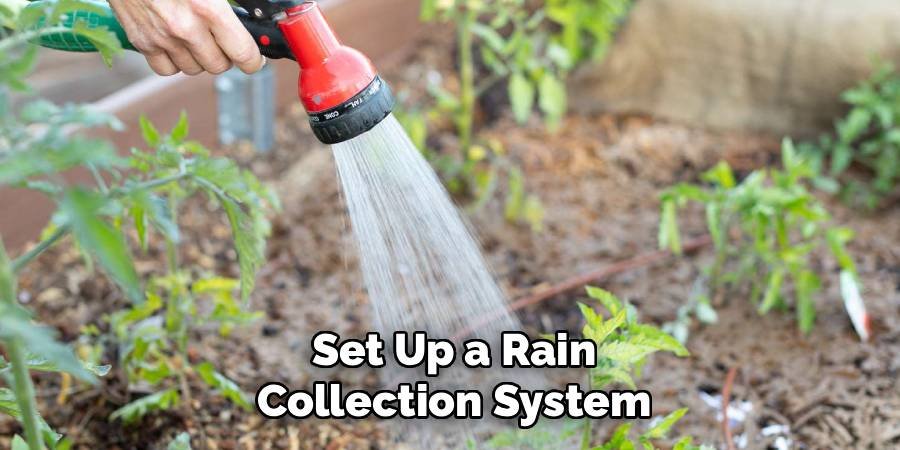
Clean containers regularly to prevent algae buildup and mosquito breeding. Cover openings with fine mesh screens while allowing water collection. During heavy rains, a single inch can fill multiple containers, providing weeks of irrigation for smaller gardens.
Step 2: Create a Drip Irrigation Network
Construct simple drip systems using plastic bottles, tubes, and small stakes. Poke tiny holes in bottle caps, fill with water, and invert near plant bases. This method delivers slow, steady moisture directly to root zones.
For larger installations, use soaker hoses or perforated tubing connected to elevated water containers. Gravity feeds water through the system, creating consistent moisture without waste. Adjust flow rates by varying hole sizes or adding flow restrictors.
Step 3: Master the Watering Can Technique
Choose appropriately sized watering cans for your garden areas. Large cans reduce refilling frequency but become heavy when full. Smaller vessels offer better maneuverability around delicate plants and tight spaces.
Water early morning or evening to minimize evaporation losses. Pour slowly at soil level, avoiding leaf surfaces that can develop fungal issues. Focus on root zones rather than broadcasting water over entire plant areas.
Step 4: Implement Mulching Strategies
Apply organic mulch around plants to retain soil moisture and reduce watering frequency. Straw, grass clippings, shredded leaves, and bark chips create barriers against evaporation while enriching soil as they decompose.
Maintain mulch layers 2-3 inches thick, keeping material away from plant stems to prevent pest issues. This technique can reduce watering needs by up to 50% while suppressing weeds that compete for moisture.
Step 5: Install Ollas or Clay Pot Systems
Bury unglazed clay pots near plants, leaving necks exposed for easy filling. These traditional irrigation vessels slowly release water through porous walls, providing consistent root-zone moisture for weeks between refills.
Space ollas according to their size and your plants’ water requirements. Small pots work well for herbs and compact vegetables, while larger vessels serve trees and spreading plants effectively.
Step 6: Build Greywater Distribution Networks
Safely redirect household greywater from sinks, showers, and washing machines to garden areas. Use biodegradable soaps and avoid water containing harsh chemicals or bleach residues.
Install simple laundry-to-landscape systems that divert washing machine water through basic filtration to irrigation zones. This approach significantly reduces fresh water consumption while recycling valuable resources.
Step 7: Employ Hand Watering with Buckets
Fill buckets from indoor sources, rain collection, or nearby water features. This method offers complete control over water placement and quantity, making it ideal for precision watering of specific plants.
Develop efficient carrying techniques using yokes or wheeled containers for larger gardens. Establish watering routes that minimize walking distances while ensuring thorough coverage of all garden areas.
Step 8: Create Wicking Systems
Set up self-watering containers using fabric strips or cotton rope to draw water from reservoirs to plant root zones. This passive system maintains consistent moisture levels without daily attention.
Construct larger wicking beds for vegetable gardens by installing perforated pipes in gravel-filled trenches. Cover with soil and plant normally. Water added to pipes distributes evenly throughout the growing area.
Step 9: Harvest Atmospheric Moisture
Install dew collection systems using tarps or specialized fabrics that condense atmospheric moisture. These work particularly well in humid climates or areas with significant temperature variations.
Position collection surfaces at angles that direct condensed water toward storage containers or directly onto garden beds. Early morning collection yields best results when temperature differentials are greatest.
Step 10: Establish Plant Prioritization Systems
Develop watering schedules based on plant water requirements and drought tolerance. Focus limited water resources on high-priority plants like vegetables and newly planted specimens first.
Group plants with similar water needs together to maximize irrigation efficiency. Drought-tolerant plants can survive with minimal water while thirsty vegetables receive priority attention during water shortages.
Avoid watering during the heat of the day, as this leads to excessive evaporation and reduced efficiency. Instead, aim to water early in the morning or late in the afternoon when temperatures are cooler and wind speeds are lower. Mulching around plants can also help retain soil moisture, reduce evaporation, and prevent weed growth, which competes with plants for water. Regularly check your irrigation systems for leaks or clogs to ensure water is being delivered effectively and without waste.
Maintaining Your Alternative Watering System
Regular maintenance ensures optimal performance from alternative watering methods. Clean containers monthly to prevent algae growth and bacterial buildup that can harm plant health.
Inspect drip systems weekly for clogs or damage. Clear blocked holes with thin wire or needles, and replace damaged components promptly. Check water levels in storage containers regularly, especially during hot weather when evaporation increases.
Seasonal adjustments keep systems functioning effectively year-round. Drain and store containers before freezing weather, and adjust watering schedules based on plant growth cycles and weather patterns.
Common Mistakes to Avoid
Overwatering represents the most frequent error with alternative methods. Many gardeners assume more water equals healthier plants, but excess moisture can damage roots and encourage pest problems.
Inconsistent watering schedules stress plants more than slightly dry conditions. Establish regular routines and stick to them, adjusting quantities based on weather and plant needs rather than skipping sessions entirely.
Neglecting water quality can harm sensitive plants. Test collected rainwater and greywater periodically, especially if plants show unusual symptoms. Some municipal water contains high chlorine levels that benefit from settling before use.
FAQ Frequently Asked Questions
How Much Water Do Vegetables Typically Need per Week?
Most vegetables require 1-2 inches of water weekly, including rainfall. Deep, infrequent watering encourages stronger root development than frequent shallow applications. Monitor soil moisture 2-3 inches deep to determine watering needs.
Which Plants Can Survive Longest Without Supplemental Watering?
Native plants, succulents, and Mediterranean herbs show greatest drought tolerance. Established shrubs and trees typically survive longer dry periods than annual flowers and vegetables. Choose appropriate species for your climate and water availability.
How Can I Tell if My Alternative Watering Method Provides Enough Moisture?
Check soil moisture by inserting your finger 2-3 inches deep near plant roots. Soil should feel slightly damp but not soggy. Wilting during cool morning hours indicates insufficient water, while yellowing leaves may suggest overwatering.
What’s the Best Time of Day for Watering Without a Hose?
Early morning provides optimal watering conditions with minimal evaporation loss and adequate time for plant uptake before heat stress. Evening watering works second-best, but avoid late watering that keeps foliage wet overnight.
How Do I Prevent Mosquito Breeding in Water Storage Containers?
Cover all openings with fine mesh screens and add mosquito dunks containing beneficial bacteria. Change stagnant water weekly, and ensure containers drain completely rather than maintaining permanent standing water levels.
Conclusion
Mastering how to water a garden without a hose transforms you into a more resourceful and environmentally conscious gardener. These methods often provide superior plant care while reducing water consumption and utility costs.
Each technique offers unique advantages depending on your garden size, local climate, and available resources. Rain collection provides free irrigation, while drip systems deliver precise moisture control. Hand watering with buckets offers maximum flexibility for targeted plant care.
Start with simple methods like watering cans or bucket systems before expanding to more complex installations. Many gardeners discover these alternatives work better than traditional hoses for their specific situations and plant requirements.
Embrace experimentation to find methods that suit your lifestyle and garden needs. Combine multiple techniques for comprehensive coverage, using efficient methods for routine maintenance and precision tools for special care requirements.
Your garden plants will thrive with consistent, appropriate moisture regardless of your watering method. These sustainable practices contribute to environmental conservation while maintaining beautiful, productive garden spaces. Your garden (and the environment!) will thank you for choosing thoughtful, resource-conscious irrigation approaches.

About Ravuk Barg
B.Sc. Horticulture Science | Certified Master Gardener
Ravuk Barg has spent more than a decade with his hands in the soil and his head full of questions about why some gardens thrive while others struggle. What started as a single raised bed of tomatoes and basil in a modest backyard has grown into a deep, working knowledge of everything from seed germination and soil amendment to companion planting and seasonal pruning.
Over the years, Ravuk has gardened through drought summers, waterlogged springs, and pest invasions that would make most gardeners hang up their trowels for good. Those hard seasons, he’ll tell you, taught him more than any perfect growing year ever could. He writes from that earned experience—covering vegetable growing, ornamental planting, houseplant care, composting, and garden design with equal confidence and curiosity.
Philosophy & Approach
Ravuk’s approach to gardening is rooted in practicality. He favors organic methods not out of dogma, but because they work long-term—resulting in healthier soil, fewer inputs, and stronger plants. He has a particular fondness for heirloom vegetable varieties (the kind with proper flavor), unruly cottage-style flower beds, and the stubborn houseplants that everyone else gave up on.
The Mission: Give readers the honest, experience-backed advice that helps them actually succeed in their gardens—not just the ideal version, but the real one; weeds, failures, and all.
Education & Credentials
-
B.Sc. in Horticulture Science
-
Greenfield Agricultural University
-
Focus: Plant Physiology, Soil Ecology, and Sustainable Crop Production
-
-
Master Gardener Certification
-
Cooperative Extension Service
-
Focus: 200+ hours of hands-on practical training and community garden work
-
Continuing Education
-
Organic Pest Management
-
Native Plant Landscaping
-
Sustainable Crop Production