

Aphids are tiny, soft-bodied insects that can wreak havoc on your beautiful gardenia bushes. These persistent pests cluster on new growth, flower buds, and the undersides of leaves, sucking plant juices and weakening your gardenias over time. Learning how to get rid of aphids on gardenias is essential for maintaining healthy, vibrant plants that produce those stunning, fragrant white blooms you love.
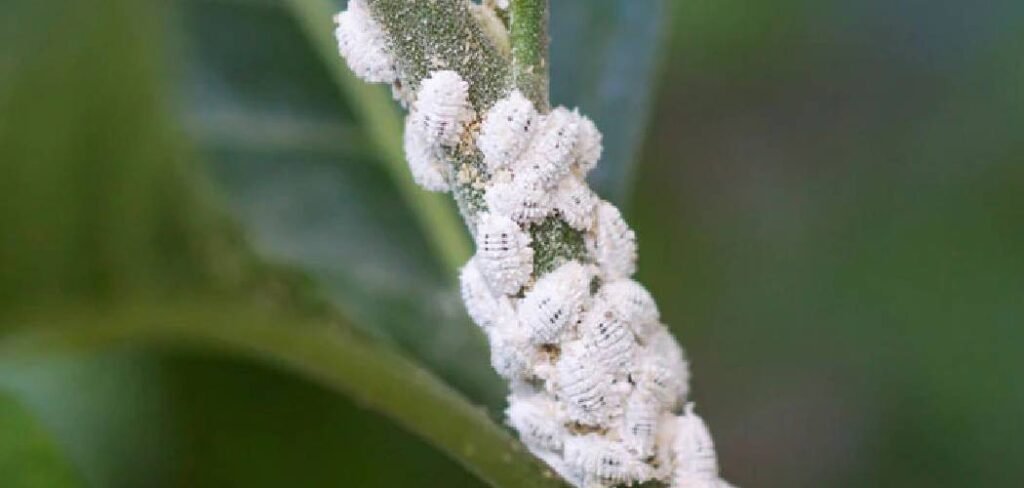
When aphids attack gardenias, they cause leaves to yellow, curl, and drop prematurely. They also secrete a sticky substance called honeydew that attracts ants and encourages sooty mold growth, further compromising your plant’s health and appearance. The good news is that with the right approach, you can eliminate these troublesome insects and restore your gardenias to their former glory.
Early detection and prompt action are key to successful aphid control. By understanding the signs of infestation and implementing effective treatment methods, you’ll protect your investment and ensure your gardenias continue to be the crown jewel of your garden landscape.
Why You Need to Act Quickly Against Aphid Infestations
Aphids reproduce at an alarming rate, with females capable of producing up to 80 offspring in just one week. This explosive population growth means a small problem can quickly become a major infestation that threatens the entire plant’s survival.
Beyond their rapid reproduction, aphids weaken gardenias by depleting essential nutrients and moisture. This stress makes plants more susceptible to diseases and other pest problems. The honeydew they excrete creates an unsanitary environment that attracts additional pests like ants, which actually protect aphids from natural predators, creating a vicious cycle.
Aesthetic damage occurs rapidly as well. Aphid-infested gardenias develop yellowing leaves, stunted growth, and reduced flowering. The sooty mold that grows on honeydew deposits gives plants an unsightly black appearance that’s difficult to remove once established.
Taking immediate action preserves your gardenia’s health, maintains its beauty, and prevents the problem from spreading to nearby plants in your garden.
8 Step-by-Step Guide: How to Get Rid of Aphids on Gardenias
Step 1: Inspect Your Gardenias Thoroughly
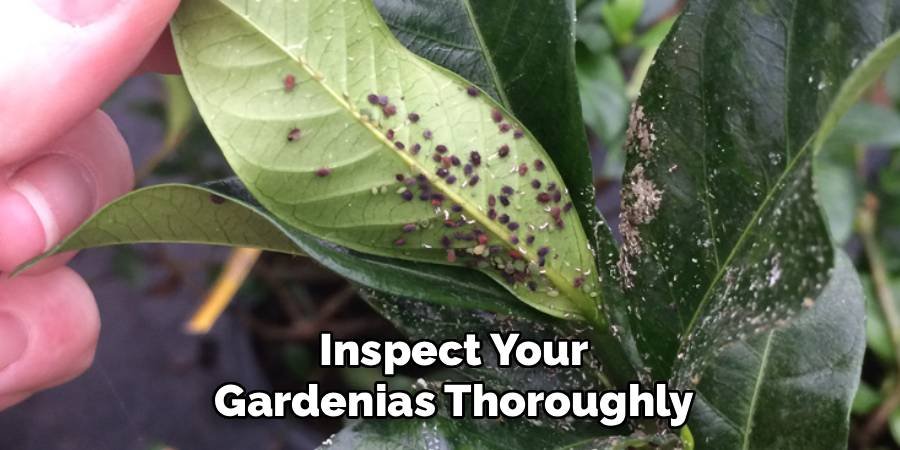
Begin your aphid elimination process by conducting a comprehensive inspection of all your gardenia plants. Check the undersides of leaves, new growth tips, flower buds, and stem joints where aphids typically congregate. Look for clusters of small, green, black, or white insects, as well as curled or yellowing leaves. Don’t forget to examine nearby plants, as aphids often spread between garden specimens. Use a magnifying glass if needed to spot early infestations before they become overwhelming problems.
Step 2: Blast Aphids Off with Water
Use your garden hose with a strong spray nozzle to physically remove aphids from infected gardenia branches. Direct the water stream at affected areas, paying special attention to leaf undersides and growing tips. This natural pest control method works best for light to moderate infestations and won’t harm beneficial insects in your garden. Repeat this process daily for several days to catch any aphids you missed initially. The force of the water disrupts their feeding and makes it difficult for them to reestablish on the plant.
Step 3: Apply Insecticidal Soap Solution
Mix a commercial insecticidal soap according to package directions, or create your own by combining two tablespoons of mild liquid soap with one quart of water. Spray this solution thoroughly on all affected plant surfaces, ensuring complete coverage of both leaf tops and undersides. Insecticidal soap works by disrupting the aphid’s cell membranes, causing dehydration and death. Apply during cooler parts of the day to prevent leaf burn, and avoid spraying during windy conditions that might drift the solution onto unintended plants.
Step 4: Introduce Beneficial Insects
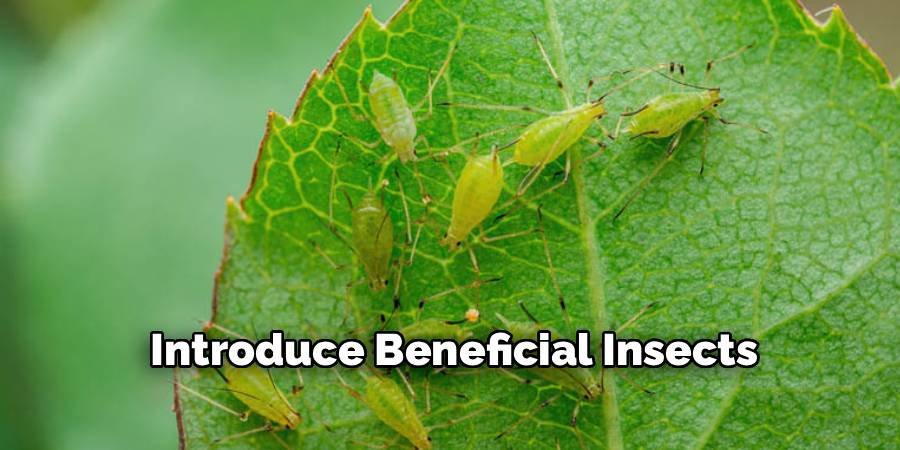
Release ladybugs, lacewings, or parasitic wasps near your infected gardenias to establish natural biological control. These beneficial predators feed on aphids and their eggs, providing long-term pest management without chemical intervention. Purchase beneficial insects from reputable garden centers or online suppliers, and release them in the evening when they’re less likely to fly away immediately. Create habitat for these helpers by planting diverse flowering plants nearby that provide nectar and pollen when aphids aren’t available.
Step 5: Use Neem Oil Treatment
Apply neem oil spray to infected gardenias as directed on the product label, typically every 7-14 days until the infestation is controlled. Neem oil disrupts aphid feeding, reproduction, and development while being relatively safe for beneficial insects when used properly. This organic treatment also provides some systemic protection as the plant absorbs the oil. Always test on a small area first to ensure your specific gardenia variety doesn’t show sensitivity, and never apply during the hottest part of the day.
Step 6: Remove Heavily Infested Plant Parts
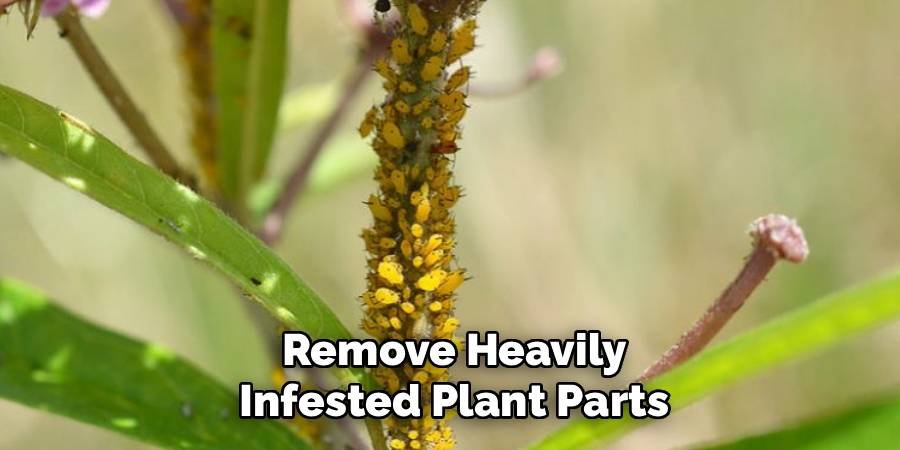
Carefully prune and dispose of severely damaged branches, leaves, or flower buds that harbor large aphid populations. Use clean, sharp pruning shears to make precise cuts just above healthy growth nodes. Place all removed plant material in sealed bags for disposal rather than composting, as aphids can survive and spread from compost piles. This cultural control method immediately reduces the pest population while improving air circulation around remaining healthy growth, making conditions less favorable for future infestations.
Step 7: Apply Diatomaceous Earth
Dust food-grade diatomaceous earth around the base of your gardenias and lightly on affected foliage during dry weather conditions. This natural powder damages aphid exoskeletons, leading to dehydration and death within days of contact. Reapply after rain or watering, as moisture reduces its effectiveness. Wear a dust mask during application to avoid inhaling particles, and choose calm days to prevent drift. This method works best as part of an integrated approach rather than a standalone treatment.
Step 8: Set Up Yellow Sticky Traps
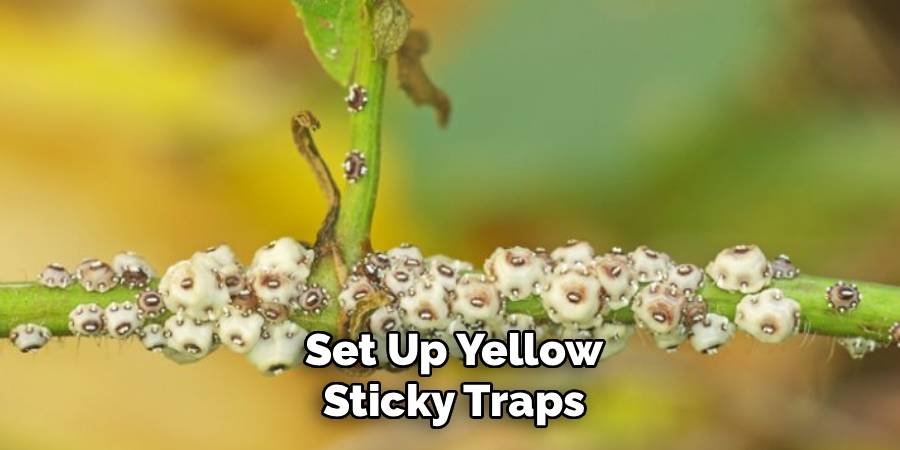
Place bright yellow sticky cards near infected gardenias to capture flying aphids and monitor infestation levels. Position traps at plant height, about 6-12 inches from the foliage, and replace them weekly or when completely covered with insects. These traps help reduce adult aphid populations and provide valuable information about pest pressure in your garden. While not a complete solution, sticky traps complement other control methods and help prevent reinfestation from winged aphids migrating from other areas.
Maintaining Your Aphid-Free Gardenias
Success in aphid control extends beyond initial treatment to ongoing preventive care. Maintain proper gardenia nutrition with balanced fertilizers to promote strong, resilient growth that can better withstand pest pressure. Avoid excessive nitrogen fertilization, which creates tender new growth that attracts aphids.
Encourage natural predators by planting diverse flowering plants nearby. Cosmos, yarrow, and sweet alyssum provide nectar sources for beneficial insects while adding beauty to your landscape design. Avoid broad-spectrum pesticides that eliminate helpful predators along with harmful pests.
Water gardenias properly at soil level rather than overhead watering, which can create humid conditions favorable to aphids and fungal diseases. Mulch around plants to retain moisture and suppress weeds that might harbor aphids during off-seasons.
Regular pruning improves air circulation and removes potential aphid hiding spots. Make clean cuts during dry weather to prevent disease transmission, and always sanitize tools between plants.
Common Mistakes to Avoid
Many gardeners make the error of waiting too long before addressing aphid problems, allowing small populations to explode into major infestations. Weekly inspections during growing season help catch issues early when they’re easier to control.
Overuse of chemical insecticides creates resistance problems and eliminates beneficial insects that provide natural pest control. Always try gentler methods first, progressing to stronger treatments only when necessary.
Another frequent mistake is treating only visible aphid clusters while ignoring hidden populations on leaf undersides and growing tips. Thorough coverage is essential for effective control, requiring careful attention to all plant surfaces.
Neglecting garden hygiene allows aphids to overwinter and reinfest plants the following season. Consistent cleanup and proper disposal of infected plant material breaks the pest cycle and reduces future problems.
FAQ
What Time of Year Are Aphids Most Problematic on Gardenias?
Aphids typically peak during spring and early summer when gardenias produce tender new growth and flower buds that provide ideal feeding sites.
Can I Use Dish Soap Instead of Insecticidal Soap?
Regular dish soap may damage plants due to harsh detergents and degreasing agents, so commercial insecticidal soaps are safer and more effective options.
How Quickly Should I Expect to See Results From Treatment?
Most aphids die within 24-48 hours of proper treatment application, though complete population control may require multiple treatments over several weeks.
Will Aphid Treatments Harm My Gardenia Flowers?
When applied correctly during cooler parts of the day, most organic treatments won’t damage flowers, though always test small areas first.
Do Ants Really Protect Aphids From Natural Predators?
Yes, ants farm aphids for their honeydew secretions and will aggressively defend them from ladybugs and other beneficial insects, complicating control efforts.
Conclusion
Successfully learning how to get rid of aphids on gardenias requires patience, persistence, and the right combination of treatment methods. The ten-step approach outlined above provides multiple tools to combat these persistent pests while protecting your garden’s beneficial insects and maintaining plant health.
Remember that effective aphid control is an ongoing process rather than a one-time treatment. Regular monitoring, proper garden hygiene, and encouraging natural predators create an environment where your gardenias can thrive without constant pest pressure.
The effort you invest in proper aphid management pays dividends through healthier plants, more abundant blooms, and reduced need for intensive treatments in future seasons. Your gardenias will reward your diligent care with stunning displays of fragrant white flowers that make your garden the envy of the neighborhood.
Don’t let aphids rob you of the joy that healthy gardenias bring to your outdoor space. Start implementing these proven strategies today, and enjoy watching your plants return to their full glory. With consistent application of these methods, you’ll develop the confidence and skills needed to maintain beautiful, pest-free gardenias for years to come.

About Ravuk Barg
B.Sc. Horticulture Science | Certified Master Gardener
Ravuk Barg has spent more than a decade with his hands in the soil and his head full of questions about why some gardens thrive while others struggle. What started as a single raised bed of tomatoes and basil in a modest backyard has grown into a deep, working knowledge of everything from seed germination and soil amendment to companion planting and seasonal pruning.
Over the years, Ravuk has gardened through drought summers, waterlogged springs, and pest invasions that would make most gardeners hang up their trowels for good. Those hard seasons, he’ll tell you, taught him more than any perfect growing year ever could. He writes from that earned experience—covering vegetable growing, ornamental planting, houseplant care, composting, and garden design with equal confidence and curiosity.
Philosophy & Approach
Ravuk’s approach to gardening is rooted in practicality. He favors organic methods not out of dogma, but because they work long-term—resulting in healthier soil, fewer inputs, and stronger plants. He has a particular fondness for heirloom vegetable varieties (the kind with proper flavor), unruly cottage-style flower beds, and the stubborn houseplants that everyone else gave up on.
The Mission: Give readers the honest, experience-backed advice that helps them actually succeed in their gardens—not just the ideal version, but the real one; weeds, failures, and all.
Education & Credentials
-
B.Sc. in Horticulture Science
-
Greenfield Agricultural University
-
Focus: Plant Physiology, Soil Ecology, and Sustainable Crop Production
-
-
Master Gardener Certification
-
Cooperative Extension Service
-
Focus: 200+ hours of hands-on practical training and community garden work
-
Continuing Education
-
Organic Pest Management
-
Native Plant Landscaping
-
Sustainable Crop Production