

Discovering unwanted pests in your garden can be disheartening, especially when you’ve invested time and effort into cultivating your plants. Blister beetles are one such pest that can cause significant damage to vegetables, flowers, and forage crops. These insects are known for feeding on plant leaves and blossoms, and they can also release a toxic substance called cantharidin, which causes blisters on human skin upon contact.
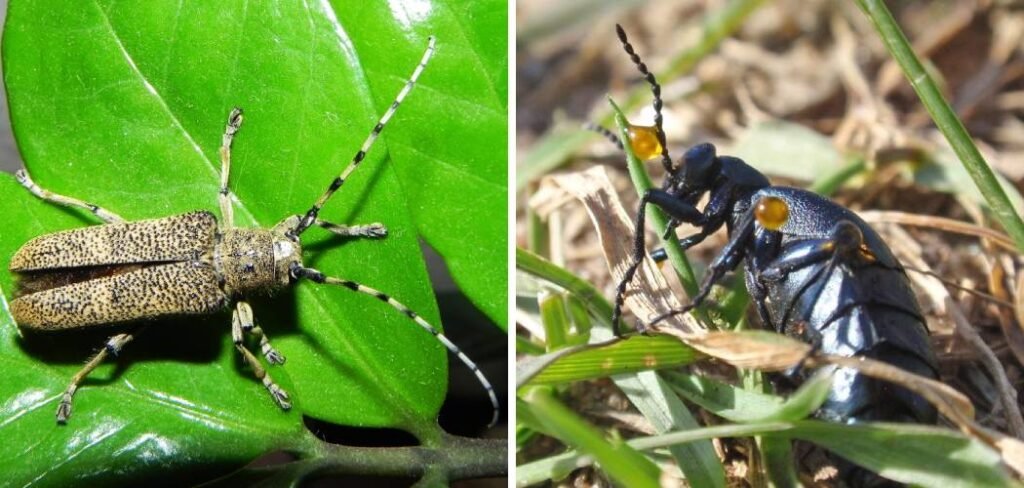
Learning how to get rid of blister beetles in garden spaces is essential for protecting your plants and ensuring a safe environment for you and your family. This guide will provide you with practical and effective methods to manage these pests, helping you restore balance to your garden without resorting to harsh chemicals immediately.
Why You Need to Act Quickly
Addressing a blister beetle infestation promptly is crucial for several reasons. These pests often appear in large groups, or swarms, and can defoliate plants rapidly. They have a particular appetite for crops like tomatoes, potatoes, alfalfa, and beans, as well as flowers such as zinnias and asters. Beyond the agricultural damage, the primary concern is the blistering agent they produce, cantharidin. Accidental contact with a crushed beetle can lead to painful skin irritations. Furthermore, if infested plants are used for animal feed, particularly for horses, it can be fatal. Swift and careful removal protects your harvest, your skin, and the well-being of any nearby animals.
10 Step-by-Step Guide: how to get rid of blister beetles in garden
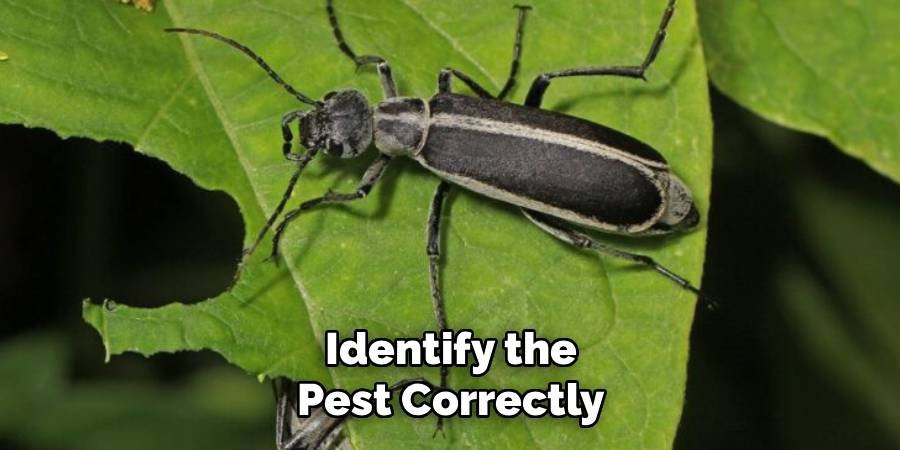
Step 1: Identify the Pest Correctly
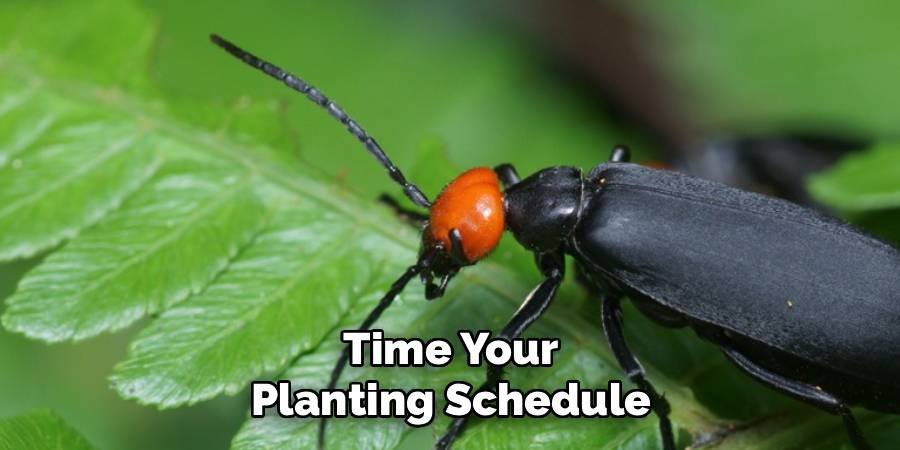
Before taking action, confirm you are dealing with blister beetles. These insects have long, narrow bodies, typically between 1/2 to 1 inch long. Their heads are wider than their necks, giving them a distinct “neck-like” appearance. Colors vary by species and can be black, gray, or striped. You’ll usually find them feeding in groups on the foliage of your plants during sunny days. Accurate identification is the first step in effective garden pest control, as it ensures you apply the right methods without harming beneficial insects. Observe their behavior and appearance carefully before proceeding with any removal techniques.
Step 2: Wear Protective Gear
Your safety is paramount. Because blister beetles release a caustic fluid that causes skin blisters, you must never handle them with bare hands. Always wear thick gardening gloves, a long-sleeved shirt, and pants to cover your skin completely before you begin any removal efforts. This protective barrier is your best defense against accidental contact. If you happen to touch a beetle, wash the affected area immediately with soap and water and avoid touching your eyes. This simple precaution prevents a painful lesson in pest management.
Step 3: Hand-Pick Beetles Carefully
For small infestations, hand-picking is a direct and effective natural remedy. With your protective gear on, prepare a bucket of soapy water. Early in the morning, when the beetles are less active and sluggish, approach the infested plants. Gently shake the leaves or branches over your bucket. The beetles will drop into the soapy water, which will neutralize them quickly. This method provides immediate results and avoids the use of chemical insecticides, protecting the delicate ecosystem of your garden and keeping your organic pest control efforts on track.
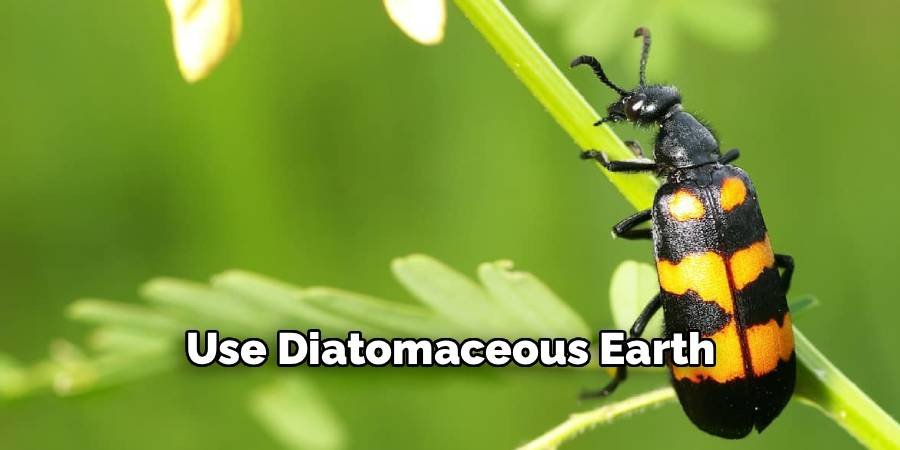
Step 4: Use Diatomaceous Earth
Diatomaceous earth (DE) is a powerful natural insecticide that is safe for gardens. It consists of the fossilized remains of tiny aquatic organisms. The fine powder has microscopic sharp edges that penetrate the exoskeletons of insects like blister beetles, causing them to dehydrate and perish. Apply food-grade DE around the base of affected plants and lightly dust the foliage. It is most effective when dry, so you will need to reapply it after rain or watering. This is an excellent non-toxic insect control strategy for managing various garden pests.
Step 5: Introduce Natural Predators
Encouraging beneficial insects and birds can help manage blister beetle populations naturally. Birds, especially guinea fowl and chickens, are known to eat blister beetles without being affected by the cantharidin. Creating a welcoming environment for them can provide long-term pest management. Additionally, predatory insects like praying mantises and certain species of wasps can help control beetle larvae and adults. Planting a diverse range of flowers and herbs will attract these helpful predators, establishing a balanced ecosystem where pest populations are kept in check without your constant intervention.
Step 6: Set Up Trap Crops
A trap crop is a plant that you intentionally grow to attract pests away from your main crops. For blister beetles, planting something they love, like zinnias or calendula, at the perimeter of your garden can lure them away from your valuable vegetables. Once the beetles congregate on the trap crop, you can manage them more easily by hand-picking them into soapy water or applying a targeted insecticide just to that area. This strategic approach minimizes damage to your primary plants and contains the infestation, making insect control more manageable.
Step 7: Apply Insecticidal Soap or Neem Oil
For a more active approach that is still organic, consider using insecticidal soap or neem oil. These products work by smothering the insects or disrupting their hormonal systems, and they are generally safe for plants and beneficial insects when used correctly. Spray the solutions directly onto the blister beetles, ensuring complete coverage. It is best to apply these treatments in the early morning or late evening to avoid scorching plant leaves in the sun. Always follow the product instructions carefully for proper dilution and application frequency for effective pest control.
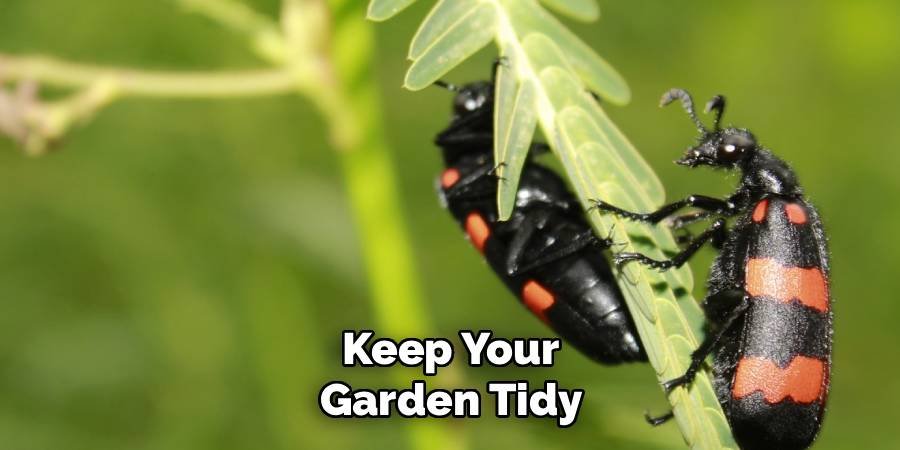
Step 8: Keep Your Garden Tidy
Good garden hygiene is a fundamental part of integrated pest management. Blister beetle larvae often develop in the soil and feed on grasshopper eggs. By keeping your garden and the surrounding areas free of weeds and tall grass, you reduce the habitat available for grasshoppers to lay their eggs. This, in turn, limits the food source for the next generation of blister beetle larvae. Regularly tilling the soil in the fall can also expose and destroy overwintering larvae and pupae, disrupting their life cycle and reducing future infestations.
Step 9: Use Row Covers
Physical barriers are a simple and effective way to protect vulnerable plants, especially young seedlings. Floating row covers are lightweight fabrics that allow sunlight, air, and water to pass through but prevent pests like blister beetles from reaching your plants. Drape the covers over your crops and secure the edges firmly to the ground with soil, rocks, or pins. This preventative measure is particularly useful for susceptible plants like tomatoes and potatoes early in the season, giving them a chance to establish themselves before pest pressures become high.
Step 10: Time Your Planting Schedule
Strategic planting can help you avoid the peak season for blister beetles. These pests are typically most active during mid to late summer. By planting susceptible crops earlier or later in the season, you can ensure they are not at their most vulnerable stage when beetle populations are at their highest. Research the specific types of blister beetles common in your region to understand their life cycle better. Adjusting your planting schedule is a proactive, non-chemical way to minimize potential damage and is a key component of a successful garden pest management plan.
Maintaining Your Garden Health
Long-term prevention is the best strategy. Continue to monitor your plants regularly, even after an infestation is gone. Maintain a tidy garden by removing weeds and debris that can harbor pests. Encourage a healthy population of beneficial insects by planting a variety of flowering plants. A healthy, diverse garden is more resilient to pest outbreaks. Consistent care and observation will help you spot potential problems early, making them much easier to manage and ensuring your garden remains a thriving, productive space.
Common Mistakes to Avoid
When dealing with blister beetles, gardeners sometimes make critical errors. The most dangerous mistake is handling them without gloves, which can result in painful skin blisters. Another common error is using broad-spectrum chemical pesticides indiscriminately. These can harm beneficial insects, disrupt your garden’s ecosystem, and may not be effective if applied at the wrong time. Also, avoid squashing the beetles directly on your plants, as this releases the cantharidin toxin right where you don’t want it. Being mindful of these potential missteps will lead to safer and more effective pest control.
FAQ Frequently Asked Questions
What Is the Fastest Way to Get Rid of Blister Beetles?
The fastest method for small infestations is hand-picking them into a bucket of soapy water. Wear protective gloves and long sleeves for this task.
Are Blister Beetles Harmful to Humans?
Yes, they release a substance called cantharidin that can cause painful blisters on the skin. Never handle them with your bare hands.
What Plants Do Blister Beetles Hate?
Blister beetles tend to avoid aromatic herbs like lavender and rosemary. They also dislike plants from the nightshade family that are not tomatoes or potatoes.
Do Blister Beetles Come Back Every Year?
They can return if conditions are favorable. Tilling the garden in the fall can disrupt their life cycle by exposing overwintering larvae to the elements.
Can You Spray for Blister Beetles?
Yes, you can use organic options like insecticidal soap or neem oil. Apply these directly to the beetles, preferably in the morning or evening.
Conclusion
Mastering how to get rid of blister beetles in garden spaces is a manageable task that empowers you to protect your plants and enjoy your harvest. By combining preventative measures like good garden hygiene with active removal techniques such as hand-picking and using natural remedies, you can effectively control these pests. The key is to act quickly, prioritize safety by wearing protective gear, and choose methods that support the overall health of your garden’s ecosystem. A vigilant and informed approach will help you overcome this challenge and continue to cultivate a beautiful, thriving garden. Your dedication will pay off in healthy plants and a safe, productive outdoor space for everyone to enjoy.

About Ravuk Barg
B.Sc. Horticulture Science | Certified Master Gardener
Ravuk Barg has spent more than a decade with his hands in the soil and his head full of questions about why some gardens thrive while others struggle. What started as a single raised bed of tomatoes and basil in a modest backyard has grown into a deep, working knowledge of everything from seed germination and soil amendment to companion planting and seasonal pruning.
Over the years, Ravuk has gardened through drought summers, waterlogged springs, and pest invasions that would make most gardeners hang up their trowels for good. Those hard seasons, he’ll tell you, taught him more than any perfect growing year ever could. He writes from that earned experience—covering vegetable growing, ornamental planting, houseplant care, composting, and garden design with equal confidence and curiosity.
Philosophy & Approach
Ravuk’s approach to gardening is rooted in practicality. He favors organic methods not out of dogma, but because they work long-term—resulting in healthier soil, fewer inputs, and stronger plants. He has a particular fondness for heirloom vegetable varieties (the kind with proper flavor), unruly cottage-style flower beds, and the stubborn houseplants that everyone else gave up on.
The Mission: Give readers the honest, experience-backed advice that helps them actually succeed in their gardens—not just the ideal version, but the real one; weeds, failures, and all.
Education & Credentials
-
B.Sc. in Horticulture Science
-
Greenfield Agricultural University
-
Focus: Plant Physiology, Soil Ecology, and Sustainable Crop Production
-
-
Master Gardener Certification
-
Cooperative Extension Service
-
Focus: 200+ hours of hands-on practical training and community garden work
-
Continuing Education
-
Organic Pest Management
-
Native Plant Landscaping
-
Sustainable Crop Production