

Learn how to level a raised garden bed with easy steps. Fix uneven garden beds, improve plant growth, and create perfect growing conditions for your vegetables and flowers. Building a raised garden bed is exciting, but sometimes it’s not level. Uneven garden beds can cause water to pool in one spot or drain too quickly.
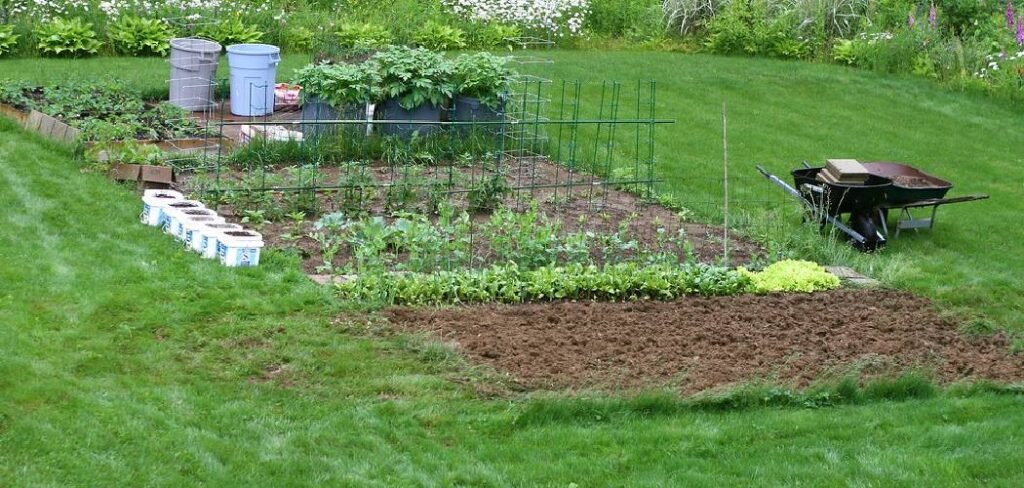
This makes it difficult for plants to grow well. Learning how to level raised garden beds will help your plants get the right amount of water and nutrients. A flat-raised garden bed looks better in your yard. When your garden bed is flat and level, it is easier to plant seeds and care for your plants. If your raised bed isn’t perfect right away, don’t worry. With the right tools and steps, you can easily fix it.
Why Your Raised Garden Bed Needs to Be Level
When raised garden beds are not level, several problems can occur. Water is not distributed evenly throughout the soil. Some plants get too much water, and some don’t get enough. This uneven watering can cause your plants to die or stunt their growth. Sloping or uneven garden beds make moving around and working in your garden difficult. Seeds can roll around on the bottom of the bed. This means your plants won’t be spaced out as you planned. Flat garden beds help spread fertilizer and compost evenly. When you add nutrients to flat soil, each plant gets the same amount. This allows all of your plants to grow strong and healthy.
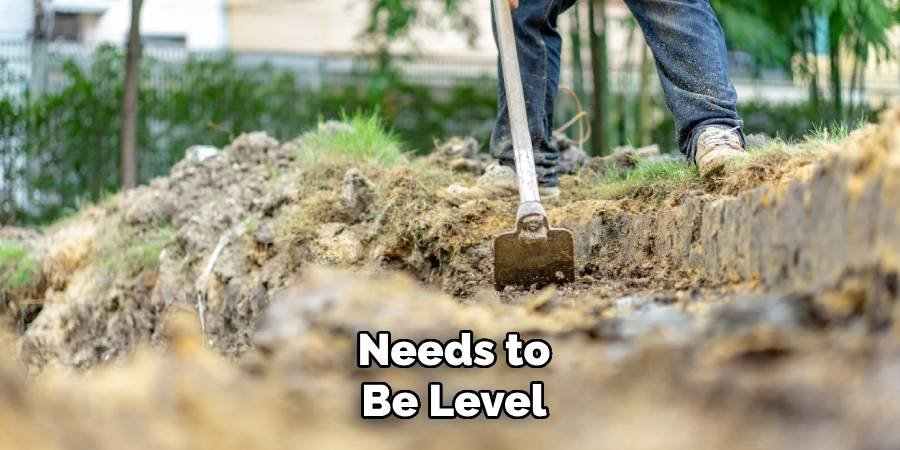
Tools You Need to Level a Raised Garden Bed
Before you start, gather these simple tools:
A long, flat, or straight board will help you see which areas are high or low. A rake is perfect for moving soil. You’ll need a shovel to add or remove dirt from different areas. Have extra garden soil or compost ready. Sometimes, you need to add more soil to low spots. A garden hose with a spray nozzle helps you moisten the soil as you work. Be sure to wear work gloves to protect your hands. If your garden bed is large, a wheelbarrow makes it easier to move the soil.
7 Step-by-Step Guide on How to Level a Raised Garden Bed
Step 1: Check the Current Level
Start by looking at your raised garden bed from different angles. Walk around it and see where the soil looks, high or low. Place your flat or straight boards in different parts of the bed.
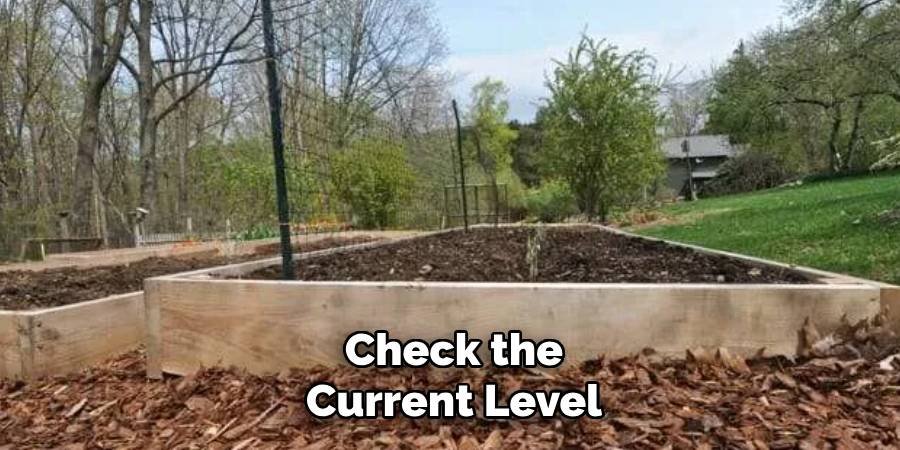
Place one end of the level as if it were the highest point. Place the other end on the ground. If a large gap is under the level, that area is lower and needs more soil. Mark low spots with small sticks or rocks. This will help you remember where to add soil later. Take your time doing this step, as it will help you plan the rest of the work.
Step 2: Remove Plants and Debris
If you have plants growing in the bed, carefully dig them up. Please put them in pots with water so they stay alive while you work. Pull out any weeds, rocks, or old plant parts. Remove any mulch or leaves that are on top of the soil. You want to see the bare dirt underneath. This makes it easier to see the actual shape of your garden bed. Store good compost or mulch in a pile. You can top it off after leveling the soil.
Step 3: Add Soil to Low Areas
Start filling in the lowest areas first. Add small amounts of garden soil or compost at a time. Don’t dump a whole shovelful in one spot. Spread the new soil around with your rake. Level the area around it. Add water to help the new soil settle, but don’t make it clayey. Check your level as you add soil. Adding soil a little at a time is easier than removing too much later.
Step 4: Remove Soil from High Spots
If some areas are too high, you may need to remove some soil. Use your shovel to scrape away excess dirt from the high areas. Place this extra soil in your vegetable garden or on a tarp. You may or may not use it to fill in the soil space under your garden beds. Work slowly and check your progress frequently using a level. Remove a little soil at a time so the area doesn’t become too low.
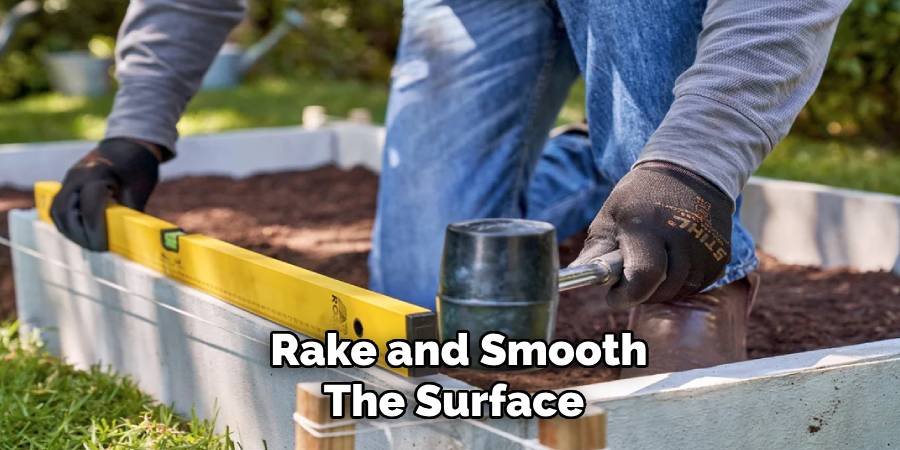
Step 5: Rake and Smooth the Surface
After adding and removing soil as needed, smooth the entire bed. Use long, even strokes with your rake to spread the soil evenly. Break up any clumps of dirt. The surface should feel smooth to the touch. Small clumps are fine, but avoid large clumps or holes. Work from one end of the bed to the other. This will help you keep track of which areas you have already smoothed.
Step 6: Check the Level Again
Place your level or straightedge on the bed in different directions. Check from left to right, front to back, and corner to corner. If you find any areas that are still uneven, add or remove small amounts of soil. Keep checking until the level shows that the bed is level in all directions. Don’t worry if it’s not perfectly flat. A slight slope is fine if there’s no water pooling in one spot.
Step 7: Water and Let It Settle
Lightly water the entire bed with your garden hose. Use a gentle spray to avoid washing away the soil. The water helps the soil settle into place. Leave the bed for a day or two. The soil may sink a little as it settles. This is normal, especially if you have added new soil. Once the soil has settled, you may need to add more soil to the low spots. This is the final touch to make your bed completely level.
Common Mistakes to Avoid
Many people try to level their garden beds when the soil is too wet. Wet soil is heavy and difficult to move. It compacts easily, which is bad for plant roots. Wait for a dry day when the soil will feel slightly damp but not muddy. Don’t add too much soil at once. Large piles of new soil don’t settle evenly. They can create air pockets that can cause the soil to sink later. Add soil in thin layers and gently mix it into the existing dirt. Another mistake is not checking the level enough. Check your progress every few minutes while you work. This helps you catch problems early before they get worse.
Tips for Keeping Your Raised Bed Level
Once you’ve leveled your raised garden bed, there are ways to keep it that way. Add compost or new soil each season to replace soil washed away by rain. When you water your plants, use a gentle spray rather than a strong stream of water. Hard water can wash away soil from high to low places over time. Walk around your garden bed instead of stepping on it. Heavy foot traffic can cause holes in the soil and create uneven spots.
Best Soil for Level Garden Beds
Good garden soil helps keep your beds level for longer. Regularly mix compost into your garden soil to create the best-growing medium. Compost helps hold the soil together and drains well at the same time. Avoid using only sand or clay in your raised beds. Sand drains too quickly and can move around. Clay holds too much water and can become hard and uneven when it dries.
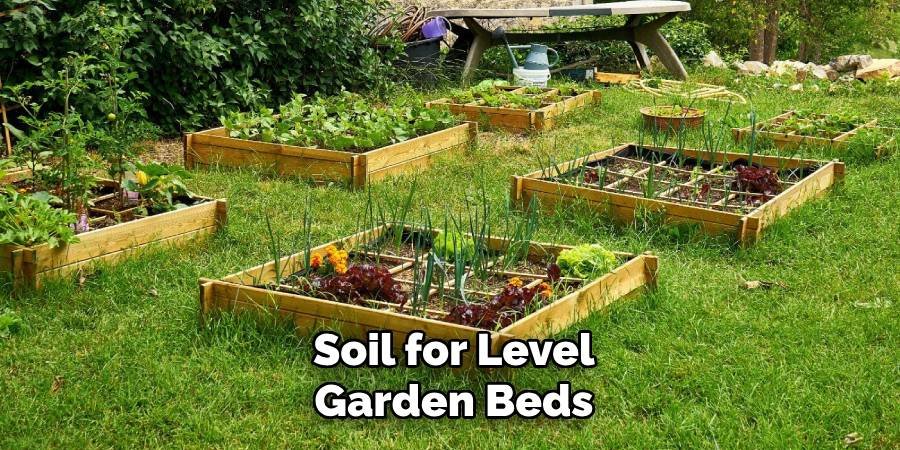
A good mix contains equal parts garden soil, compost, and a little sand or perlite for drainage. This mixture stays even and provides the plants with the nutrients they need.
When to Re-Level Your Garden Bed
Most raised garden beds need to be re-leveled once or twice a year. Check your beds at the beginning of the growing season in spring and fall. Heavy rain, strong winds, and natural settlement can cause your bed to become uneven over time. If you notice water pooling in one spot after a rainstorm, it’s time to level the bed again. Plants that grow unevenly or lean to one side can also indicate that your bed is no longer level. Regular maintenance keeps your garden healthy and productive.
Conclusion
Learning to level raised garden beds is an important skill for every gardener. A level bed helps your plants grow better by evenly providing them with water and nutrients. The step-by-step process is simple: check the current level, remove vegetation and debris, add soil to low spots, remove soil from high places, smooth out, and check again. Be sure to work slowly and check your progress often.
Use the right tools and avoid working with wet soil. You can create a perfectly raised garden bed with patience and effort to help your plants thrive. Take care of your flat garden bed by adding compost regularly and watering it gently. Check the level at the beginning of each growing season and make small adjustments. A well-maintained, evenly raised garden bed will give you successful gardening and beautiful crops year after year.

About Ravuk Barg
B.Sc. Horticulture Science | Certified Master Gardener
Ravuk Barg has spent more than a decade with his hands in the soil and his head full of questions about why some gardens thrive while others struggle. What started as a single raised bed of tomatoes and basil in a modest backyard has grown into a deep, working knowledge of everything from seed germination and soil amendment to companion planting and seasonal pruning.
Over the years, Ravuk has gardened through drought summers, waterlogged springs, and pest invasions that would make most gardeners hang up their trowels for good. Those hard seasons, he’ll tell you, taught him more than any perfect growing year ever could. He writes from that earned experience—covering vegetable growing, ornamental planting, houseplant care, composting, and garden design with equal confidence and curiosity.
Philosophy & Approach
Ravuk’s approach to gardening is rooted in practicality. He favors organic methods not out of dogma, but because they work long-term—resulting in healthier soil, fewer inputs, and stronger plants. He has a particular fondness for heirloom vegetable varieties (the kind with proper flavor), unruly cottage-style flower beds, and the stubborn houseplants that everyone else gave up on.
The Mission: Give readers the honest, experience-backed advice that helps them actually succeed in their gardens—not just the ideal version, but the real one; weeds, failures, and all.
Education & Credentials
-
B.Sc. in Horticulture Science
-
Greenfield Agricultural University
-
Focus: Plant Physiology, Soil Ecology, and Sustainable Crop Production
-
-
Master Gardener Certification
-
Cooperative Extension Service
-
Focus: 200+ hours of hands-on practical training and community garden work
-
Continuing Education
-
Organic Pest Management
-
Native Plant Landscaping
-
Sustainable Crop Production