

Creating the perfect growing environment in your greenhouse requires careful attention to moisture levels. Understanding how to add humidity to a greenhouse can make the difference between thriving plants and struggling crops. Most greenhouse gardeners focus on temperature control but overlook humidity’s crucial role. Your plants need adequate moisture in the air to thrive, just like they would in their natural habitat.
Without proper humidity, plants struggle with water uptake, become stressed, and produce poor yields. Too little moisture causes wilting, brown leaf edges, and stunted growth. Too much creates fungal problems and root rot.

The ideal humidity range for most greenhouse plants falls between 50-70%. This sweet spot promotes healthy transpiration, nutrient absorption, and robust plant development. Different plants have varying humidity needs. Tropical plants like orchids and ferns prefer higher levels around 70-80%. Vegetables like tomatoes and peppers thrive in moderate ranges of 60-70%. Cacti and succulents need lower humidity around 40-50%.
Seasonal changes affect your greenhouse humidity naturally. Summer brings higher outdoor humidity that infiltrates your structure. Winter’s dry air and heating systems reduce moisture levels significantly. Your greenhouse design impacts humidity retention. Sealed structures hold moisture better but risk stagnation. Ventilated greenhouses lose humidity quickly but maintain air circulation.
Why You Need to Control Greenhouse Humidity
Plants lose water through their leaves in a process called transpiration. This natural cooling mechanism requires adequate air moisture to function properly.
Low humidity forces plants to work harder to absorb water through their roots. This stress response slows growth, reduces flowering, and weakens disease resistance.
Proper moisture levels help plants maintain turgor pressure. This internal water pressure keeps leaves firm, stems strong, and flowers vibrant.
Humidity affects how nutrients move through plant tissues. Adequate moisture ensures efficient transportation of minerals from roots to leaves.
Many beneficial insects and biological pest controls thrive in specific humidity ranges. Maintaining proper levels supports your integrated pest management strategy.
8 Step-by-Step Guide: How to Add Humidity to a Greenhouse
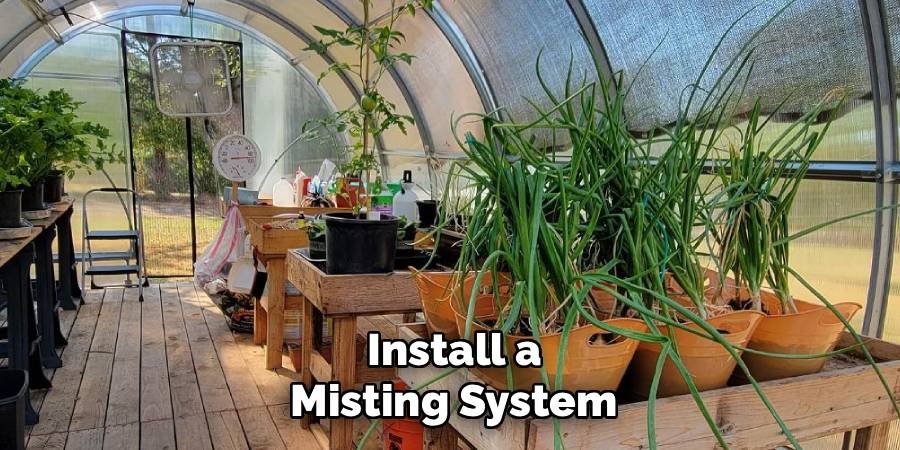
Step 1: Install a Misting System
A misting system is an effective way to add humidity to your greenhouse. These systems work by releasing fine water droplets into the air, increasing moisture levels evenly throughout the space. Choose a system that suits the size of your greenhouse, ensuring it provides adequate coverage without over-saturating plants. Make sure to connect the system to a reliable water source and set a timer to control when and how often misting occurs. This not only maintains consistent humidity but also prevents moisture buildup that could lead to fungal growth.
Step 2: Use Wet Sand Beds
Wet sand beds are an effective method to maintain consistent humidity levels, particularly in enclosed or semi-enclosed spaces. These beds consist of trays filled with damp sand, which release moisture gradually into the air through evaporation. To set up wet sand beds, use shallow, waterproof containers and evenly spread a layer of fine sand across the bottom. Add water until the sand is saturated but not submerged. Place the trays strategically around your growing area to ensure even humidity distribution. Regularly check the water levels and refill as needed to keep the sand moist. This low-maintenance solution complements misting systems by providing a constant baseline of humidity.
Step 3: Create Water Features
Integrating water features into your greenhouse setup can significantly enhance humidity levels while offering additional temperature regulation. Small fountains, shallow trays of water, or misting systems can be effective ways to add moisture to the air. Position water features strategically to maximize coverage without overwhelming plants, ensuring airflow prevents stagnant conditions. Using clean, filtered water is essential to avoid buildup of algae or mineral deposits. Regular maintenance of water features is crucial to keep them functioning properly and to prevent issues such as pests or bacterial growth. Water features not only contribute to a balanced greenhouse environment but also create a calming and serene atmosphere for working and growing.
Step 4: Hang Wet Towels or Fabric
Hanging wet towels or fabric inside the greenhouse is a simple and effective way to increase humidity levels. When the water in the fabric evaporates, it adds moisture to the air, creating a more favorable environment for plants. Choose absorbent materials such as cotton or microfiber for optimal results. Ensure the towels are hung near plants or in areas with good air circulation to distribute the humidity evenly. Re-wet the towels as necessary to maintain consistent moisture, especially during dry or hot conditions. This method is both cost-effective and easy to implement, making it a practical choice for greenhouse humidity control.
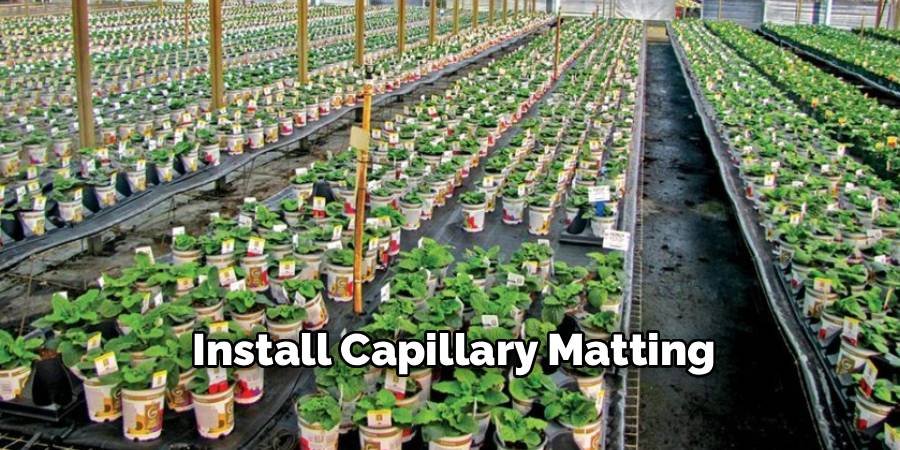
Step 5: Install Capillary Matting
Capillary matting is an efficient way to provide consistent moisture to plants, especially for smaller pots or seed trays. To install, place the matting on a flat, waterproof surface, such as a tray or table, ensuring it’s slightly larger than the area covered by the plants. Saturate the matting with distilled or rainwater, allowing it to soak evenly before placing the plants on top. Ensure the matting remains in contact with the pot bases to facilitate proper water transfer. Replenish the water in the matting regularly, and clean it periodically to prevent algae buildup or clogged fibers, which can reduce efficiency. This method works best in environments with good airflow and moderate humidity levels.
Step 6: Use Humidity Trays
Humidity trays are an excellent way to maintain consistent moisture levels for plants, especially in dry environments or during low-humidity periods. To use a humidity tray, fill a shallow container with water and add a layer of pebbles. Place plant pots on top of the pebbles, ensuring the bottoms of the pots do not touch the water directly. This setup allows water to evaporate gradually, increasing the humidity around the plants. Regularly refill the trays with clean water and clean the pebbles periodically to prevent the buildup of algae or bacteria. Humidity trays are a simple, effective solution to support healthy plant growth.
Step 7: Wet the Greenhouse Floor
Wetting the greenhouse floor is another effective method for raising humidity levels, especially in enclosed environments. Simply use a hose or watering can to lightly moisten the floor, ensuring not to over-saturate it, as excessive water can lead to slippery surfaces and mold growth. The evaporating water will gradually increase the moisture in the air, benefiting your plants. Repeat this process as needed, particularly during dry or warm periods, to maintain optimal humidity levels within the greenhouse.
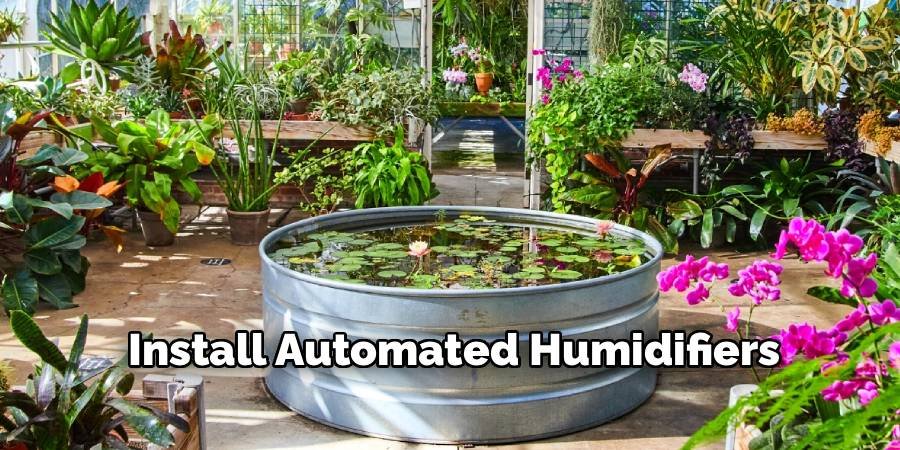
Step 8: Install Automated Humidifiers
For precise and consistent humidity control, consider installing automated humidifiers in your greenhouse. These devices can monitor and adjust humidity levels automatically, ensuring your plants are never exposed to conditions that are too dry or too damp. Automated humidifiers come in various sizes and types, so choose one that suits the size of your greenhouse and the specific needs of your plants. Place them strategically for even humidity distribution, and regularly check and maintain the humidifiers to ensure they operate effectively. This step minimizes manual effort while creating an optimal growth environment for your plants.
Maintaining Your Greenhouse Humidity System
Regular maintenance keeps your humidity systems running efficiently and prevents costly breakdowns. Clean misting nozzles monthly to prevent calcium buildup and clogging. Check water quality regularly, especially in hard water areas. Poor water quality reduces system effectiveness and may introduce harmful minerals or bacteria.
Inspect all components for wear, damage, or corrosion. Replace worn parts before they fail and disrupt your humidity control. Monitor plant response to humidity levels continuously. Healthy plant growth indicates proper moisture management, while stress signs suggest system adjustments. Seasonal system checks prepare equipment for changing weather conditions. Winter preparations prevent freeze damage, while summer checks ensure adequate cooling capacity.
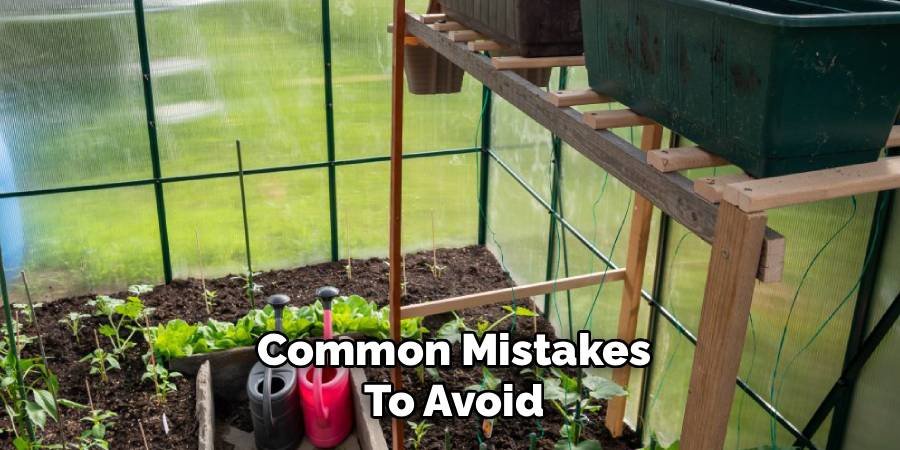
Common Mistakes to Avoid
Overhumidifying is as problematic as insufficient moisture. Excessive humidity promotes fungal diseases, pest problems, and poor air quality. Ignoring ventilation while adding humidity creates stagnant, disease-promoting conditions. Balance moisture input with proper air circulation always. Using contaminated water introduces harmful bacteria, algae, and minerals into your greenhouse environment. Always use clean, quality water sources.
Failing to monitor humidity levels regularly leads to plant stress and reduced productivity. Consistent measurement and adjustment prevent problems. Inadequate maintenance causes system failures when plants need humidity most. Regular care prevents expensive emergency repairs and plant losses.
FAQ
How much humidity do greenhouse plants need?
Most greenhouse plants thrive with humidity levels between 50-70%. Tropical plants prefer 70-80%, while desert plants need 40-50%. Monitor your specific plants’ requirements for best results.
What’s the cheapest way to add greenhouse humidity?
Wet towels or fabric hung in areas with good air circulation provide immediate, low-cost humidity increases. Water-filled trays under plants also work effectively for minimal investment.
Can too much humidity harm greenhouse plants?
Yes, excessive humidity promotes fungal diseases, root rot, and pest infestations. It also reduces plant transpiration and nutrient uptake. Maintain proper ventilation while adding moisture.
How often should I check greenhouse humidity levels?
Check humidity levels daily, preferably at multiple times throughout the day. Install continuous monitoring systems in professional growing operations for optimal plant health and productivity.
Do I need different humidity levels for different plants?
Yes, plant species have varying humidity requirements. Group plants with similar needs together and use localized humidity methods like trays for plants requiring different moisture levels.
Conclusion
Maintaining proper how to add humidity to a greenhouse is critical for ensuring healthy plant growth and maximizing productivity. By monitoring humidity regularly, grouping plants based on their specific needs, and implementing localized solutions, growers can create a controlled environment that supports diverse plant species.
Remember, understanding the unique requirements of your plants and investing in reliable tools for humidity management will help you achieve gardening success. Keep experimenting with different techniques and don’t be afraid to seek advice from experts in the field. With time and dedication, you can master the art of adding humidity to your greenhouse and enjoy a thriving garden all year round. Let nature guide you as you strive towards creating an ideal growing environment for your plants! Happy gardening!

About Ravuk Barg
B.Sc. Horticulture Science | Certified Master Gardener
Ravuk Barg has spent more than a decade with his hands in the soil and his head full of questions about why some gardens thrive while others struggle. What started as a single raised bed of tomatoes and basil in a modest backyard has grown into a deep, working knowledge of everything from seed germination and soil amendment to companion planting and seasonal pruning.
Over the years, Ravuk has gardened through drought summers, waterlogged springs, and pest invasions that would make most gardeners hang up their trowels for good. Those hard seasons, he’ll tell you, taught him more than any perfect growing year ever could. He writes from that earned experience—covering vegetable growing, ornamental planting, houseplant care, composting, and garden design with equal confidence and curiosity.
Philosophy & Approach
Ravuk’s approach to gardening is rooted in practicality. He favors organic methods not out of dogma, but because they work long-term—resulting in healthier soil, fewer inputs, and stronger plants. He has a particular fondness for heirloom vegetable varieties (the kind with proper flavor), unruly cottage-style flower beds, and the stubborn houseplants that everyone else gave up on.
The Mission: Give readers the honest, experience-backed advice that helps them actually succeed in their gardens—not just the ideal version, but the real one; weeds, failures, and all.
Education & Credentials
-
B.Sc. in Horticulture Science
-
Greenfield Agricultural University
-
Focus: Plant Physiology, Soil Ecology, and Sustainable Crop Production
-
-
Master Gardener Certification
-
Cooperative Extension Service
-
Focus: 200+ hours of hands-on practical training and community garden work
-
Continuing Education
-
Organic Pest Management
-
Native Plant Landscaping
-
Sustainable Crop Production