

Strong winds can turn your beloved plastic greenhouse into an expensive kite faster than you can say “garden disaster.” Learning how to stop plastic greenhouse blowing away is essential for protecting your investment and keeping your plants safe from the elements.
Plastic greenhouses offer incredible value for budget-conscious gardeners. They’re lightweight, affordable, and easy to assemble. But these same qualities make them vulnerable to wind damage.
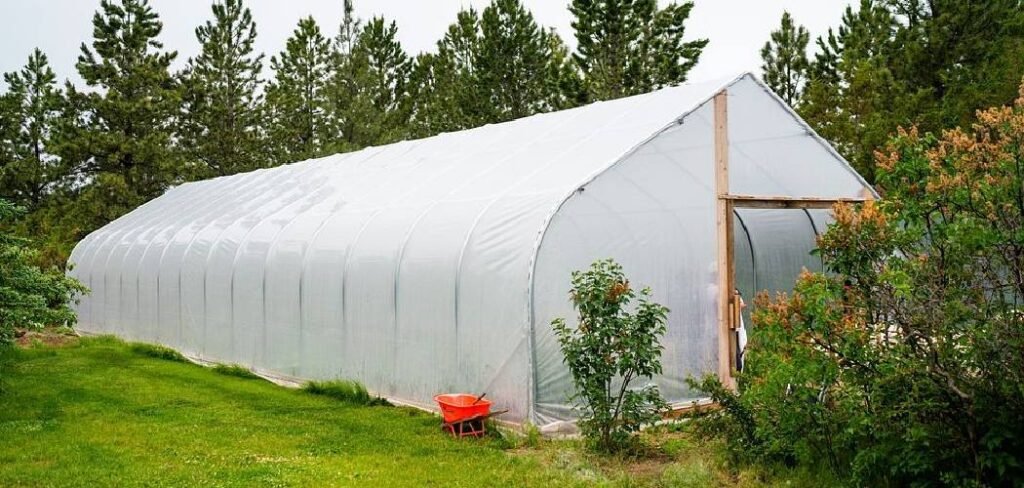
When wind gets underneath your greenhouse structure, it creates lift—just like an airplane wing. Without proper anchoring and wind protection, even moderate gusts can send your greenhouse tumbling across the yard, destroying plants and damaging property.
The good news? With the right preparation and securing techniques, you can weatherproof your plastic greenhouse against even severe storms. From ground anchors to strategic placement, smart gardeners use proven methods to keep their structures firmly planted.
Why You Need to Secure Your Plastic Greenhouse
Wind damage costs greenhouse owners thousands of dollars annually in replacement structures and lost plants. Insurance rarely covers inadequately secured outbuildings, leaving you responsible for the full replacement cost. Beyond financial losses, flying greenhouse panels pose serious safety risks to people, pets, and neighboring property. A loose panel becomes a dangerous projectile in high winds.
Your plants suffer too. Temperature fluctuations from damaged covering kill sensitive seedlings and stress mature plants. Broken glass or torn plastic creates entry points for pests and diseases. Proper securing prevents these problems entirely. A well-anchored greenhouse withstands storms that would destroy unsecured structures, protecting your gardening investment year after year.
8 Step-by-Step Guide on How to Stop Plastic Greenhouse Blowing Away
Step 1: Choose the Right Location
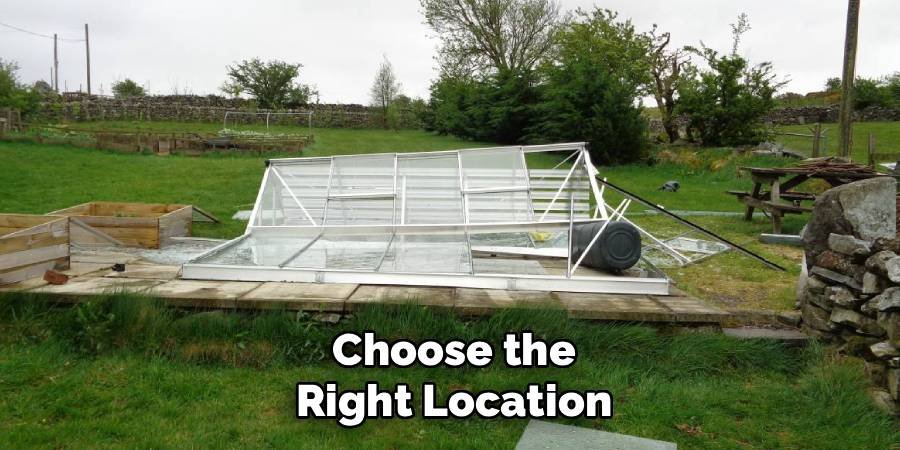
Selecting the right location for your greenhouse is crucial to minimize the risk of it blowing away. Opt for a spot that is naturally sheltered from strong winds, such as near a fence, wall, or a row of sturdy bushes. Avoid placing your greenhouse in open, exposed areas where wind can hit it directly from all sides. Additionally, ensure the ground is level and firm, as this will provide a stable foundation and reduce the likelihood of movement during storms. A well-chosen location lays the foundation for a secure and long-lasting structure.
Step 2: Install a Proper Foundation
A strong foundation is essential to ensure your greenhouse remains stable and durable over time. Start by choosing a foundation type that suits your greenhouse size and local conditions. Options include concrete slabs, wooden frames, or compacted gravel. Whichever type you choose, make sure it is level and capable of supporting the greenhouse structure evenly. For added stability, anchor the foundation securely to the ground using stakes, bolts, or other appropriate methods. A properly installed foundation not only keeps the greenhouse steady during adverse weather but also helps maintain its alignment and structural integrity for years to come.
Step 3: Use Heavy-Duty Ground Anchors
To ensure your greenhouse remains securely in place, especially in areas prone to high winds or heavy storms, it’s essential to use heavy-duty ground anchors. These anchors are designed to provide additional stability by firmly securing the frame of the greenhouse to the ground. Choose anchors made of durable materials such as galvanized steel to prevent rust and corrosion over time. Drive the anchors deep into the soil at regular intervals around the greenhouse, focusing on corners and load-bearing points. Once installed, connect the anchors to the greenhouse frame using sturdy ties or bolts. This step not only enhances the overall stability of the structure but also provides peace of mind that your greenhouse will withstand challenging weather conditions.
Step 4: Add Weight to the Structure
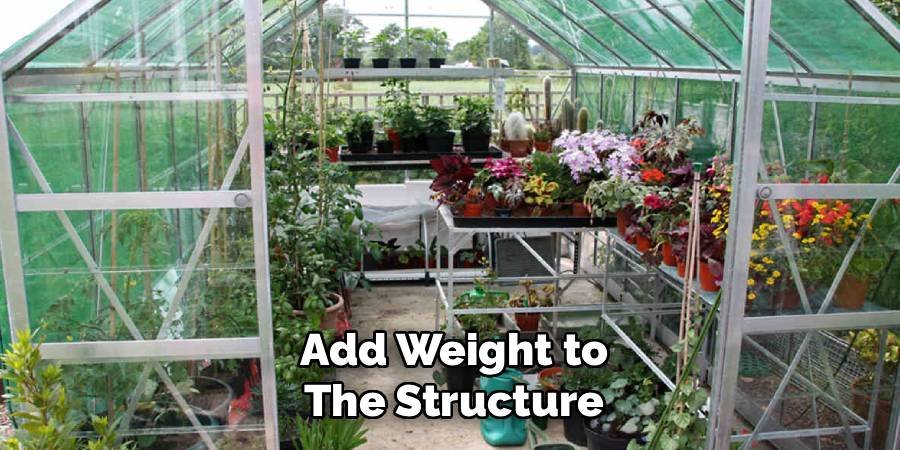
Adding weight to the base of your greenhouse is another essential step to ensure it remains secure during strong winds or storms. Heavy materials, such as concrete blocks, sandbags, or weighted planters, can be strategically placed around the perimeter to provide additional stability. Place these weights evenly, focusing on the base of walls and corners, to counteract upward lifting forces that may occur during extreme weather. By supplementing the anchoring system with these weights, you create a reinforced structure that is better equipped to endure harsh conditions while safeguarding your plants and equipment inside.
Step 5: Reinforce Connection Points
Securing the connection points of your greenhouse is essential to maintaining its structural integrity, especially during high winds or extreme weather conditions. Inspect all joints and fasteners regularly to ensure they are tight and free of corrosion. Reinforce key areas such as where the frame meets the foundation and where panels are secured to the frame. Use brackets, screws, or additional support braces as needed to strengthen weak points. For added stability, consider applying weatherproof sealants to prevent water or debris from compromising the connections over time. Properly reinforced connections will help ensure your greenhouse remains sturdy and durable for years to come.
Step 6: Install Wind Bracing
Wind bracing is essential for stabilizing the structure and preventing deformation during high winds. Diagonal bracing can be installed between wall studs or roof trusses to transfer wind forces more effectively to the foundation. Use steel straps or tensioned cables for this purpose, ensuring all connections are secure and tightened properly. Always anchor the bracing to strong points in the structure, such as top plates, bottom plates, or primary beams. If applicable, follow local building codes to ensure the bracing meets safety requirements for your area. Properly installed wind bracing significantly enhances the durability and resilience of the structure during adverse weather conditions.
Step 7: Maintain Proper Ventilation
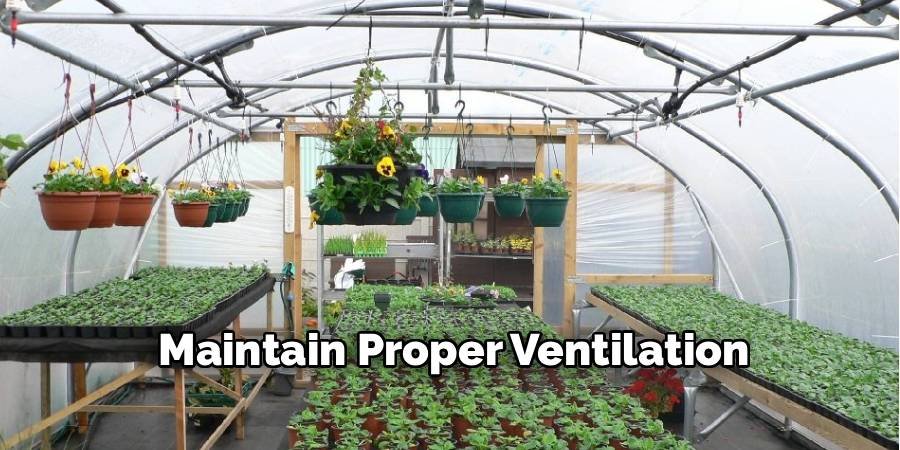
Proper ventilation is essential for maintaining a healthy greenhouse environment and ensuring the success of your crops. Ventilation regulates temperature, prevents the buildup of excess humidity, and reduces the risk of diseases and pests. Install roof vents, side vents, or exhaust fans to promote consistent airflow throughout the structure. During warmer months, ensure that vents are open to release hot air and bring in cooler air. If natural ventilation is insufficient, consider using automated fans or climate control systems to maintain optimal conditions. Regularly inspect and clean ventilation systems to prevent blockages and ensure they operate efficiently.
Step 8: Check and Repair Glazing Regularly
Regular inspection of your greenhouse glazing is crucial to maintaining structural integrity and optimal functionality. Look for signs of damage such as cracks, chips, or loose panels, as these can compromise insulation and increase the risk of failure during extreme weather conditions. Small damages should be repaired promptly to prevent further deterioration, while severely damaged panels may need to be replaced. Additionally, ensure glazing seals are intact to prevent water leaks or drafts. Routine maintenance not only protects your plants but also extends the lifespan of your greenhouse.
Maintaining Your Securing System
Regular maintenance keeps your greenhouse secure year-round. Inspect all anchor points monthly, looking for corrosion, loosening, or soil erosion around ground anchors. Tighten connections and replace worn hardware before it fails. Seasonal maintenance should include complete system inspection and testing. Check cable tensions, anchor holding power, and foundation stability. Clean debris from around anchors that could interfere with their holding capacity.
Keep maintenance records showing inspection dates, repairs made, and replacement schedules for wearing parts. This documentation helps identify patterns and plan preventive maintenance.
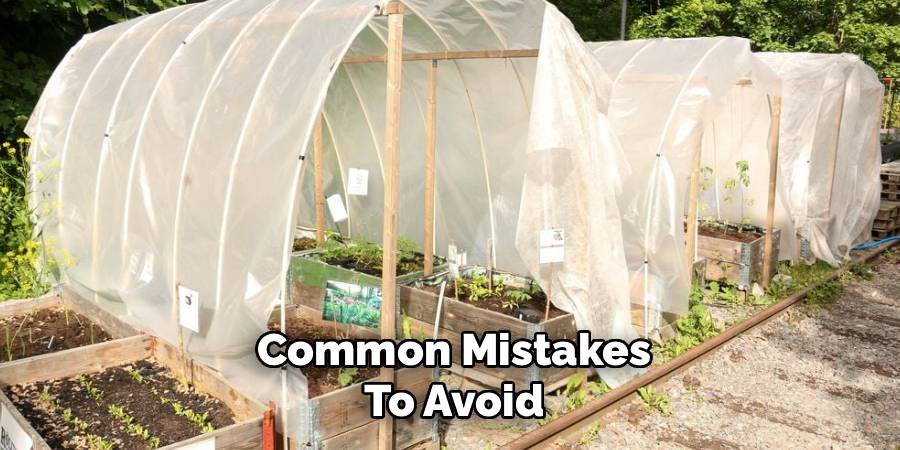
Common Mistakes to Avoid
The biggest mistake is underestimating wind forces in your area. Many gardeners secure their greenhouses for typical weather, not the extreme conditions that cause most damage. Design your securing system for the strongest winds your area has experienced in recent years. Mixing different metal types creates galvanic corrosion that weakens connections over time. Use compatible materials throughout your securing system, or apply proper isolation techniques when mixing metals is unavoidable.
Neglecting regular maintenance allows small problems to become major failures. A loose bolt discovered during routine inspection costs pennies to fix, but structural damage from complete anchor failure costs hundreds.
FAQ Frequently Asked Questions
How Deep Should I Install Ground Anchors for My Greenhouse?
Ground anchors should penetrate at least 24 inches into stable soil, deeper in sandy or loose conditions. Screw anchors work best, providing holding power of 1,000-3,000 pounds each when properly installed in suitable soil conditions.
Can I Use Concrete Blocks Instead of Ground Anchors?
Concrete blocks provide weight but little holding power against uplift forces. Use them as supplementary ballast only, not as primary anchoring. Properly installed ground anchors resist both horizontal and vertical forces more effectively.
What Wind Speed Should My Greenhouse Withstand?
Most residential greenhouses should withstand sustained winds of 75 mph with proper securing. Check local building codes for specific requirements in high-wind areas. Professional installation may be required for structures in hurricane or tornado zones.
How Often Should I Check My Greenhouse Securing System?
Inspect your securing system monthly during growing season and after any storm with winds over 40 mph. Check cable tension, anchor tightness, and foundation stability. Address any looseness or damage immediately to prevent progressive failure.
Do I Need Professional Installation for Greenhouse Anchoring?
Simple ground anchors and cable systems are DIY-friendly for most gardeners. Complex foundations, structural modifications, or installations in extreme wind zones benefit from professional engineering and installation to ensure adequate safety margins.
Conclusion
Learning how to stop plastic greenhouse blowing away protects your gardening investment and ensures years of successful growing. With proper planning, quality materials, and regular maintenance, your greenhouse will weather the strongest storms while providing a stable environment for your plants. The key lies in understanding that greenhouse securing is a system, not just individual components. Foundation, anchoring, bracing, and maintenance all work together to create a structure that stays put when the wind blows. Each element reinforces the others, creating security greater than the sum of its parts.
Start with proper site selection and foundation work, then add progressive layers of wind resistance. Quality ground anchors, strategic weight placement, and structural reinforcement transform a vulnerable plastic greenhouse into a storm-resistant growing space. Don’t wait for the first major storm to discover weaknesses in your securing system. Implement these proven techniques now, and maintain them regularly. Your garden will thank you when neighbors’ unsecured structures are scattered across the landscape while your greenhouse stands firm and your plants continue thriving in their protected environment.

About Ravuk Barg
B.Sc. Horticulture Science | Certified Master Gardener
Ravuk Barg has spent more than a decade with his hands in the soil and his head full of questions about why some gardens thrive while others struggle. What started as a single raised bed of tomatoes and basil in a modest backyard has grown into a deep, working knowledge of everything from seed germination and soil amendment to companion planting and seasonal pruning.
Over the years, Ravuk has gardened through drought summers, waterlogged springs, and pest invasions that would make most gardeners hang up their trowels for good. Those hard seasons, he’ll tell you, taught him more than any perfect growing year ever could. He writes from that earned experience—covering vegetable growing, ornamental planting, houseplant care, composting, and garden design with equal confidence and curiosity.
Philosophy & Approach
Ravuk’s approach to gardening is rooted in practicality. He favors organic methods not out of dogma, but because they work long-term—resulting in healthier soil, fewer inputs, and stronger plants. He has a particular fondness for heirloom vegetable varieties (the kind with proper flavor), unruly cottage-style flower beds, and the stubborn houseplants that everyone else gave up on.
The Mission: Give readers the honest, experience-backed advice that helps them actually succeed in their gardens—not just the ideal version, but the real one; weeds, failures, and all.
Education & Credentials
-
B.Sc. in Horticulture Science
-
Greenfield Agricultural University
-
Focus: Plant Physiology, Soil Ecology, and Sustainable Crop Production
-
-
Master Gardener Certification
-
Cooperative Extension Service
-
Focus: 200+ hours of hands-on practical training and community garden work
-
Continuing Education
-
Organic Pest Management
-
Native Plant Landscaping
-
Sustainable Crop Production