

Proper ventilation is crucial for a thriving garden, and understanding how to vent a greenhouse is a key skill for any gardener. In simple terms, ventilation is the process of moving fresh, cool air into your greenhouse while pushing hot, stale air out. This exchange prevents overheating, controls humidity, and reduces the risk of plant diseases.
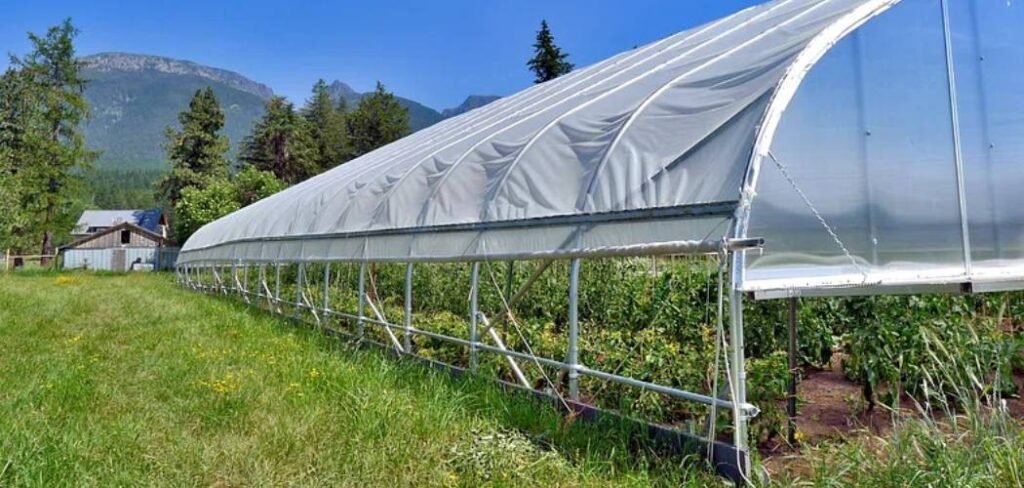
Good air circulation also ensures your plants receive a steady supply of carbon dioxide, which is essential for photosynthesis and healthy growth. Without it, temperatures can soar to dangerous levels, even on a moderately sunny day, creating an environment where plants struggle to survive. Mastering this process is simpler than it sounds and makes a world of difference in your gardening success.
Why You Need to Vent Your Greenhouse
Venting your greenhouse is not just about cooling it down; it is a fundamental part of creating a healthy ecosystem for your plants. The primary reason is temperature regulation. Greenhouses are designed to trap solar heat, but this can quickly become excessive, leading to scorched leaves and heat stress that can kill plants.
Proper ventilation releases this trapped heat. It also plays a vital role in managing humidity. High humidity creates a breeding ground for fungal diseases like powdery mildew and botrytis. By circulating air, you can keep moisture levels in check. Finally, air movement strengthens plant stems and helps with pollination, creating a more robust and productive garden environment.
8 Step-by-Step Guide on How to Vent a Greenhouse for Optimal Plant Health
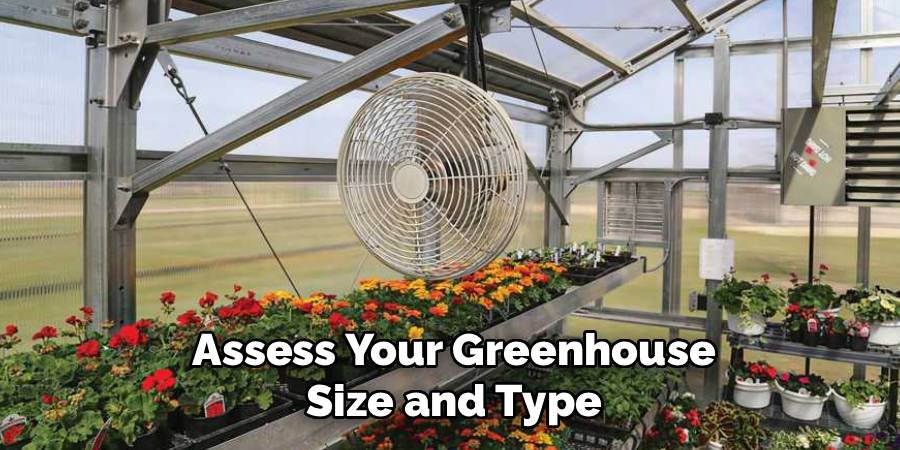
Step 1: Assess Your Greenhouse Size and Type
The first step in venting your greenhouse effectively is to evaluate its size and structure. Different greenhouse designs, such as freestanding or lean-to styles, require unique ventilation setups. Larger greenhouses may need multiple vents or fans to ensure adequate airflow, while smaller greenhouses might be manageable with fewer ventilation points. Take note of the dimensions and materials of your greenhouse, as this will help determine the type and placement of vents, as well as the airflow capacity you’ll need for optimal plant health.
Step 2: Understand the Principles of Airflow
To establish effective ventilation in your greenhouse, it’s crucial to understand how airflow functions. Warm air naturally rises, while cooler air stays closer to the ground. This principle, known as convection, plays a key role in maintaining a steady temperature and humidity balance within the greenhouse. Strategically placed vents, such as roof vents for releasing hot air and side vents for bringing in cooler air, help facilitate this airflow. Additionally, cross-ventilation, which involves air moving across the structure, further ensures fresh air reaches all areas of the greenhouse. By grasping these principles, you can design a ventilation system that reduces the risk of mold, ensures consistent humidity, and supports healthy plant growth.
Step 3: Install Manual Roof Vents
Manual roof vents are an effective and simple way to regulate the temperature within your greenhouse. These vents allow excess heat to escape from the top of the structure, preventing the interior from becoming too hot for your plants. To install manual roof vents, locate a central position along the ridge of the greenhouse where hot air typically accumulates.
Carefully cut an opening and attach the vent frame securely, ensuring it is properly sealed to prevent unwanted leaks. The manual mechanism should be easy to operate, allowing you to open and close the vent as needed based on the weather conditions. Regular use of these vents will help maintain an optimal growing environment while reducing the dependency on more complex ventilation systems.
Step 4: Add Side or Louvered Vents
Side or louvered vents are another effective option for enhancing airflow in your greenhouse. These vents are typically installed along the sidewalls and allow cooler air to enter while pushing out warm, stale air through roof vents. To install side vents, first determine the most practical locations—usually near the base of the greenhouse for maximum air circulation.
Carefully cut openings in the chosen spots and attach the louvered vents securely, ensuring they are well-sealed to prevent drafts or pests from entering. Adjustable louvered vents are ideal as they allow you to control the airflow based on the outside temperature, making them a versatile addition to your greenhouse ventilation system. Regularly inspect and maintain the vents to ensure they operate smoothly and continue to provide efficient airflow.
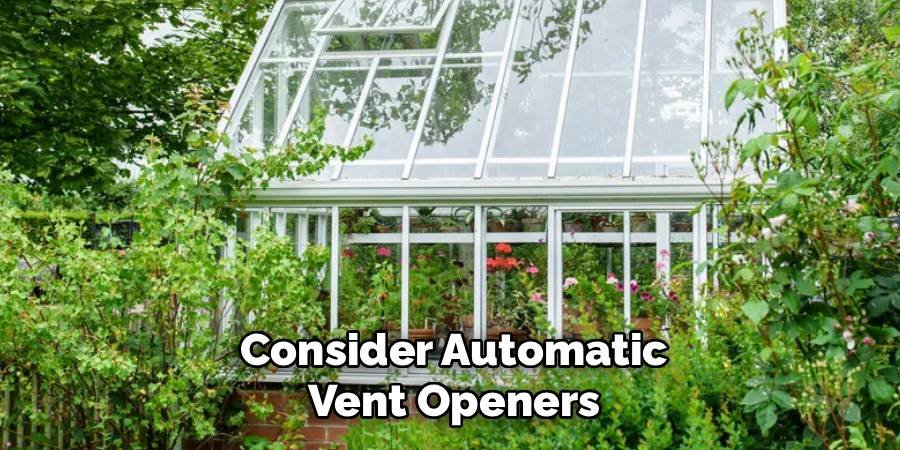
Step 5: Consider Automatic Vent Openers
To further optimize your greenhouse’s ventilation system, consider installing automatic vent openers. These devices are designed to open and close vents automatically in response to temperature fluctuations, ensuring consistent airflow without requiring manual adjustments. Automatic vent openers typically use heat-sensitive mechanisms, such as wax cylinders, that expand or contract based on the ambient temperature.
This hands-free solution is especially beneficial during periods of extreme weather or for gardeners who may not always be available to adjust vents manually. Ensure that the automatic vent openers you choose are compatible with the type of vents in your greenhouse and periodically check their functionality to ensure reliable operation.
Step 6: Utilize Doors and Windows for Cross-Ventilation
Maximizing cross-ventilation is a simple yet effective way to regulate temperature and humidity in your greenhouse. By opening both doors and windows, you can create a natural airflow that removes hot air while drawing in cooler air. This method is particularly useful during warm weather when heat build-up can be an issue.
For the best results, position your greenhouse so that it aligns with prevailing winds, allowing for optimal airflow. Remember to monitor the weather conditions and adjust the openings accordingly to avoid drafts or sudden temperature drops that could stress your plants. Cross-ventilation is an eco-friendly and low-cost strategy to ensure a balanced greenhouse environment.
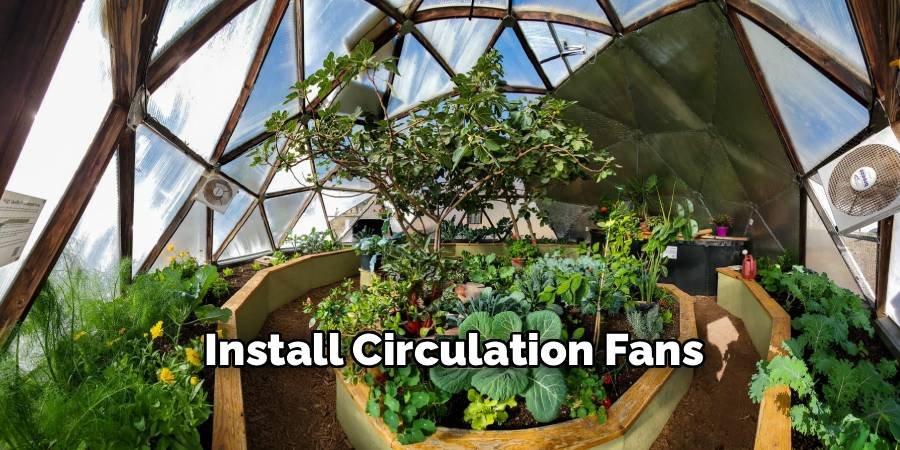
Step 7: Install Circulation Fans
To maintain uniform air distribution within the greenhouse, installing circulation fans is essential. These fans help eliminate hotspots and reduce the risk of fungal diseases by keeping the air moving over your plants. Position the fans evenly throughout the greenhouse, ensuring they do not blow directly onto the plants but instead create a gentle, consistent airflow.
Opt for energy-efficient models with adjustable speeds to tailor the airflow to the needs of your greenhouse environment. Regularly inspect and clean the fans to prevent dust build-up, which can hinder performance and reduce their lifespan. Circulation fans are a critical component in fostering a healthy and productive growing space.
Step 8: Add an Exhaust Fan System
An exhaust fan system is essential for removing stale air and maintaining a fresh environment within your growing space. This system works by actively pulling out warm, humid air and replacing it with cooler, drier air from outside, helping to regulate both temperature and humidity.
Proper placement of the exhaust fan is crucial; it should be installed near the top of the space, as hot air rises. Consider pairing it with an intake vent or a passive system to ensure a consistent exchange of air. Regularly inspect and clean the fan to maintain its efficiency and prevent the buildup of debris that could hinder airflow. An effective exhaust system contributes significantly to the overall health and growth of your plants.
Maintaining Your Greenhouse Ventilation System
Regular maintenance ensures your ventilation system operates efficiently. Keep all vents, both manual and automatic, clean and free of debris like leaves, dirt, or spiderwebs that can obstruct their movement. Check the hinges and mechanisms for smooth operation, applying a silicone-based lubricant if they become stiff.
For automatic vent openers, wipe the wax cylinder and piston clean to ensure they react properly to temperature changes. If you use fans, regularly dust the blades and housing to maintain good airflow and prevent motor strain. Check any wiring for wear and tear. A quick monthly check-up can prevent system failures and keep your greenhouse environment stable and healthy for your plants.
Common Mistakes to Avoid
A few common errors can undermine your ventilation efforts. One of the biggest mistakes is underestimating the amount of ventilation needed; a single roof vent is rarely sufficient for most greenhouses. Another error is placing intake and exhaust vents at the same height, which prevents the natural convection current from forming.
Relying solely on opening the door is also a pitfall, as it doesn’t provide consistent, controlled airflow. Forgetting to adjust manual vents for changing weather can lead to rapid overheating or chilling. Lastly, neglecting to use a shade cloth in sunny climates forces your ventilation system to work much harder than necessary, making it less effective at controlling extreme temperatures.
FAQ Frequently Asked Questions
How Often Should I Vent My Greenhouse?
You should vent your greenhouse daily, especially on sunny days. Air exchange is crucial for temperature and humidity control, even when it is overcast or cool outside.
Can You Over-Vent a Greenhouse?
Yes, you can. Over-venting, especially during cool or windy weather, can cause temperatures to drop too low or create drafts that stress your plants.
At What Temperature Should I Open My Greenhouse Vents?
A good rule of thumb is to start opening vents when the internal temperature rises above 70°F (21°C) and open them fully when it approaches 85°F (29°C).
Do I Need to Vent My Greenhouse in Winter?
Yes, but less frequently. Even on a sunny winter day, a sealed greenhouse can overheat. Venting for short periods helps release excess moisture and refresh the air.
Should I Leave My Greenhouse Door Open at Night?
Generally, no. Closing the door at night helps to retain warmth, protect plants from cooler temperatures, and keep nocturnal pests out of the growing area.
Conclusion
Learning how to vent a greenhouse effectively is one of the most impactful skills you can develop to ensure a productive and healthy garden. By understanding the core principles of airflow and combining passive methods like roof and side vents with active solutions like circulation fans, you can create a stable environment where your plants will flourish. Remember that every greenhouse is unique, so consistent monitoring of temperature and humidity is essential for fine-tuning your specific setup.
From installing automatic openers for convenience to using shade cloth to ease the heat load, each step contributes to a comprehensive climate control strategy. Taking the time to establish a proper ventilation system will prevent common problems like heat stress and fungal diseases. Your efforts will be rewarded with stronger plants, better yields, and a more enjoyable gardening experience. Your garden will thank you.

About Ravuk Barg
B.Sc. Horticulture Science | Certified Master Gardener
Ravuk Barg has spent more than a decade with his hands in the soil and his head full of questions about why some gardens thrive while others struggle. What started as a single raised bed of tomatoes and basil in a modest backyard has grown into a deep, working knowledge of everything from seed germination and soil amendment to companion planting and seasonal pruning.
Over the years, Ravuk has gardened through drought summers, waterlogged springs, and pest invasions that would make most gardeners hang up their trowels for good. Those hard seasons, he’ll tell you, taught him more than any perfect growing year ever could. He writes from that earned experience—covering vegetable growing, ornamental planting, houseplant care, composting, and garden design with equal confidence and curiosity.
Philosophy & Approach
Ravuk’s approach to gardening is rooted in practicality. He favors organic methods not out of dogma, but because they work long-term—resulting in healthier soil, fewer inputs, and stronger plants. He has a particular fondness for heirloom vegetable varieties (the kind with proper flavor), unruly cottage-style flower beds, and the stubborn houseplants that everyone else gave up on.
The Mission: Give readers the honest, experience-backed advice that helps them actually succeed in their gardens—not just the ideal version, but the real one; weeds, failures, and all.
Education & Credentials
-
B.Sc. in Horticulture Science
-
Greenfield Agricultural University
-
Focus: Plant Physiology, Soil Ecology, and Sustainable Crop Production
-
-
Master Gardener Certification
-
Cooperative Extension Service
-
Focus: 200+ hours of hands-on practical training and community garden work
-
Continuing Education
-
Organic Pest Management
-
Native Plant Landscaping
-
Sustainable Crop Production