

If you’re facing the unwelcome presence of mice in your greenhouse, you’re not alone. Mice are notorious for invading these controlled environments, damaging plants, spreading diseases, and even chewing through essential equipment. Learning how to get rid of mice in greenhouse settings is crucial to maintaining the health and longevity of your plants.
The good news is that managing a mouse problem is entirely possible with consistent effort and the right methods. From prevention through proper structural maintenance to humane or mechanical removal, effectively addressing this issue can protect your greenhouse and give you peace of mind. Below, we’ll walk you through steps to control mice naturally, safely, and thoroughly.
Why You Need to Get Rid of Mice in Your Greenhouse
Mice may look harmless, but their presence can cause significant havoc. They chew through plant roots, seedlings, and leaves, potentially destroying your hard work. Worse, they can gnaw on irrigation lines and electrical wiring, leading to costly repairs.
Mice also carry harmful pathogens and parasites, putting both plants and humans at risk. If left unchecked, a single breeding pair can lead to a full-blown infestation within weeks. Quick action is essential to protect your plants, maintain your greenhouse’s structural integrity, and avoid risks to health and safety.
10 Step-by-Step Guide on How to Get Rid of Mice in Greenhouse
Here’s a detailed guide to help you eliminate mice from your greenhouse efficiently.
Step 1: Identify Signs of Mice
The first step in dealing with mice is recognizing their presence. Look for droppings, gnaw marks on plants or structures, and burrowing holes in soil. Mice often leave greasy smudge marks along walls and corners, and you may spot shredded materials, such as leaves and insulation, which they use to build nests.
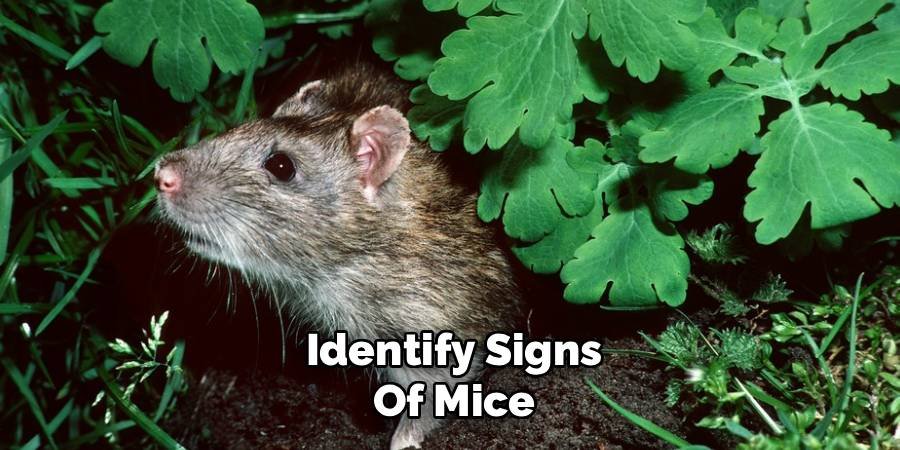
Knowing where mice are most active is critical for targeting removal efforts. Check hidden areas, such as under workbenches, near stored supplies, and along foundations. Identifying these areas early allows you to concentrate traps or deterrents where they’ll be most effective.
Step 2: Seal Entry Points
Inspect your greenhouse thoroughly for any gaps, cracks, or holes mice can slip through. Even the smallest openings—less than a quarter inch—can be enough for them to enter. Use weather-resistant caulk, steel wool, or mesh to seal these vulnerable spots.
Pay extra attention to corners, vents, doors, and the bases of walls. If your greenhouse has sliding doors, consider adding brush strips to further block entry. Regular maintenance of sealed areas ensures you’re not leaving new entry points unguarded.
Step 3: Clean and Organize
A cluttered greenhouse provides an ideal habitat for mice. Removing potential nesting materials and food sources will discourage them. Start by decluttering shelves and eliminating unnecessary items like cardboard or fabric. These can be shredded and used as bedding.
Store seeds and soil in heavy-duty containers with tight-fitting lids. Sweep regularly to remove dropped plant matter or residual food that might attract mice. A clean, tidy space reduces the overall appeal to rodents while making ongoing monitoring easier.
Step 4: Set Humane Traps
If mice are already in your greenhouse, traps are an effective way to reduce their numbers. Humane traps, such as catch-and-release boxes, allow you to remove the intruders without harming them. Position traps along mouse travel paths—typically alongside walls or near nesting areas.

Bait your traps with peanut butter, seeds, or small bits of fruit, as these strongly appeal to rodents. Be sure to check and empty traps frequently, releasing captured mice far away from your greenhouse to avoid reentry. Regular trapping helps you gauge the severity of the problem.
Step 5: Build a Barrier
Physical barriers can provide long-term protection. Installing wire mesh or hardware cloth along greenhouse foundations and ventilation openings stops mice from squeezing in. Burying barriers at least six inches below ground prevents them from tunneling underneath.
For greenhouses with raised garden beds, consider adding protective walling around the base. This layer of security creates a physical division between your plants and potential pests. Remember, the goal is to make access as challenging as possible for mice.
Step 6: Use Natural Deterrents
Certain smells naturally repel mice. Consider using organic repellents like peppermint oil or clove oil, which irritate their senses. Douse cotton balls with the oil and place them around the greenhouse, focusing on high-risk areas.
Other deterrents might include growing strong-smelling plants like lavender or placing predator-inspired decoys such as plastic snakes or owls. Although these don’t guarantee results, they add an extra layer of discouragement alongside your primary tactics.
Step 7: Introduce Predators
One sustainable way to tackle mice in a greenhouse is by introducing natural predators, such as barn owls or specific feral cats. If you keep chickens on-site, be aware that they, too, can help eliminate young rodents.
Of course, this strategy calls for balance. Predators should be allowed only in ways that don’t interfere with your greenhouse operations or other wildlife. Ensure that any animal introduced fits seamlessly into the broader ecosystem of your greenhouse.
Step 8: Avoid Poison Baits
While poison baits may seem like a quick solution, they come with serious downsides. Poisoned mice could die in hard-to-reach spaces, creating unsanitary conditions and unpleasant odors. Worse, poisoned rodents can harm predators or pets that unknowingly consume them.
If you must use poison, ensure it’s placed in secure bait stations away from greenhouse plants. However, it’s highly advisable to exhaust all other safer, more eco-friendly options first.
Step 9: Maintain Greenhouse Perimeter
A well-maintained greenhouse perimeter ensures mice stay out before they even approach. Keep grass and weeds trimmed around the outside of your greenhouse, as overgrown vegetation harbors rodents.
Clear away piles of wood, compost heaps, and any stored equipment that mice could shelter in. An orderly and open perimeter makes the greenhouse environment less inviting while minimizing hiding spots.
Step 10: Regular Monitoring
Once you’ve implemented the steps above, ongoing monitoring is essential. Even after successfully clearing out mice, vigilance prevents reinfestations. Periodically check traps, reseal entry points, and inspect for fresh signs of activity.
Scheduling frequent maintenance and walkthroughs ensures problems are caught early, keeping your greenhouse mouse-free in the long term. Consistency is key to maintaining a safe, flourishing space.
Maintaining Your Greenhouse Pest-Free
Maintaining a mouse-free greenhouse starts with regular cleaning and inspections. Continue to remove nesting materials and manage food sources. Monitor deterrents like essential oils and predatory decoys for effectiveness, replacing them as needed.
Preventative measures, from sealing entry points to securing the perimeter, should become routine. These habits not only deter mice but also create a healthier, more productive greenhouse environment.
To further ensure the health of your greenhouse, focus on maintaining proper ventilation and humidity levels. Poor air circulation and excessive moisture can lead to fungal growth, which may attract pests and damage your plants. Regularly check vents, fans, and any climate control systems to ensure they are functioning optimally. Additionally, periodically inspect your plants for early signs of pest infestations or disease, such as discolored leaves or unusual patterns. Early detection allows for targeted treatment, minimizing harm to your crops and maintaining the balance within your greenhouse ecosystem.
Common Mistakes to Avoid
One common mistake is relying too heavily on poison. While it can reduce the mouse population short-term, it often results in unintended consequences.
Another error is neglecting long-term prevention. Simply trapping current mice won’t stop new ones from entering unless you address entry points, shelter options, and food availability. Always take a comprehensive approach to pest management.
Additionally, ignoring the importance of cleanliness can exacerbate your pest problem. Mice are attracted to leftover food, crumbs, and clutter, which provide both nourishment and hiding spots. Regularly cleaning your greenhouse, properly storing food, and disposing of waste promptly are essential steps in maintaining a pest-free environment. Taking time to monitor the area for early signs of infestation, such as droppings or chewed materials, can also help in implementing solutions before the problem escalates.
FAQ
How do I know if mice are in my greenhouse?
Check for droppings, gnaw marks, and nesting materials. Mice also leave smudgy, greasy marks along surfaces they frequently travel.
Do mice harm greenhouse plants?
Yes, mice commonly eat plant roots, seedlings, and leaves. They can also damage irrigation lines and wiring, risking significant repairs.
Can I use essential oils as a deterrent?
Peppermint and clove oil are natural repellents. Douse cotton balls and place them strategically around the greenhouse, particularly in entryways or corners.
Are traps better than poison?
Traps are safer and more targeted than poison. They prevent issues with residue, harm to predators, or pets accidentally ingesting toxins.
What if mice keep returning?
If problem mice persist, reevaluate your greenhouse structures for overlooked gaps or shelter points. Strengthen barriers and expand deterrent use.
Conclusion
Learning how to get rid of mice in greenhouse environments is essential for maintaining both plant health and peace of mind. By following these steps to identify, remove, and prevent mice, you’ll create a pest-free space for your plants to thrive. A combination of vigilance, organization, and prevention will ensure long-term success. Protect your hard work, and your greenhouse will reward you with healthier, more resilient plants!
Implementing these strategies consistently will also help you quickly identify any early signs of pest activity. Regularly inspecting your greenhouse, keeping the space clean, and sealing any gaps will reduce the likelihood of mice returning. Additionally, maintaining natural predators near your greenhouse, such as owls or certain snakes, can further deter rodents while preserving the ecological balance. Remember, persistence and proactive measures are key to safeguarding your greenhouse and ensuring an optimal growing environment.

About Ravuk Barg
B.Sc. Horticulture Science | Certified Master Gardener
Ravuk Barg has spent more than a decade with his hands in the soil and his head full of questions about why some gardens thrive while others struggle. What started as a single raised bed of tomatoes and basil in a modest backyard has grown into a deep, working knowledge of everything from seed germination and soil amendment to companion planting and seasonal pruning.
Over the years, Ravuk has gardened through drought summers, waterlogged springs, and pest invasions that would make most gardeners hang up their trowels for good. Those hard seasons, he’ll tell you, taught him more than any perfect growing year ever could. He writes from that earned experience—covering vegetable growing, ornamental planting, houseplant care, composting, and garden design with equal confidence and curiosity.
Philosophy & Approach
Ravuk’s approach to gardening is rooted in practicality. He favors organic methods not out of dogma, but because they work long-term—resulting in healthier soil, fewer inputs, and stronger plants. He has a particular fondness for heirloom vegetable varieties (the kind with proper flavor), unruly cottage-style flower beds, and the stubborn houseplants that everyone else gave up on.
The Mission: Give readers the honest, experience-backed advice that helps them actually succeed in their gardens—not just the ideal version, but the real one; weeds, failures, and all.
Education & Credentials
-
B.Sc. in Horticulture Science
-
Greenfield Agricultural University
-
Focus: Plant Physiology, Soil Ecology, and Sustainable Crop Production
-
-
Master Gardener Certification
-
Cooperative Extension Service
-
Focus: 200+ hours of hands-on practical training and community garden work
-
Continuing Education
-
Organic Pest Management
-
Native Plant Landscaping
-
Sustainable Crop Production