

Winter can be a challenging time for indoor plant enthusiasts. As temperatures drop outside, your beloved green companions face unique stresses that can affect their health and growth. Learning how to keep houseplants warm in winter is essential for maintaining thriving indoor gardens year-round.
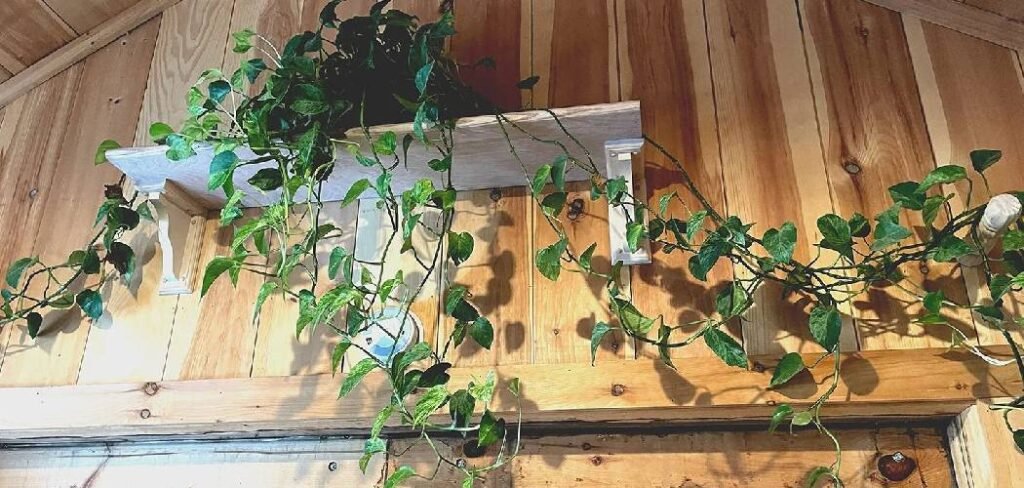
Cold weather doesn’t just affect outdoor plants. Indoor temperatures, drafty windows, and reduced daylight hours can create harsh conditions for tropical and subtropical plants that prefer consistent warmth. Many popular houseplants originate from warm climates and struggle when exposed to cold drafts, temperature fluctuations, or consistently cool environments.
The good news is that with proper preparation and care techniques, you can create a cozy environment that keeps your plants healthy throughout the coldest months. From strategic placement to innovative heating solutions, there are numerous ways to protect your leafy friends from winter’s chill while maintaining the comfortable living conditions you enjoy in your home.
Why You Need to Protect Your Plants from Cold
Cold temperatures pose serious threats to houseplants that many plant parents don’t fully understand. Most popular indoor plants are tropical species that evolved in consistently warm environments, making them particularly vulnerable to temperature drops.
When exposed to cold, plants experience cellular damage that can manifest as leaf browning, wilting, or complete leaf drop. Cold stress also weakens plant immune systems, making them susceptible to fungal infections and pest problems that rarely occur during warmer months.
Temperature fluctuations are equally problematic. Plants that experience dramatic temperature swings between day and night struggle to maintain normal metabolic processes. This stress can halt growth, reduce flowering, and even cause plants to enter dormancy prematurely.
Additionally, cold air holds less moisture, creating dry conditions that further stress plants already struggling with temperature challenges. Without proper protection, winter conditions can quickly transform a thriving plant collection into a struggling, unhealthy mess.
8 Step-by-Step Guide on How to Keep Houseplants Warm in Winter
Step 1: Relocate Plants Away from Cold Sources
Moving your plants away from cold sources is the first and most important step in winter plant care. Windows, exterior doors, and unheated rooms create cold zones that can shock tropical plants. Even double-paned windows can radiate significant cold during freezing weather, creating microclimates that are several degrees cooler than the rest of your home.
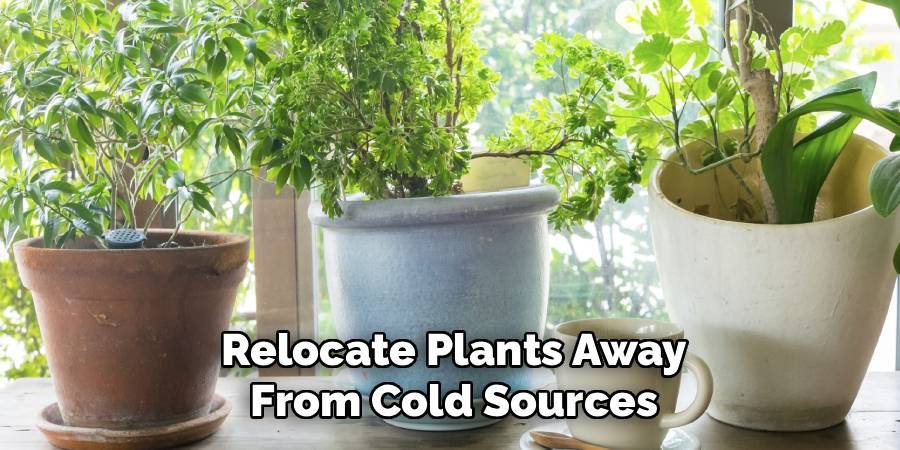
Survey your living space and identify areas that remain consistently warm throughout winter months. Interior walls, corners away from exterior walls, and spaces near heating vents often provide the most stable temperatures. However, avoid placing plants directly over heating vents, as this can create excessive heat and dry air that’s equally harmful. The goal is finding that sweet spot where temperatures remain steady between 65-75°F without dramatic fluctuations throughout the day and night.
Step 2: Create Insulation Barriers
Insulation barriers provide an extra layer of protection between your plants and cold surfaces. Thick blankets, towels, or specialized plant covers can be draped over plants during the coldest nights, creating a microenvironment that traps warm air. This technique works particularly well for plants positioned near windows that you can’t easily relocate.
For a more permanent solution, consider installing thermal curtains or bubble wrap on windows near your plant areas. These materials reduce heat loss through glass while still allowing adequate light penetration during daylight hours. You can also place insulating materials like foam boards behind plants that must remain near exterior walls, creating a buffer between the plant and the cold surface. Remember to remove temporary covers during daylight hours to ensure your plants receive adequate light for photosynthesis.
Step 3: Use Space Heaters Strategically
Space heaters can provide targeted warmth for plant areas without heating your entire home. Choose heaters with thermostats and safety features like tip-over protection and automatic shut-off mechanisms. Position heaters several feet away from plants to avoid creating hot spots that can damage foliage or dry out soil too quickly.
Oil-filled radiators work exceptionally well for plant areas because they provide consistent, gentle heat without the air circulation that can dry out plants. Ceramic heaters with fans can also be effective but should be positioned to circulate warm air around plants rather than blowing directly on them. Always monitor temperatures with a thermometer placed near your plants, aiming to maintain consistent temperatures between 65-75°F. Never leave space heaters unattended for extended periods, and ensure adequate ventilation to prevent carbon monoxide buildup.
Step 4: Increase Humidity Levels
Winter heating systems dramatically reduce indoor humidity levels, creating desert-like conditions that stress tropical plants. Increasing humidity not only helps plants cope with temperature fluctuations but also makes the air feel warmer, reducing the actual heating needed. Grouping plants together creates natural humidity pockets as they release moisture through transpiration.
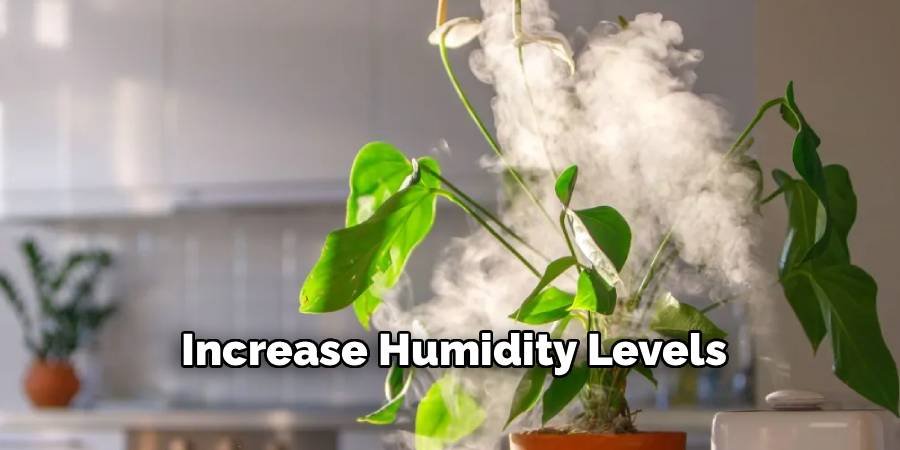
Place water-filled trays with pebbles beneath plant pots, ensuring the pot bottom doesn’t touch the water directly. As water evaporates, it increases local humidity around your plants. Humidifiers provide more consistent results and can be particularly effective in rooms dedicated to plant care. Aim for humidity levels between 40-60% for most houseplants. You can also mist plants regularly, though this method requires careful timing to avoid fungal issues. Always mist during morning hours so leaves can dry before evening temperatures drop.
Step 5: Implement Heat Mats for Root Warmth
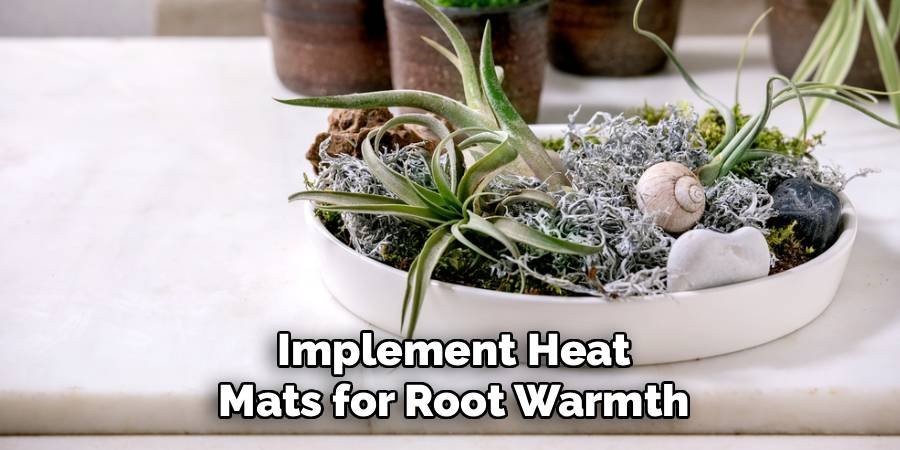
Heat mats designed for plants provide consistent bottom heat that keeps root systems warm and active during cold weather. This bottom-up heating approach mimics natural soil warming and can be more effective than ambient air heating alone. Many tropical plants respond particularly well to warm root zones, showing improved growth and resilience even when air temperatures are cooler.
Place waterproof heat mats beneath plant saucers or directly under pots, depending on the mat design. Most plant heat mats maintain temperatures between 75-85°F, which is ideal for root health without overheating. Use mats with built-in thermostats to prevent overheating, and consider purchasing multiple smaller mats rather than one large mat to customize heating for different plant needs. Heat mats are particularly beneficial for plants in terracotta pots, which tend to feel cold to the touch and can chill root systems more quickly than plastic containers.
Step 6: Optimize Light Exposure for Warmth
Light provides both energy for photosynthesis and passive heating for your plants. Maximize natural light exposure by cleaning windows regularly and removing any obstacles that block sunlight during the shorter winter days. Even weak winter sunlight can provide valuable warmth when concentrated effectively around your plant area.
Grow lights serve double duty during winter months, providing both necessary light spectrum and gentle heat. LED grow lights produce less heat than traditional fluorescent or incandescent options, but positioning multiple LED panels can create a warm microenvironment. Full-spectrum lights positioned 12-24 inches above plants provide optimal light while contributing to ambient warmth. Consider using timers to extend lighting hours during short winter days, giving plants both the light and warmth they need to maintain healthy growth patterns throughout the cold season.
Step 7: Monitor and Adjust Watering Practices
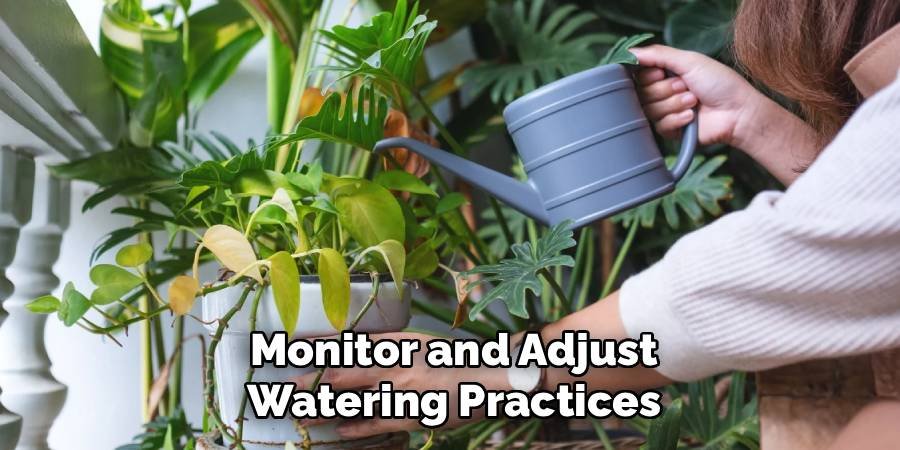
Cold temperatures significantly affect how quickly plants absorb water and how fast soil dries out. Overwatering becomes a serious risk during winter months because cold, wet soil can damage root systems and promote fungal growth. Check soil moisture more frequently but water less often, allowing the top inch of soil to dry between waterings for most plants.
Water temperature matters more during winter months than many plant parents realize. Cold water can shock root systems that are already stressed by lower temperatures. Use room-temperature or slightly warm water when watering, and water during morning hours so plants have time to absorb moisture before evening temperatures drop. Consider reducing watering frequency by 25-50% compared to summer schedules, adjusting based on individual plant needs and your home’s specific conditions. Plants in heated areas may still need regular watering, while those in cooler spots require less frequent attention.
Step 8: Create Warm Microclimates
Establishing warm microclimates allows you to concentrate heating efforts in specific areas rather than warming entire rooms. Use room dividers, curtains, or furniture arrangements to create cozy corners where warm air collects naturally. These enclosed spaces retain heat more effectively and can be easier to monitor and control.
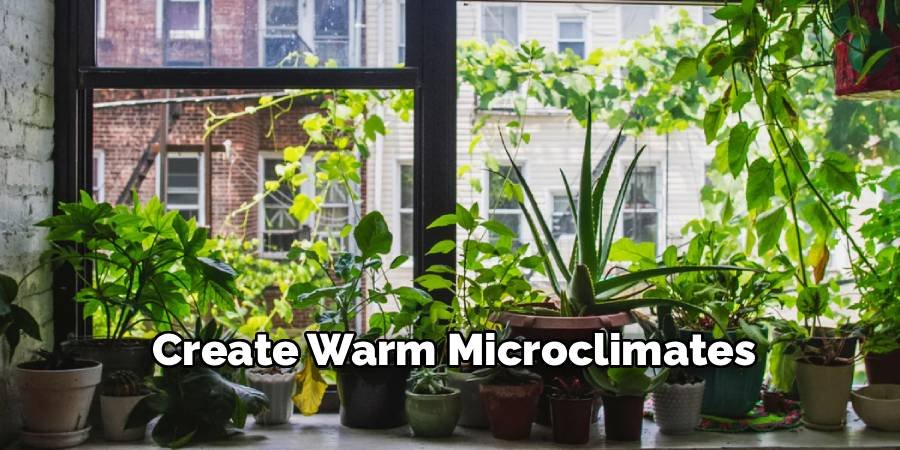
Terrariums and glass enclosures create excellent warm microclimates for smaller plants, trapping humid, warm air while protecting against drafts. For larger plants, consider creating plant rooms or dedicating heated spaces specifically for plant care during winter months. Use thermal mass objects like water-filled containers or stone decorations that absorb heat during the day and release it slowly at night. Even simple arrangements like placing plants near heat-retaining materials or in corners where warm air naturally collects can make significant differences in plant health and comfort during the coldest months.
Maintaining Your Winter Plant Care Routine
Consistency is key to successful winter plant care. Establish daily and weekly routines that help you monitor temperature conditions and plant health. Check soil moisture, leaf condition, and overall plant appearance regularly, as winter stress can develop quickly when conditions change.
Keep detailed records of temperature readings, watering schedules, and any changes in plant appearance. This information helps you identify patterns and adjust care practices before problems become serious. Many plant parents find that winter care requires more attention to detail than summer care, but the extra effort pays off in healthier plants.
Invest in quality tools like digital thermometers, humidity gauges, and moisture meters to take the guesswork out of plant care. These instruments provide objective data that helps you make informed decisions about heating, watering, and other care adjustments throughout the winter season.
FAQ
What temperature is too cold for most houseplants?
Most tropical houseplants suffer damage when temperatures drop below 50°F, with many showing stress symptoms at temperatures below 60°F for extended periods.
Can I use regular blankets to cover plants at night?
Yes, lightweight blankets or sheets can protect plants from cold drafts overnight, but remove them during daylight hours to ensure adequate light exposure.
How often should I water plants in winter?
Water frequency should decrease by 25-50% in winter, checking soil moisture regularly and watering only when the top inch becomes dry.
Do heat mats work for all types of houseplants?
Heat mats benefit most tropical plants, but succulents and plants preferring cooler conditions may not need supplemental bottom heat during winter months.
Should I fertilize plants less during winter?
Reduce fertilizing frequency by 50-75% during winter months, as most plants enter slower growth periods and require fewer nutrients in cold weather.
Conclusion
Learning how to keep houseplants warm in winter transforms the challenging cold season into an opportunity for deeper plant care understanding. By implementing strategic placement, supplemental heating, humidity control, and consistent monitoring, you can maintain thriving indoor gardens regardless of outdoor temperatures.
The key to winter plant success lies in understanding that small, consistent efforts yield better results than dramatic interventions. Your plants don’t need tropical greenhouse conditions to survive winter—they simply need protection from extreme cold, adequate humidity, and stable care routines.
Remember that every home and plant collection is unique. Experiment with different combinations of these techniques to find what works best for your specific situation. With patience and attention to detail, you’ll discover that winter plant care can be just as rewarding as tending to your green friends during the growing season.
Your dedication to learning proper winter care techniques will reward you with healthy, resilient plants that continue growing and thriving throughout the coldest months. Start implementing these strategies now, and watch your indoor garden flourish despite the winter weather outside.

About Ravuk Barg
B.Sc. Horticulture Science | Certified Master Gardener
Ravuk Barg has spent more than a decade with his hands in the soil and his head full of questions about why some gardens thrive while others struggle. What started as a single raised bed of tomatoes and basil in a modest backyard has grown into a deep, working knowledge of everything from seed germination and soil amendment to companion planting and seasonal pruning.
Over the years, Ravuk has gardened through drought summers, waterlogged springs, and pest invasions that would make most gardeners hang up their trowels for good. Those hard seasons, he’ll tell you, taught him more than any perfect growing year ever could. He writes from that earned experience—covering vegetable growing, ornamental planting, houseplant care, composting, and garden design with equal confidence and curiosity.
Philosophy & Approach
Ravuk’s approach to gardening is rooted in practicality. He favors organic methods not out of dogma, but because they work long-term—resulting in healthier soil, fewer inputs, and stronger plants. He has a particular fondness for heirloom vegetable varieties (the kind with proper flavor), unruly cottage-style flower beds, and the stubborn houseplants that everyone else gave up on.
The Mission: Give readers the honest, experience-backed advice that helps them actually succeed in their gardens—not just the ideal version, but the real one; weeds, failures, and all.
Education & Credentials
-
B.Sc. in Horticulture Science
-
Greenfield Agricultural University
-
Focus: Plant Physiology, Soil Ecology, and Sustainable Crop Production
-
-
Master Gardener Certification
-
Cooperative Extension Service
-
Focus: 200+ hours of hands-on practical training and community garden work
-
Continuing Education
-
Organic Pest Management
-
Native Plant Landscaping
-
Sustainable Crop Production