

Learn how to get ants off plants naturally with proven methods. Discover safe ant removal techniques, natural ant repellents, and effective plant protection strategies for your garden. Finding ants crawling all over your beautiful plants can be really frustrating. Whether you’re dealing with indoor houseplants or outdoor garden plants, ants can cause serious problems. They don’t just look bad – they can actually hurt your plants and invite other pests to join the party.
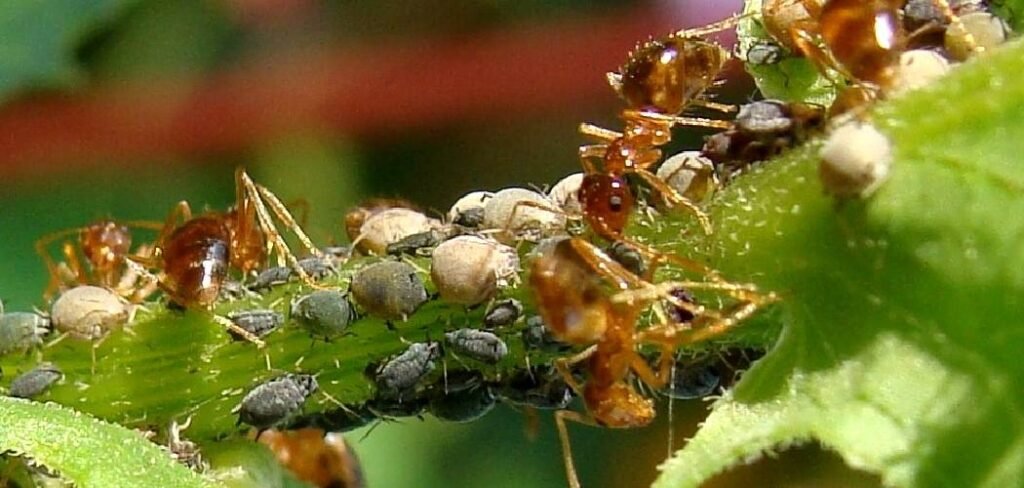
Ants love plants for many reasons. They eat the sweet sap that some plants make. They also farm tiny insects called aphids that make honeydew, which ants love to eat. When ants build their homes near plant roots, they can damage the root system and make it hard for plants to get water and food..
Why Do Ants Love Plants So Much?
Before we learn how to get ants off plants, it’s important to understand why they’re there in the first place. Ants are smart insects that always look for food, water, and safe places to live. Plants attract ants for several reasons. Many plants produce nectar or sweet sap that ants love to drink. Some flowers have special parts called nectaries that make sugar water just to attract helpful insects. Unfortunately, ants love this sugar water too.
Ants also love aphids, which are tiny green or black insects that suck plant juices. Aphids make a sweet substance called honeydew when they eat. Ants protect aphids like farmers protect cows because they want to harvest the honeydew. This creates a big problem because aphids can seriously damage your plants. Sometimes ants build their nests in flower pots or garden soil because the dirt is loose and easy to dig. When they do this, they can disturb plant roots and make it hard for plants to grow properly.
Signs That Ants Are Hurting Your Plants
Knowing the warning signs helps you act fast before ants cause serious damage. Here are the main things to look for: You might see lines of ants marching up and down plant stems or walking around flower pots. This usually means they’ve found a good food source on your plant. Check for aphids, scale insects, or mealybugs on your plants. These tiny pests often come with ant problems because ants protect them for their honeydew.
Plant leaves might look yellow, wilted, or sticky. The sticky feeling comes from honeydew that aphids and ants leave behind. You might notice small dirt piles around your plants or see ants going in and out of the soil. This means they’re building nests near your plant roots. Some plants might stop growing well or look unhealthy even when you water and feed them properly. Ant nests around roots can cause these problems.
5 Step-by-Step Guide on How to Get Ants Off Plants Naturally
Step 1: Remove the Food Sources
The first step in ant removal from plants is to take away what attracts them. Start by gently washing your plants with cool water to remove any sweet, sticky substances on the leaves and stems.
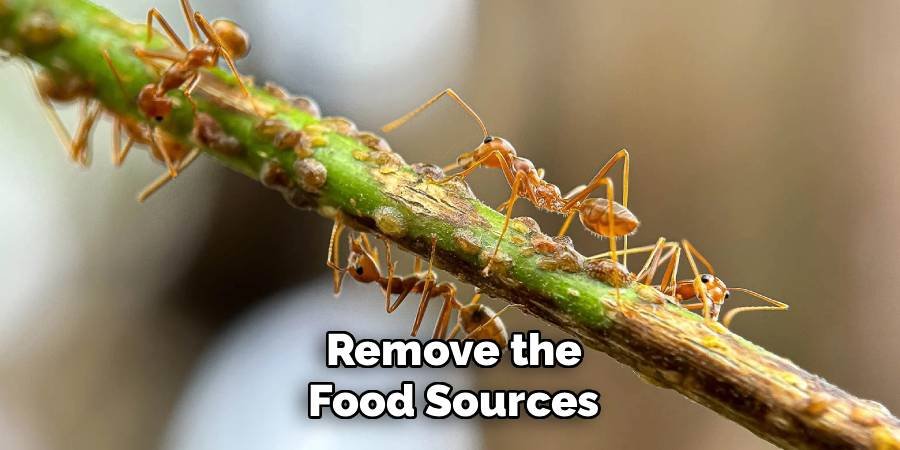
Look carefully for aphids, scale insects, or other tiny pests. These insects make honeydew that ants love. Remove them by spraying your plants with water or wiping them off with a soft cloth. Clean up any fallen fruits, flowers, or leaves around your plants. Rotting plant material attracts ants and other pests. If you have indoor plants, check the area around the pots for spilled water, plant food, or other things that might attract ants.
Step 2: Use Natural Ant Deterrents
Several safe, natural ingredients work great for keeping ants away from plants. Cinnamon powder is one of the best natural ant repellents. Sprinkle ground cinnamon around the base of your plants and on the soil surface. Ants hate the smell and won’t cross cinnamon barriers. Coffee grounds work wonderfully too. Used coffee grounds from your morning coffee make an excellent ant barrier. Spread them around your plants and mix some into the top layer of soil. As a bonus, coffee grounds add nutrients to your soil as they break down.
Diatomaceous earth is another powerful natural ant control method. Use only food-grade diatomaceous earth and sprinkle it around your plants. This natural powder damages ant exoskeletons and keeps them away without hurting plants or pets.
Step 3: Make Natural Ant Spray Solutions
Creating your own natural ant spray is easy and effective. Mix one part white vinegar with one part water in a spray bottle. Add a few drops of dish soap to help the mixture stick to surfaces. Spray this solution on ant trails and around the base of your plants.
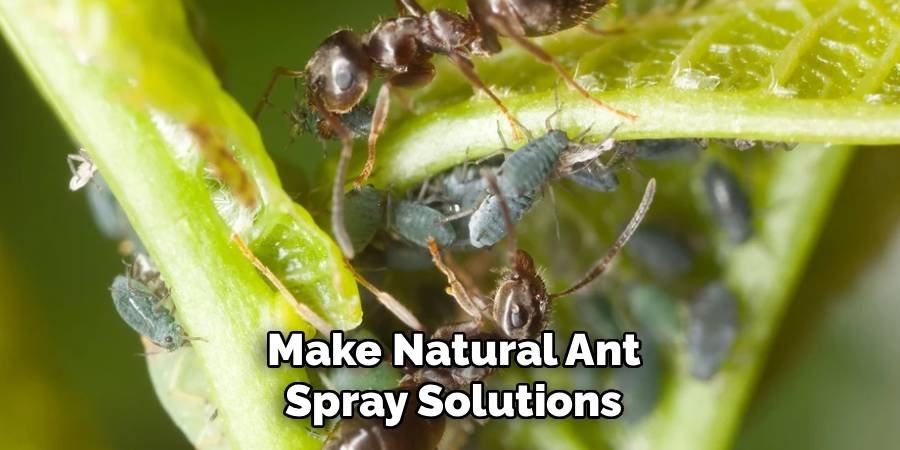
Another effective spray combines water with a few drops of peppermint essential oil. Ants hate the smell of peppermint, and this spray smells great to humans. Test any spray on a small part of your plant first to make sure it won’t cause damage. Lemon juice mixed with water also works well. The acid in lemon juice disrupts ant scent trails and keeps them from finding their way back to your plants.
Step 4: Create Physical Barriers
Physical barriers stop ants from reaching your plants in the first place. For potted plants, place the pots inside shallow dishes filled with water. Ants can’t swim across the water to reach your plants. Sticky tape or petroleum jelly around pot rims creates an effective barrier that ants won’t cross. Just be careful not to get these substances on your plant stems or leaves.
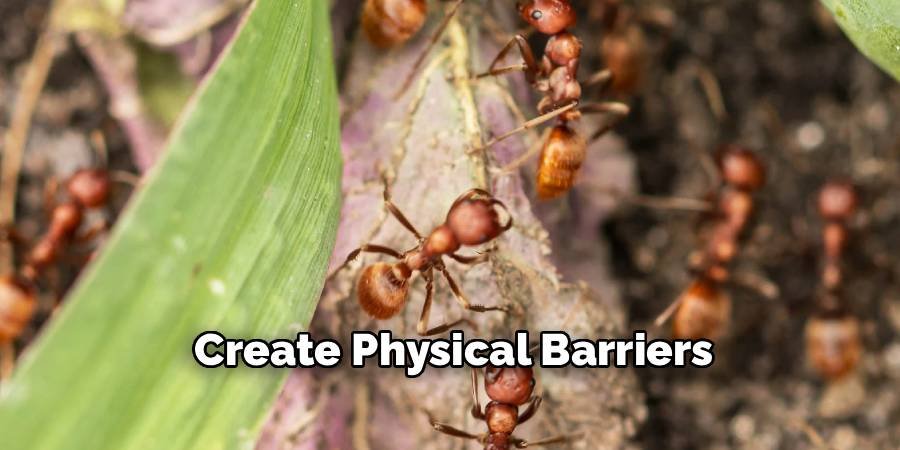
For outdoor plants, create barriers using materials like crushed eggshells, chalk dust, or even baby powder around the plant base. These materials feel uncomfortable on ant feet and discourage them from crossing.
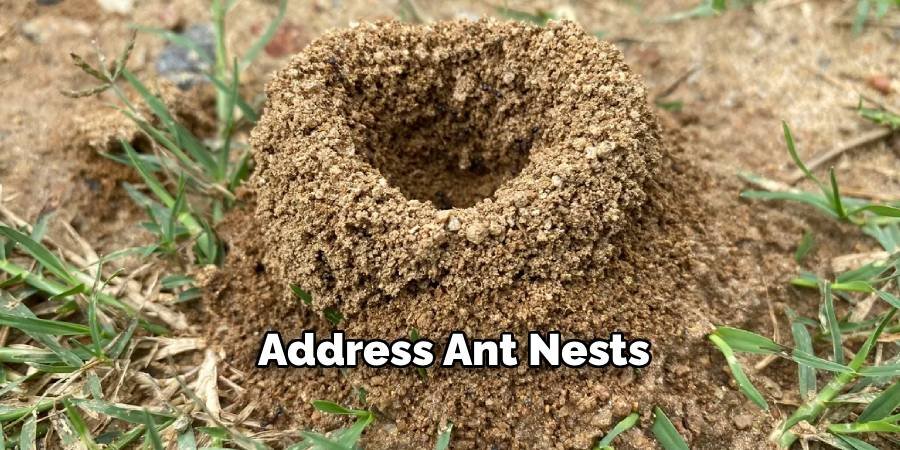
Step 5: Address Ant Nests
If you find ant nests in your plant pots or garden soil, you need to deal with them directly. For potted plants, you might need to repot your plant in fresh, clean soil.
Pour boiling water slowly into outdoor ant nests to kill the colony. Be careful not to pour boiling water on plant roots, as this can damage them.
Borax-based ant baits work well for serious infestations, but keep these away from pets and children. Place bait stations away from plants where ants will find them but kids and animals won’t.
Outdoor Garden Ant Prevention Strategies
Preventing ants in outdoor gardens requires a different approach than indoor plant care. Focus on making your garden less attractive to ants while encouraging beneficial insects that eat garden pests.
Keep your garden clean by removing fallen fruits, dead plant material, and weeds where ants might build nests. Regular garden cleanup is one of the best forms of ant prevention.
Plant ant-repelling plants like mint, tansy, or marigolds around your garden. These plants naturally keep ants away while adding beauty and sometimes useful herbs to your garden space.
Encourage beneficial insects like ladybugs and lacewings that eat aphids and other pests that attract ants. You can buy these helpful insects from garden centers or attract them by planting flowers they love.
Use companion planting strategies to create natural pest control. Plants like garlic, chives, and catnip planted near vulnerable plants help keep ants and other pests away naturally.
Frequently Asked Questions
Q: Will vinegar kill my plants while getting rid of ants? A: Plain white vinegar won’t hurt most plants when diluted with water, but test it on a small area first. Avoid getting vinegar solutions on plant roots, as the acid can damage them. Spray mainly on ant trails and around pot bases rather than directly on plant leaves.
Q: How often should I apply natural ant repellents around my plants? A: Reapply natural ant deterrents like cinnamon or coffee grounds every 1-2 weeks or after rain washes them away. Essential oil sprays need reapplication every few days since the oils evaporate quickly. Check your barriers regularly and refresh them when needed.
Q: Can I use baking soda to get ants off my plants safely? A: Yes, baking soda is safe for plants and can help control ants. Sprinkle it around plant bases or mix it with equal parts powdered sugar to create ant bait. The sugar attracts ants while the baking soda disrupts their digestive systems.
Q: What should I do if ants keep coming back to my plants? A: Persistent ant problems usually mean you haven’t found and eliminated the main attractant. Check thoroughly for aphids, scale insects, or honeydew on leaves. Also look for ant nests in nearby soil that need direct treatment. Sometimes you need to try multiple methods together.
Q: Are there any plants that naturally repel ants from my garden? A: Yes, several plants naturally repel ants including mint, tansy, marigolds, garlic, and catnip. Plant these around your garden perimeter or near plants that often have ant problems. Just remember that mint spreads quickly and might need containment in pots.
Conclusion
Learning how to get ants off plants doesn’t have to be complicated or require harmful chemicals. With natural methods like cinnamon barriers, coffee grounds, essential oil sprays, and proper plant care, you can effectively remove ants from your plants and keep them away.
Remember that successful ant control requires patience and consistency. Natural methods work well but often take longer than chemical solutions. The benefit is that these methods are safe for your family, pets, and the environment while being gentle on your plants.
Start with simple solutions like removing food sources and creating physical barriers. Add natural deterrents like cinnamon or coffee grounds for extra protection. Most importantly, maintain good plant hygiene and regular inspection routines to prevent future ant problems.
Whether you’re dealing with indoor houseplants or outdoor garden plants, these proven techniques will help you enjoy beautiful, ant-free plants throughout the growing season. With consistent application of these natural ant removal methods, you’ll create a healthy environment where your plants can thrive without unwanted ant visitors.

About Ravuk Barg
B.Sc. Horticulture Science | Certified Master Gardener
Ravuk Barg has spent more than a decade with his hands in the soil and his head full of questions about why some gardens thrive while others struggle. What started as a single raised bed of tomatoes and basil in a modest backyard has grown into a deep, working knowledge of everything from seed germination and soil amendment to companion planting and seasonal pruning.
Over the years, Ravuk has gardened through drought summers, waterlogged springs, and pest invasions that would make most gardeners hang up their trowels for good. Those hard seasons, he’ll tell you, taught him more than any perfect growing year ever could. He writes from that earned experience—covering vegetable growing, ornamental planting, houseplant care, composting, and garden design with equal confidence and curiosity.
Philosophy & Approach
Ravuk’s approach to gardening is rooted in practicality. He favors organic methods not out of dogma, but because they work long-term—resulting in healthier soil, fewer inputs, and stronger plants. He has a particular fondness for heirloom vegetable varieties (the kind with proper flavor), unruly cottage-style flower beds, and the stubborn houseplants that everyone else gave up on.
The Mission: Give readers the honest, experience-backed advice that helps them actually succeed in their gardens—not just the ideal version, but the real one; weeds, failures, and all.
Education & Credentials
-
B.Sc. in Horticulture Science
-
Greenfield Agricultural University
-
Focus: Plant Physiology, Soil Ecology, and Sustainable Crop Production
-
-
Master Gardener Certification
-
Cooperative Extension Service
-
Focus: 200+ hours of hands-on practical training and community garden work
-
Continuing Education
-
Organic Pest Management
-
Native Plant Landscaping
-
Sustainable Crop Production