

Do you see tiny bugs crawling around your houseplant’s soil? Don’t worry – you’re not alone! Many plant lovers face this problem. Bugs in houseplant soil are very common, but they can harm your plants if you don’t take care of them quickly.
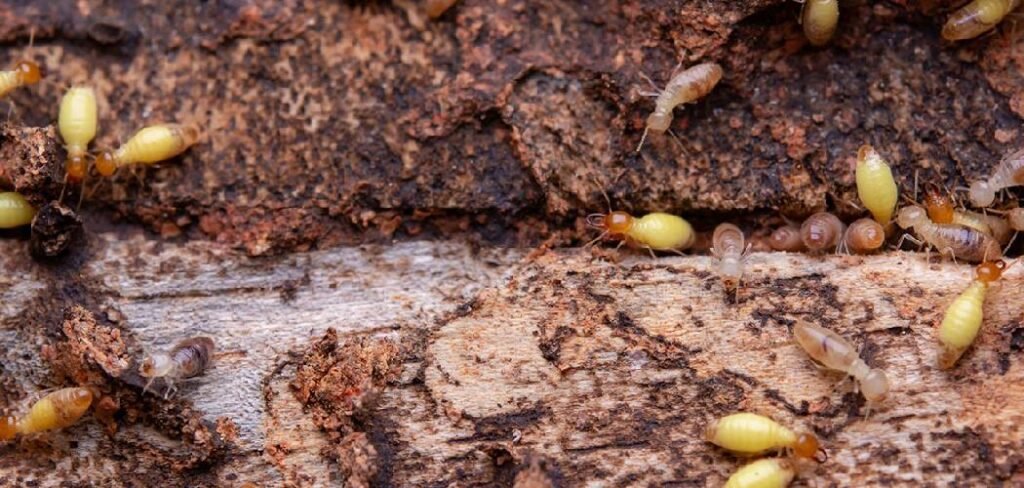
When bugs live in your plant’s soil, they can eat the roots, spread diseases, and make your plants sick. Some bugs also fly around your house, which is very annoying. The good news is that you can get rid of these bugs easily with the right methods. In this guide, you will learn everything about how to get rid of bugs on houseplants soil. We will show you simple steps that work well and keep your plants healthy and happy.
Common Types of Bugs Found in Houseplant Soil
Before you start treating the bugs, it’s important to know what type of bugs you have. Here are the most common bugs that live in houseplant soil:
Fungus Gnats are small black flies that love wet soil. They lay eggs in the soil, and their babies eat plant roots. You will see adult gnats flying around your plants.
Spider Mites are very tiny bugs that you can barely see. They make small webs on leaves and suck plant juices. They like dry conditions and spread very fast.
Aphids are small, soft bugs that can be green, black, or white. They stick to plant stems and leaves, drinking plant sap and making plants weak.
Thrips are thin, tiny bugs that scratch plant leaves and drink the juices. They leave silver marks on leaves and can jump or fly away quickly.
Mealybugs look like small pieces of cotton. They stick to plants and drink sap, making plants yellow and sick.
Scale Insects look like small brown or white bumps on plant stems. They don’t move much but damage plants by drinking their juices.
Why Do Bugs Appear in Houseplant Soil?
Understanding why bugs come to your plants helps you prevent them better. Here are the main reasons:
Too Much Water is the biggest reason bugs love houseplant soil. When soil stays wet all the time, it creates a perfect home for bugs to live and make babies.
Poor Air Flow around your plants makes the air still and humid. Bugs love this type of environment and will stay longer.
Dirty Soil that has old plant pieces or food scraps attracts bugs. They come to eat these things and then stay to harm your plants.
Bringing New Plants into your home can bring bugs with them. Always check new plants carefully before putting them near your other plants.
Overfeeding Plants with too much fertilizer can attract bugs. Some bugs love the extra nutrients in over-fertilized soil.
8 Step-by-Step Guide on How to Get Rid of Bugs on Houseplants Soil
Follow these simple steps to remove bugs from your houseplant soil effectively:
Step 1: Identify the Bug Problem
First, look at your plant carefully. Check the soil surface, under leaves, and around the plant pot. Use a magnifying glass if you have one to see tiny bugs better.
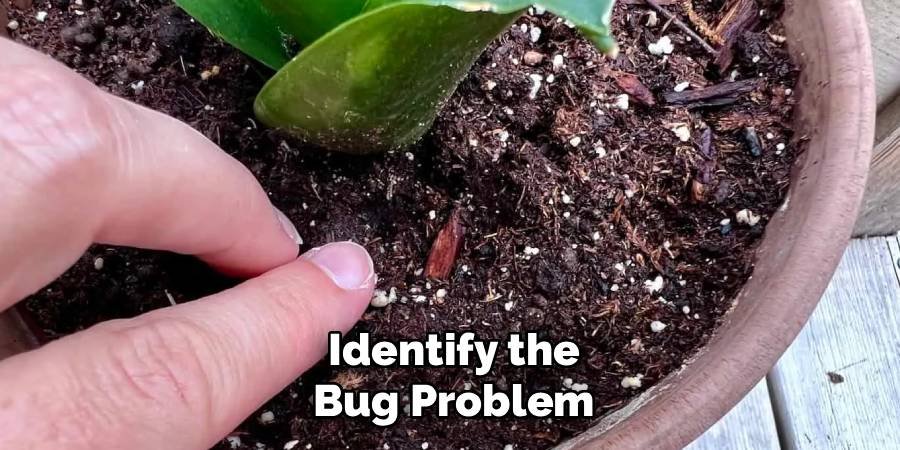
Look for signs like small flies around the plant, white fuzzy spots, tiny webs, or small moving dots on leaves. Take a photo if you’re not sure what type of bug it is. Count how many plants have bugs. If many plants have the same problem, you might need to treat all of them at once.
Step 2: Isolate Affected Plants
Move plants with bugs away from your healthy plants right away. Put them in a separate room or area where bugs can’t spread to other plants. This step is very important because many bugs can fly or crawl to nearby plants. Keep affected plants isolated until you’re sure all bugs are gone. Check your healthy plants every few days to make sure bugs haven’t spread to them too.
Step 3: Remove the Top Layer of Soil
Take away the top 1-2 inches of soil from affected plants. This removes many bug eggs and babies that live near the surface. Put this old soil in a sealed bag and throw it away. Don’t put it in your compost because bugs might survive and cause problems later. Be gentle when removing soil so you don’t hurt plant roots. Use a small spoon or your hands to carefully scoop out the soil.
Step 4: Clean the Plant and Pot
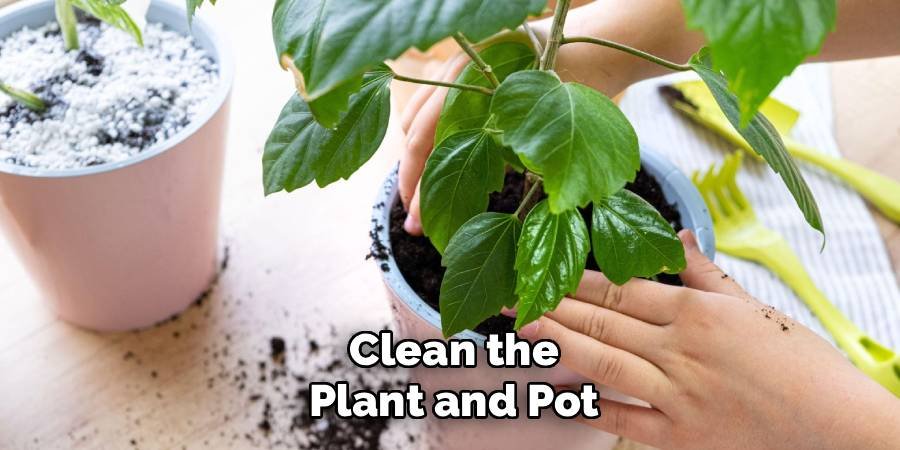
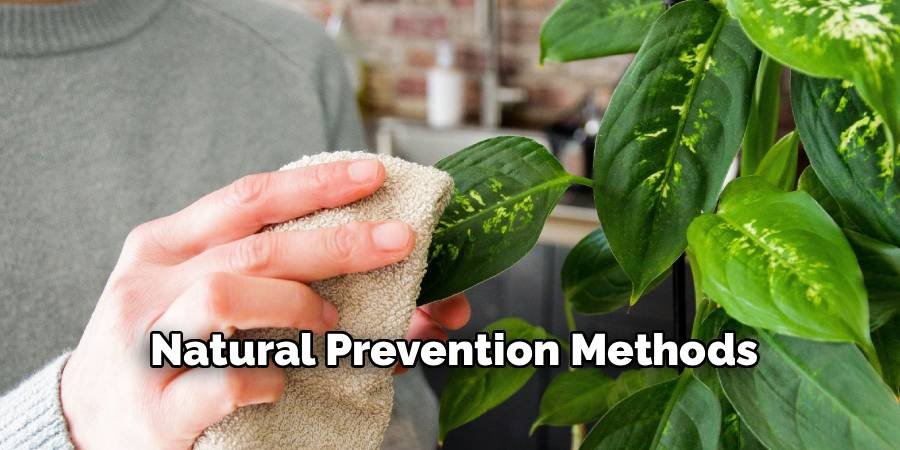
Wipe down all plant leaves with a damp cloth to remove bugs and eggs. Pay special attention to the undersides of leaves where many bugs like to hide. Clean the plant pot with warm soapy water. Scrub away any dirt or bug residue. Rinse well and let it dry completely. If bugs are really bad, you might need to take the plant out of its pot completely and wash the roots gently with water.
Step 5: Apply Treatment Solutions
Choose one of these natural treatments that work well for most soil bugs:
Neem Oil Solution: Mix 2 tablespoons of neem oil with 1 gallon of water. Spray this on the soil and leaves. Neem oil kills bugs and stops new ones from coming.
Soap Water Treatment: Mix 1 tablespoon of mild dish soap with 1 quart of water. Spray this mixture on affected areas. The soap kills soft-bodied bugs like aphids.
Hydrogen Peroxide Solution: Mix 1 part 3% hydrogen peroxide with 4 parts water. Pour this on the soil to kill bug larvae and eggs.
Diatomaceous Earth: Sprinkle food-grade diatomaceous earth on the soil surface. This powder cuts bugs and dries them out naturally.
Step 6: Improve Drainage and Watering
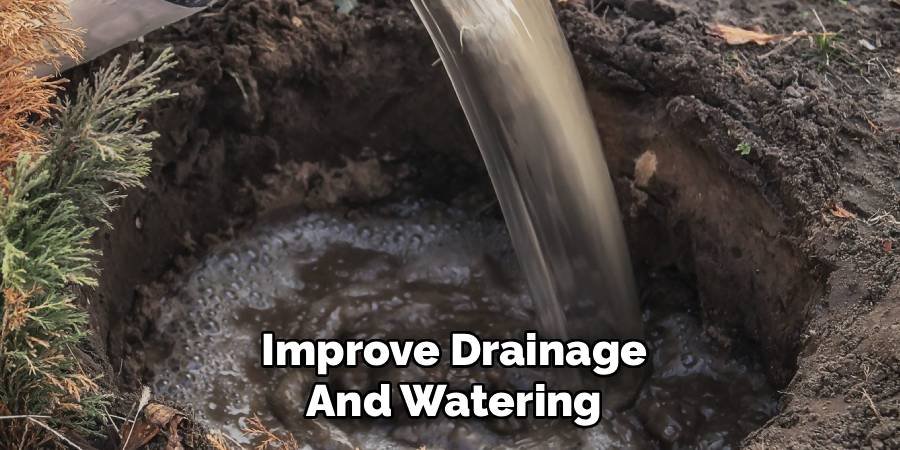
Fix any drainage problems in your plant pots. Add holes to the bottom if needed, or use pots with better drainage. Change your watering schedule. Let the soil dry out between waterings. Stick your finger into the soil – if it’s dry 1-2 inches down, it’s time to water. Use a moisture meter if you’re not sure when to water. This tool tells you exactly how wet or dry your soil is.
Step 7: Add Fresh, Clean Soil
Replace the soil you removed with fresh, sterile potting mix. Don’t use garden soil because it might have bugs or diseases. Choose high-quality potting soil that drains well. Look for mixes made for houseplants that contain perlite or vermiculite for better drainage. Pack the new soil gently around the plant. Don’t press it down too hard because roots need air spaces to breathe.
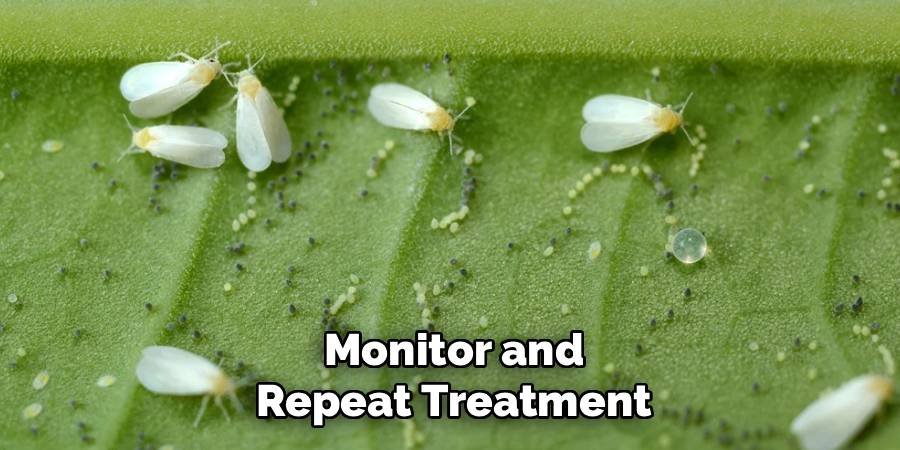
Step 8: Monitor and Repeat Treatment
Check your plants every few days for new bugs. Some treatments need to be repeated 2-3 times to kill all bugs and their eggs. Keep treated plants isolated for at least 2 weeks. This makes sure all bugs are really gone before you put plants back with your healthy ones. If bugs come back, repeat the treatment process. Sometimes it takes several tries to completely get rid of stubborn bug problems.
Natural Prevention Methods
Preventing bugs is easier than getting rid of them. Here are simple ways to keep bugs away from your houseplant soil:
Proper Watering is the most important prevention method. Water only when the soil is dry, and always let excess water drain away completely.
Good Air Circulation helps prevent bugs. Use a small fan near your plants or open windows when weather allows. Moving air makes it hard for bugs to settle on your plants.
Regular Plant Inspection helps you catch bug problems early. Check your plants once a week for any signs of bugs or damage.
Clean Growing Environment keeps bugs away. Remove dead leaves, fallen plant parts, and any spilled soil around your plants.
Quarantine New Plants for 2-3 weeks before putting them with your other plants. This gives you time to spot any bug problems.
When to Use Chemical Treatments
Sometimes natural methods aren’t strong enough for serious bug problems. Here’s when you might need stronger treatments:
If natural treatments don’t work after 3-4 tries, you might need chemical insecticides. Choose products made specifically for houseplants and follow all directions carefully.
For valuable or rare plants that are badly infested, chemical treatments might save them faster than natural methods.
Always try natural methods first because they’re safer for you, your family, and pets. Chemical treatments should be your last choice.
If you use chemical treatments, keep plants away from children and pets until the products are completely dry.
Long-term Soil Health Maintenance
Keeping your plant soil healthy prevents many bug problems. Here’s how to maintain good soil:
Replace Potting Soil completely every 1-2 years. Old soil gets compacted and can harbor bugs and diseases.
Add Beneficial Insects like predatory mites to your plant area. These good bugs eat the bad bugs naturally.
Use Quality Fertilizer but don’t overfeed plants. Too much fertilizer attracts bugs and can burn plant roots.
Maintain Proper Humidity around your plants. Most houseplants like 40-60% humidity. Use a humidity meter to check levels.
Rotate Plant Locations occasionally to prevent bugs from settling in one area. This also gives plants different light conditions.
Frequently Asked Questions
Q: How often should I check my houseplants for bugs? A: Check your houseplants at least once a week. Look under leaves, around the soil, and on plant stems. Early detection makes treatment much easier and more effective.
Q: Can I use regular garden soil instead of potting mix to avoid bugs? A: No, don’t use garden soil for houseplants. Garden soil often contains bugs, diseases, and doesn’t drain well in pots. Always use sterile potting mix made for houseplants.
Q: Are coffee grounds effective for getting rid of soil bugs? A: Coffee grounds can help repel some bugs, but they’re not very effective alone. They can also make soil too acidic for some plants. It’s better to use proven treatments like neem oil.
Q: How long does it take to completely eliminate bugs from houseplant soil? A: It usually takes 2-4 weeks to completely get rid of bugs, depending on the type and how bad the infestation is. You might need to repeat treatments several times.
Q: Can bugs in houseplant soil harm humans or pets? A: Most houseplant bugs don’t directly harm humans or pets, but some people might be allergic to them. However, the treatments you use might be harmful, so always keep chemicals away from children and pets.
Conclusion
Getting rid of bugs on houseplants soil doesn’t have to be difficult or stressful. By following the step-by-step methods in this guide, you can eliminate most common soil pests naturally and safely. Remember that prevention is always better than treatment – proper watering, good drainage, and regular plant inspection will keep most bugs away from your plants.
The key to success is being patient and consistent with your treatments. Most bug problems need 2-3 treatment cycles to be completely resolved. Don’t give up if you don’t see results immediately. Natural treatments take time to work, but they’re safer for your home environment.
Keep your plants healthy by maintaining good growing conditions, and they’ll be strong enough to resist bug problems naturally. With proper care and attention, your houseplants can thrive bug-free for years to come, bringing beauty and fresh air to your home.

About Ravuk Barg
B.Sc. Horticulture Science | Certified Master Gardener
Ravuk Barg has spent more than a decade with his hands in the soil and his head full of questions about why some gardens thrive while others struggle. What started as a single raised bed of tomatoes and basil in a modest backyard has grown into a deep, working knowledge of everything from seed germination and soil amendment to companion planting and seasonal pruning.
Over the years, Ravuk has gardened through drought summers, waterlogged springs, and pest invasions that would make most gardeners hang up their trowels for good. Those hard seasons, he’ll tell you, taught him more than any perfect growing year ever could. He writes from that earned experience—covering vegetable growing, ornamental planting, houseplant care, composting, and garden design with equal confidence and curiosity.
Philosophy & Approach
Ravuk’s approach to gardening is rooted in practicality. He favors organic methods not out of dogma, but because they work long-term—resulting in healthier soil, fewer inputs, and stronger plants. He has a particular fondness for heirloom vegetable varieties (the kind with proper flavor), unruly cottage-style flower beds, and the stubborn houseplants that everyone else gave up on.
The Mission: Give readers the honest, experience-backed advice that helps them actually succeed in their gardens—not just the ideal version, but the real one; weeds, failures, and all.
Education & Credentials
-
B.Sc. in Horticulture Science
-
Greenfield Agricultural University
-
Focus: Plant Physiology, Soil Ecology, and Sustainable Crop Production
-
-
Master Gardener Certification
-
Cooperative Extension Service
-
Focus: 200+ hours of hands-on practical training and community garden work
-
Continuing Education
-
Organic Pest Management
-
Native Plant Landscaping
-
Sustainable Crop Production