

Do you have problems with birds ruining your beautiful lawn? Many homeowners face this challenge. Birds can dig holes, eat grass seeds, and leave droppings everywhere. This makes your yard look messy and damaged. The good news is that there are many safe ways to keep birds away from your lawn.
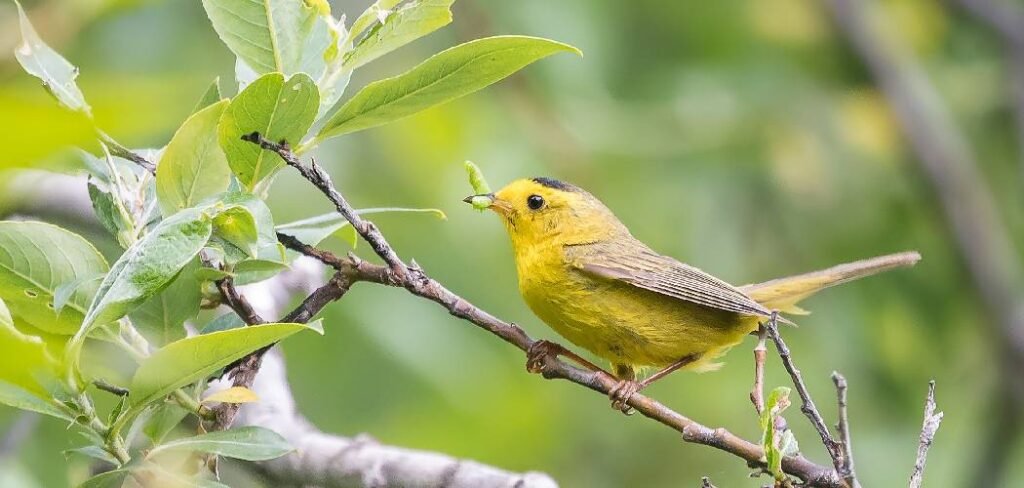
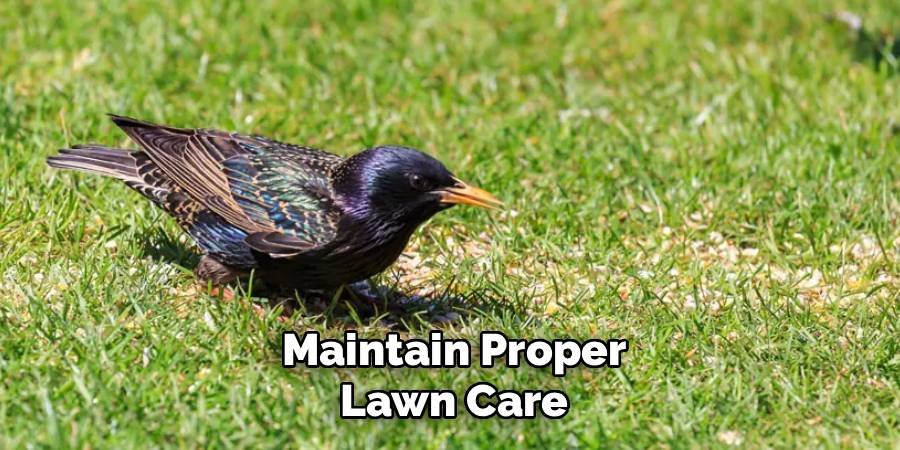
Birds come to lawns for different reasons. They look for food like worms, insects, and seeds. They also want water and safe places to rest. Some birds, like crows and starlings, can cause serious damage to grass. They dig up new seed and create bare spots in your yard. In this guide, you will learn how to keep birds off lawn using 10 effective methods. These tips are safe for birds and your family. You can protect your lawn without hurting any animals.
Why Do Birds Come to Your Lawn?
Before learning how to keep birds off lawn, you need to understand why they visit. Birds are smart animals that look for three main things:
Food Sources: Your lawn has many tasty treats for birds. Earthworms live in healthy soil. Grubs and insects hide in the grass. Newly planted grass seeds are like bird candy. Even fallen fruits from trees attract different types of birds.
Water Access: Birds need water every day for drinking and bathing. Sprinkler systems, puddles, and wet areas draw birds to your property. They remember where they find water and come back often.
Shelter and Safety: Large trees, bushes, and tall grass give birds places to hide from danger. Your yard might feel safe to them, especially if you have bird feeders or houses nearby.
Nesting Spots: During spring and summer, birds look for good places to build nests. Thick bushes, tree branches, and even roof areas can become bird homes.
Understanding these reasons helps you choose the best methods to keep birds away. You want to make your lawn less attractive to birds without creating an ugly yard.
10 Effective Method on How to Keep Birds Off Lawn
1. Install Bird Netting
Bird netting is one of the most effective ways to keep birds off lawn areas. This method creates a physical barrier that stops birds from landing on your grass. Choose fine mesh netting that birds cannot get through.
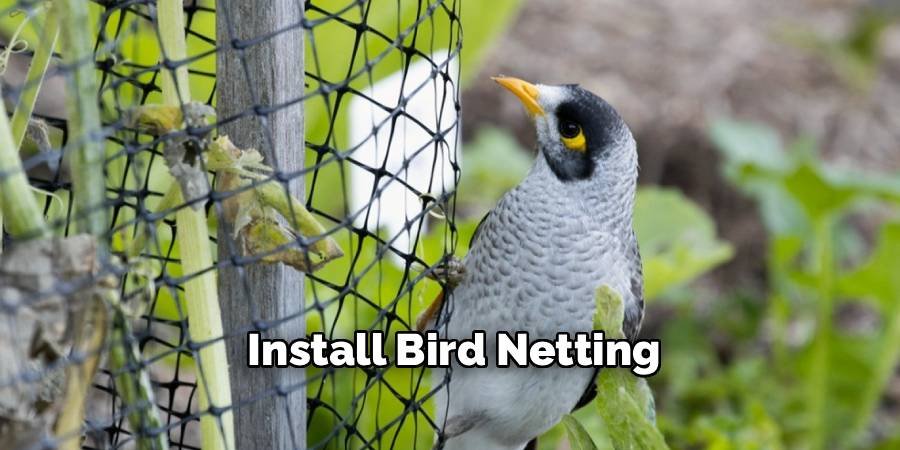
Cover newly seeded areas with netting right after planting. Make sure the netting touches the ground on all sides. Use stakes or rocks to hold it in place. Remove the netting once grass grows thick and strong. For permanent protection, install netting over problem areas. This works well for small lawn sections or garden beds. The netting is almost invisible from a distance but very effective.
2. Use Reflective Tape and Mirrors
Shiny objects scare many types of birds. Reflective tape moves in the wind and creates flashing lights. This confuses birds and makes them fly away from your lawn.
Hang strips of reflective tape from poles, trees, or fence posts around your yard. Place them about 10 feet apart for best results. The tape works better when it can move freely in the breeze.
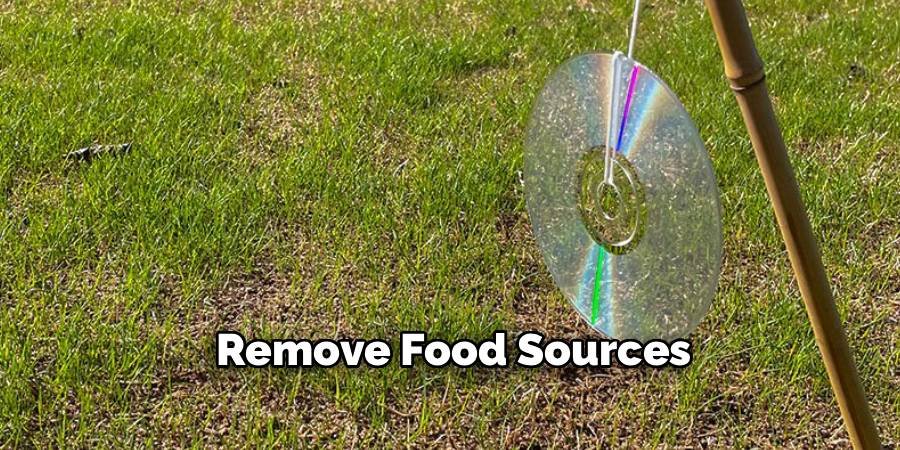
Small mirrors or old CDs also work well. Hang them at different heights to create more light patterns. Replace or move these items every few weeks so birds don’t get used to them.
3. Apply Natural Bird Repellent Sprays
Natural sprays help keep birds away without using harmful chemicals. Many birds dislike certain smells and tastes. You can buy commercial bird repellents or make your own at home.
Mix water with peppermint oil, garlic powder, or cayenne pepper. Spray this mixture on your lawn every few days. The smell will fade for humans but birds can still detect it.
Another effective spray combines water, dish soap, and crushed red pepper. Test any spray on a small grass area first to make sure it won’t damage your lawn.
4. Set Up Motion-Activated Sprinklers
Motion-activated sprinklers are excellent tools for how to keep birds off lawn without constant effort. These devices detect movement and spray water at approaching birds. The sudden water spray startles birds and teaches them to avoid your yard.
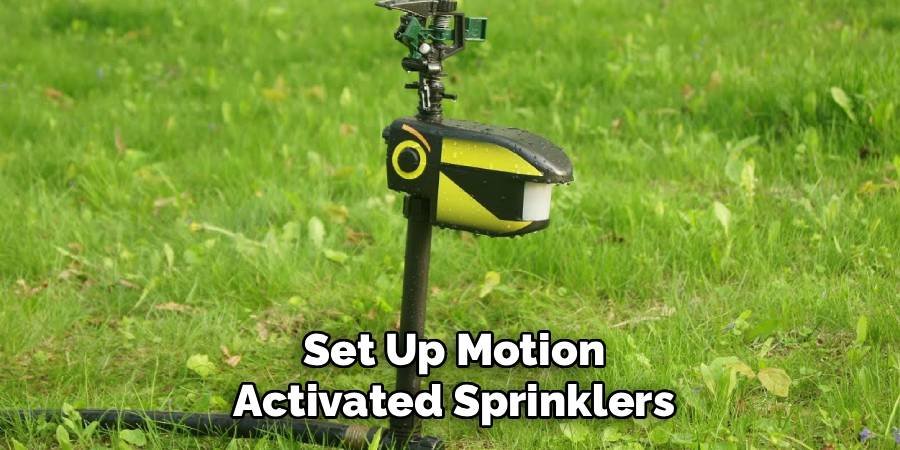
Place sprinklers near areas where birds cause the most damage. Adjust the sensitivity so they activate for birds but not for small movements like falling leaves. Most sprinklers work day and night for complete protection.
This method is safe, effective, and helps water your lawn at the same time. Birds quickly learn to stay away from areas with motion sprinklers.
5. Create Physical Barriers
Physical barriers stop birds from reaching your grass. Low fences, garden edging, or temporary barriers work well for protecting specific areas.
For newly seeded lawns, create temporary barriers using chicken wire or hardware cloth. Place the barrier slightly above the ground so grass can grow through but birds cannot dig.
Row covers made from lightweight fabric also protect grass while allowing sunlight and rain to reach the soil. These covers are easy to remove once grass establishes itself.
6. Remove Food Sources
One of the best ways to keep birds off lawn is removing things that attract them. Clean up fallen fruits, nuts, and berries regularly. These natural foods draw birds to your property. Fix leaky sprinklers and remove standing water where possible. Birds need water sources, so eliminating unnecessary water helps discourage visits.
Store birdseed in sealed containers and clean up spilled seed from feeders. If bird problems are severe, consider removing feeders temporarily until grass establishes.
7. Use Decoy Predators
Fake owls, hawks, and snakes can scare smaller birds away from your lawn. These decoy predators work because birds naturally fear these animals.
Place decoys in visible locations around your yard. Move them to different spots every few days so birds don’t realize they’re fake. Some decoys have moving parts or make sounds for better effectiveness.
For best results, choose decoys that look realistic and are the right size. Large fake owls work well for most songbirds and smaller pest birds.
8. Install Ultrasonic Bird Deterrents
Ultrasonic devices make high-pitched sounds that birds dislike but humans cannot hear. These electronic deterrents cover large areas and work continuously.
Place ultrasonic devices around the edges of your lawn for maximum coverage. Some devices also have flashing lights for extra deterrent power. Solar-powered options work well for areas without electrical outlets.
Choose devices designed specifically for birds and follow manufacturer instructions for placement. Results may vary depending on bird species and local conditions.
9. Plant Bird-Deterrent Plants
Certain plants naturally repel birds while adding beauty to your landscape. Strong-smelling herbs and plants with thorns discourage birds from spending time in your yard.
Plant marigolds, lavender, or mint around lawn edges. These plants have scents that many birds avoid. Thorny bushes like rose bushes or holly also create natural barriers.
Choose plants that grow well in your climate and soil conditions. This method takes time to establish but provides long-term bird control.
10. Maintain Proper Lawn Care
Healthy, thick grass is less attractive to birds and more resistant to damage. Proper lawn care helps prevent bird problems naturally. Water deeply but less frequently to discourage worms from coming to the surface. Thick grass makes it harder for birds to find insects and grubs. Overseed thin areas quickly to prevent bare spots that attract ground-feeding birds. Use grass seed varieties that establish quickly and grow thick. Regular fertilizing and proper mowing height help grass stay healthy and recover quickly from any bird damage.
FAQs About Keeping Birds Off Lawns
1. What is the most effective way to keep birds off lawn?
The most effective method combines several approaches. Physical barriers like netting work best for immediate protection. For long-term results, use motion-activated sprinklers along with removing food sources. Different bird species respond to different deterrents, so trying multiple methods gives better results than using just one approach.
2. Will bird repellent sprays harm my grass?
Most commercial bird repellent sprays are safe for grass when used correctly. Natural homemade sprays using peppermint oil or cayenne pepper are also grass-safe. Always test any spray on a small area first and follow label directions. Avoid sprays with harsh chemicals that might damage or discolor your lawn.
3. How long does it take for birds to stay away from treated areas?
Birds usually avoid treated areas within a few days to two weeks. Consistent application of deterrents works faster than sporadic efforts. Some stubborn birds may take longer to change their habits. Keep using your chosen methods for at least a month to see full results and prevent birds from returning.
4. Are there any birds that are harder to deter than others?
Yes, some birds are more persistent than others. Crows and starlings are very smart and adapt quickly to new deterrents. These birds may require multiple methods and frequent changes in your approach. Smaller songbirds usually respond faster to deterrents and are easier to discourage from lawn areas.
5. Can I use these methods around children and pets safely?
Most bird deterrent methods are safe around children and pets when used properly. Physical barriers, reflective tape, and motion sprinklers pose no safety risks. Natural repellent sprays are safer than chemical ones. Avoid using sticky bird repellents or harmful chemicals. Always supervise children around any deterrent devices and follow all safety instructions.
Conclusion
Learning how to keep birds off lawn doesn’t have to be difficult or expensive. The 10 methods in this guide offer safe and effective solutions for every type of yard and budget. Remember that the best approach often combines several different techniques. Start with simple methods like removing food sources and using reflective tape. Add physical barriers for newly seeded areas and consider motion-activated sprinklers for persistent problems. Be patient and consistent with your chosen methods, as it takes time for birds to change their habits.
The key to success is understanding why birds visit your lawn and addressing those attractions. By making your yard less appealing to birds while maintaining its beauty, you can enjoy a healthy, bird-free lawn all year long. Most importantly, all these methods protect birds while protecting your property, creating a win-win solution for everyone.

About Ravuk Barg
B.Sc. Horticulture Science | Certified Master Gardener
Ravuk Barg has spent more than a decade with his hands in the soil and his head full of questions about why some gardens thrive while others struggle. What started as a single raised bed of tomatoes and basil in a modest backyard has grown into a deep, working knowledge of everything from seed germination and soil amendment to companion planting and seasonal pruning.
Over the years, Ravuk has gardened through drought summers, waterlogged springs, and pest invasions that would make most gardeners hang up their trowels for good. Those hard seasons, he’ll tell you, taught him more than any perfect growing year ever could. He writes from that earned experience—covering vegetable growing, ornamental planting, houseplant care, composting, and garden design with equal confidence and curiosity.
Philosophy & Approach
Ravuk’s approach to gardening is rooted in practicality. He favors organic methods not out of dogma, but because they work long-term—resulting in healthier soil, fewer inputs, and stronger plants. He has a particular fondness for heirloom vegetable varieties (the kind with proper flavor), unruly cottage-style flower beds, and the stubborn houseplants that everyone else gave up on.
The Mission: Give readers the honest, experience-backed advice that helps them actually succeed in their gardens—not just the ideal version, but the real one; weeds, failures, and all.
Education & Credentials
-
B.Sc. in Horticulture Science
-
Greenfield Agricultural University
-
Focus: Plant Physiology, Soil Ecology, and Sustainable Crop Production
-
-
Master Gardener Certification
-
Cooperative Extension Service
-
Focus: 200+ hours of hands-on practical training and community garden work
-
Continuing Education
-
Organic Pest Management
-
Native Plant Landscaping
-
Sustainable Crop Production