

Dealing with cat poop in your garden soil can be really frustrating. Whether it’s from your own cat or neighborhood cats, this problem needs quick action. Cat feces can make your soil unsafe and harm your plants. The good news is that you can fix this problem with the right steps.
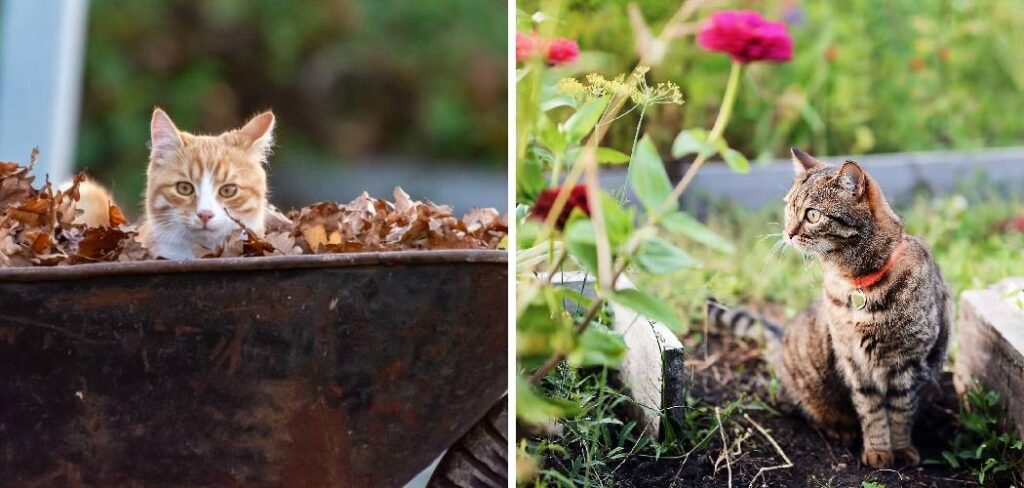
Cat waste contains harmful bacteria and parasites that can make people sick. It also has too much nitrogen that can burn plant roots. When cats use your garden as a litter box, they create health risks for your family and pets. Learning how to neutralize cat feces in soil will help keep your garden safe and healthy.
Why Cat Feces is Dangerous in Garden Soil
Cat poop carries many germs that can hurt humans and plants. The most dangerous is a parasite called Toxoplasma gondii. This tiny organism can cause a disease called toxoplasmosis. Pregnant women and people with weak immune systems are at the highest risk.
Besides parasites, cat waste has lots of bacteria like E. coli and Salmonella. These germs can live in soil for months. When you touch contaminated soil or eat vegetables grown in it, you might get very sick.
Cat feces also changes soil chemistry. It has too much nitrogen and ammonia. While plants need nitrogen, too much can burn their roots and kill them. The smell also attracts more cats to use the same spot.
10 Step-by-Step Methods on How to Neutralize Cat Feces in Soil
Step 1: Remove All Visible Cat Waste
Start by picking up all the cat poop you can see. Wear rubber gloves and use a small shovel or scoop. Put the waste in a plastic bag and throw it in the trash. Never put cat poop in compost piles because the heat won’t kill all the germs.
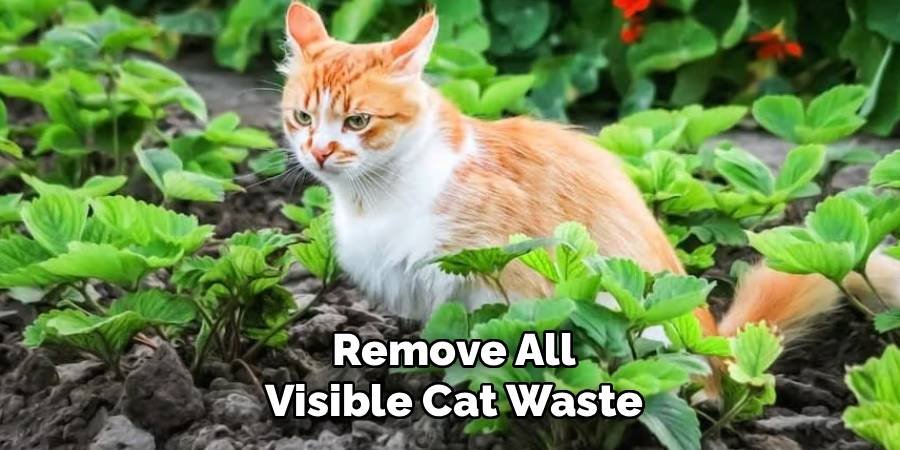
Look carefully for buried waste too. Cats often cover their droppings with soil. Use a small rake to check areas where you smell bad odors. Remove every piece you find.
Step 2: Apply Lime to Neutralize Acidity
Sprinkle garden lime over the affected soil area. Use about 2 pounds of lime for every 100 square feet. Lime helps balance the soil’s pH level and kills some harmful bacteria. It also reduces the strong ammonia smell that attracts more cats.
Work the lime into the top 6 inches of soil using a garden fork or tiller. Water the area lightly after applying lime. Let it sit for at least one week before planting anything new.
Step 3: Use Enzyme-Based Cleaners
Enzyme cleaners break down organic matter in cat waste. Buy pet-safe enzyme cleaners from garden stores. Spray or pour the cleaner over the contaminated soil. Follow the directions on the bottle for how much to use.
These special cleaners eat up the proteins and bacteria in cat poop. They work slowly but are very effective. You might need to apply them several times over a few weeks.
Step 4: Apply Diatomaceous Earth
Food-grade diatomaceous earth is a natural powder that kills parasites and bacteria. Sprinkle a thin layer over the soil where cats have been. This powder has tiny sharp pieces that cut up harmful organisms.
Mix the diatomaceous earth into the soil about 4 inches deep. Water the area lightly to help it work better. Reapply every two weeks until you’re sure the soil is clean.
Step 5: Use Beneficial Bacteria
Add good bacteria to your soil to fight the bad ones. Buy soil probiotics or beneficial bacteria from garden centers. These helpful microorganisms eat up harmful bacteria and parasites.
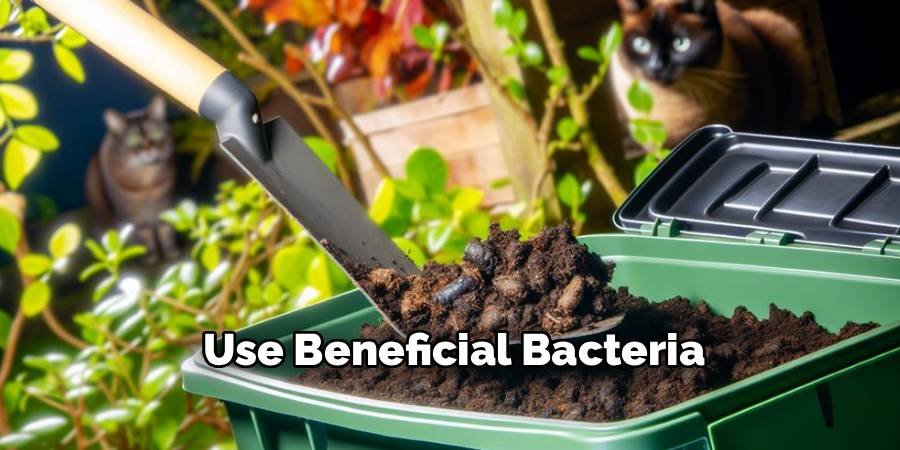
Mix the beneficial bacteria into your soil according to package directions. Keep the soil moist but not soggy so the good bacteria can grow and multiply. This method takes time but creates very healthy soil.
Step 6: Apply Heat Treatment
Hot water can kill many germs in contaminated soil. Boil large pots of water and pour slowly over small areas of affected soil. The water should be at least 160°F to kill most bacteria and parasites.
This method works best for small garden beds or container plants. Cover larger areas in sections, making sure the hot water soaks down 6 inches deep. Let the soil cool completely before handling it.
Step 7: Use Antimicrobial Soil Amendments
Add antimicrobial products like copper sulfate or potassium permanganate to your soil. These chemicals kill bacteria and parasites effectively. Use them very carefully and follow all safety instructions.
Mix small amounts into the contaminated soil. Too much can harm plants and helpful soil organisms. Always wear gloves and avoid breathing the dust from these products.
Step 8: Create Physical Barriers
Stop cats from coming back by making your garden less attractive to them. Place chicken wire or mesh over planted areas. Cats don’t like walking on rough surfaces.
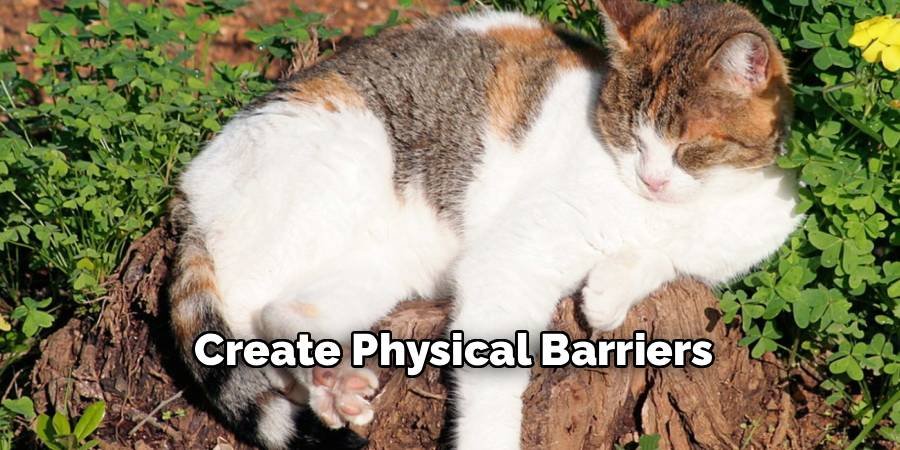
You can also use motion-activated sprinklers or ultrasonic devices. These scare cats away without hurting them. Plant herbs like lavender or rosemary that cats naturally avoid.
Step 9: Replace Heavily Contaminated Soil
Sometimes the contamination is too bad to fix. If cats have used the same spot for months, you might need to remove all the soil. Dig out the top 12 inches of contaminated earth.
Replace it with fresh, clean garden soil from a trusted supplier. This is expensive but guarantees your garden will be safe. Dispose of old soil properly at your local waste facility.
Step 10: Test and Monitor Soil Health
After treatment, test your soil to make sure it’s safe. Buy soil testing kits from garden stores or send samples to a lab. Check for harmful bacteria levels and pH balance.
Keep watching the treated areas for several weeks. Look for signs that cats are returning or that plants are having problems. Good soil should smell earthy and support healthy plant growth.
Natural Deterrents to Keep Cats Away
Prevention is always better than cleanup. Use natural methods to keep cats out of your garden. Sprinkle coffee grounds, citrus peels, or cayenne pepper around your plants. Cats hate these smells and will stay away.
Plant cat-repelling herbs like rue, pennyroyal, or coleus canina. These plants smell bad to cats but are safe for humans. Create a border of these plants around your vegetable garden.
Install motion-sensor lights or wind chimes. Cats prefer quiet, dark places to do their business. Anything that makes noise or light will scare them away.
When to Call Professionals
Some situations need expert help. If you have a large garden with heavy contamination, call professional soil remediation services. They have special equipment and chemicals that work better than home methods.
Pregnant women should never handle cat waste cleanup themselves. The risk of toxoplasmosis is too high. Have someone else do the work or hire professionals.
If family members keep getting sick after garden cleanup, stop working and get medical help. You might need stronger treatment methods or professional soil testing.
Frequently Asked Questions
1. How long does it take to neutralize cat feces in soil?
The time needed depends on how bad the contamination is and which method you use. Simple treatments like lime application take 1-2 weeks to work. Enzyme cleaners might need 4-6 weeks for complete neutralization. Heavily contaminated soil might need several months of treatment or complete replacement.
2. Is it safe to grow vegetables in soil that had cat poop?
You can grow vegetables safely after proper soil treatment. Wait at least 4 weeks after neutralizing the soil before planting edible crops. Test the soil to make sure harmful bacteria levels are low. Root vegetables like carrots and potatoes need extra caution because they grow directly in the soil.
3. What household items can neutralize cat feces smell in soil?
Baking soda, white vinegar, and coffee grounds can help reduce odors. Sprinkle baking soda over the area and work it into the soil. Coffee grounds also add nutrients while masking smells. However, these home remedies don’t kill dangerous bacteria and parasites.
4. Can cat feces contamination spread to other parts of my garden?
Yes, contamination can spread through water runoff, garden tools, and your shoes. Always clean tools with bleach solution after working in contaminated areas. Wash your hands and shoes thoroughly. Water can carry bacteria to nearby plants, so be careful about irrigation patterns.
5. How do I know if my soil neutralization worked?
Look for these signs: no more bad smells, healthy plant growth, and cats staying away from the area. You can also buy soil testing kits to check bacteria levels. Professional soil testing gives the most accurate results but costs more money.
Conclusion
Learning how to neutralize cat feces in soil is important for every gardener. Cat waste creates serious health risks and can damage your plants. But with the right approach, you can clean contaminated soil and make your garden safe again.
The key is acting quickly when you find cat poop in your garden. Remove all visible waste first, then choose the best neutralization method for your situation. Lime, enzyme cleaners, and beneficial bacteria are all effective options. Don’t forget to prevent future problems by making your garden less attractive to cats.
Remember that safety comes first. Always wear gloves and wash your hands after handling contaminated soil. Pregnant women and people with weak immune systems should avoid this work completely. When in doubt, ask professionals for help.
With patience and the right techniques, you can have a clean, healthy garden that’s safe for your family. Take action today to protect your soil and enjoy fresh, safe vegetables from your own backyard.

About Ravuk Barg
B.Sc. Horticulture Science | Certified Master Gardener
Ravuk Barg has spent more than a decade with his hands in the soil and his head full of questions about why some gardens thrive while others struggle. What started as a single raised bed of tomatoes and basil in a modest backyard has grown into a deep, working knowledge of everything from seed germination and soil amendment to companion planting and seasonal pruning.
Over the years, Ravuk has gardened through drought summers, waterlogged springs, and pest invasions that would make most gardeners hang up their trowels for good. Those hard seasons, he’ll tell you, taught him more than any perfect growing year ever could. He writes from that earned experience—covering vegetable growing, ornamental planting, houseplant care, composting, and garden design with equal confidence and curiosity.
Philosophy & Approach
Ravuk’s approach to gardening is rooted in practicality. He favors organic methods not out of dogma, but because they work long-term—resulting in healthier soil, fewer inputs, and stronger plants. He has a particular fondness for heirloom vegetable varieties (the kind with proper flavor), unruly cottage-style flower beds, and the stubborn houseplants that everyone else gave up on.
The Mission: Give readers the honest, experience-backed advice that helps them actually succeed in their gardens—not just the ideal version, but the real one; weeds, failures, and all.
Education & Credentials
-
B.Sc. in Horticulture Science
-
Greenfield Agricultural University
-
Focus: Plant Physiology, Soil Ecology, and Sustainable Crop Production
-
-
Master Gardener Certification
-
Cooperative Extension Service
-
Focus: 200+ hours of hands-on practical training and community garden work
-
Continuing Education
-
Organic Pest Management
-
Native Plant Landscaping
-
Sustainable Crop Production