

Would you like to get your mowing done faster? Many people want to speed up their lawn mower. You can solve this problem in a few ways. When you ask “how to make a lawn mower faster,” you are looking for simple tips and steps to follow. A faster lawn mower will help you save time. It can also help you do a better job on your lawn.
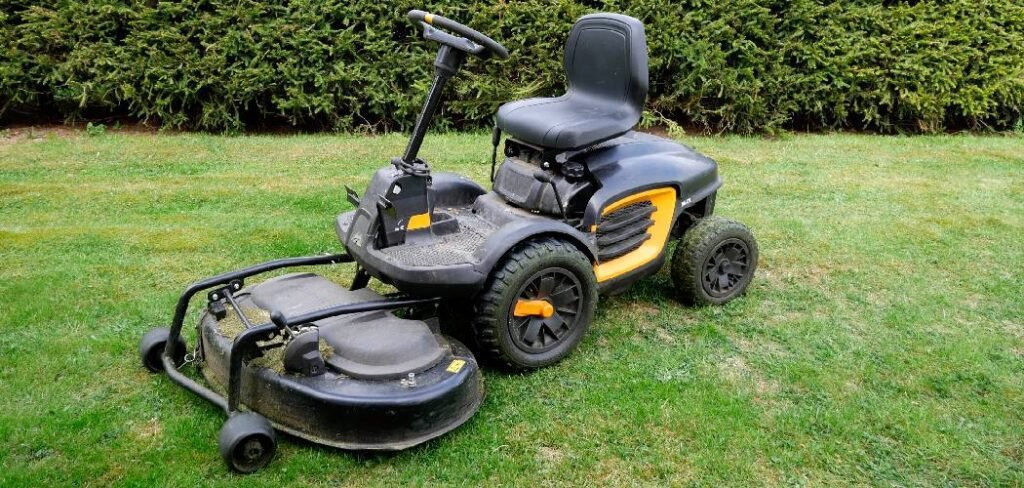
There are a few ways to make your lawn mower work better. These are engine tuning, taking care of the blade, reducing some things, and using event signaling. Pick the one that works best for you.
The importance of increasing lawn mower speed
Using a fast lawn mower has many good points. First, it saves time. You do not spend as much of your day cutting the grass. A slow lawn mower takes longer to use in the garden. This makes a lot more work for people. A faster mower can get the job done quicker and with less effort. Second, a fast lawn mower helps save energy. When you get the work done quicker, the engine does not have to run as long. This means you use less fuel. Also, if you work faster, you get better results. That is because the blade does not stay in one spot for too long.
Third, using a lawn mower is not as hard on your body. You can get the job done faster with less effort. This means you feel less tired, and you can work for a longer time.
8 Step-by-step guide on How to Make a Lawn Mower Fast
1. Engine tuning and optimization
Improving engine work is the first thing you should do to make your lawn mower faster. Clean the engine air filter, or put in a new one if you have to. A clean air filter lets enough air get to the engine. This helps the burning process and gives your mower more power.
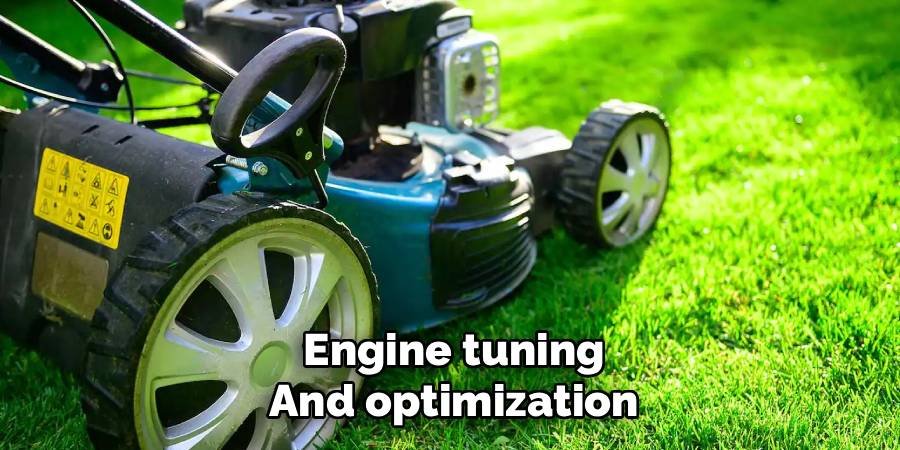
Look at the spark plugs and put in new ones if they do not work well. A good spark plug helps the engine start right and keeps it running well. If the spark plugs are old or broken, the engine will not have much power. It will also use more fuel. Change the engine oil on time. Old oil makes the engine parts move with more force, so the engine will not have much power. Always use fresh and good engine oil in your vehicle.
2. Blade sharpening and balancing
Sharp blades help your lawn mower move faster. If the blade is dull, it puts a lot of strain on the engine and slows it down. You should sharpen the blade often. Also, make sure it is balanced. This helps the mower work well and last longer.
Blade balancing is a key step that many people do not think about. If the blade is not balanced, it can shake and use extra engine power. You should get the blade balanced at a good center or you can do it yourself with the right tools. Also look at the condition of the blades. Change blades if they are damaged or bent. A blade that is in good shape has less drag. This lowers the strain on the engine.
3. Governor Adjustment
The governor system helps keep engine speed steady. You can make the engine go faster by making the right changes. But if you do this the wrong way, it can hurt the engine. You can make the governor spring tighter. Do this step slowly and check that it is the same as the instructions from the company that made it. If you make the spring too tight, the engine may not last as long and there can be safety problems. Clean the governor and put oil on it. When dirt gets in, it can stop the governor from working as it should and you may lose good speed control.
4. Weight reduction and aerodynamics
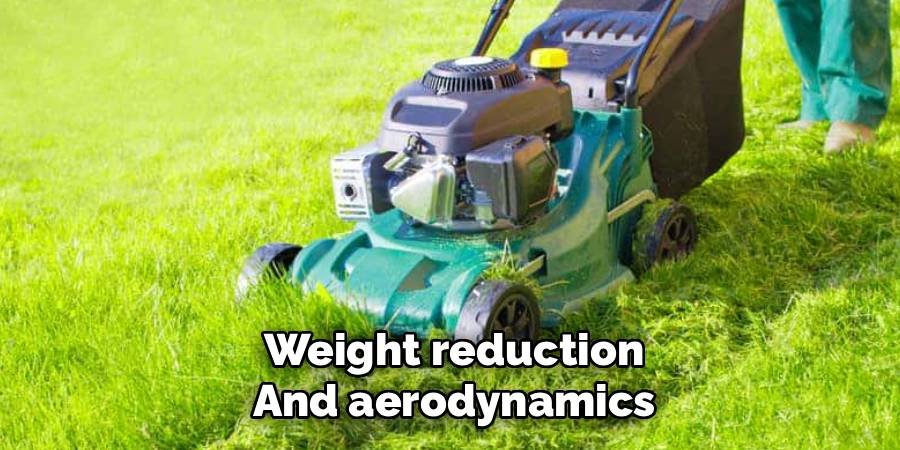
You can make your lawn mower go faster if you take off any extra weight. Try to swap heavy parts for lighter ones. For example, you can use aluminum instead of steel. Be sure to often clean out grass and dirt from under the mower deck. A buildup here makes the mower heavier and slows down the air that moves through. A clean deck gives a good flow of air and helps it cut well. Take off any bug catcher or other parts you do not need. These extra parts add more weight and slow down the mower in the wind.
5. Carburetor cleaning and adjustment
Cleaning the carburetor is very important to help the engine run better. You have to use a good carburetor cleaner for this job and clean the jets well. When the carburetor gets dirty, it mixes the fuel and air the wrong way. This leads to less power in the engine. Adjust the carburetor settings as needed.
The right gas and air mix happens when the system is working properly. Do this job with care and make sure to read the manufacturer’s instructions before you start. Look at the carburetor gasket and all the seals. If the gaskets let air get into the system, the engine will not work well. You should put in new ones if the old gaskets are not good.
6. Exhaust system optimization
Keep the exhaust system clean all the time. Make sure there is nothing blocking it. A clean exhaust system takes out the bad gases from the engine and lets it work better. After some time, carbon builds up inside the pipe. This carbon gets in the way and makes the engine lose power. You should clean the exhaust pipe often. If you need help, go to a professional. Always look at the muffler’s condition. A broken muffler makes your car louder and can also make the engine work not as well.
7. Tire pressure and rolling resistance
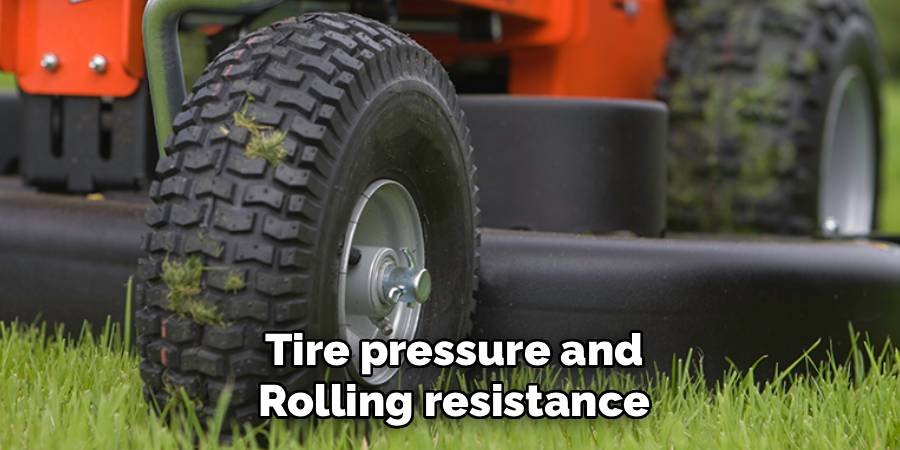
Keep your tire pressure at the right level. If the tires do not have enough air, the mower can feel heavy. This can make the engine work harder. Always look at the tire pressure and keep it at the level given by the manufacturer. Look out for tires that are old or have little tread. Change the tires if they are not in good shape. Oil and clean the wheel bearings. When you use good bearings, there is less friction. This can help your mower feel smoother and work better.
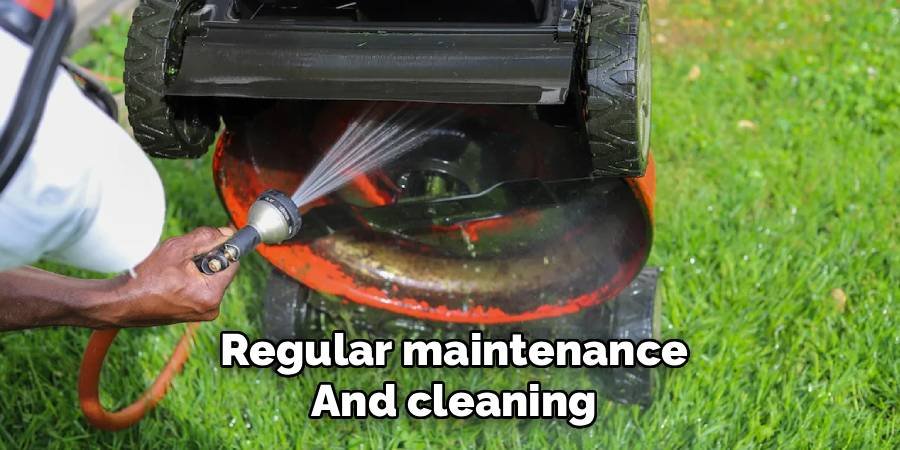
8. Regular maintenance and cleaning
Taking care of your lawn mower is what helps it work well for a long time. Be sure to clean your mower after each use. You need to get rid of dirt and grime. A clean mower will work better and keep going for more years. Use oil on all the parts that move. Proper oiling helps stop wear and lets the mower work better. Use the right oil, and don’t use too much. You should also make sure to tighten the bolts and nuts. If they are too loose, this can break the machine or its parts.
Safety considerations
Safety is one of the most important things when you want to make a lawn mower go faster. Making it run too fast can bring more risk of accidents. You need to always use safety gear and follow the safety tips from the maker of the mower. It is good to look over the way you handle the mower and see if all the safety parts be working the right way. When you use a mower at high speed, pay extra attention and stay careful at all times.
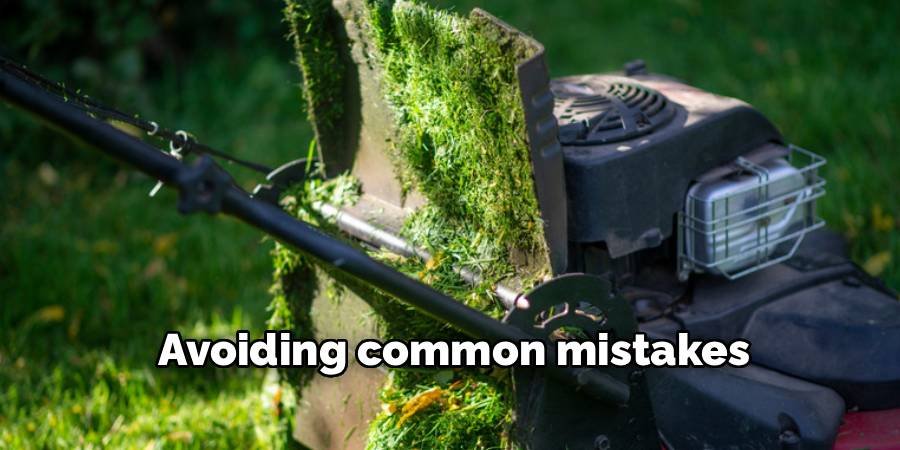
Avoiding common mistakes
Many people make the same mistakes when they try to speed up their lawn mower. If you change the governor too much, you can hurt the engine. Always follow the guidelines given by the manufacturer. A lot of people use the wrong oil or fuel in their mower. It is important to use the right type of oil and fuel. Don’t use old fuel because it can hurt the carburetor and the engine. Some people also forget to service their mower often. If you don’t keep up with care, your lawn mower will start to work worse over time.
FAQ – Frequently Asked Questions
1. How much does it take to increase the speed of a lawn mower?
Most of the time, going 10-15% faster than what the maker suggests is safe. But, it depends on the kind of mower you have and what shape it is in. If you go way faster than this, it can hurt the engine and break other parts.
2. How often should the blade be sharpened?
Blades need to be sharpened after you use them for about 25 to 30 hours. But, this can change based on how you use the blades and what the grass is like. If you see that a blade is not sharp, you should sharpen it right away.
3. Can governor adjustments be made?
Governor adjustment is not easy and needs to be done by someone who knows what they are doing. If you do not set it in the right way, it can hurt the engine. You can try this first.
4. How often should I change the air filter?
You should change the air filter at least one time every season or after you use it for 100 hours. If you use it in a place with a lot of dust, you may have to change it more often.
5. Does increasing the speed of a lawn mower increase fuel consumption?
Actual costs might go up, since the first part of the work can be done fast. In developed countries, this will lead to saving more energy overall.
Conclusion
Making your lawn mower go faster is not just one step. You need to plan well and do things the right way. When you want to know how to make a lawn mower fast, you should think about safety before anything else. You can get more speed by working on the engine, sharpening the blades, changing the governor, and taking care of it often. Every way, if you use it the right way, will help your lawn mower work better and finish the job faster. But always read and follow what the manufacturer says. Ask a pro for help if you need to. Regular care and the right steps are important.

About Ravuk Barg
B.Sc. Horticulture Science | Certified Master Gardener
Ravuk Barg has spent more than a decade with his hands in the soil and his head full of questions about why some gardens thrive while others struggle. What started as a single raised bed of tomatoes and basil in a modest backyard has grown into a deep, working knowledge of everything from seed germination and soil amendment to companion planting and seasonal pruning.
Over the years, Ravuk has gardened through drought summers, waterlogged springs, and pest invasions that would make most gardeners hang up their trowels for good. Those hard seasons, he’ll tell you, taught him more than any perfect growing year ever could. He writes from that earned experience—covering vegetable growing, ornamental planting, houseplant care, composting, and garden design with equal confidence and curiosity.
Philosophy & Approach
Ravuk’s approach to gardening is rooted in practicality. He favors organic methods not out of dogma, but because they work long-term—resulting in healthier soil, fewer inputs, and stronger plants. He has a particular fondness for heirloom vegetable varieties (the kind with proper flavor), unruly cottage-style flower beds, and the stubborn houseplants that everyone else gave up on.
The Mission: Give readers the honest, experience-backed advice that helps them actually succeed in their gardens—not just the ideal version, but the real one; weeds, failures, and all.
Education & Credentials
-
B.Sc. in Horticulture Science
-
Greenfield Agricultural University
-
Focus: Plant Physiology, Soil Ecology, and Sustainable Crop Production
-
-
Master Gardener Certification
-
Cooperative Extension Service
-
Focus: 200+ hours of hands-on practical training and community garden work
-
Continuing Education
-
Organic Pest Management
-
Native Plant Landscaping
-
Sustainable Crop Production