

Many homeowners believe that a lush, green lawn is impossible in areas plagued by shade and moss. Those persistent damp, dark spots can feel like a losing battle, where moss thrives and grass withers away. However, transforming these challenging patches into vibrant turf is entirely possible with the right approach. This guide is designed for home gardeners and beginners, providing clear, actionable steps to address the root causes of the problem. We will walk you through the process of how to grow grass in shady mossy areas, turning that troublesome spot into a beautiful part of your lawn.
Why Tackling Shady, Mossy Patches Is Worth It
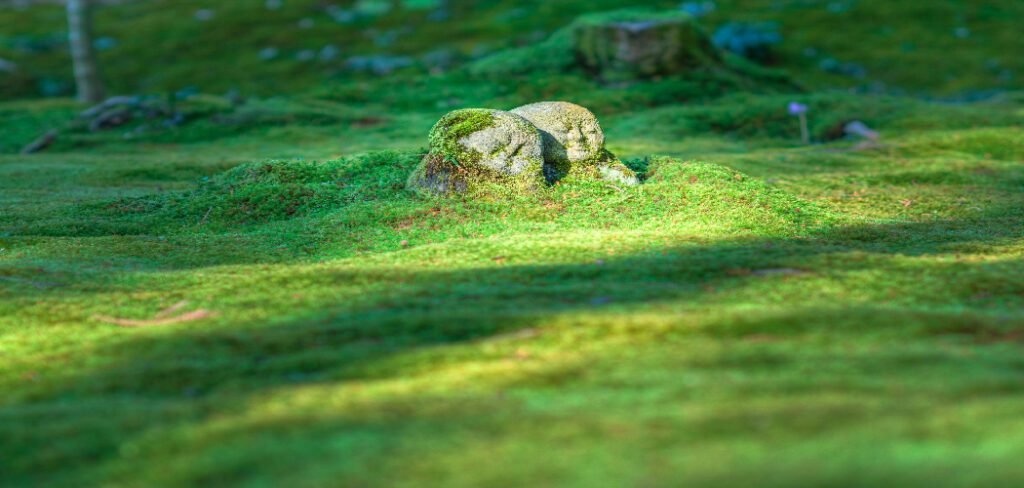
A lawn full of moss and bare spots doesn’t just look neglected; it can also indicate underlying issues with your soil and yard’s ecosystem. Moss is not the cause of poor grass growth but rather a symptom of conditions where grass struggles to survive. These conditions often include acidic soil, excessive moisture, heavy shade, and soil compaction. By addressing these core problems, you are not just temporarily removing moss. You are creating a healthier environment for grass to flourish long-term. A thriving lawn improves curb appeal, provides a safer play area, and can even increase your property value.
9 Step Methods Guide on How to Grow Grass in Shady Mossy Areas
Step 1: Assess the Sunlight
Before you begin, observe the shady area throughout the day. Note how many hours of direct sunlight it receives. Most grass types need at least four to six hours of direct sun to thrive. If your area gets less than four hours, it is considered deep shade. This assessment is critical because it will determine the type of grass seed you choose. Understanding the light conditions is the first step toward creating a sustainable plan for your lawn, as no amount of effort will succeed if the grass variety is not suited for the available light.

Step 2: Remove the Moss
Your next task is to physically remove the existing moss. For smaller patches, a stiff garden rake is effective. Vigorously rake the area to pull the moss up from the soil. For larger infestations, you might consider using a dethatching rake or a vertical mower. The goal is to clear the surface so that soil amendments and grass seed can make direct contact with the ground. Be thorough in this step; any moss left behind can quickly regrow and compete with your new grass seedlings for space and nutrients.
Step 3: Test and Amend the Soil
Moss often thrives in acidic soil, which is a common condition in damp, shady spots. Use a simple soil testing kit to check the pH level. An ideal pH for most grass types is between 6.0 and 7.0. If your soil is too acidic (below 6.0), you will need to apply lime to raise the pH. The test results will guide you on how much lime to add. Spreading the lime evenly across the prepared area will create a more hospitable environment for grass and make it more difficult for moss to return.
Step 4: Improve Soil Drainage and Aeration
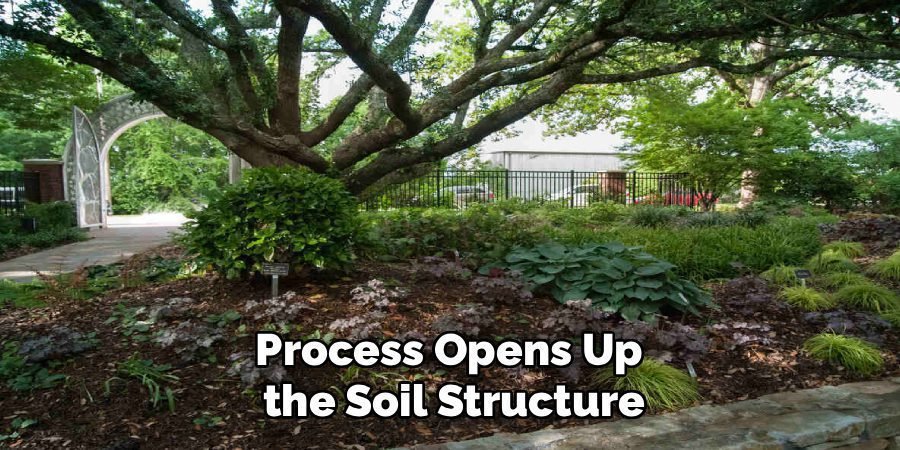
Shady areas are often damp because of poor drainage and compacted soil. Compaction prevents air, water, and nutrients from reaching the grass roots. To fix this, use a core aerator to pull plugs of soil from the ground. This process opens up the soil structure, allowing for better air circulation and water absorption. After aerating, you can top-dress the area with a thin layer of compost or sand. This will improve the soil composition, further enhancing drainage and providing a nutrient-rich base for your new seeds.
Step 5: Choose the Right Grass Seed
Selecting the correct grass seed is perhaps the most crucial part of learning how to grow grass in shady mossy areas. Look for a grass blend specifically labeled “shade-tolerant” or “dense shade mix.” These mixes often contain varieties like Fine Fescues (Creeping Red, Chewing’s, Hard Fescue) and sometimes shade-tolerant Ryegrass or Bluegrass. These grass types have been developed to perform well with limited sunlight. Do not use a generic “sun and shade” mix unless you are certain it contains a high percentage of these shade-loving varieties.
Step 6: Prune Overhanging Trees and Shrubs
To increase the amount of sunlight reaching the ground, selectively prune overhanging tree branches and dense shrubs. Trimming lower branches and thinning the canopy allows more dappled sunlight to filter through. This not only helps the grass grow but also improves air circulation, which helps the area dry out faster after rain. This reduces the damp conditions that both moss and fungal diseases love. Even a slight increase in light can make a significant difference in the success of your new grass.
Step 7: Seeding and Fertilizing the Area
Once the area is prepared, it’s time to sow the seed. Spread the shade-tolerant grass seed evenly, following the application rate recommended on the package. For best results, use a broadcast or drop spreader to ensure uniform coverage. After seeding, apply a starter fertilizer. This type of fertilizer is high in phosphorus, which is essential for strong root development in new seedlings. Gently rake the seed and fertilizer into the top quarter-inch of soil to ensure good seed-to-soil contact.
Step 8: Keep the Soil Consistently Moist
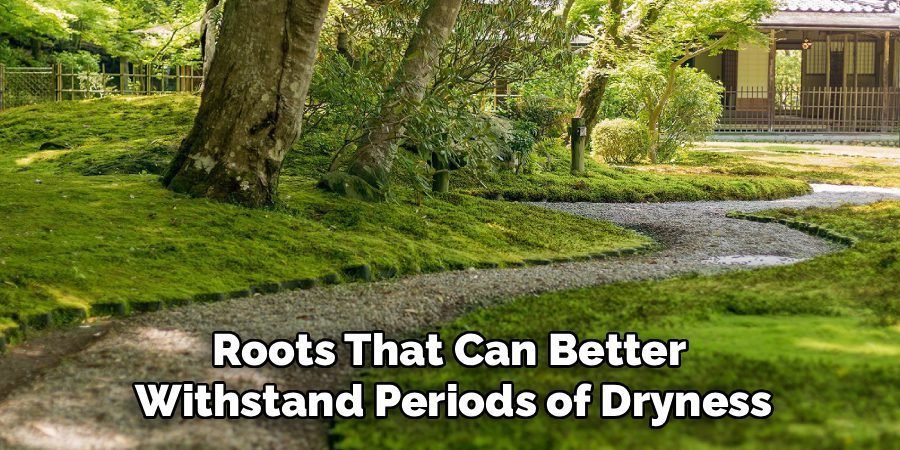
Your newly seeded lawn needs consistent moisture to germinate. Water the area lightly once or twice a day to keep the top inch of soil damp but not waterlogged. The goal is to prevent the seeds from drying out. Continue this watering schedule until the new grass is about two inches tall. At that point, you can gradually reduce the frequency of watering while increasing the duration. This encourages the grass to develop deeper, more resilient roots that can better withstand periods of dryness.
Step 9: Mowing and Long-Term Maintenance
Allow the new grass to grow to about three or four inches before its first mowing. When you do mow, set your mower to a higher blade setting. Taller grass has more leaf surface area to capture limited sunlight, which is vital in a shady spot. Never remove more than one-third of the grass blade height at a time. For ongoing maintenance, continue to monitor soil pH, aerate annually, and overseed thin spots each fall to maintain a dense, healthy turf that can outcompete any returning moss.
Frequently Asked Questions (FAQ)
Can I Just Use Moss Killer Instead of Raking It Out?
You can use a moss killer, which often contains iron sulfate, to kill the moss and turn it black. However, you will still need to rake out the dead material afterward to prepare the soil bed for new seed. Simply killing the moss does not address the underlying soil conditions that allowed it to grow in the first place, such as compaction, low pH, or poor drainage. For a long-term solution, it is best to remove the moss and amend the soil.
What Is the Best Time of Year to Plant Grass in a Shady Area?
The best time to plant grass seed in shady spots is in the early fall. During this time, the soil is still warm from the summer, which aids germination, but the cooler air temperatures are less stressful for new seedlings. There is also less competition from weeds in the fall. Early spring is the second-best option, but you may face more weed pressure as the weather warms up. Avoid planting in the heat of summer, as it is very difficult to keep the new seedlings properly hydrated.

Will Moss Hurt My New Grass?
Moss itself does not directly harm the grass. Instead, it acts as an opportunist, filling in bare spots where the grass is already struggling to grow due to unfavorable conditions. The real issue is that the dense mat of moss can prevent grass seeds from reaching the soil and germinating properly. It also competes with existing grass for surface-level moisture and space. By improving the growing conditions for grass, you make the area less suitable for moss, allowing the turf to dominate.
How Can I Permanently Keep Moss from Coming Back?
Preventing moss from returning requires a long-term maintenance strategy. The key is to maintain a healthy, dense lawn that can outcompete the moss. This includes mowing high to maximize photosynthesis, watering deeply but infrequently to encourage strong roots, and aerating the soil annually to prevent compaction. It is also important to test your soil pH every few years and apply lime as needed. Regularly pruning trees to allow more light and air to reach the lawn will also make the area less hospitable for moss.
Are There Any Groundcover Alternatives to Grass for Deep Shade?
Yes, if an area is in deep shade and receives less than two or three hours of direct sunlight, growing a traditional lawn can be nearly impossible. In these cases, embracing shade-loving groundcovers is an excellent alternative. Plants like Pachysandra, Vinca minor (Periwinkle), Hostas, or certain ferns thrive in low-light conditions. These plants can create a lush, green look without the constant struggle of trying to grow grass in an unsuitable environment. They also require less maintenance once established.
Conclusion
Growing a vibrant lawn in a difficult, shaded area is a rewarding project for any homeowner. The process involves more than just scattering seed; it requires addressing the root causes of why moss was thriving in the first place. By testing and amending your soil, improving aeration, selecting the right shade-tolerant grass seed, and adjusting your long-term maintenance practices, you create an environment where grass can finally win. Don’t be discouraged by those challenging spots in your yard. With patience and the right techniques, you now have the knowledge of how to grow grass in shady mossy areas and achieve the beautiful lawn you desire.

About Ravuk Barg
B.Sc. Horticulture Science | Certified Master Gardener
Ravuk Barg has spent more than a decade with his hands in the soil and his head full of questions about why some gardens thrive while others struggle. What started as a single raised bed of tomatoes and basil in a modest backyard has grown into a deep, working knowledge of everything from seed germination and soil amendment to companion planting and seasonal pruning.
Over the years, Ravuk has gardened through drought summers, waterlogged springs, and pest invasions that would make most gardeners hang up their trowels for good. Those hard seasons, he’ll tell you, taught him more than any perfect growing year ever could. He writes from that earned experience—covering vegetable growing, ornamental planting, houseplant care, composting, and garden design with equal confidence and curiosity.
Philosophy & Approach
Ravuk’s approach to gardening is rooted in practicality. He favors organic methods not out of dogma, but because they work long-term—resulting in healthier soil, fewer inputs, and stronger plants. He has a particular fondness for heirloom vegetable varieties (the kind with proper flavor), unruly cottage-style flower beds, and the stubborn houseplants that everyone else gave up on.
The Mission: Give readers the honest, experience-backed advice that helps them actually succeed in their gardens—not just the ideal version, but the real one; weeds, failures, and all.
Education & Credentials
-
B.Sc. in Horticulture Science
-
Greenfield Agricultural University
-
Focus: Plant Physiology, Soil Ecology, and Sustainable Crop Production
-
-
Master Gardener Certification
-
Cooperative Extension Service
-
Focus: 200+ hours of hands-on practical training and community garden work
-
Continuing Education
-
Organic Pest Management
-
Native Plant Landscaping
-
Sustainable Crop Production