

As winter fades and the days grow longer, many homeowners look out their windows and dream of a thick, green carpet of grass. A sparse, patchy lawn can be disheartening, but the good news is that spring is the perfect time to give it the care it needs. This guide will walk you through exactly how to thicken grass in spring, transforming your yard into a vibrant, healthy outdoor space. With a little effort and the right techniques, you can address bare spots, improve soil health, and encourage robust growth that will last all season long.

Why a Thick Lawn Matters in Spring
A dense, healthy lawn is more than just beautiful; it’s a sign of a thriving ecosystem in your yard. A thick turf is your best defense against weeds, as it leaves little room for them to sprout and take hold. It also improves soil stability, preventing erosion from spring rains. Furthermore, a lush lawn can better withstand the stress of summer heat and potential drought. By focusing on thickening your grass now, you are setting the stage for a resilient and low-maintenance yard for the rest of the year.
Your Step-by-Step Guide: How to Thicken Grass in Spring
Step 1: Clean Up and Dethatch Your Lawn
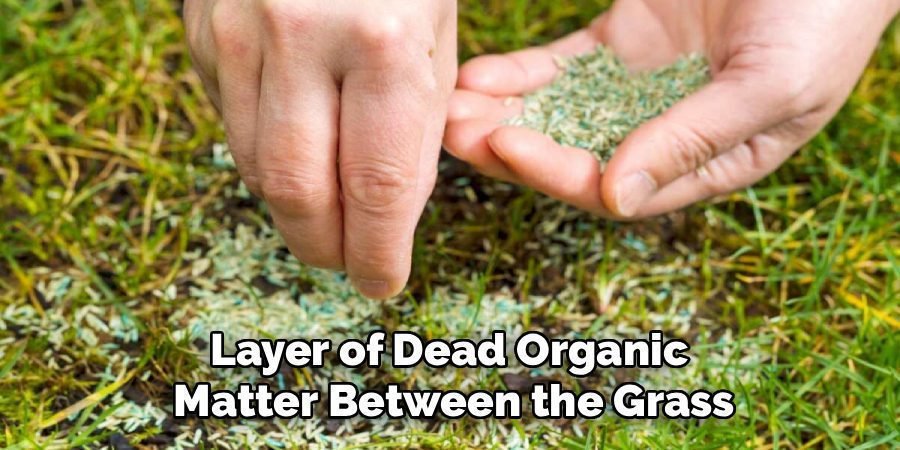
Your first task is to prepare the lawn for new growth. Begin by thoroughly raking the entire area to remove fallen leaves, dead grass, twigs, and other debris that accumulated over winter. This cleanup allows sunlight and air to reach the soil. Next, check for thatch—a layer of dead organic matter between the grass and the soil. A thin layer is fine, but if it’s over half an inch thick, it can block water and nutrients. Use a dethatching rake or a power dethatcher to gently pull up this excess material.
Step 2: Test and Amend Your Soil
Healthy grass starts with healthy soil. Before adding any treatments, it’s wise to understand your soil’s pH and nutrient levels. You can purchase a simple DIY soil test kit or send a sample to your local cooperative extension for a more detailed analysis. Most lawn grasses thrive in a pH range of 6.0 to 7.0. If your soil is too acidic, you can add lime to raise the pH. If it’s too alkaline, sulfur can help lower it. The test results will also guide you on which nutrients are lacking.
Step 3: Aerate Compacted Soil
Over time, soil can become compacted from foot traffic, rain, and mowing. This compaction restricts the flow of air, water, and nutrients to the grass roots, hindering growth. Core aeration is the process of pulling small plugs of soil out of the lawn to relieve this pressure. You can rent a core aerator or hire a professional service. Aerating in the spring opens up the soil, allowing roots to breathe, deepen, and expand, which is a critical step for thickening the turf and creating a robust root system.
Step 4: Choose the Right Grass Seed for Overseeding
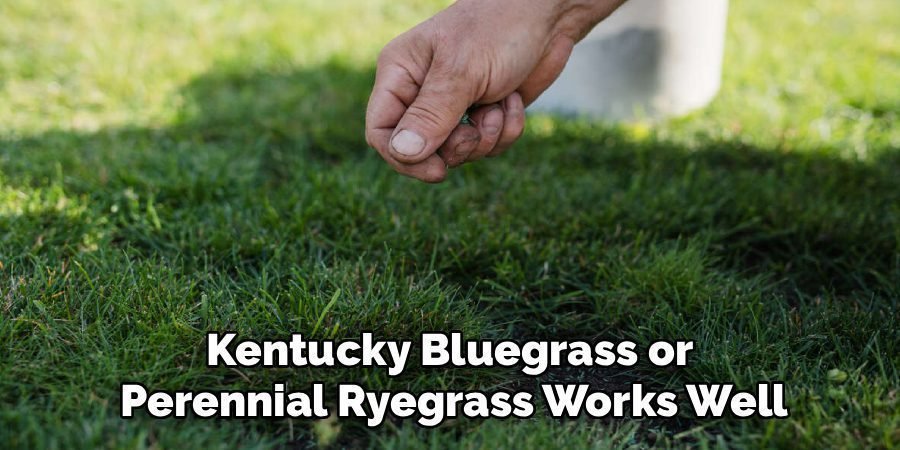
Overseeding, or spreading new seed over your existing lawn, is a key part of how to thicken grass in spring. The success of this step depends on selecting the right type of seed. Choose a high-quality seed mix that matches your existing grass type and is appropriate for your climate and sun exposure. For sunny areas, Kentucky bluegrass or perennial ryegrass works well. In shady spots, look for fine fescues. Using a blend can increase your lawn’s resilience to disease and varying conditions, helping to ensure even, dense growth.
Step 5: Apply Seed and Starter Fertilizer
Now it’s time to spread the seed. For the best results, use a broadcast or drop spreader to ensure even coverage across the entire lawn. Follow the application rate recommended on the seed bag to avoid overseeding, which can lead to competition and poor germination. Immediately after seeding, apply a starter fertilizer. This type of fertilizer is high in phosphorus, a nutrient that is essential for strong root development in new grass seedlings. This combination gives your new grass the best possible start for healthy growth.
Step 6: Lightly Rake and Topdress the Area
After seeding, you need to ensure good seed-to-soil contact. Gently rake the seeded areas with the back of a leaf rake. This action lightly works the seeds into the top layer of soil without burying them too deeply. Following the raking, apply a very thin layer of topdressing, such as compost or peat moss, over the lawn. This topdressing helps keep the seeds moist, protects them from birds, and adds valuable organic matter to the soil, further encouraging germination and healthy growth.
Step 7: Water Consistently and Correctly
Proper watering is crucial for seed germination and establishment. For the first two to three weeks after overseeding, you must keep the top inch of soil consistently moist. This usually means light, frequent watering once or twice a day, depending on the weather. Avoid creating puddles or runoff. Once the new grass has germinated and reached a height of about two inches, you can gradually transition to a deeper, less frequent watering schedule. This encourages the roots to grow deeper into the soil, building drought resistance.

Step 8: Master Your Mowing Technique
The way you mow has a significant impact on your lawn’s thickness. Once the new grass seedlings have reached about three to four inches in height, you can begin mowing. Always follow the one-third rule: never remove more than one-third of the grass blade’s height at a single time. Mowing too short stresses the grass and reduces its ability to photosynthesize. Mowing high encourages deeper root growth and helps the grass blades spread, naturally thickening the turf and shading out potential weeds. Keep your mower blades sharp for a clean cut.
Watering and Maintenance
Consistent watering is crucial for the long-term health of your lawn. Newly seeded areas should be kept moist, but not overly saturated, to encourage germination and strong root development. Water at least once or twice daily in light amounts until the grass is established. Once the grass matures, transition to a deeper and less frequent watering schedule to promote healthy, deep roots. Additionally, maintain a regular fertilization schedule and monitor for pests or diseases. Proper care at this stage ensures a lush, vibrant lawn that thrives year-round.
Frequently Asked Questions (FAQ)
What Is the Best Time in Spring to Thicken a Lawn?
The ideal time to start working on thickening your lawn is early to mid-spring, once the threat of a hard frost has passed and soil temperatures consistently reach 50-60°F. This temperature range is perfect for cool-season grass seed germination. Starting too early might expose new seedlings to a late frost, while waiting too long means the new grass will have to compete with the intense heat and potential drought of summer. Aim for a window when there are several weeks of mild, moist weather ahead.

Can I Thicken My Grass Without Overseeding?
Yes, you can encourage your existing grass to thicken without overseeding, though it may be a slower process. Proper mowing, fertilizing, and watering are key. Mowing high encourages the grass crowns to spread. A well-timed fertilizer application in the spring provides the nutrients needed for vigorous growth. Core aeration can also stimulate root development and turf density. However, for lawns with significant bare spots or thin areas, overseeding is the most effective and quickest way to achieve a thick, uniform turf.
How Long Does It Take for New Grass to Thicken?
Patience is important when thickening a lawn. You should see new grass seedlings sprout within 7 to 21 days after overseeding, depending on the grass type and conditions. The lawn will start to look noticeably fuller within 4 to 6 weeks. However, it can take a full growing season, and sometimes into the next, for the new grass to fully mature and for the lawn to reach its maximum density. Consistent care throughout the spring and summer will greatly speed up this process and ensure lasting results.
What Type of Fertilizer Is Best for Thickening Grass?
In early spring, when you are overseeding, a starter fertilizer is the best choice. These formulations are high in phosphorus, which is critical for root development in new seedlings. If you are not overseeding, a balanced, slow-release nitrogen fertilizer is ideal for established grass. The nitrogen promotes lush, green top growth, which contributes to a thicker appearance. Always follow the application instructions on the product label to avoid burning your lawn and to provide the right amount of nutrients.
Should I Bag or Mulch My Grass Clippings?
When you’re trying to thicken your lawn, mulching your clippings is generally the better option. As long as you are mowing regularly and only removing a small portion of the grass blade, the fine clippings will break down quickly. This process, known as grasscycling, returns valuable nitrogen and other nutrients to the soil, acting as a natural, free fertilizer. It also adds organic matter that improves soil health. Only bag the clippings if the grass is excessively long or if you notice signs of lawn disease.
Conclusion
Achieving a thick, envy-inducing lawn is well within your reach this season. By following a clear plan that includes cleaning up, aerating, amending the soil, and overseeding correctly, you provide the ideal conditions for your grass to thrive. Consistent watering and smart mowing practices will protect your investment and help the new growth mature into a dense, resilient turf. Don’t be intimidated by a few patchy spots; embrace the process of how to thicken grass in spring, and you’ll be rewarded with a beautiful, healthy lawn you can enjoy all year.

About Ravuk Barg
B.Sc. Horticulture Science | Certified Master Gardener
Ravuk Barg has spent more than a decade with his hands in the soil and his head full of questions about why some gardens thrive while others struggle. What started as a single raised bed of tomatoes and basil in a modest backyard has grown into a deep, working knowledge of everything from seed germination and soil amendment to companion planting and seasonal pruning.
Over the years, Ravuk has gardened through drought summers, waterlogged springs, and pest invasions that would make most gardeners hang up their trowels for good. Those hard seasons, he’ll tell you, taught him more than any perfect growing year ever could. He writes from that earned experience—covering vegetable growing, ornamental planting, houseplant care, composting, and garden design with equal confidence and curiosity.
Philosophy & Approach
Ravuk’s approach to gardening is rooted in practicality. He favors organic methods not out of dogma, but because they work long-term—resulting in healthier soil, fewer inputs, and stronger plants. He has a particular fondness for heirloom vegetable varieties (the kind with proper flavor), unruly cottage-style flower beds, and the stubborn houseplants that everyone else gave up on.
The Mission: Give readers the honest, experience-backed advice that helps them actually succeed in their gardens—not just the ideal version, but the real one; weeds, failures, and all.
Education & Credentials
-
B.Sc. in Horticulture Science
-
Greenfield Agricultural University
-
Focus: Plant Physiology, Soil Ecology, and Sustainable Crop Production
-
-
Master Gardener Certification
-
Cooperative Extension Service
-
Focus: 200+ hours of hands-on practical training and community garden work
-
Continuing Education
-
Organic Pest Management
-
Native Plant Landscaping
-
Sustainable Crop Production