

Growing your own cucumbers is a rewarding experience, but getting a crisp, bountiful harvest requires more than just water and sun. Cucumbers are heavy feeders, meaning they need a steady supply of nutrients to thrive. This guide will walk you through exactly how to fertilize cucumbers organically, ensuring your plants are healthy and your produce is free from synthetic chemicals. By learning the right techniques, you can provide your cucumbers with the balanced diet they need to produce delicious fruit all season long.

We will cover everything from soil preparation to ongoing feeding schedules, making the process simple for even the newest gardeners.
Why Fertilizing Cucumbers Organically is Important
Choosing an organic approach to fertilizing your cucumbers offers significant benefits for your garden, your health, and the environment. Organic fertilizers, like compost, worm castings, and fish emulsion, release nutrients slowly and steadily. This gradual process prevents the nutrient runoff that can contaminate local waterways, a common problem with fast-acting synthetic fertilizers.
Furthermore, organic methods focus on building healthy soil. They add essential organic matter, which improves soil structure, water retention, and microbial life. This creates a resilient ecosystem where your cucumber plants can develop strong root systems and better resist pests and diseases. For you and your family, the result is healthier, more nutritious cucumbers that are free from potentially harmful chemical residues. By feeding the soil, you are not just feeding the plant; you are cultivating a sustainable garden for years to come.
8 Step-by-Step Guide on How to Fertilize Cucumbers Organically
Step 1: Prepare Your Soil Before Planting
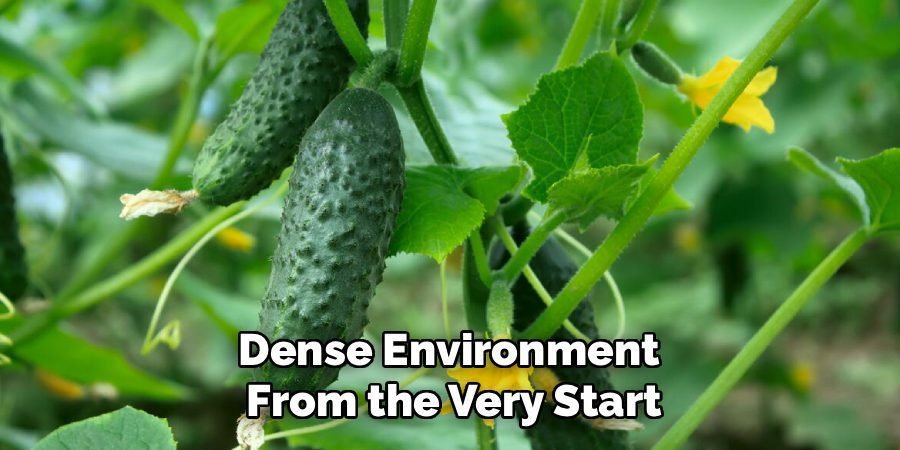
The foundation for healthy cucumbers begins with rich soil. Before you even plant your seeds or seedlings, amend your garden bed with plenty of organic matter. A great method is to work two to four inches of well-rotted compost or aged manure into the top six to eight inches of your soil. This initial boost provides a slow-release source of essential nutrients that will support your young plants as they establish their root systems. This step ensures your cucumbers have a nutrient-dense environment from the very start.
Step 2: Choose the Right Organic Fertilizer
When selecting a fertilizer, look for options that are balanced or slightly higher in potassium and phosphorus, which encourage flowering and fruit development. Excellent organic choices include compost, worm castings, fish emulsion, and kelp meal. You can also use a pre-mixed organic vegetable fertilizer, often labeled with an N-P-K ratio like 5-7-5. Avoid high-nitrogen fertilizers once the plant begins to flower, as too much nitrogen will encourage leafy growth at the expense of fruit production, which is a key part of learning how to fertilize cucumbers organically.
Step 3: Perform an Initial Feeding at Planting Time
Give your cucumbers a strong start by providing a dose of nutrients right when you plant them. If you are transplanting seedlings, add a handful of granular organic fertilizer or a scoop of compost into the planting hole. Mix it gently with the soil at the bottom before placing the seedling inside. This targeted application places nutrients directly where the new roots will grow, helping the plant establish itself quickly and reduce transplant shock. Water the area well after planting to help activate the fertilizer and settle the soil.
Step 4: Apply the First Side-Dressing
Once your cucumber plants begin to develop vines and are about a foot tall, it is time for their first “side-dressing.” This term simply means applying fertilizer to the side of the plant rather than directly at its base. Sprinkle about one to two tablespoons of granular organic fertilizer around the base of each plant, keeping it about four to six inches away from the main stem to avoid burning it. Gently work the fertilizer into the top inch of soil with your fingers or a small trowel.
Step 5: How to Fertilize Cucumbers Organically During Flowering
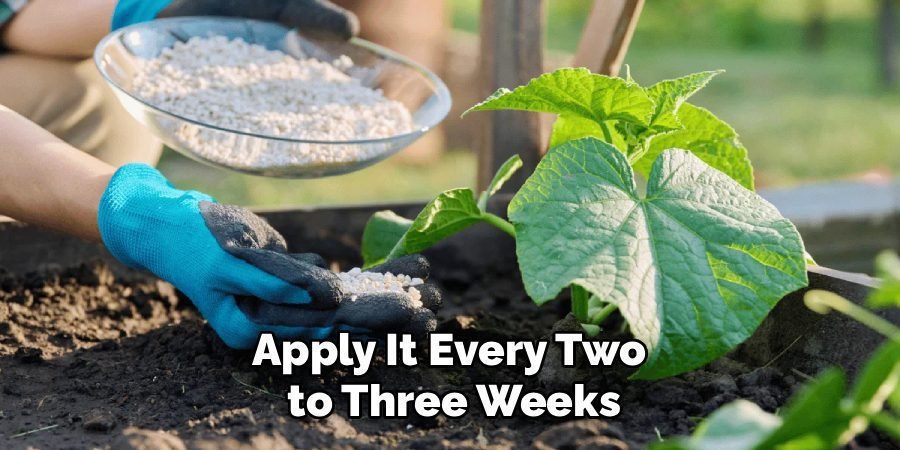
The most critical time for fertilizing is when the first flowers appear. At this stage, the plant’s energy shifts from vegetative growth to producing fruit. Switch to a liquid organic fertilizer like fish emulsion or compost tea for faster nutrient absorption. Dilute the fertilizer according to the package instructions and apply it every two to three weeks. This regular feeding schedule provides the consistent potassium and phosphorus needed for abundant flower and fruit set, ensuring a plentiful harvest of crisp, well-formed cucumbers.
Step 6: Continue Feeding as Fruits Develop
As your cucumbers begin to form and grow, the plant’s nutrient demand will be at its peak. Continue your liquid feeding routine every two weeks throughout the fruiting period. Consistent nutrition helps the plant support the developing cucumbers, preventing issues like misshapen or bitter fruit. If you notice the leaves starting to turn yellow, it could be a sign of a nutrient deficiency. An extra feeding of compost tea or a balanced liquid fertilizer can quickly correct the issue and get your plants back on track.
Step 7: Mulch to Retain Nutrients and Moisture
Mulching is a simple yet powerful step in organic gardening. After applying fertilizer, add a two- to three-inch layer of organic mulch, such as straw, shredded leaves, or wood chips, around your cucumber plants. Mulch helps retain soil moisture, which is essential for nutrient uptake. It also suppresses weeds that compete for resources and slowly breaks down over time, adding more valuable organic matter to your soil. This creates a stable and nutrient-rich environment for your plants to thrive.
Step 8: Monitor Plant Health and Adjust as Needed
Pay close attention to your plants’ appearance, as they will give you clues about their nutritional needs. Healthy cucumber leaves should be a vibrant green. If they appear pale or yellow, your plant may need more nitrogen. If flowering is poor or fruits are slow to develop, a boost of phosphorus and potassium is likely needed. Observing your plants allows you to tailor your fertilizing strategy, ensuring they get exactly what they need when they need it for a successful and delicious harvest.
Prune and Train Your Plants
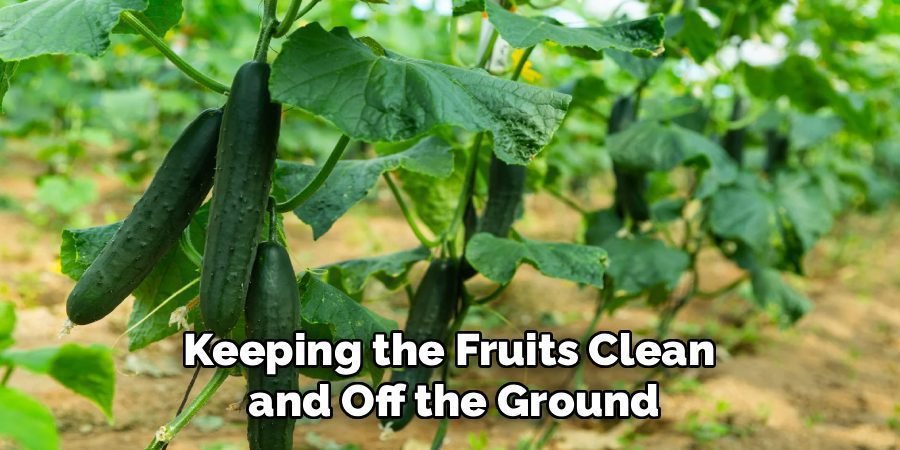
Proper pruning and training of cucumber plants are essential to maximize their health and productivity. Remove any damaged or dead leaves to encourage air circulation and reduce the risk of disease. For vining cucumber varieties, use a trellis or support system to guide the plants upward, saving space and keeping the fruits clean and off the ground. Regularly check for tendrils wrapping around other stems or nearby plants and gently redirect them if needed. Pruning and training help your cucumber plants focus their energy on producing abundant, high-quality fruits.
Monitor for Pests and Diseases
Keeping an eye out for pests and diseases is essential for maintaining healthy cucumber plants. Common pests like aphids, cucumber beetles, and spider mites can damage plants and hinder fruit production. Inspect the undersides of leaves and stems regularly for signs of infestation. Similarly, watch for disease symptoms such as powdery mildew or bacterial wilt, which can spread quickly if not addressed. Use organic pest control methods or insecticidal soaps to deal with pests, and remove any infected leaves to prevent the spread of disease. A proactive approach will help ensure your cucumber plants thrive throughout the growing season.
Common Mistakes to Avoid
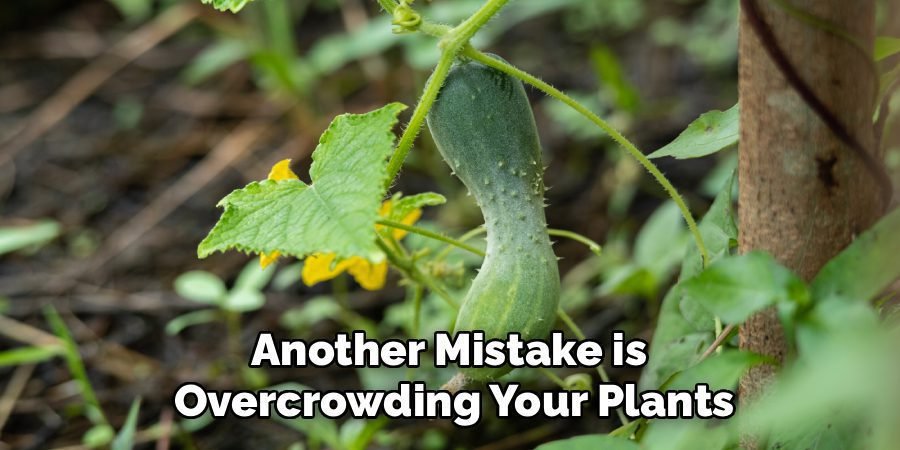
When growing cucumbers, several common mistakes can hinder your plants’ growth and overall yield. Overwatering is a frequent issue, as cucumber plants thrive in well-draining soil; too much water can lead to root rot and other fungal diseases. Conversely, underwatering can cause the plants to wilt and impact fruit production. Another mistake is overcrowding your plants, which limits airflow and increases the risk of pests and diseases. Additionally, failing to provide adequate support, such as trellises or cages, can result in misshapen or damaged fruits.
Lastly, neglecting to regularly check for pests like aphids or cucumber beetles can lead to infestations that harm your plants. Being mindful of these mistakes will help you grow healthy, productive cucumber plants.
Frequently Asked Questions
What Is The Best Homemade Fertilizer For Cucumbers?
A fantastic homemade fertilizer for cucumbers is compost tea. To make it, simply steep a shovel-full of finished compost in a five-gallon bucket of water for 24 to 48 hours, stirring occasionally. Strain the liquid and dilute it to the color of weak tea before using it to water the base of your plants. This liquid feed is rich in a broad spectrum of nutrients and beneficial microbes that are immediately available to the plant, promoting vigorous growth and fruiting.
Can I Use Coffee Grounds To Fertilize Cucumbers?
Yes, you can use coffee grounds to fertilize cucumbers, but it is best to do so by adding them to your compost pile first. Fresh coffee grounds are acidic and can negatively impact soil pH if applied directly in large quantities. By composting them, you allow them to break down and neutralize, turning them into a balanced, slow-release source of nitrogen and other trace minerals that will enrich your soil and benefit your cucumber plants without risking damage.
How Often Should I Fertilize My Cucumber Plants?
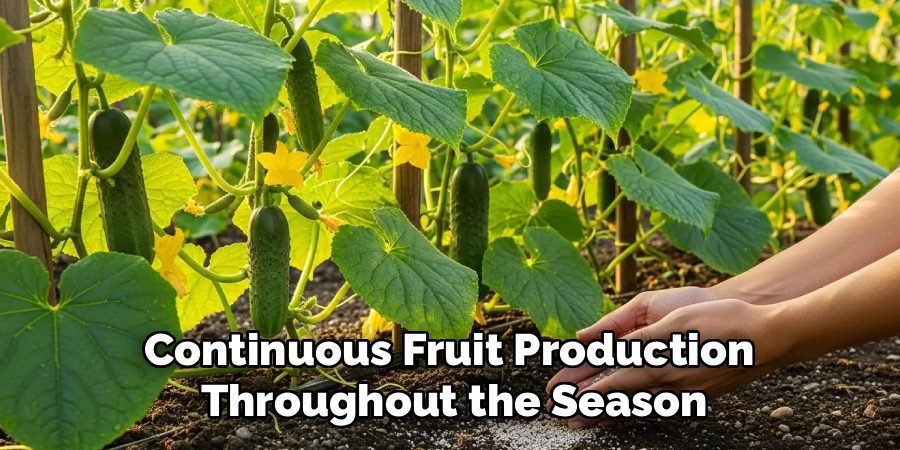
For best results, fertilize your cucumber plants at key growth stages. Start by amending the soil with compost before planting. Apply a side-dressing of granular organic fertilizer when the vines are about a foot long. Once flowering begins, switch to a liquid organic fertilizer every two to three weeks until the harvesting period is over. This consistent schedule ensures the plants have the steady supply of nutrients needed for continuous fruit production throughout the season.
Why Are My Cucumber Leaves Turning Yellow?
Yellowing cucumber leaves can indicate several issues, but a nutrient deficiency is a common cause. If the older, lower leaves are turning yellow first, it is likely a nitrogen deficiency. If the yellowing appears on new growth, it could be a lack of iron or other micronutrients. Overwatering can also cause yellow leaves by suffocating the roots and preventing nutrient uptake. Assess your watering habits and consider applying a balanced liquid organic fertilizer to see if the condition improves.
Is Epsom Salt Good For Cucumber Plants?
Epsom salt can be beneficial for cucumber plants, but only if your soil is deficient in magnesium or sulfur. It is not a complete fertilizer. A magnesium deficiency often appears as yellowing between the veins of older leaves. If you suspect this is the case, you can dissolve one tablespoon of Epsom salt in a gallon of water and use it to drench the soil around your plants once a month. However, it is always best to perform a soil test before adding supplements.
Conclusion
Mastering how to fertilize cucumbers organically is one of the most effective ways to guarantee a healthy, productive, and delicious crop. By preparing your soil, choosing the right fertilizers, and feeding your plants at critical growth stages, you create a sustainable garden that works with nature, not against it. The steps outlined here provide a clear path to success, helping you nurture your plants from seedling to harvest. We encourage you to embrace this organic approach and enjoy the rewarding experience of growing your own crisp, flavorful cucumbers.

About Ravuk Barg
B.Sc. Horticulture Science | Certified Master Gardener
Ravuk Barg has spent more than a decade with his hands in the soil and his head full of questions about why some gardens thrive while others struggle. What started as a single raised bed of tomatoes and basil in a modest backyard has grown into a deep, working knowledge of everything from seed germination and soil amendment to companion planting and seasonal pruning.
Over the years, Ravuk has gardened through drought summers, waterlogged springs, and pest invasions that would make most gardeners hang up their trowels for good. Those hard seasons, he’ll tell you, taught him more than any perfect growing year ever could. He writes from that earned experience—covering vegetable growing, ornamental planting, houseplant care, composting, and garden design with equal confidence and curiosity.
Philosophy & Approach
Ravuk’s approach to gardening is rooted in practicality. He favors organic methods not out of dogma, but because they work long-term—resulting in healthier soil, fewer inputs, and stronger plants. He has a particular fondness for heirloom vegetable varieties (the kind with proper flavor), unruly cottage-style flower beds, and the stubborn houseplants that everyone else gave up on.
The Mission: Give readers the honest, experience-backed advice that helps them actually succeed in their gardens—not just the ideal version, but the real one; weeds, failures, and all.
Education & Credentials
-
B.Sc. in Horticulture Science
-
Greenfield Agricultural University
-
Focus: Plant Physiology, Soil Ecology, and Sustainable Crop Production
-
-
Master Gardener Certification
-
Cooperative Extension Service
-
Focus: 200+ hours of hands-on practical training and community garden work
-
Continuing Education
-
Organic Pest Management
-
Native Plant Landscaping
-
Sustainable Crop Production