

As winter approaches, the falling temperatures can be a major concern for any gardener. You’ve spent months nurturing your beautiful plants, and the thought of a sudden frost wiping them out is disheartening. Fortunately, you don’t have to leave their survival to chance. With a few simple strategies and some proactive care, you can protect your outdoor garden from the harshest winter weather.
Learning how to keep plants warm in winter outside is an essential skill for extending their life and ensuring they return vibrant and healthy in the spring. This guide will provide you with clear, beginner-friendly steps to safeguard your beloved greenery against the cold.
Why Protecting Your Plants in Winter Matters
Protecting your outdoor plants from the cold is about more than just survival; it’s an investment in the long-term health and beauty of your garden. Unprotected plants can suffer from frost damage, which freezes the water inside their cells, causing them to burst. This leads to blackened, mushy leaves and stems, and can be fatal.
Furthermore, cold stress weakens a plant’s overall immune system, making it more susceptible to diseases and pests come springtime. By taking protective measures, you preserve the root systems of perennials, prevent dieback in shrubs, and give your entire garden a significant head start when the growing season resumes.
8 Step-by-Step Guide on How to Keep Plants Warm in Winter Outside
Preparing your garden for the cold doesn’t have to be complicated. Following these steps will help you create a protective barrier against frost and freezing temperatures, ensuring your plants stay cozy and safe. This section will walk you through everything from selecting the right plants to using effective insulation techniques. Let’s get started on learning how to keep plants warm in winter outside.
Step 1: Choose Cold-Hardy Plants
The best defense begins with smart plant selection. When planning your garden, opt for species that are naturally suited to your region’s climate zone. Nurseries and garden centers label plants with their hardiness zones, which indicate the lowest temperatures they can tolerate. Choosing native plants is often a great strategy, as they have already adapted to your local winter conditions. By selecting cold-hardy varieties, you are setting your garden up for success and reducing the amount of intensive winter care required.
Step 2: Water Your Plants Thoroughly Before a Freeze
It may seem counterintuitive, but watering your plants well a day or two before a predicted frost is crucial. Moist soil acts as an insulator, retaining heat more effectively than dry, compacted soil. As water evaporates from the soil, it releases latent heat, which can raise the temperature around the plant’s root zone by a few degrees. This slight increase can be the difference between survival and severe frost damage. Avoid watering during the freeze itself, as this can create a dangerous layer of ice.
Step 3: Apply a Thick Layer of Mulch
Mulch is a gardener’s best friend in winter. Applying a thick layer, about 2 to 4 inches deep, around the base of your plants helps insulate the soil and protect the root systems from extreme temperature fluctuations. Organic materials like wood chips, straw, shredded leaves, or pine needles work wonderfully. This layer acts like a warm blanket, trapping daytime heat and preventing the ground from freezing solid. Be sure to leave a small gap around the plant’s stem to prevent rot.
Step 4: Cover Your Plants Before Sundown
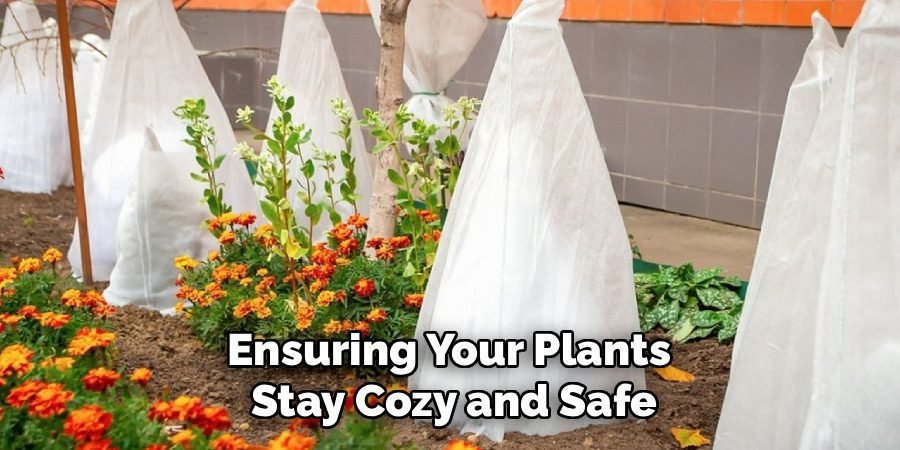
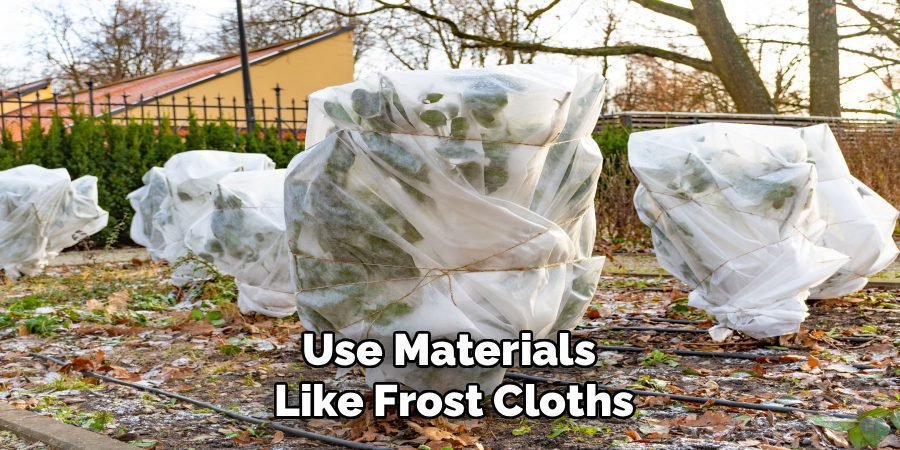
One of the most effective methods is to cover your plants. Use materials like frost cloths, burlap, bedsheets, or even cardboard boxes to create a protective tent over your vulnerable plants. The key is to drape the cover over a frame or stakes so it doesn’t touch the foliage, which could transfer cold and cause damage. Put the covers on in the late afternoon to trap the ground’s residual warmth overnight. Remember to remove them in the morning so the plants can receive sunlight and air.
Step 5: Bring Potted Plants Indoors or to a Sheltered Area
Container plants are particularly vulnerable to cold because their roots are exposed to freezing air on all sides. If possible, the easiest solution is to bring your potted plants indoors. Place them near a sunny window in a garage, basement, or a room in your house. If they are too large to move inside, group them together in a sheltered spot, such as against a south-facing wall of your home or under a covered patio, to shield them from harsh winds and frost.
Step 6: Use Cloches or Cold Frames
For smaller, individual plants or rows of vegetables, a cloche or cold frame provides excellent protection. A cloche is a bell-shaped cover, traditionally made of glass but now often plastic, that acts as a mini-greenhouse for a single plant. A cold frame is a larger, bottomless box with a transparent lid that can protect multiple plants. Both devices trap solar heat during the day and shield plants from frost and wind, creating a warmer microclimate that helps them thrive through the cold.
Step 7: Wrap Trunks and Stems
Young trees and certain shrubs with thin bark are susceptible to a condition called sunscald, where the bark freezes and thaws rapidly, causing it to crack and split. To prevent this, wrap the trunks with commercial tree wrap, burlap strips, or light-colored plastic guards. Start from the base and wrap upwards, overlapping the layers. This protective wrapping insulates the bark from drastic temperature swings and also provides a barrier against gnawing critters looking for a winter meal.
Step 8: Add a Gentle Heat Source for Emergencies
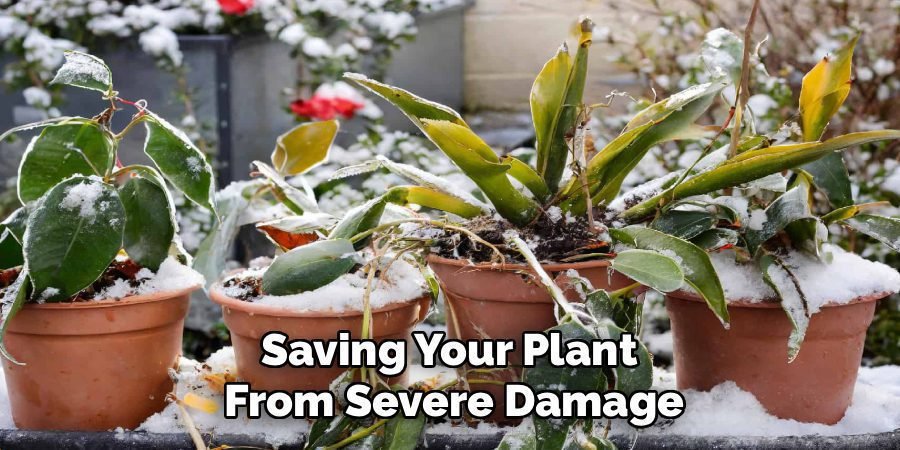
During an exceptionally hard freeze, you might need to add a gentle source of warmth beneath your plant covers. An outdoor-rated string of holiday lights (the older, incandescent C7 or C9 bulbs work best as they produce more heat than LEDs) can be wrapped around the base of a plant or placed under a frost cloth. The small amount of heat emitted can be enough to keep the temperature just above freezing, saving your plant from severe damage during a cold snap.
Maintenance
To ensure your plants remain healthy and protected during colder months, regular maintenance of your protective measures is essential. Check your frost covers for holes or damage that could allow cold air to seep through, and repair or replace them as needed. Inspect holiday lights or other heat sources for any signs of wear or faulty wiring to prevent potential safety hazards. Additionally, monitor the weather forecasts frequently and adjust your safeguards accordingly to adapt to temperature changes. Proper maintenance will ensure your efforts are effective and your plants thrive despite the harsh conditions.
Common Mistakes to Avoid
When preparing your garden for cold weather, certain mistakes can compromise your efforts and leave your plants vulnerable. One common error is neglecting to water plants adequately before the ground freezes. Hydrated plants are better equipped to withstand freezing conditions, as dry soil can intensify cold damage. Another mistake is relying solely on plastic covers without providing insulation, which can trap moisture and cause frost burns.
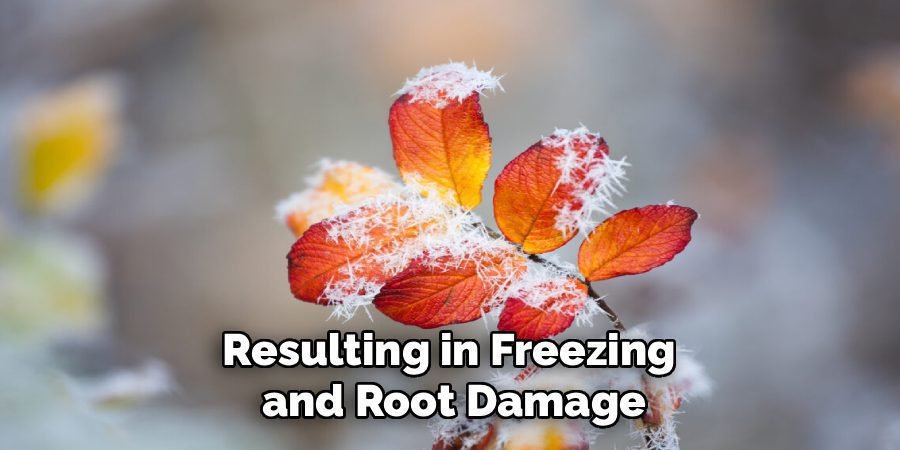
Additionally, overlooking proper drainage can lead to water pooling around roots, resulting in freezing and root damage. Avoid leaving sensitive plants uncovered during surprise frosts, and always double-check your protective measures for durability and effectiveness. By steering clear of these pitfalls, you can ensure your garden remains healthy throughout the winter season.
Frequently Asked Questions (FAQ)
What Temperature Is Too Cold for Most Outdoor Plants?
Most tender plants, such as annuals and many vegetables, will begin to suffer damage when temperatures drop below 32°F (0°C). Frost can form at this temperature, which freezes the water in plant cells. However, hardier perennials and shrubs can often withstand temperatures down to 25°F (-4°C) or even lower, depending on the species and its specific hardiness zone rating. It is always best to check the requirements for your particular plants and take protective action when a frost is forecasted in your area.
Can I Use Plastic Sheeting to Cover My Plants?
While it might seem like a good idea, using plastic sheeting directly on your plants is risky. Plastic is not breathable and can trap too much moisture, which can lead to fungal diseases or cause the foliage to freeze if it makes direct contact. Furthermore, any heat trapped during the day can be lost rapidly at night. If you must use plastic, ensure it is propped up on stakes or a frame so it does not touch the plant, and be sure to vent it during the day to release excess heat and moisture.
How Do I Protect My Raised Garden Beds in Winter?
Protecting raised garden beds involves many of the same principles. Apply a thick layer of mulch over the soil to insulate the roots of any overwintering plants like garlic or kale. For more tender plants, you can construct a low tunnel or hoop house over the bed using PVC pipes and frost cloth. This creates a mini-greenhouse effect that shields the plants from frost and wind. Grouping any potted plants on the bed and covering them all together can also provide collective warmth.
Should I Prune My Plants Before Winter?
It is generally best to avoid heavy pruning in the fall. Pruning stimulates new growth, which is extremely tender and highly susceptible to frost damage. This new growth will likely die back in a freeze, and the effort the plant spent producing it will be wasted. Wait until late winter or early spring, just before the new season’s growth begins, to do any major shaping or cutting. The only exception is to remove any dead, diseased, or damaged branches at any time of year.
Will Snow Damage My Plants?
Surprisingly, a steady blanket of snow can act as a natural insulator, much like mulch. It protects the roots and crowns of perennials and low-growing shrubs from harsh, dry winds and extreme temperature fluctuations. The real danger comes from heavy, wet snow that can weigh down and break branches on larger shrubs and trees. If a heavy snowfall is predicted, you can gently knock the snow off branches with a broom to prevent damage. Otherwise, let the snow provide its natural protection.
Conclusion
Winter gardening does not have to end in disappointment. By taking a few proactive steps, you can give your plants the protection they need to endure the cold and flourish when spring returns. From choosing the right species and mulching generously to covering them before a frost, each action contributes to a healthier, more resilient garden. We hope this guide has given you the confidence and knowledge to tackle the challenge of how to keep plants warm in winter outside. With a little care, you can ensure your garden remains a source of joy for years to come.

About Ravuk Barg
B.Sc. Horticulture Science | Certified Master Gardener
Ravuk Barg has spent more than a decade with his hands in the soil and his head full of questions about why some gardens thrive while others struggle. What started as a single raised bed of tomatoes and basil in a modest backyard has grown into a deep, working knowledge of everything from seed germination and soil amendment to companion planting and seasonal pruning.
Over the years, Ravuk has gardened through drought summers, waterlogged springs, and pest invasions that would make most gardeners hang up their trowels for good. Those hard seasons, he’ll tell you, taught him more than any perfect growing year ever could. He writes from that earned experience—covering vegetable growing, ornamental planting, houseplant care, composting, and garden design with equal confidence and curiosity.
Philosophy & Approach
Ravuk’s approach to gardening is rooted in practicality. He favors organic methods not out of dogma, but because they work long-term—resulting in healthier soil, fewer inputs, and stronger plants. He has a particular fondness for heirloom vegetable varieties (the kind with proper flavor), unruly cottage-style flower beds, and the stubborn houseplants that everyone else gave up on.
The Mission: Give readers the honest, experience-backed advice that helps them actually succeed in their gardens—not just the ideal version, but the real one; weeds, failures, and all.
Education & Credentials
-
B.Sc. in Horticulture Science
-
Greenfield Agricultural University
-
Focus: Plant Physiology, Soil Ecology, and Sustainable Crop Production
-
-
Master Gardener Certification
-
Cooperative Extension Service
-
Focus: 200+ hours of hands-on practical training and community garden work
-
Continuing Education
-
Organic Pest Management
-
Native Plant Landscaping
-
Sustainable Crop Production