

A lush, green lawn is the pride of many homeowners, but achieving it often involves the chore of bagging and disposing of grass clippings. What if there was a better way? Learning how to use lawn mower without bag can save you time, reduce waste, and even improve the health of your turf.
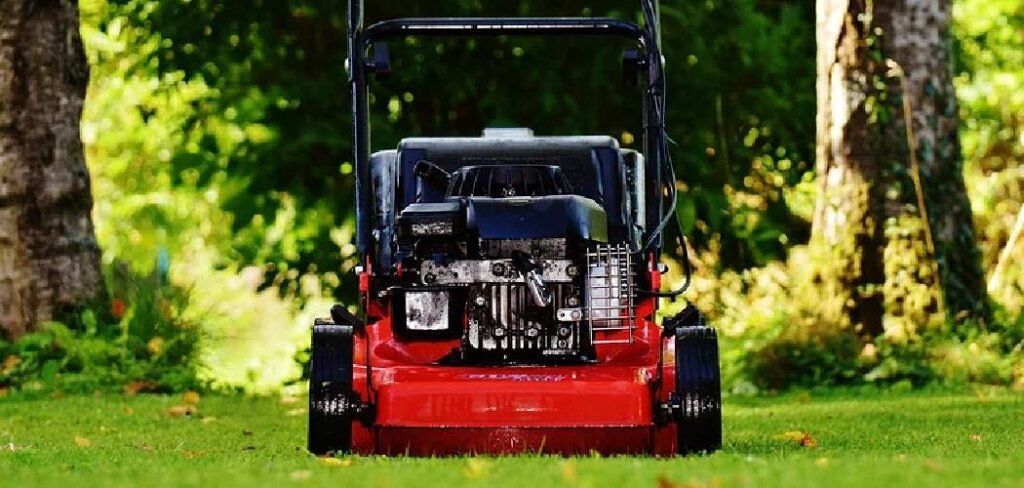
This method, often called grasscycling or mulching, returns valuable nutrients to the soil as the clippings decompose. It’s an eco-friendly and efficient approach to lawn care that simplifies your routine. This guide will walk you through everything you need to know to ditch the bag for good and cultivate a healthier, more vibrant lawn with less effort.
Why Mow Without a Bag?
Mowing without a bag, or “grasscycling,” is more than just a convenient shortcut; it’s a beneficial practice for your lawn’s ecosystem. When you leave the clippings on the lawn, they decompose quickly, acting as a natural fertilizer. These tiny pieces of grass are rich in nitrogen, phosphorus, and potassium—the same essential nutrients found in commercial lawn fertilizers. By returning them to the soil, you reduce the need for chemical treatments, saving money and minimizing your environmental impact.
This process also helps the soil retain moisture, which is especially helpful during dry spells. Furthermore, you eliminate the hassle of bagging heavy loads of clippings and sending them to the landfill, where they would otherwise contribute to methane gas production. It’s a simple change that yields significant benefits for your lawn, your wallet, and the planet.
7 Step-by-Step Guide on How to Use Lawn Mower Without Bag
Step 1: Check Your Mower’s Capabilities
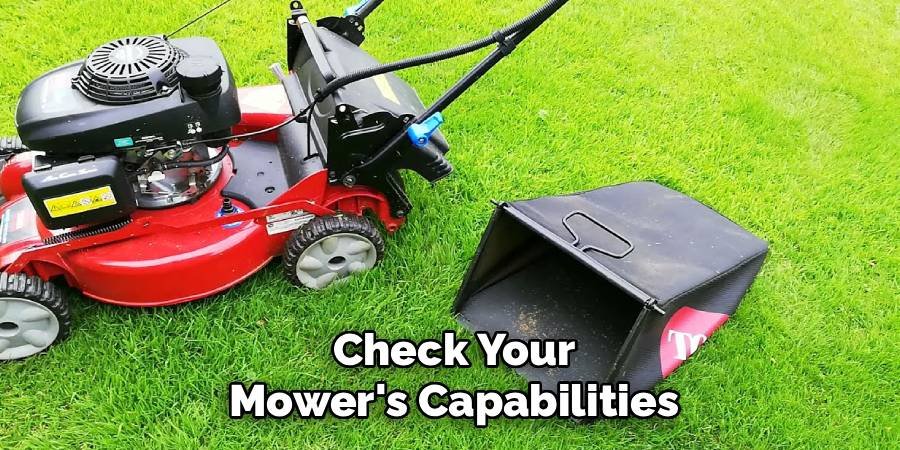
Before you begin, inspect your lawn mower to see if it is designed for mulching. Many modern rotary mowers come with a “3-in-1” feature, meaning they can bag, discharge from the side, or mulch. A dedicated mulching mower will have a specially shaped deck and blade designed to chop clippings into fine pieces. If your mower has a side discharge chute, you can often buy a separate mulching kit. This kit typically includes a mulch plug to block the discharge opening and a mulching blade. Ensure the mower is in good working order, the engine is running smoothly, and the blades are sharp for the best results.
Step 2: Prepare Your Mower for Mulching
To set up your mower for bagless operation, you first need to remove the collection bag. Next, you must block the opening where the clippings would normally be sent. If you have a side-discharge mower, attach the mulch plug that likely came with your machine or can be purchased separately. This plug seals the discharge chute, forcing the grass clippings to stay under the deck. For rear-bagging mowers, there is often a similar plug or a door that closes off the bag chute. This step is crucial; without it, the mower cannot effectively chop the clippings into the fine pieces needed for successful mulching.
Step 3: Install a Mulching Blade
A standard lawn mower blade is designed to create lift, flinging clippings into a bag. A mulching blade, however, is different. It has a more curved surface and multiple cutting edges that work to slice the grass clippings repeatedly as they circulate under the mower deck. This action pulverizes them into tiny, almost invisible pieces that can easily settle into the turf and decompose. If your mower didn’t come with one, installing a mulching blade is a simple but highly effective upgrade. Always disconnect the spark plug before working on the blade to prevent accidental starts and ensure your safety.
Step 4: Mow on a Dry Lawn
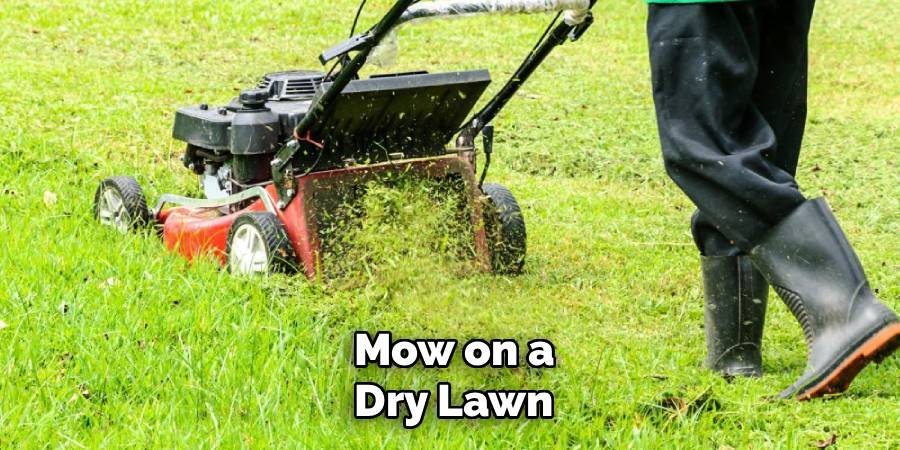
The success of mowing without a bag heavily depends on the condition of your grass. Always mow when the lawn is completely dry. Wet grass is heavy, clumps together easily, and will not chop up finely. Instead of disappearing into the turf, these wet clumps will sit on top of the lawn, blocking sunlight and potentially leading to fungal diseases or dead spots. Mowing a dry lawn ensures the clippings are light and airy, allowing the mulching blade to work its magic. Plan your mowing schedule around the weather, aiming for a dry afternoon for the best possible outcome.
Step 5: Follow the One-Third Rule
One of the most important principles for successful mulching is the one-third rule. Never cut more than one-third of the grass blade’s total height in a single mowing session. For example, if your ideal lawn height is 3 inches, you should mow it before it grows taller than 4.5 inches. Cutting too much at once shocks the grass and produces an excessive volume of clippings.
Your mower will struggle to mulch this heavy load, leaving behind unsightly rows of thatch. Adhering to this rule might mean mowing more frequently during peak growing seasons, but it is essential for the process of learning how to use lawn mower without bag effectively.
Step 6: Adjust Your Mowing Pattern
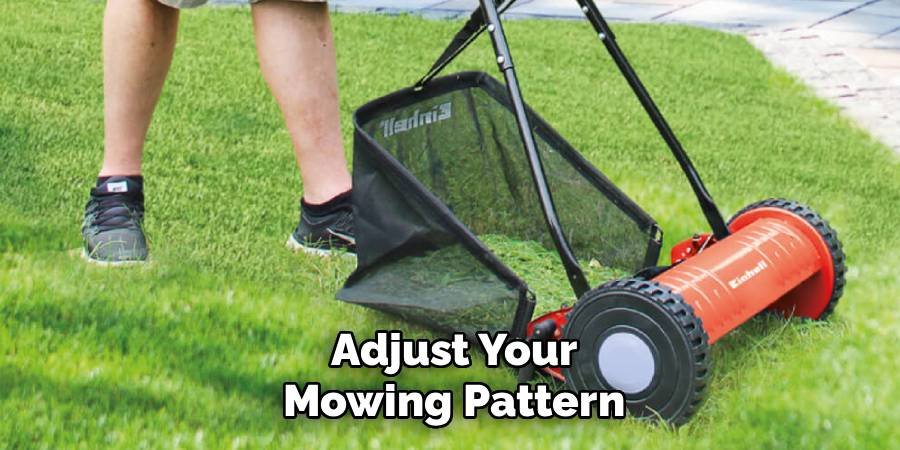
Varying your mowing pattern each time you cut the grass is good practice for general lawn health, and it’s especially important when mulching. Mowing in the same direction repeatedly can cause the grass blades to lean in one direction and can compact the soil in the wheel tracks. By alternating between vertical, horizontal, and diagonal patterns, you encourage the grass to grow upright. This helps expose more of the blade surface to the sun and allows the finely chopped clippings to settle more evenly into the soil, ensuring they decompose properly and distribute nutrients uniformly across the entire lawn.
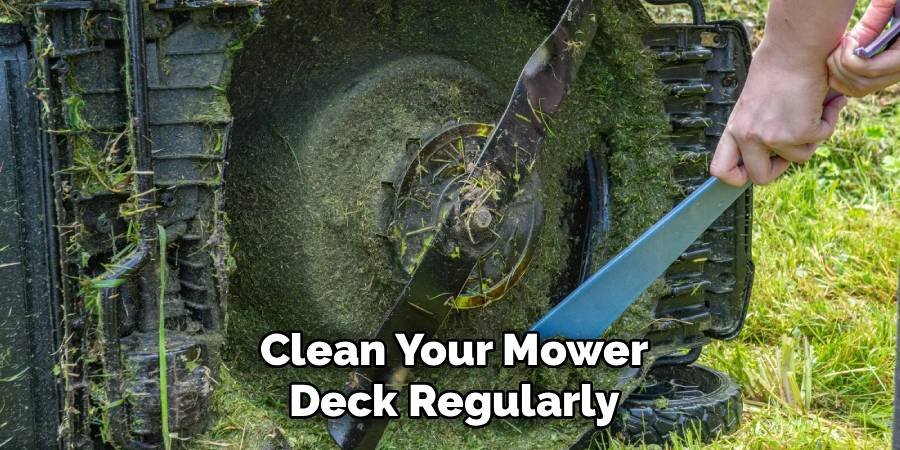
Step 7: Clean Your Mower Deck Regularly
After you finish mowing, it’s a good habit to clean the underside of your mower deck. Over time, a mixture of grass clippings, dirt, and moisture can build up, caking onto the deck and blade. This buildup can interfere with the airflow needed for effective mulching and may harbor mold or bacteria.
A simple cleaning with a putty knife or a dedicated deck scraper will keep your mower performing at its best. A clean deck ensures the clippings can move freely to be recut multiple times, which is the key to successful bagless mowing and a healthy, clean-looking lawn. This is a final, but important, part of how to use lawn mower without bag.
Frequently Asked Questions (FAQ)
Is It Bad to Mow Without a Bag?
Not at all! Mowing without a bag is actually beneficial for your lawn. This practice, known as grasscycling, allows the small clippings to fall back onto the soil. As they decompose, they release valuable nutrients like nitrogen, which acts as a natural fertilizer. This can lead to a healthier, greener lawn and reduces your need for chemical fertilizers. The key is to do it correctly by mowing frequently and only cutting off the top third of the grass blades.
Can Any Lawn Mower Be Used Without a Bag?
Most modern rotary mowers can be used without a bag, but some are better suited for it than others. Look for a mower with a “mulching” feature or a “3-in-1” capability (bag, side-discharge, mulch). To effectively mow without a bag, you need to:
- Use a special mulching blade.
- Block the discharge chute with a mulch plug.
These features ensure the grass is cut into very fine pieces that can easily decompose.
Will Leaving Grass Clippings Cause Thatch?
This is a common misconception. Thatch is a layer of dead and living shoots, stems, and roots that builds up between the soil and the green grass. Grass clippings, on the other hand, are about 85% water and decompose very quickly. They do not contribute to thatch buildup. In fact, thatch is more often caused by over-fertilizing and infrequent mowing, which leaving clippings on the lawn helps to prevent.
How Often Should I Mow If I’m Not Bagging?
Because you should only remove the top third of the grass blade, you will likely need to mow more frequently, especially during the spring and early summer when growth is rapid. For most lawns, this means mowing every 5 to 7 days. Mowing more often keeps the clippings short, which allows them to break down quickly and disappear into the turf without clumping.
What Should I Do If the Clippings Are Clumping?
Clumps of grass clippings are a sign that something is wrong. They can smother the grass beneath and lead to dead spots. The most common causes are:
- Mowing wet grass.
- Letting the grass grow too tall between cuts.
- Mowing too quickly.
To fix this, make sure the lawn is dry, mow more often, and walk at a steady, moderate pace. If you still see clumps, you can use a rake to spread them out.
Conclusion
Making the switch to bagless mowing is a simple, effective way to create a healthier lawn with less work. By following the steps outlined here—from preparing your mower with a mulching blade to mowing dry grass and following the one-third rule—you can turn your grass clippings into a powerful natural fertilizer. This method not only improves soil health and turf vibrancy but also saves you time and reduces landfill waste. Now that you know how to use lawn mower without bag, you are ready to enjoy the benefits of a more sustainable and efficient lawn care routine.

About Ravuk Barg
B.Sc. Horticulture Science | Certified Master Gardener
Ravuk Barg has spent more than a decade with his hands in the soil and his head full of questions about why some gardens thrive while others struggle. What started as a single raised bed of tomatoes and basil in a modest backyard has grown into a deep, working knowledge of everything from seed germination and soil amendment to companion planting and seasonal pruning.
Over the years, Ravuk has gardened through drought summers, waterlogged springs, and pest invasions that would make most gardeners hang up their trowels for good. Those hard seasons, he’ll tell you, taught him more than any perfect growing year ever could. He writes from that earned experience—covering vegetable growing, ornamental planting, houseplant care, composting, and garden design with equal confidence and curiosity.
Philosophy & Approach
Ravuk’s approach to gardening is rooted in practicality. He favors organic methods not out of dogma, but because they work long-term—resulting in healthier soil, fewer inputs, and stronger plants. He has a particular fondness for heirloom vegetable varieties (the kind with proper flavor), unruly cottage-style flower beds, and the stubborn houseplants that everyone else gave up on.
The Mission: Give readers the honest, experience-backed advice that helps them actually succeed in their gardens—not just the ideal version, but the real one; weeds, failures, and all.
Education & Credentials
-
B.Sc. in Horticulture Science
-
Greenfield Agricultural University
-
Focus: Plant Physiology, Soil Ecology, and Sustainable Crop Production
-
-
Master Gardener Certification
-
Cooperative Extension Service
-
Focus: 200+ hours of hands-on practical training and community garden work
-
Continuing Education
-
Organic Pest Management
-
Native Plant Landscaping
-
Sustainable Crop Production