

A beautiful, green lawn is the pride of many homeowners, but keeping it vibrant, especially during dry spells, can be a challenge. The secret often lies not just in how much you water, but in how well your lawn holds onto that moisture. A thirsty, brown lawn is a sign that water is escaping too quickly through evaporation or runoff. Understanding how to retain moisture in lawn areas is the key to creating a resilient, healthy, and lush landscape that requires less water over time. This guide will walk you through practical, beginner-friendly steps to help your soil hold water more effectively, ensuring your grass stays green and healthy even when the weather is hot and dry.
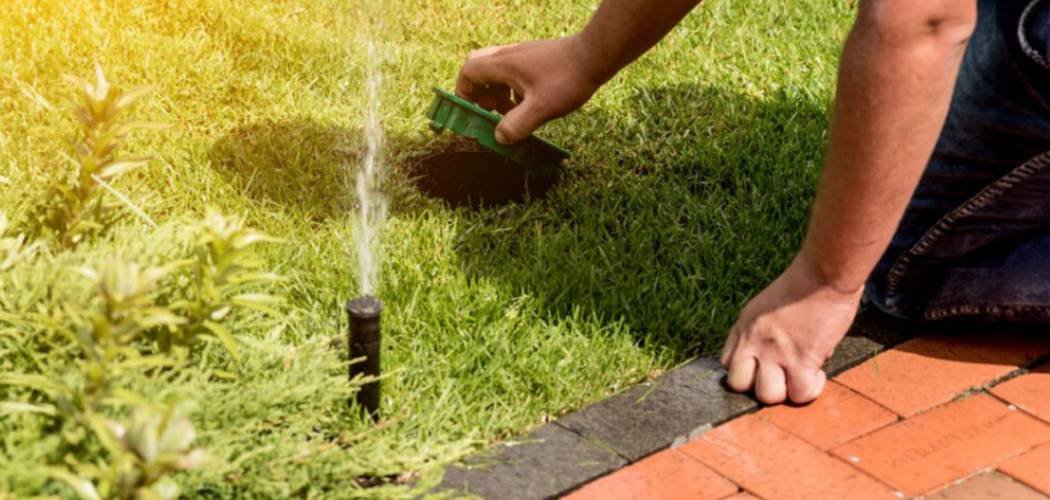
Why Retaining Moisture in Your Lawn Matters
A lawn that effectively retains moisture is more than just aesthetically pleasing; it’s a sign of a healthy, self-sufficient ecosystem right in your backyard. When soil holds water properly, grass roots can grow deeper and stronger, making them more resilient to drought, heat, and foot traffic.
This reduces the need for constant watering, saving you time, money, and a precious natural resource. Good moisture retention also fosters a healthy soil environment, encouraging beneficial microorganisms that break down organic matter and supply essential nutrients to your grass. In contrast, a lawn that dries out quickly is prone to disease, pest infestations, and unsightly brown patches, creating a cycle of costly treatments and constant upkeep. By focusing on moisture retention, you build a foundation for a truly sustainable and low-maintenance lawn.
7 Steps Methods Guide on How to Retain Moisture in Lawn
Step 1: Water Early in the Morning
The time of day you water has a significant impact on how much moisture reaches the roots of your grass. Watering in the early morning, ideally between 4 a.m. and 10 a.m., is the most efficient practice. During these cooler hours, wind and heat are at their lowest, which minimizes water loss from evaporation. This allows the water to soak deep into the soil and be absorbed by the grassroots where it’s needed most. Watering in the afternoon can lead to rapid evaporation, while evening watering can leave the grass blades wet overnight, creating a damp environment that invites fungal diseases.

Step 2: Water Deeply and Infrequently
Instead of light, daily sprinklings, it is far more effective to water your lawn deeply but less often. A deep watering encourages grass roots to grow further down into the soil in search of moisture. Lawns with deep root systems are more drought-tolerant and resilient. Aim to provide about one inch of water per week, delivered in a single session or two separate sessions. You can measure this by placing an empty tuna can on your lawn while you water; when it’s full, you’ve supplied about an inch. This method trains your lawn to be more self-sufficient and is a cornerstone of learning how to retain moisture in lawn care.
Step 3: Aerate Your Lawn Annually
Over time, soil can become compacted from foot traffic, mowing, and even rainfall. Compacted soil has less pore space, making it difficult for water, air, and nutrients to penetrate the root zone. Aeration is the process of creating small holes in the soil to alleviate this compaction. Using a core aerator, which pulls out small plugs of soil, is highly effective. This process opens up the ground, allowing water to soak in deeply rather than running off the surface. Aerating once a year, typically in the spring or fall, dramatically improves your lawn’s ability to absorb and hold moisture.
Step 4: Mow Higher
Adjusting your mower blade to a higher setting is a simple yet powerful way to help your lawn retain moisture. Taller grass blades provide more shade for the soil surface, keeping it cooler and reducing water evaporation. Longer grass also develops a deeper, more extensive root system, which can access water from further down in the soil profile. Aim to keep your grass at a height of about 3 to 4 inches. Avoid the temptation to cut it short for a manicured look, as this stresses the grass and exposes the soil to the drying effects of the sun and wind.
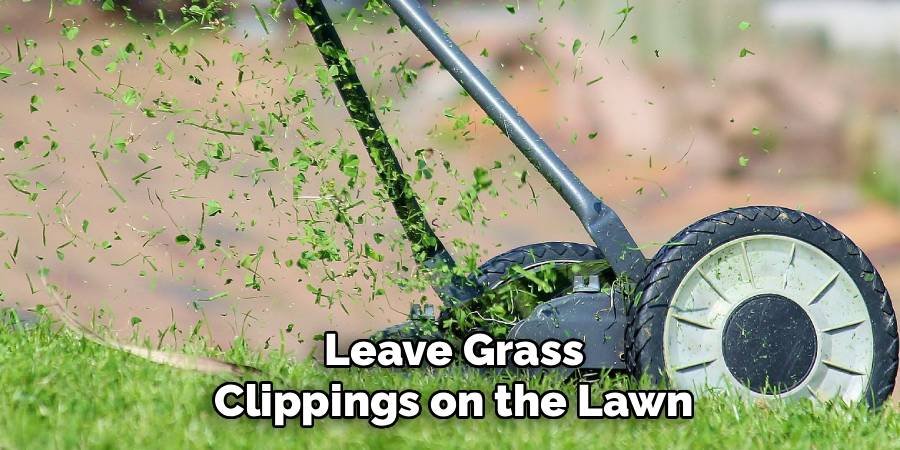
Step 5: Leave Grass Clippings on the Lawn
After mowing, resist the urge to bag the clippings. This practice, known as “grasscycling,” provides a natural, moisture-rich mulch for your lawn. As the clippings decompose, they return valuable nutrients and organic matter to the soil. This thin layer of clippings also helps shade the soil, keeping it cool and reducing evaporation. This simple change in your mowing routine improves soil structure and its water-holding capacity over time. Ensure the clippings are small and spread evenly to avoid smothering the living grass. This is an easy, free method for improving soil health and moisture retention.
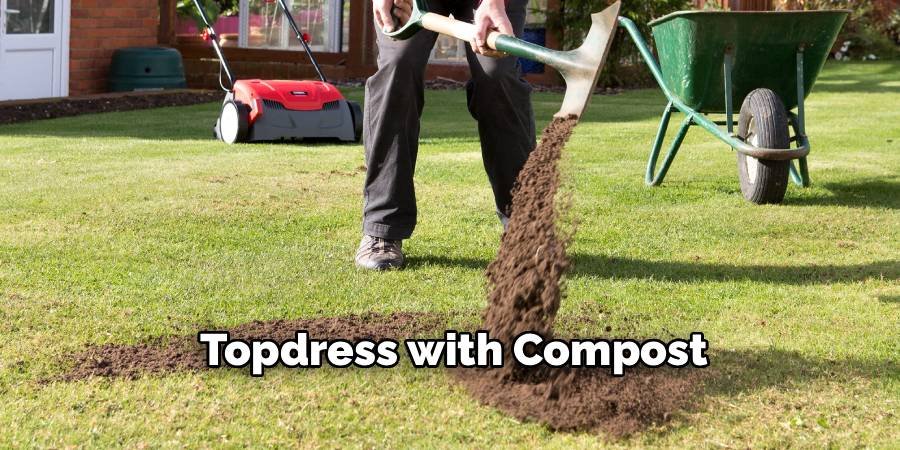
Step 6: Topdress with Compost
Adding a thin layer of compost to your lawn, a practice called topdressing, is one of the best ways to improve soil structure. Compost is rich in organic matter, which acts like a sponge, absorbing and holding many times its weight in water. Spreading a quarter-inch layer of fine compost across your lawn and raking it in will enhance its ability to retain moisture. The compost also enriches the soil with essential nutrients, reducing the need for chemical fertilizers. Topdressing in the spring or fall, especially after aerating, is an excellent strategy for long-term lawn health.
Step 7: Apply Mulch Around Trees and Garden Beds
While not directly on the lawn itself, applying mulch to adjacent garden beds and around the base of trees helps the overall landscape retain moisture. Bare soil in these areas loses water quickly to evaporation, which can dry out the surrounding lawn. A 2- to 3-inch layer of organic mulch, such as wood chips or shredded bark, will insulate the soil, keep it cool, and significantly reduce water loss. This ensures that more moisture remains in the ground, available to all plants, including the edges of your lawn. This integrated approach is a key part of an effective strategy for how to retain moisture in lawn and garden areas.
Frequently Asked Questions
How Can I Tell if My Lawn Needs Water?
You can check for a few simple signs. First, look at the color; grass that is thirsty will take on a bluish-gray tint. You can also try the “footprint test.” Walk across your lawn and look back. If your footprints remain visible for more than a few minutes, the grass blades don’t have enough moisture to spring back up. Finally, you can use a screwdriver to test the soil. If it’s difficult to push it a few inches into the ground, the soil is likely too dry.
What Type of Grass Is Best for Dry Climates?
Choosing a drought-tolerant grass species is a great proactive step. For cool-season lawns, varieties like Tall Fescue and Kentucky Bluegrass have good drought resistance. For warm-season climates, Zoysia, Bermuda, and St. Augustine grass are excellent choices as they are naturally adapted to heat and lower water conditions. Consulting with a local nursery can help you select the best variety that will thrive in your specific region and soil type.
Will Wetting Agents Help My Lawn Retain Moisture?
Yes, wetting agents can be very effective, especially for lawns with compacted or hydrophobic (water-repelling) soil. These products are surfactants that reduce the surface tension of water, allowing it to penetrate the soil more evenly and deeply. They help ensure the water you apply gets down to the root zone instead of sitting on the surface or running off. While not a permanent fix, they can be a useful tool when used in combination with cultural practices like aeration and adding organic matter.
Does Fertilizer Affect Water Retention?
Fertilizer choice and timing can influence your lawn’s water needs. Slow-release, organic-based fertilizers are generally best, as they provide a steady supply of nutrients without promoting excessive, thirsty top growth. Avoid applying high-nitrogen fertilizers during hot, dry periods, as this encourages rapid blade growth that requires more water than the roots can supply, leading to stress. A balanced fertilization program that supports root health will ultimately improve your lawn’s drought tolerance.
How Long Does It Take to Improve Soil’s Water Retention?
Improving your soil’s ability to hold water is a gradual process, not an overnight fix. You may notice some immediate benefits from practices like changing your watering schedule. However, building truly healthy, moisture-retentive soil through methods like aeration, topdressing with compost, and grasscycling takes time. You will likely see noticeable improvements within one growing season, with significant, lasting changes developing over two to three years of consistent effort. Patience is key.

Conclusion
Creating a lawn that stays green and healthy through dry weather doesn’t require endless watering. The solution lies in working smarter, not harder. By focusing on building healthy soil and adopting better maintenance habits—like watering deeply, mowing high, aerating, and adding organic matter—you can drastically improve your lawn’s natural ability to hold onto moisture. These methods not only conserve water but also create a more resilient and beautiful landscape that requires less intervention. Now that you know how to retain moisture in lawn areas, you have the power to cultivate a thriving, sustainable yard you can be proud of.

About Ravuk Barg
B.Sc. Horticulture Science | Certified Master Gardener
Ravuk Barg has spent more than a decade with his hands in the soil and his head full of questions about why some gardens thrive while others struggle. What started as a single raised bed of tomatoes and basil in a modest backyard has grown into a deep, working knowledge of everything from seed germination and soil amendment to companion planting and seasonal pruning.
Over the years, Ravuk has gardened through drought summers, waterlogged springs, and pest invasions that would make most gardeners hang up their trowels for good. Those hard seasons, he’ll tell you, taught him more than any perfect growing year ever could. He writes from that earned experience—covering vegetable growing, ornamental planting, houseplant care, composting, and garden design with equal confidence and curiosity.
Philosophy & Approach
Ravuk’s approach to gardening is rooted in practicality. He favors organic methods not out of dogma, but because they work long-term—resulting in healthier soil, fewer inputs, and stronger plants. He has a particular fondness for heirloom vegetable varieties (the kind with proper flavor), unruly cottage-style flower beds, and the stubborn houseplants that everyone else gave up on.
The Mission: Give readers the honest, experience-backed advice that helps them actually succeed in their gardens—not just the ideal version, but the real one; weeds, failures, and all.
Education & Credentials
-
B.Sc. in Horticulture Science
-
Greenfield Agricultural University
-
Focus: Plant Physiology, Soil Ecology, and Sustainable Crop Production
-
-
Master Gardener Certification
-
Cooperative Extension Service
-
Focus: 200+ hours of hands-on practical training and community garden work
-
Continuing Education
-
Organic Pest Management
-
Native Plant Landscaping
-
Sustainable Crop Production