

Have you ever wondered what makes a garden truly thrive? While sunlight and water are crucial, the secret often lies just beneath your feet. Topsoil, the uppermost layer of soil, is the lifeblood of any healthy garden, packed with the nutrients and organic matter plants need to flourish. It’s the dark, crumbly material that supports everything from the smallest flower to the largest tree. For new and experienced gardeners alike, understanding this vital resource is the first step toward a more vibrant and productive landscape. This guide will walk you through the fascinating process of how is topsoil made, demystifying its creation from start to finish.
Why Healthy Topsoil Matters
Understanding the creation of topsoil is about more than just scientific curiosity; it’s fundamental to successful gardening. This nutrient-rich layer is where plants anchor their roots, absorb water, and draw the essential minerals needed for growth. Without quality topsoil, plants struggle to survive, leading to poor yields and weak, unhealthy vegetation. By learning how nature builds this precious resource, you gain the knowledge to protect, amend, and even create your own. This empowers you to build a sustainable garden ecosystem that supports robust plant life, reduces the need for chemical fertilizers, and contributes to a healthier local environment.
7 Step-by-Step Guide on How Is Topsoil Made
The creation of topsoil is a slow, methodical process driven by nature over hundreds or even thousands of years. It involves the breakdown of rocks, the decomposition of organic material, and the tireless work of countless microorganisms. Let’s explore the key stages.
Step 1: Weathering of Parent Material
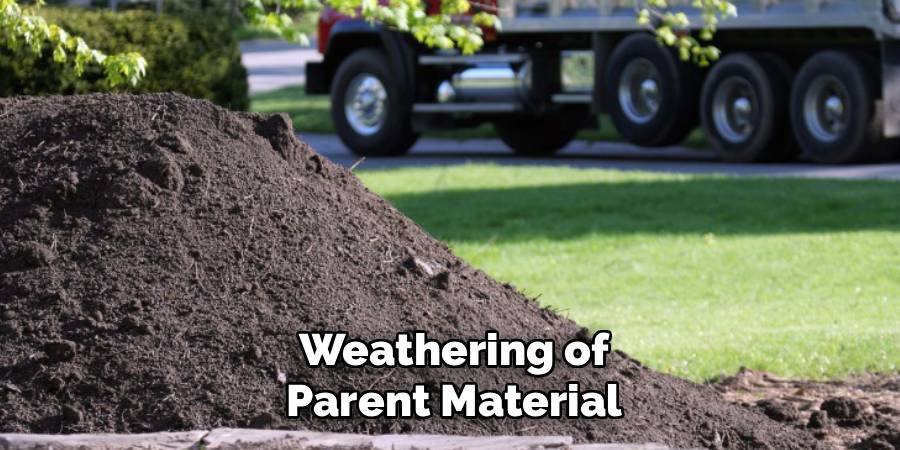
The journey begins with parent material, which is the underlying rock or sediment. Over long periods, this solid foundation is broken down through a process called weathering. Physical weathering, caused by forces like wind, rain, freezing and thawing cycles, and even plant roots, fractures the rock into smaller particles. At the same time, chemical weathering occurs as rainwater, which is slightly acidic, slowly dissolves minerals within the rock. This initial breakdown creates the basic mineral framework of sand, silt, and clay that forms the inorganic base of all soil.
Step 2: Introduction of Organic Matter
Once the rock has begun to break down, pioneer species like lichens, mosses, and hardy grasses can take hold. These simple life forms are the first contributors of organic material. As they live and die, their remains accumulate on the surface of the weathered rock particles. This initial layer of decaying plant matter is a critical step, as it provides the first food source for microorganisms and insects. This decomposition process slowly begins to enrich the mineral base, marking the transition from sterile sediment to the beginnings of a living soil ecosystem.
Step 3: Decomposition by Microorganisms
With a source of organic matter established, a complex community of decomposers moves in. This microscopic army includes bacteria, fungi, protozoa, and nematodes. These organisms are the true engines of soil creation. They consume the dead plants and animals, breaking down complex organic compounds into simpler, nutrient-rich substances. This process, known as humification, transforms the raw organic debris into humus—a stable, dark, spongy material. Humus is essential for giving topsoil its characteristic dark color, crumbly texture, and incredible ability to hold both water and nutrients.
Step 4: The Role of Soil Organisms
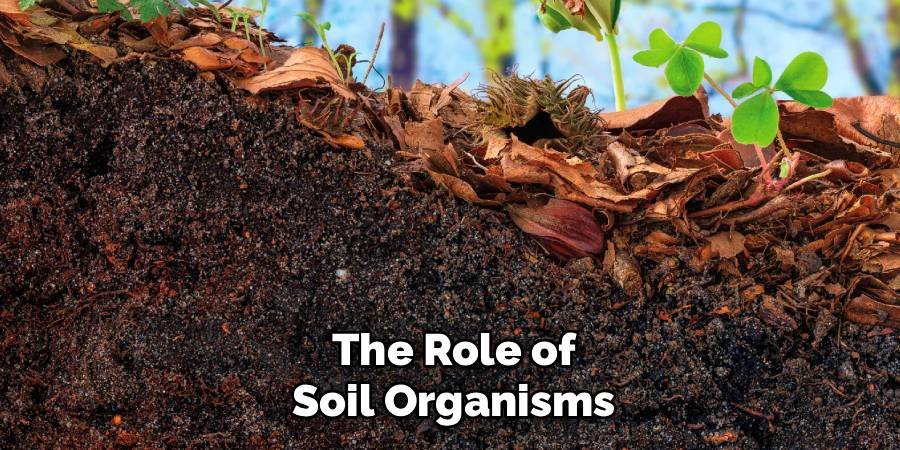
Beyond the microscopic decomposers, larger organisms play a vital role in soil formation. Earthworms are perhaps the most famous soil engineers. As they burrow through the ground, they ingest soil particles and organic matter, mixing them together in their digestive tracts and excreting nutrient-rich casts. This activity aerates the soil, improves its structure, and transports organic material deeper into the profile. Similarly, insects, millipedes, and burrowing animals create channels that allow air and water to penetrate, further blending the organic and mineral components and accelerating the development of a healthy topsoil layer.
Step 5: Nutrient Cycling and Mineralization
As microorganisms and soil fauna continue to break down organic matter, they release essential nutrients in a plant-available form through a process called mineralization. Elements like nitrogen, phosphorus, and potassium, which were once locked up in dead leaves or animal remains, are converted into simple inorganic ions that plant roots can absorb. This continuous cycle ensures that the topsoil remains fertile. A healthy topsoil ecosystem is a dynamic environment where nutrients are constantly being recycled, providing a sustainable source of food for the plants growing within it.
Step 6: Development of Soil Structure
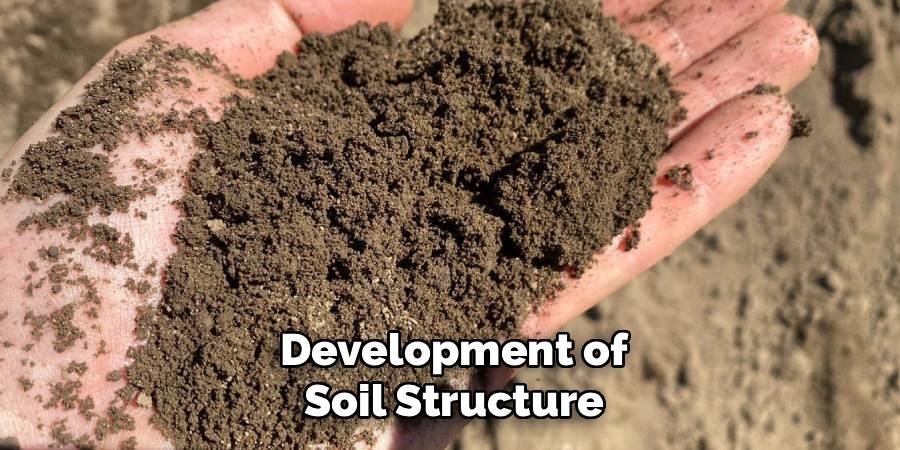
Over time, the combined actions of weathering, decomposition, and organism activity create a distinct soil structure. The particles of sand, silt, clay, and humus begin to clump together to form aggregates. A good soil structure is characterized by a variety of pore sizes between these aggregates, which is crucial for a healthy balance of air and water. This crumbly, porous structure allows roots to grow easily, enables water to drain effectively to prevent waterlogging, and retains sufficient moisture for plants to access during dry periods. This stage marks the maturation of the soil profile.
Step 7: Maturation and Deepening of the Topsoil Layer
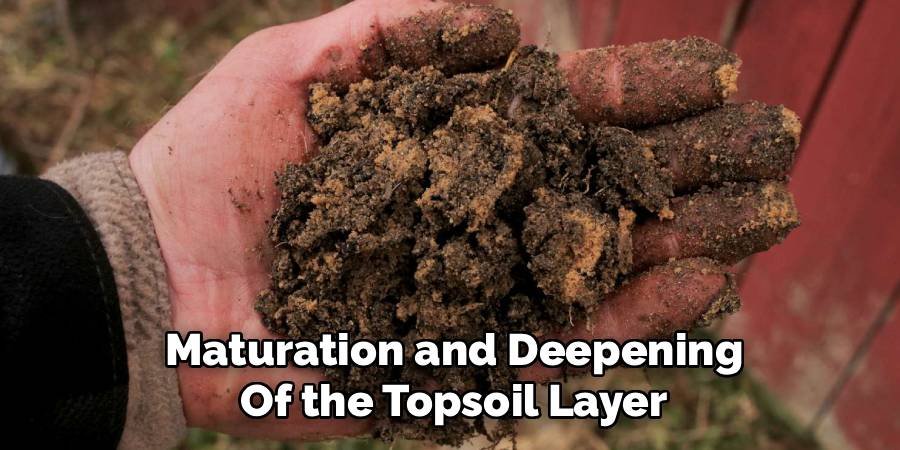
The final stage is the gradual deepening and maturation of the topsoil layer, known as the ‘O’ (organic) and ‘A’ (topsoil) horizons. This process happens very slowly, as it can take nature anywhere from 500 to 1,000 years to form just one inch of topsoil. Continuous additions of organic matter from falling leaves, decaying roots, and animal waste, combined with ongoing biological activity, slowly build upon the existing layer. A mature, healthy ecosystem will have a deep, dark, and fertile topsoil horizon that can support a diverse and thriving plant community for generations. This intricate process highlights why understanding how is topsoil made is key to appreciating its value.
Frequently Asked Questions (FAQ)
What Is the Difference Between Topsoil and Garden Soil?
Topsoil is the uppermost layer of earth, typically the top 2 to 10 inches, which is naturally formed over centuries. It contains minerals, organic matter, water, and air. Garden soil, on the other hand, is often a commercial product that is a mix of topsoil and other ingredients. These additions, such as compost, peat moss, or sand, are included to create an ideal growing medium for specific plants like vegetables or flowers. While topsoil is a great base, garden soil is usually pre-amended for better texture and fertility.
How Can I Tell if My Topsoil Is Healthy?
You can assess your topsoil’s health with a few simple observations. Healthy topsoil should be dark and crumbly, not hard and compacted. It will have a rich, earthy smell, indicating active microbial life. Squeeze a handful: it should hold its shape loosely but crumble when poked. The presence of earthworms is another excellent sign of healthy soil. For a more detailed analysis, you can use a home soil test kit to check its pH level and nutrient content, aiming for a pH between 6.0 and 7.0 for most plants.
Can I Make My Own Topsoil?
While you cannot replicate the centuries-long natural process exactly, you can create a high-quality, nutrient-rich growing medium that functions like topsoil. This is typically done through composting. By combining “green” materials (like kitchen scraps and grass clippings) with “brown” materials (like dried leaves and cardboard), you encourage decomposition that creates a dark, humus-rich amendment. When mixed with existing soil or sand, this finished compost acts as a powerful, homemade version of topsoil, perfect for enriching garden beds.
How Long Does It Take for Topsoil to Form Naturally?
The natural formation of topsoil is an incredibly slow process. On average, it takes between 500 and 1,000 years to form just one inch of topsoil under ideal conditions. This rate depends on several factors, including:
- Climate (temperature and rainfall)
- The type of parent rock
- The topography of the land
- The types of organisms present
This slow creation rate underscores why topsoil is considered a non-renewable resource and why its conservation is so important for environmental health and agriculture.
Why Is My Topsoil Light Brown Instead of Dark?
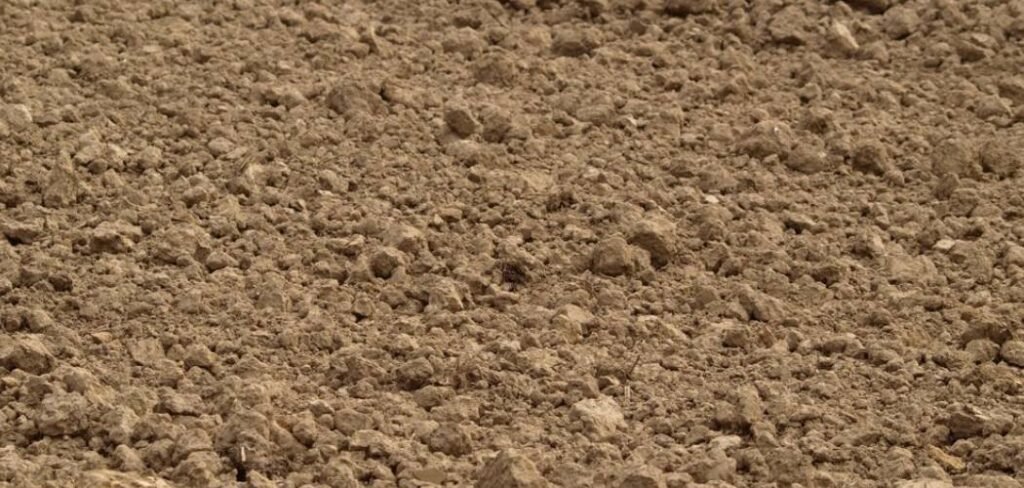
The color of topsoil is primarily determined by its organic matter content. Dark, almost black, soil is rich in humus, which is the stable, fully decomposed organic material that holds water and nutrients. If your topsoil is a lighter brown or tan color, it likely has a lower percentage of organic matter and a higher concentration of sand or clay minerals. While it can still support plant life, its fertility and water retention may be lower. You can improve its quality and darken its color over time by adding compost or other organic amendments.
Conclusion
The creation of topsoil is a remarkable testament to the power of natural collaboration. From the slow weathering of rock to the tireless work of microscopic decomposers, every step is essential in building the fertile ground that sustains life. It is a process that blends geology and biology over centuries to create a resource we often take for granted. By understanding how is topsoil made, you are better equipped to protect this precious layer in your own backyard. We encourage you to start your own compost pile or add organic amendments to your garden beds, actively participating in the process of building rich, healthy soil for a more beautiful and productive garden.

About Ravuk Barg
B.Sc. Horticulture Science | Certified Master Gardener
Ravuk Barg has spent more than a decade with his hands in the soil and his head full of questions about why some gardens thrive while others struggle. What started as a single raised bed of tomatoes and basil in a modest backyard has grown into a deep, working knowledge of everything from seed germination and soil amendment to companion planting and seasonal pruning.
Over the years, Ravuk has gardened through drought summers, waterlogged springs, and pest invasions that would make most gardeners hang up their trowels for good. Those hard seasons, he’ll tell you, taught him more than any perfect growing year ever could. He writes from that earned experience—covering vegetable growing, ornamental planting, houseplant care, composting, and garden design with equal confidence and curiosity.
Philosophy & Approach
Ravuk’s approach to gardening is rooted in practicality. He favors organic methods not out of dogma, but because they work long-term—resulting in healthier soil, fewer inputs, and stronger plants. He has a particular fondness for heirloom vegetable varieties (the kind with proper flavor), unruly cottage-style flower beds, and the stubborn houseplants that everyone else gave up on.
The Mission: Give readers the honest, experience-backed advice that helps them actually succeed in their gardens—not just the ideal version, but the real one; weeds, failures, and all.
Education & Credentials
-
B.Sc. in Horticulture Science
-
Greenfield Agricultural University
-
Focus: Plant Physiology, Soil Ecology, and Sustainable Crop Production
-
-
Master Gardener Certification
-
Cooperative Extension Service
-
Focus: 200+ hours of hands-on practical training and community garden work
-
Continuing Education
-
Organic Pest Management
-
Native Plant Landscaping
-
Sustainable Crop Production