

Discovering an old carton of eggs in the back of the fridge is a common occurrence, but before you toss them in the bin, consider their value to your garden. Instead of contributing to food waste, you can repurpose those expired eggs into a powerful, natural fertilizer for your plants.
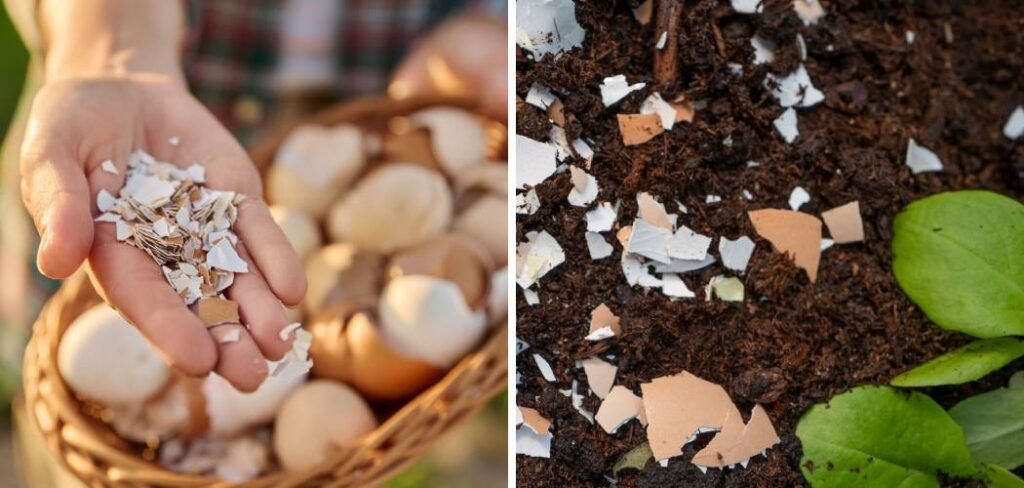
This guide will walk you through exactly how to use old eggs in the garden, transforming kitchen scraps into a nutrient-rich resource. This simple, eco-friendly practice not only enriches your soil but also supports robust plant growth, stronger stems, and more vibrant blooms. It’s a fantastic way for any gardener, from beginner to expert, to boost their garden’s health without spending a dime on commercial products.
Why Use Old Eggs in the Garden?
You might wonder why you should bother with old eggs when so many commercial fertilizers are available. The answer lies in their rich nutritional profile. Eggs are a powerhouse of calcium, a vital nutrient for plant development. Calcium strengthens cell walls, which helps prevent common plant issues like blossom-end rot in tomatoes and peppers. It promotes vigorous root development, allowing plants to absorb more water and nutrients from the soil.
Beyond calcium, whole eggs—including the yolk and white—provide a slow-release source of nitrogen, phosphorus, and other essential minerals. As the egg decomposes, it gradually releases these nutrients into the soil, feeding your plants over an extended period. This process improves soil structure and encourages beneficial microbial activity, creating a healthier ecosystem for your plants to thrive in. Using old eggs is a sustainable, zero-cost method to recycle kitchen waste and give your garden a natural, effective boost.
7 Step-by-Step Guide: How to Use Old Eggs in the Garden
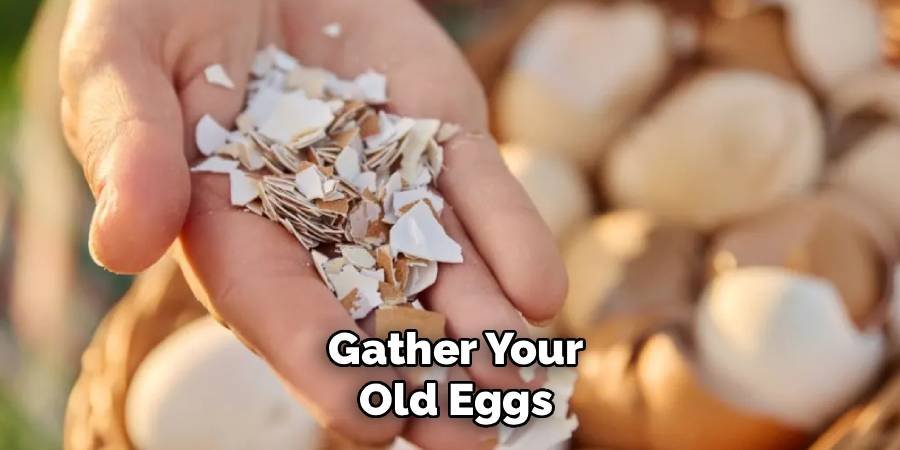
Step 1: Gather Your Old Eggs
The first step is to collect your expired eggs. These can be eggs that are past their “best by” date but haven’t gone completely rotten. It’s best to use eggs that are just a few weeks past their date. While truly rotten eggs can still be used, their strong sulfurous smell can be unpleasant to work with and may attract unwanted pests. For this reason, stick to eggs that are old but not yet putrid. You can use them raw, whole, or just the shells. This guide focuses on using the entire raw egg for maximum nutrient delivery.
Step 2: Choose the Right Location
Next, identify the ideal spots in your garden to bury the eggs. This method is particularly beneficial for heavy-feeding plants that require a lot of nutrients throughout the growing season. Tomatoes, peppers, squash, and zucchini are excellent candidates. You can also use this technique when preparing a new garden bed before planting or to enrich the soil around established perennial flowers or shrubs. Avoid placing them too close to the surface or near shallow-rooted plants like lettuce, as the decomposition process is best handled deeper in the soil.
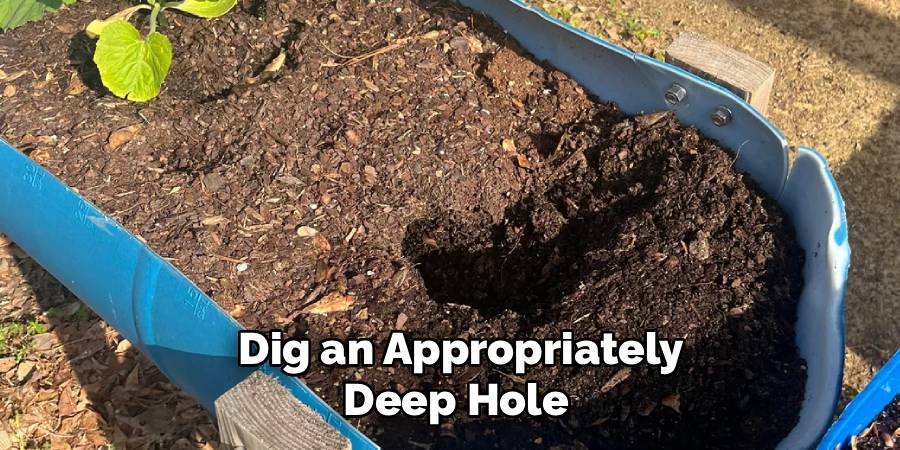
Step 3: Dig an Appropriately Deep Hole
Once you have selected a location, use a trowel or small shovel to dig a hole. The hole should be at least 8 to 12 inches deep. This depth is crucial for a few reasons. First, it ensures the egg is well-covered, which will prevent scavengers like raccoons, skunks, or neighborhood dogs from digging it up. Second, burying the egg deep in the soil contains any potential odors as it decomposes. A deep placement also allows the nutrients to be released directly into the root zone where your plants can access them most effectively.
Step 4: Place the Whole Egg in the Hole
Carefully place one whole, raw egg into the bottom of the hole you’ve dug. There is no need to crack it beforehand, though you can gently break the shell with your trowel once it’s in the hole to speed up the decomposition process slightly. Leaving it whole works just as well, as the pressure from the soil will eventually crack it. Placing the egg at the bottom of the planting hole ensures that as the plant’s roots grow downward, they will reach this pocket of rich nutrients just when they need it most.
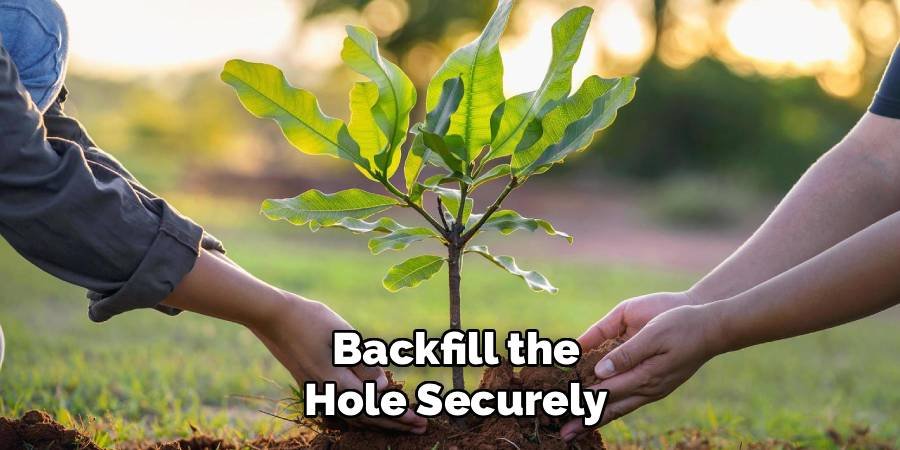
Step 5: Backfill the Hole Securely
After placing the egg in the hole, it’s time to backfill it with the soil you removed. Fill the hole completely, making sure the egg is thoroughly covered. Gently tamp down the soil with your hands or the back of your trowel to eliminate any large air pockets. This secure covering is your primary defense against pests and odors. Ensure there is a solid layer of at least 6-8 inches of soil on top of the egg. This step completes the process of turning a simple egg into a slow-release fertilizer capsule.
Step 6: Plant Directly Above the Egg
Now you are ready to plant. If you are transplanting a seedling, place it directly on top of the backfilled hole. Position your tomato, pepper, or other seedling in place and fill in the surrounding area with soil, firming it up around the base of the plant. If you are planting seeds, you can sow them in the soil directly above where you buried the egg. This method of learning how to use old eggs in the garden positions the nutrients exactly where the growing roots will find them.
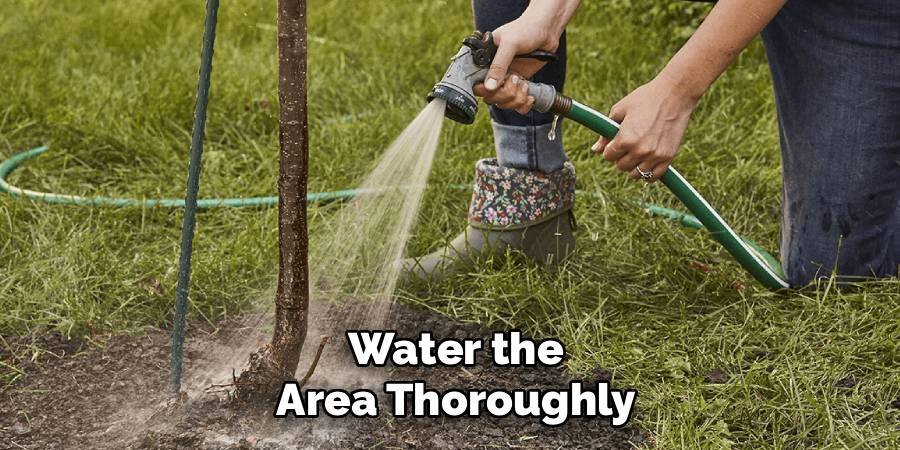
Step 7: Water the Area Thoroughly
The final step is to water the newly planted area well. Watering helps the soil settle around the buried egg and the new plant’s roots, creating good contact and eliminating any remaining air gaps. Consistent watering will also aid the decomposition process underground, helping the egg break down and release its valuable calcium and other minerals into the soil. Continue your regular watering schedule as needed for the specific plant you have chosen. Over the next few weeks and months, the egg will slowly nourish your plant from below.
Frequently Asked Questions
Can I Use Cooked Eggs in the Garden?
Yes, you can use cooked eggs, but they provide different benefits. Hard-boiled eggs that have gone bad can be chopped up (shell and all) and mixed into the soil. While they still provide nutrients, the decomposition process is different from that of raw eggs. Crushed eggshells from cooked or raw eggs are an excellent source of calcium, but they break down very slowly. For the quickest and most nutrient-dense benefit, using the entire raw egg is the most effective method.
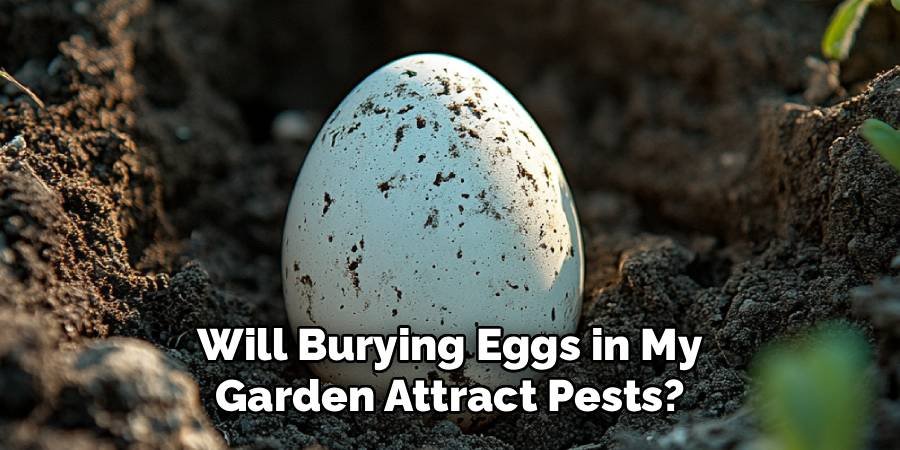
Will Burying Eggs in My Garden Attract Pests?
This is a common concern, but it can be easily managed. The key to avoiding pests like raccoons, rats, or dogs is to bury the egg deep enough. A depth of 8 to 12 inches is usually sufficient to contain any odors and keep the egg out of reach of curious animals. Backfilling the hole properly and tamping down the soil securely is also critical. If you follow these steps, the risk of attracting pests is minimal.
How Often Should I Add Eggs to My Garden Soil?
Because eggs act as a slow-release fertilizer, you do not need to add them frequently. One egg per planting hole at the beginning of the season is typically enough for annual vegetables like tomatoes and peppers. For established perennials or shrubs, you can bury an egg near the root zone once a year in the spring to give them a boost. Over-application is unnecessary and could disrupt the soil’s nutrient balance.
Are There Any Plants That Do Not Benefit From Eggs?
Most plants, especially heavy feeders, will benefit from the nutrients in eggs. However, some plants prefer more acidic soil, and the high calcium content from eggshells can raise the soil’s pH, making it more alkaline. Acid-loving plants like blueberries, azaleas, and rhododendrons may not be the best candidates for this treatment. It’s always a good idea to know the specific needs of your plants before amending the soil.
Can I Just Use Crushed Eggshells Instead?
Yes, using just crushed eggshells is a very popular gardening practice. Eggshells are almost pure calcium carbonate, which is great for preventing blossom-end rot and strengthening plant cell walls.
To make the calcium more available to plants, you should:
- Dry the shells completely.
- Grind them into a fine powder using a coffee grinder or blender.
- Mix the powder directly into your soil or compost pile.
While shells are great for calcium, using the whole egg provides a broader range of nutrients, including nitrogen and phosphorus.
Conclusion
Repurposing old eggs is a simple, effective, and free way to enrich your garden soil and support healthy, productive plants. By burying whole eggs deep in the soil, you provide a slow-release source of calcium, nitrogen, and other vital minerals right where your plants need them most. This sustainable practice reduces kitchen waste and eliminates the need for chemical fertilizers, making your garden more eco-friendly. Now that you know how to use old eggs in the garden, you can confidently turn what was once waste into a valuable resource for growing stronger, more resilient plants.

About Ravuk Barg
B.Sc. Horticulture Science | Certified Master Gardener
Ravuk Barg has spent more than a decade with his hands in the soil and his head full of questions about why some gardens thrive while others struggle. What started as a single raised bed of tomatoes and basil in a modest backyard has grown into a deep, working knowledge of everything from seed germination and soil amendment to companion planting and seasonal pruning.
Over the years, Ravuk has gardened through drought summers, waterlogged springs, and pest invasions that would make most gardeners hang up their trowels for good. Those hard seasons, he’ll tell you, taught him more than any perfect growing year ever could. He writes from that earned experience—covering vegetable growing, ornamental planting, houseplant care, composting, and garden design with equal confidence and curiosity.
Philosophy & Approach
Ravuk’s approach to gardening is rooted in practicality. He favors organic methods not out of dogma, but because they work long-term—resulting in healthier soil, fewer inputs, and stronger plants. He has a particular fondness for heirloom vegetable varieties (the kind with proper flavor), unruly cottage-style flower beds, and the stubborn houseplants that everyone else gave up on.
The Mission: Give readers the honest, experience-backed advice that helps them actually succeed in their gardens—not just the ideal version, but the real one; weeds, failures, and all.
Education & Credentials
-
B.Sc. in Horticulture Science
-
Greenfield Agricultural University
-
Focus: Plant Physiology, Soil Ecology, and Sustainable Crop Production
-
-
Master Gardener Certification
-
Cooperative Extension Service
-
Focus: 200+ hours of hands-on practical training and community garden work
-
Continuing Education
-
Organic Pest Management
-
Native Plant Landscaping
-
Sustainable Crop Production