

Applying soil amendments is a fantastic way to improve the health and appearance of your grass. One of the most effective organic materials you can use is peat moss. Derived from decomposed sphagnum moss found in peat bogs, this natural product offers numerous benefits for your yard.
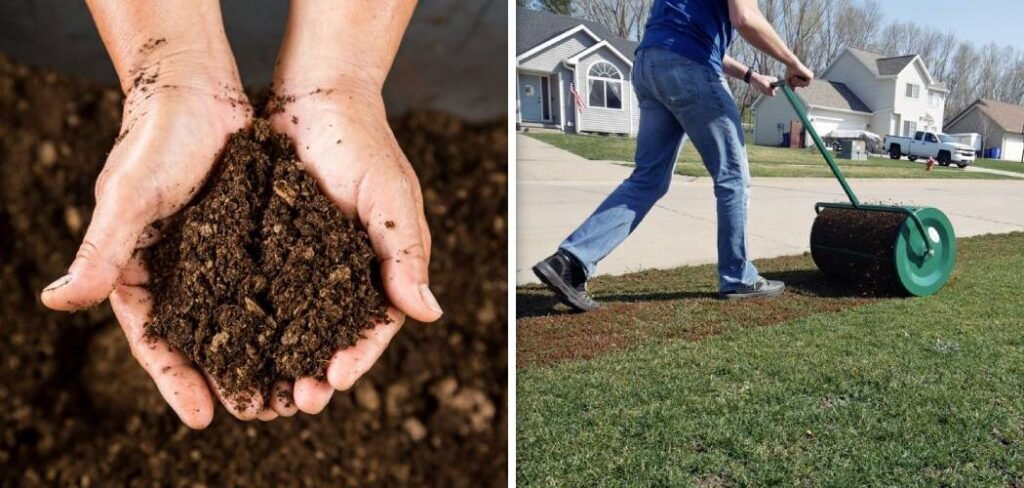
It helps sandy soil retain moisture and nutrients, while also improving drainage in heavy clay soils. Understanding the right method for how to spread peat moss on lawn is the key to unlocking these benefits, transforming your turf into a lush, green carpet. This guide will walk you through the entire process, ensuring you get the best possible results for your lawn care efforts.
Why You Need to Use Peat Moss
Peat moss is a valuable tool for any homeowner looking to achieve a healthier lawn. Its primary benefit is its incredible ability to retain water, holding up to 20 times its weight in moisture. This means your soil stays hydrated longer, reducing the need for frequent watering and protecting your grass during dry spells. Additionally, peat moss improves soil structure by adding organic matter. It loosens compacted clay soil to allow better root growth and air circulation, and it helps bind sandy soil together to prevent nutrient runoff. This makes it an excellent soil amendment for nearly any lawn type.
10 Step-by-Step Guide on How to Spread Peat Moss on Lawn
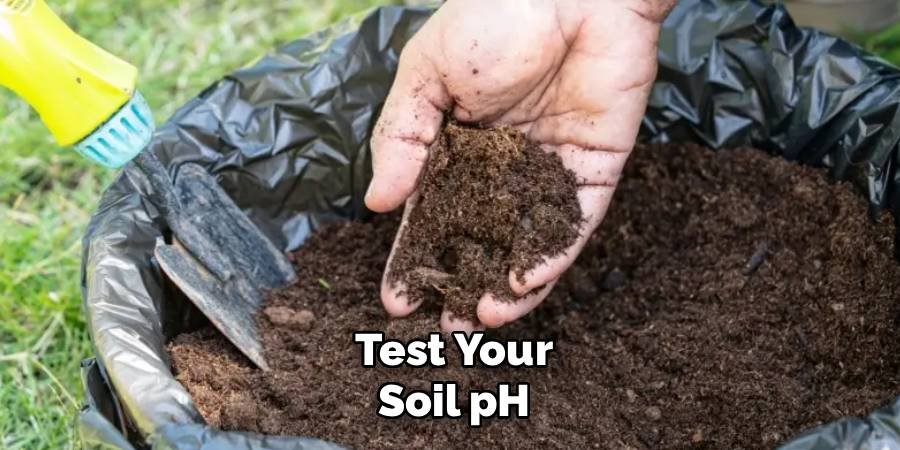
Step 1: Test Your Soil pH
Before you begin, it’s essential to test your soil’s pH level. Peat moss is naturally acidic, with a pH typically between 3.5 and 4.5. While this can be beneficial for acid-loving plants and for lowering the pH of alkaline soils, it can be problematic if your soil is already acidic. You can purchase a simple soil test kit from any garden center. Understanding your starting point ensures that adding this organic matter will help, not hinder, your lawn’s health. This initial step is a cornerstone of effective lawn care.
Step 2: Calculate the Amount of Peat Moss Needed
Next, determine how much peat moss your lawn requires. Measure the total square footage of the area you plan to treat. As a general rule, you’ll want to apply a layer that is about one to two inches thick. A standard 3.8 cubic foot compressed bale of peat moss will typically expand to cover roughly 70-80 square feet with a two-inch layer. Calculating the correct amount prevents waste and ensures you have enough material to complete the job properly without running out midway through.
Step 3: Prepare Your Lawn
Proper preparation is crucial for success. Start by mowing your lawn to a shorter height than usual, around two inches. This allows the peat moss to reach the soil surface more easily. After mowing, thoroughly rake the lawn to remove any dead grass, thatch, leaves, or other debris. Dethatching opens up the soil surface, creating a clear path for the soil amendment to integrate with the ground. This step ensures maximum contact between the peat moss and your soil for the best results.
Step 4: Aerate Your Lawn
If your soil is heavily compacted, aeration is a highly recommended step. Compaction prevents water, air, and nutrients from reaching the grass roots. Use a core aerator to pull small plugs of soil from the lawn. This process creates channels that allow the peat moss to penetrate deeper into the soil profile. Aeration significantly improves the effectiveness of the application, helping the organic matter to work its magic where it’s needed most—around the root zone of your grass.
Step 5: Break Up the Peat Moss
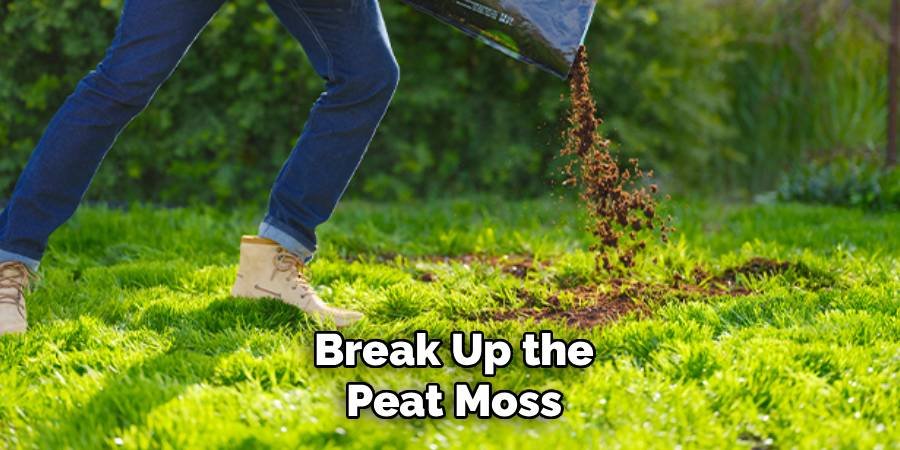
Compressed bales of peat moss are often dense and clumpy. Before you can spread it, you need to break it up into a loose, fluffy consistency. Open the bale and empty its contents onto a tarp or into a large wheelbarrow. Use a garden fork, shovel, or your hands to break apart any large clumps. The goal is to create a fine, uniform material that is easy to spread evenly across your lawn. This step is vital for avoiding an uneven application, which can lead to patchy results.
Step 6: Lightly Moisten the Peat Moss
Peat moss is very dry and dusty, which can make it difficult to handle and can cause it to blow away in the wind. To manage this, lightly moisten the peat moss before spreading it. Use a garden hose with a spray nozzle to gently mist the pile. Be careful not to saturate it; you just want to make it damp enough to reduce dust and make it slightly heavier. This simple action makes the application process much cleaner and more efficient, ensuring the material stays where you put it.
Step 7: Spread the Peat Moss
Now it’s time to apply the peat moss to your lawn. You can do this by hand for smaller areas, simply tossing handfuls to create a thin, even layer. For larger lawns, using a drop spreader or a broadcast spreader is much more efficient. A peat moss roller or spreader is specifically designed for this task and provides the most uniform coverage. Aim for a consistent layer across the entire surface. This even distribution is key to achieving a uniform improvement in your soil and grass health.
Step 8: Rake the Peat Moss In
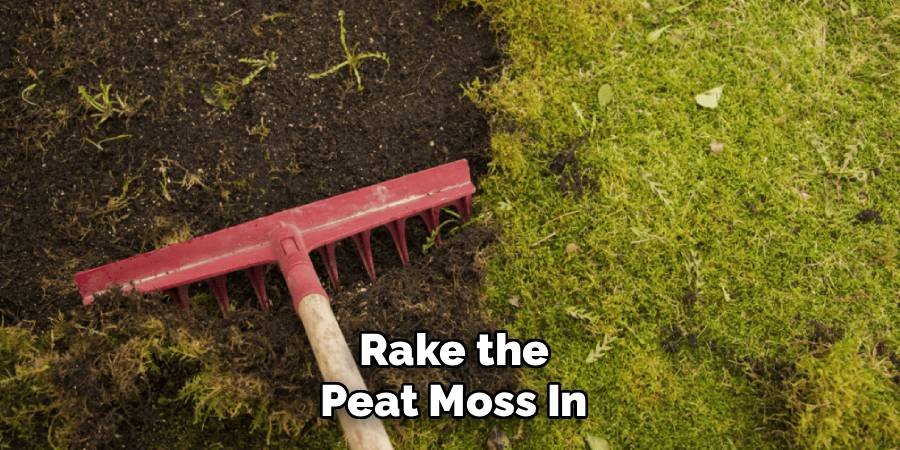
Once the peat moss is distributed, you need to work it into the turf. Use the back of a leaf rake to gently push the peat moss down into the grass so it makes contact with the soil. The goal is to have most of the peat moss settle at the base of the grass blades, right on the soil surface. You should still be able to see the tips of your grass blades poking through the layer of peat moss. This ensures the amendment integrates with the soil.
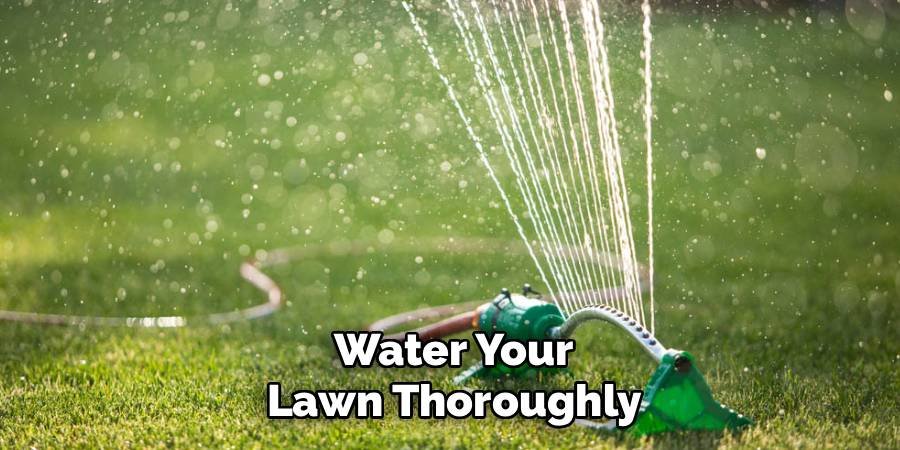
Step 9: Water Your Lawn Thoroughly
After raking, give your lawn a deep watering. This serves two important purposes. First, it helps the peat moss settle further into the soil and activates its moisture-retaining properties. Second, it provides your grass with the hydration it needs to thrive with the new soil amendment. Water until the soil is moist to a depth of several inches. This final watering kickstarts the process of soil improvement and helps the organic matter begin to benefit your lawn immediately.
Step 10: Overseed if Necessary
Applying peat moss creates an ideal environment for seed germination, making it the perfect time to overseed your lawn. If you have thin or bare patches, broadcast grass seed over the area after spreading the peat moss but before the final watering. The peat moss will act as a protective top dressing, keeping the seeds moist and secure as they sprout. This combination of amending the soil and adding new seed is a powerful strategy for cultivating a thick, resilient, and beautiful lawn.
Maintaining Your Lawn
After applying peat moss, your lawn care routine should continue as usual, but you might notice some positive changes. The improved water retention may mean you can water less frequently. Continue to mow regularly, but avoid cutting the grass too short. A slightly taller height encourages deeper root growth and helps shade the soil. Monitor your lawn’s progress, as the added organic matter will foster a healthier ecosystem that is more resilient to stress from pests and drought.
Common Mistakes
One of the most frequent mistakes is applying peat moss too thickly. A heavy layer can smother the grass and prevent sunlight from reaching the blades. Another common error is applying it to already acidic soil without testing the pH first, which can lower the pH to a level that harms the grass. Finally, failing to break up the compressed clumps before spreading leads to an uneven application, resulting in patchy and inconsistent benefits across your lawn. Avoiding these pitfalls is simple with proper preparation.
FAQ Frequently Asked Questions
How often should I apply peat moss to my lawn?
Generally, applying peat moss once a year is sufficient for lawn improvement. You can apply it in the spring or fall as a top dressing to amend the soil.
Can I mix peat moss with grass seed?
Yes, peat moss is an excellent top dressing for new grass seed. It helps keep the seeds moist and protected, which significantly improves germination rates.
Is peat moss the same as compost?
No, they are different. Peat moss is a single-ingredient soil amendment that improves water retention, while compost is decomposed organic matter rich in a wide range of nutrients.
Will peat moss kill existing grass?
No, if applied correctly in a thin, even layer, peat moss will not kill your grass. It will improve the soil environment and encourage healthier, more vigorous growth.
Is peat moss safe for pets?
Yes, peat moss is a natural, organic product and is considered safe for pets and children to be around after it has been spread on the lawn and watered in.
Conclusion
Learning how to spread peat moss on lawn is a straightforward process that can dramatically enhance the health and beauty of your turf. By following these steps—from testing your soil and preparing your lawn to applying the material correctly and watering it in—you create a better foundation for grass to thrive. This valuable soil amendment improves water retention, aerates compacted soil, and provides an excellent medium for new seed. The effort you put in now will pay off with a greener, more resilient lawn that is better equipped to handle the stresses of changing seasons. Your yard will thank you for the care and attention.

About Ravuk Barg
B.Sc. Horticulture Science | Certified Master Gardener
Ravuk Barg has spent more than a decade with his hands in the soil and his head full of questions about why some gardens thrive while others struggle. What started as a single raised bed of tomatoes and basil in a modest backyard has grown into a deep, working knowledge of everything from seed germination and soil amendment to companion planting and seasonal pruning.
Over the years, Ravuk has gardened through drought summers, waterlogged springs, and pest invasions that would make most gardeners hang up their trowels for good. Those hard seasons, he’ll tell you, taught him more than any perfect growing year ever could. He writes from that earned experience—covering vegetable growing, ornamental planting, houseplant care, composting, and garden design with equal confidence and curiosity.
Philosophy & Approach
Ravuk’s approach to gardening is rooted in practicality. He favors organic methods not out of dogma, but because they work long-term—resulting in healthier soil, fewer inputs, and stronger plants. He has a particular fondness for heirloom vegetable varieties (the kind with proper flavor), unruly cottage-style flower beds, and the stubborn houseplants that everyone else gave up on.
The Mission: Give readers the honest, experience-backed advice that helps them actually succeed in their gardens—not just the ideal version, but the real one; weeds, failures, and all.
Education & Credentials
-
B.Sc. in Horticulture Science
-
Greenfield Agricultural University
-
Focus: Plant Physiology, Soil Ecology, and Sustainable Crop Production
-
-
Master Gardener Certification
-
Cooperative Extension Service
-
Focus: 200+ hours of hands-on practical training and community garden work
-
Continuing Education
-
Organic Pest Management
-
Native Plant Landscaping
-
Sustainable Crop Production