

Growing vegetables in raised garden beds offers better drainage, improved soil control, and easier maintenance than traditional ground-level gardening. Yet many gardeners struggle with one crucial aspect: proper watering.
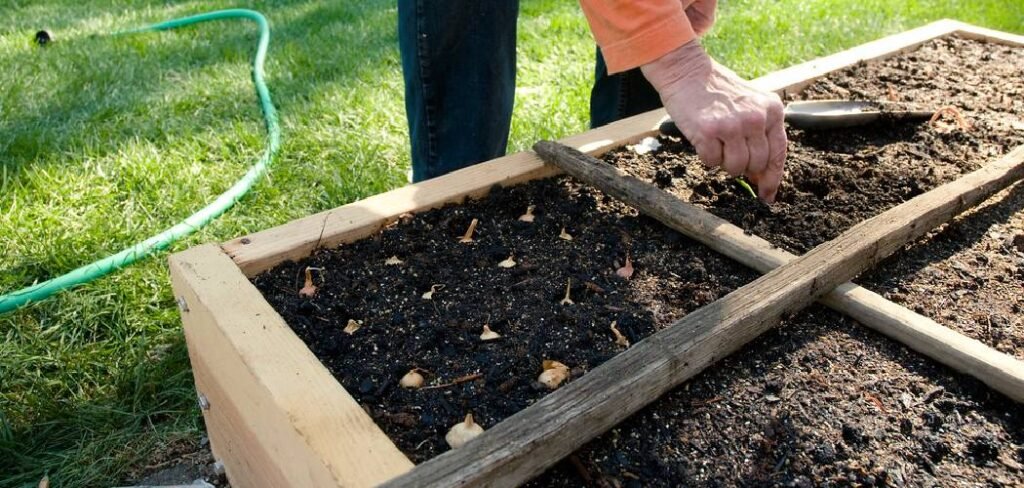
Learning how to irrigate raised beds effectively can mean the difference between a thriving harvest and wilted disappointment. These elevated growing spaces dry out faster than ground gardens, making efficient water delivery essential for plant health. The key lies in understanding your raised bed’s unique watering needs and choosing the right irrigation method. With proper techniques, you’ll conserve water while keeping your plants perfectly hydrated throughout the growing season.
Why You Need to Irrigate Raised Beds
Raised beds offer numerous advantages, such as improved soil quality, better drainage, and easier accessibility. However, their design also makes them prone to drying out more quickly compared to traditional in-ground gardens. This is because the soil in raised beds is exposed to airflow on all sides, which accelerates water evaporation. Without proper irrigation, plants in raised beds can become stressed from inconsistent moisture levels, leading to stunted growth and reduced yields. Regular and efficient watering is essential to maintain the optimal growing environment, ensuring your plants thrive and produce abundantly.
10 Step-by-Step Guide: How to Irrigate Raised Beds
Step 1: Assess Your Raised Bed’s Water Requirements
Before installing any irrigation system, evaluate your garden’s specific needs. Different plants require varying amounts of water, and raised beds lose moisture faster through drainage and evaporation.
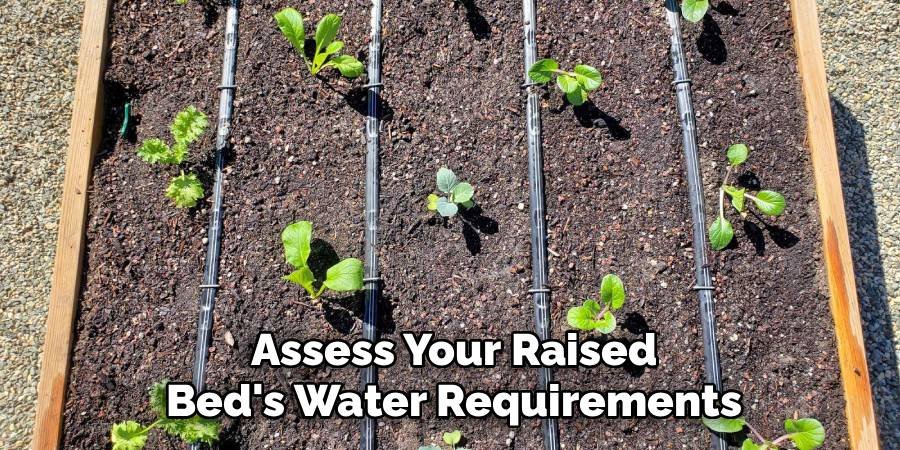
Check your soil composition first. Sandy soils drain quickly but need frequent watering, while clay-heavy mixes retain moisture longer. Most raised beds use well-draining soil blends that require consistent watering during hot weather. Consider your climate, sun exposure, and plant types when planning your watering schedule.
Step 2: Choose Your Irrigation Method
Select an irrigation system that matches your garden size, budget, and maintenance preferences. Drip irrigation works excellently for raised beds, delivering water directly to plant roots while minimizing waste.
Soaker hoses offer another effective option, slowly releasing water along their length. For smaller raised beds, simple hand watering with a watering can or hose attachment provides complete control. Sprinkler systems work too, though they’re less water-efficient and may encourage fungal diseases on plant leaves.
Step 3: Install Drip Irrigation Lines
Begin by laying your main water line along the raised bed’s perimeter. Connect drip emitters or micro-sprinklers at appropriate intervals based on your plants’ spacing and water needs.
Position emitters near each plant’s root zone, typically 6-12 inches apart for vegetables. Secure tubing with landscape staples to prevent movement. Install pressure-compensating emitters to ensure even water distribution throughout your system, especially important for longer raised beds or sloped installations.
Step 4: Set Up Automatic Timers
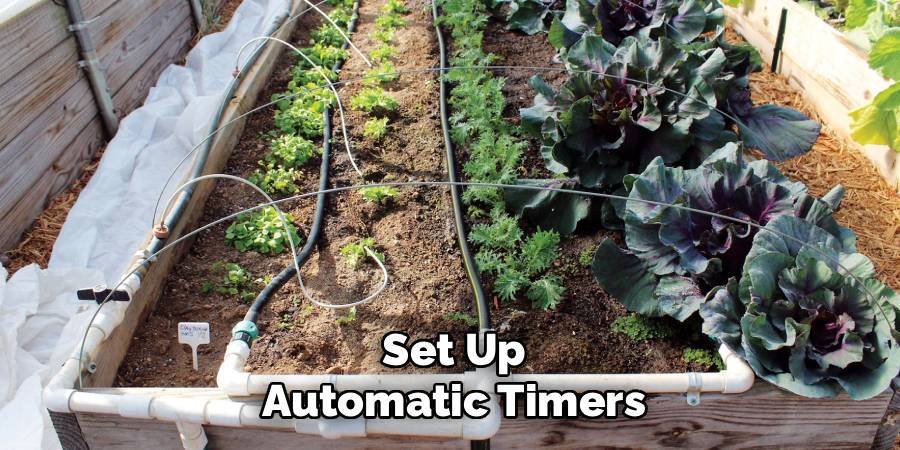
Connect your irrigation system to an automatic timer for consistent watering without daily attention. Program multiple short watering sessions rather than one long session for better soil penetration.
Most vegetables need 1-2 inches of water weekly, but raised beds often require daily watering during hot summer months. Set timers for early morning hours to reduce evaporation and give plants time to dry before evening, preventing fungal issues.
Step 5: Add Mulch for Water Retention
Apply 2-3 inches of organic mulch around your plants to reduce water evaporation and maintain soil moisture. Straw, wood chips, or shredded leaves work well for most vegetables.
Keep mulch several inches away from plant stems to prevent pest problems and allow air circulation. Quality mulch can reduce watering needs by up to 50%, making it an essential component of efficient raised bed irrigation. Replace mulch as it decomposes to maintain effectiveness.
Step 6: Monitor Soil Moisture Levels
Check soil moisture regularly using your finger or a soil moisture meter. Insert your finger 2-3 inches deep into the soil near plant roots to gauge moisture levels.
Water when the top inch feels dry but soil underneath remains slightly moist. Overwatering causes root rot and nutrient leaching, while underwatering stresses plants and reduces yields. Adjust your irrigation schedule based on weather conditions, plant growth stages, and seasonal changes.
Step 7: Maintain Your Irrigation System
Inspect your irrigation components weekly for clogs, leaks, or damaged parts. Clean drip emitters monthly to prevent mineral buildup that reduces water flow.
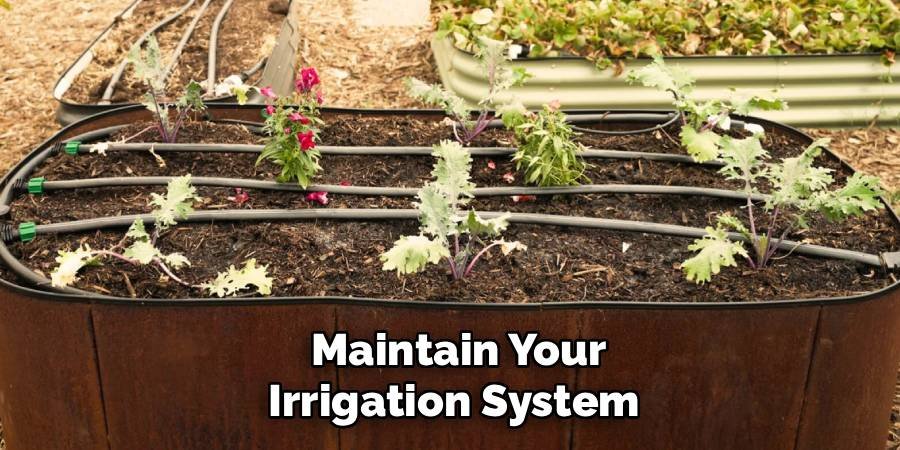
Replace worn tubing and fittings promptly to maintain system efficiency. Winterize your irrigation system in cold climates by draining water lines and storing removable components indoors. Regular maintenance ensures reliable water delivery throughout multiple growing seasons.
Step 8: Optimize Water Efficiency
Fine-tune your system based on plant performance and water usage patterns. Group plants with similar water needs together to maximize irrigation efficiency.
Install rain sensors or soil moisture sensors to prevent unnecessary watering during wet periods. Consider rainwater harvesting systems to supplement your irrigation water supply. Track your water usage and plant health to identify opportunities for further optimization and conservation.
Step 9: Regular Maintenance and System Upgrades
Regularly inspect your irrigation system to ensure it is functioning efficiently and effectively. Check for leaks, clogged emitters, or other components that may need repair or replacement. Clean filters and nozzles to maintain optimal water flow. Periodically assess your system for potential upgrades, such as adding smart controllers or improving distribution uniformity. Staying proactive with maintenance will extend the life of your irrigation system and enhance its performance over time.
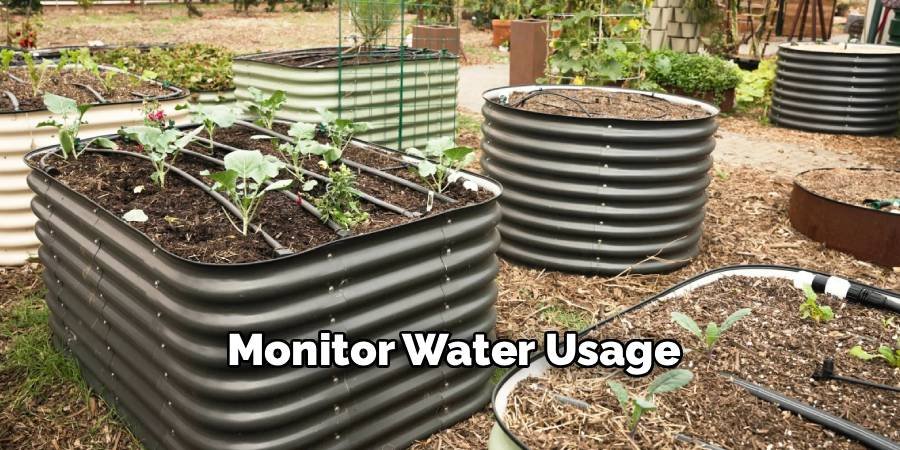
Step 10: Monitor Water Usage
Tracking your irrigation system’s water usage is a critical step in promoting sustainability and reducing waste. Use water meters or monitoring tools to measure the amount of water being used and identify any irregularities that could indicate inefficiencies. Comparing water usage data over time can help you detect trends and adjust your settings to better meet the needs of your landscape. Efficient water management not only conserves this valuable resource but also lowers utility costs and supports environmental health.
Maintaining Your Irrigated Raised Beds
Proper maintenance of your irrigated raised beds is essential to ensure long-term efficiency and healthy plant growth. Regularly inspect the irrigation system for leaks, clogs, or damage to hoses and emitters, and address issues promptly to prevent water waste. Check for even water distribution and make adjustments as needed to avoid under- or over-watering certain areas. Periodically clean filters and flush the system to remove debris that might affect performance. Additionally, monitor plant health closely, as changes in growth patterns or foliage can indicate irrigation or drainage problems. Staying proactive with maintenance will keep your irrigated raised beds thriving season after season.
Common Mistakes to Avoid
When implementing an irrigation system, there are several common mistakes that can compromise efficiency and plant health. One major error is overwatering, which can lead to root rot and waste vital resources. Similarly, underestimating your plants’ water needs may result in drought stress and reduced growth. Another frequent mistake is uneven water distribution caused by poorly designed systems or neglecting regular maintenance. Failing to account for seasonal adjustments can also lead to unnecessary water use or insufficient irrigation during critical growth periods. Avoid these pitfalls by carefully planning, monitoring, and maintaining your system to ensure optimal performance.
FAQ
How often should I water my raised garden beds?
Most raised beds need daily watering during hot summer weather, but frequency depends on climate, soil type, and plant maturity. Check soil moisture 2-3 inches deep and water when the top layer feels dry. Newly planted seeds and seedlings may need twice-daily watering.
What’s the best time of day to water raised beds?
Early morning (6-8 AM) provides optimal watering conditions. Plants absorb water efficiently before heat peaks, and foliage dries quickly to prevent fungal diseases. Avoid evening watering, which keeps plants damp overnight and encourages pest problems.
How much water do raised beds need compared to ground gardens?
Raised beds typically require 25-50% more water than ground-level gardens due to increased drainage and air exposure. Plan for 1-2 inches of water weekly, delivered through multiple shorter sessions for better soil penetration and root development.
Can I use a regular sprinkler system for raised beds?
Yes, but drip irrigation or soaker hoses work more efficiently. Sprinklers waste water through evaporation and may wet plant foliage unnecessarily. If using sprinklers, choose low-angle heads and water early morning to minimize fungal disease risks.
Should I install drainage in my raised bed irrigation system?
Proper drainage is essential, but most raised beds naturally drain well due to their elevated construction and soil composition. Focus on consistent water delivery rather than drainage improvements. Add drainage only if you notice persistent waterlogging issues.
Conclusion
Mastering how to irrigate raised beds transforms your gardening success from guesswork into predictable abundance. The elevated nature of these gardens demands more frequent attention than traditional plots, but the rewards justify the effort.
Your irrigation system becomes the lifeline that sustains healthy plant growth throughout the growing season. Whether you choose drip irrigation for precision, soaker hoses for simplicity, or hand watering for complete control, consistency remains the key factor.
Remember that effective raised bed watering combines the right system with proper timing, adequate mulching, and regular monitoring. Each element works together to create an environment where your vegetables can thrive despite the challenges of elevated growing conditions.
Start with the basics and refine your approach based on your plants’ responses. Your garden will reward your attention with healthier plants, better yields, and the satisfaction of growing your own fresh produce. With proper irrigation techniques, your raised beds become productive growing spaces that serve your family for years to come.

About Ravuk Barg
B.Sc. Horticulture Science | Certified Master Gardener
Ravuk Barg has spent more than a decade with his hands in the soil and his head full of questions about why some gardens thrive while others struggle. What started as a single raised bed of tomatoes and basil in a modest backyard has grown into a deep, working knowledge of everything from seed germination and soil amendment to companion planting and seasonal pruning.
Over the years, Ravuk has gardened through drought summers, waterlogged springs, and pest invasions that would make most gardeners hang up their trowels for good. Those hard seasons, he’ll tell you, taught him more than any perfect growing year ever could. He writes from that earned experience—covering vegetable growing, ornamental planting, houseplant care, composting, and garden design with equal confidence and curiosity.
Philosophy & Approach
Ravuk’s approach to gardening is rooted in practicality. He favors organic methods not out of dogma, but because they work long-term—resulting in healthier soil, fewer inputs, and stronger plants. He has a particular fondness for heirloom vegetable varieties (the kind with proper flavor), unruly cottage-style flower beds, and the stubborn houseplants that everyone else gave up on.
The Mission: Give readers the honest, experience-backed advice that helps them actually succeed in their gardens—not just the ideal version, but the real one; weeds, failures, and all.
Education & Credentials
-
B.Sc. in Horticulture Science
-
Greenfield Agricultural University
-
Focus: Plant Physiology, Soil Ecology, and Sustainable Crop Production
-
-
Master Gardener Certification
-
Cooperative Extension Service
-
Focus: 200+ hours of hands-on practical training and community garden work
-
Continuing Education
-
Organic Pest Management
-
Native Plant Landscaping
-
Sustainable Crop Production