

Plants need many nutrients to grow strong and healthy. Copper is one of these important nutrients that helps plants make chlorophyll and fight diseases. If your soil doesn’t have enough copper, your plants might look sick or grow poorly. The good news is that you can add copper to soil naturally without using harsh chemicals.
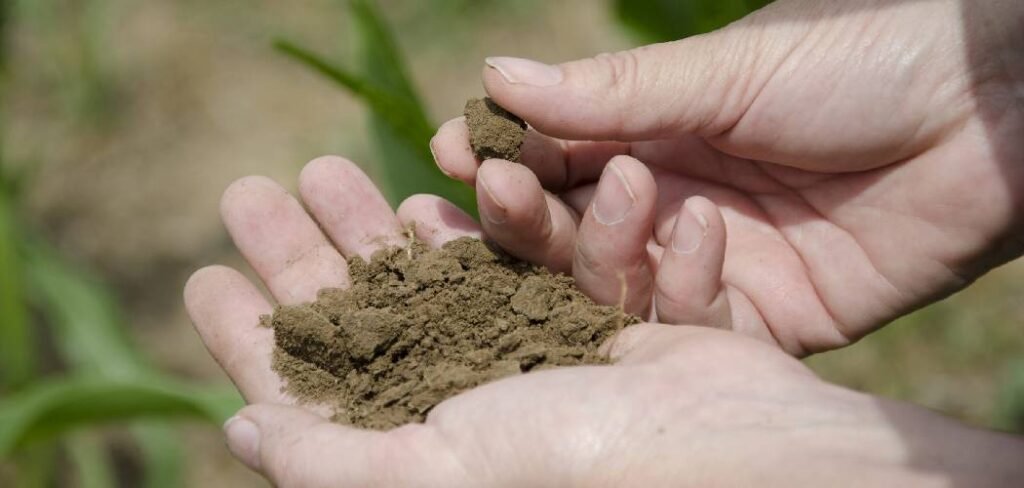
Many gardeners wonder how to add copper to soil naturally. This is important because copper helps plants use iron better and makes their roots stronger. When plants don’t get enough copper, their leaves might turn yellow or brown at the edges. Learning natural ways to increase copper in soil will help your garden thrive.
Natural Sources of Copper for Soil
There are many natural ways to add copper to your soil. These organic copper sources are safe for plants, people, and pets. Here are the best natural copper sources:
Organic Matter:
- Compost made from kitchen scraps
- Well-aged animal manure
- Leaf mold from decomposed leaves
- Worm castings from earthworms
Natural Minerals:
- Rock dust from copper-rich stones
- Kelp meal from seaweed
- Fish meal and fish emulsion
- Wood ash from hardwood trees
Plant-Based Sources:
- Coffee grounds from used coffee
- Tea leaves and tea compost
- Banana peels and fruit scraps
- Grass clippings and plant debris
10 Step by Step Guide on How to Add Copper to Soil Naturally
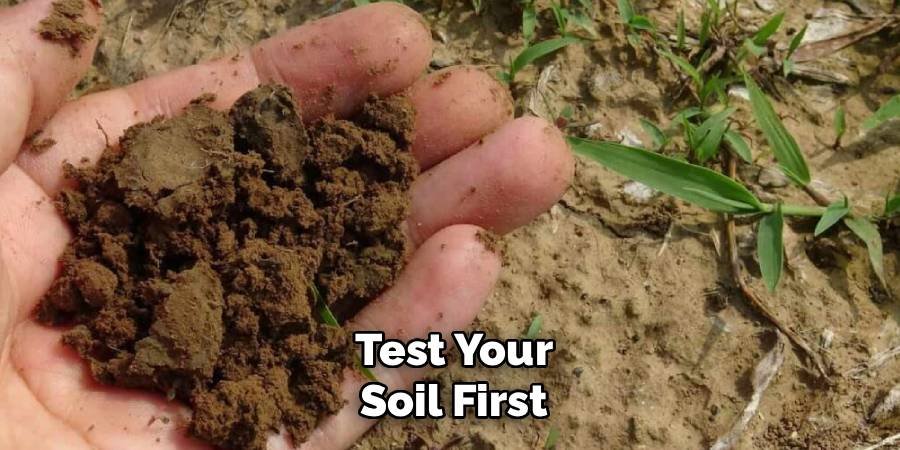
Step 1: Test Your Soil First
Before adding copper to soil naturally, test your soil to see how much copper it already has. You can buy a soil test kit from a garden store or send soil samples to a lab. This helps you know exactly how much copper your soil needs. Testing prevents you from adding too much copper, which can hurt plants.
Most plants need copper levels between 0.2 to 2.0 parts per million in soil. If your test shows lower numbers, your plants will benefit from more copper. Keep records of your test results so you can track changes over time.
Step 2: Make Copper-Rich Compost
Composting is one of the best ways to add copper to soil naturally. Start by collecting copper-rich materials like fruit peels, coffee grounds, and vegetable scraps. Add these to your compost pile along with brown materials like leaves and paper. Turn your compost pile every few weeks to help it decompose faster. Good compost takes about 3-6 months to be ready. When it’s dark and crumbly like soil, it’s ready to use. This compost will slowly release copper into your soil.
Step 3: Use Kelp Meal as Fertilizer
Kelp meal comes from dried seaweed and contains natural copper along with many other nutrients. Sprinkle kelp meal around your plants or mix it into the soil before planting. Use about 1-2 pounds per 1,000 square feet of garden space. Kelp meal works slowly, feeding your plants for several months. It also improves soil structure and helps soil hold water better. This makes it an excellent choice for organic copper fertilizer.
Step 4: Apply Coffee Grounds Regularly
Used coffee grounds are a great way to add copper to soil naturally. Coffee shops often give away used grounds for free. Spread a thin layer of coffee grounds around your plants, but don’t use too much at once.
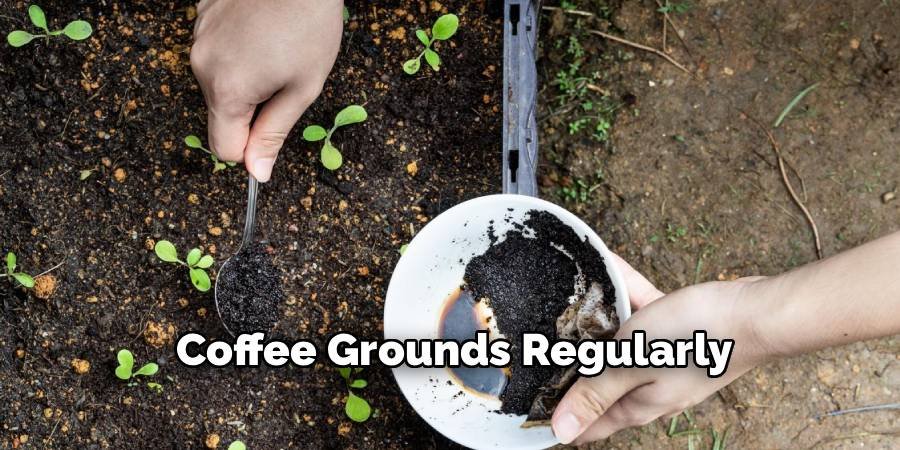
Mix coffee grounds with other compost materials or let them age for a few weeks before using. Fresh coffee grounds can be too acidic for some plants. Aged coffee grounds are perfect for most garden plants.
Step 5: Add Fish-Based Fertilizers
Fish meal and fish emulsion are excellent sources of natural copper. These fertilizers also provide nitrogen and phosphorus that plants need. Mix fish meal into soil before planting or use fish emulsion as a liquid fertilizer. Follow the directions on the package for how much to use. Fish fertilizers smell strong but work very well for adding copper and other nutrients to soil. The smell goes away after a few days.
Step 6: Use Wood Ash Carefully
Wood ash from hardwood trees contains copper and other minerals. Only use ash from clean wood – never use ash from painted or treated wood. Sprinkle a light layer of ash on soil and work it in gently. Don’t use too much wood ash because it can make soil too alkaline. Use only about 5-10 pounds per 1,000 square feet per year. Test your soil pH regularly when using wood ash.
Step 7: Create Banana Peel Fertilizer
Banana peels contain copper and potassium that plants love. Cut banana peels into small pieces and bury them near your plants. They will decompose and release nutrients slowly into the soil.
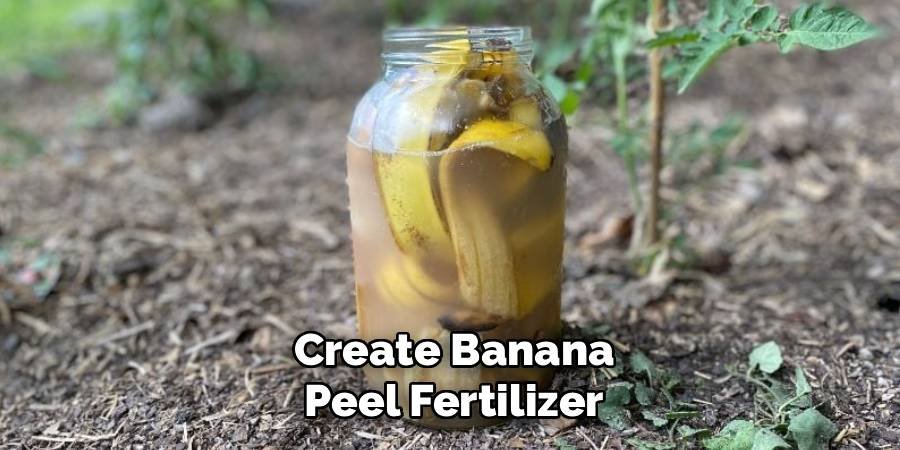
You can also make banana peel tea by soaking peels in water for a few days. Use this water to fertilize your plants. This method works especially well for tomatoes and peppers.
Step 8: Apply Worm Castings
Worm castings are one of the best natural fertilizers for adding copper to soil. These are the waste products from earthworms that have eaten organic matter. Worm castings are gentle and won’t burn plants.
Spread worm castings around plants or mix them into potting soil. You can buy worm castings or make them yourself with a worm bin. They release nutrients slowly and improve soil structure.
Step 9: Use Green Tea Compost
Used tea leaves and tea bags (remove the bag material) can add copper to soil naturally. Tea leaves decompose quickly and add organic matter to soil. Bury used tea leaves around plants or add them to your compost pile.
Green tea leaves work better than black tea for copper content. Make sure to remove any staples or synthetic materials from tea bags before composting them.
Step 10: Monitor and Maintain
After adding copper to soil naturally, watch your plants for improvements. Healthy leaves should be greener and plants should grow better. Keep adding organic matter regularly to maintain good copper levels.
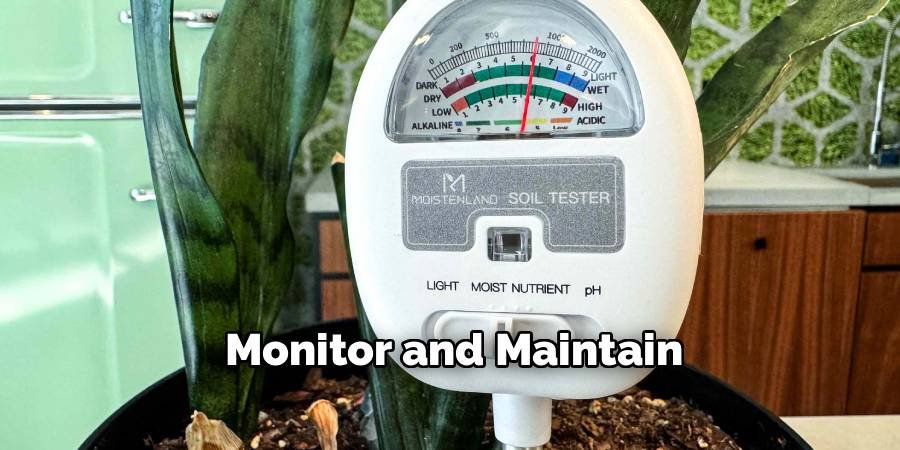
Test your soil again after 6-12 months to see how much the copper levels have improved. Adjust your methods based on these results. Remember that natural methods work slowly but create lasting improvements.
Best Organic Copper Supplements for Gardens
When choosing organic copper amendments for your garden, look for these trusted options:
Certified Organic Products:
- OMRI-listed kelp meal
- Organic compost from reputable sources
- Certified organic fish meal
- Organic rock dust supplements
Homemade Options:
- Kitchen scrap compost
- Coffee ground compost
- Leaf mold compost
- Banana peel fertilizer
Always choose organic products to keep your garden chemical-free. Read labels carefully to make sure products are truly organic and safe for food gardens.
How to Prevent Copper Deficiency in Plants
Preventing copper deficiency is easier than fixing it later. Here are ways to keep your soil healthy:
- Add compost to your garden every season
- Use mulch to protect soil and add nutrients
- Rotate crops to prevent nutrient depletion
- Avoid over-watering, which can wash away nutrients
- Test soil regularly to catch problems early
Good soil management prevents most nutrient problems. Healthy soil with lots of organic matter usually has enough copper for plants.
Common Mistakes to Avoid
When learning how to add copper to soil naturally, avoid these common mistakes:
Using Too Much: More copper is not always better. Too much copper can poison plants and make soil unhealthy.
Ignoring Soil pH: Copper works best when soil pH is between 6.0-7.0. Very acidic or alkaline soil makes copper harder for plants to use.
Expecting Quick Results: Natural methods work slowly. Be patient and keep adding organic matter regularly.
Not Testing Soil: Always test soil before and after adding copper to make sure you’re helping, not hurting, your plants.
Frequently Asked Questions (FAQs)
1. How long does it take to add copper to soil naturally?
Natural methods to add copper to soil usually take 3-6 months to show results. This is because organic materials need time to decompose and release nutrients. Compost and organic matter work slowly but create lasting improvements to your soil. You might see some changes in plant health after 4-6 weeks, but full results take longer. Be patient and keep adding organic matter regularly for the best results.
2. Can I use copper pennies to add copper to soil?
No, you should not use copper pennies to add copper to soil. Modern pennies contain very little copper and have other metals that can harm plants. Also, pennies don’t break down in soil and can create toxic conditions. Instead, use natural copper sources like compost, coffee grounds, and kelp meal. These are safer and work better for plant health.
3. What plants need the most copper in soil?
Fruit trees, especially citrus trees, need more copper than other plants. Tomatoes, peppers, and other vegetables also benefit from adequate copper levels. Lawns and grass need copper for healthy growth too. Root vegetables like carrots and potatoes use copper to develop strong root systems. Most flowering plants need some copper, but leafy greens usually need less than fruiting plants.
4. Is it safe to add copper to vegetable garden soil?
Yes, it’s safe to add copper to vegetable garden soil naturally using organic methods. Natural copper sources like compost and kelp meal are safe for food gardens. However, never use chemical copper fungicides or synthetic copper supplements in vegetable gardens. Always test your soil first and use only organic copper sources. Wash vegetables well before eating, as you should with all home-grown produce.
5. How do I know if I’ve added too much copper to soil?
Signs of too much copper in soil include yellowing leaves that start from the bottom of plants, stunted root growth, and poor plant health overall. Plants might also have trouble absorbing iron when copper levels are too high. If you think you’ve added too much copper, stop adding copper sources and add lots of organic matter like compost to help balance the soil. Test your soil to confirm copper levels and get professional advice if needed.
Conclusion
Learning how to add copper to soil naturally is important for growing healthy plants and maintaining a productive garden. Natural methods like composting, using coffee grounds, kelp meal, and other organic materials provide safe and effective ways to improve copper levels in your soil. These methods work slowly but create lasting improvements that benefit your plants for years to come.
Remember that soil health is about balance. Test your soil regularly to understand what nutrients your plants need. Use organic copper sources consistently, and be patient as natural methods take time to work. Avoid using too much copper, as this can harm your plants and soil. With proper care and natural amendments, your soil will provide the right amount of copper for healthy plant growth.
The best approach to adding copper naturally combines several methods: regular composting, using organic fertilizers like kelp meal and fish emulsion, and maintaining good soil structure with plenty of organic matter. By following these natural methods and monitoring your soil health, you’ll create the perfect environment for your plants to thrive while keeping your garden safe and chemical-free.

About Ravuk Barg
B.Sc. Horticulture Science | Certified Master Gardener
Ravuk Barg has spent more than a decade with his hands in the soil and his head full of questions about why some gardens thrive while others struggle. What started as a single raised bed of tomatoes and basil in a modest backyard has grown into a deep, working knowledge of everything from seed germination and soil amendment to companion planting and seasonal pruning.
Over the years, Ravuk has gardened through drought summers, waterlogged springs, and pest invasions that would make most gardeners hang up their trowels for good. Those hard seasons, he’ll tell you, taught him more than any perfect growing year ever could. He writes from that earned experience—covering vegetable growing, ornamental planting, houseplant care, composting, and garden design with equal confidence and curiosity.
Philosophy & Approach
Ravuk’s approach to gardening is rooted in practicality. He favors organic methods not out of dogma, but because they work long-term—resulting in healthier soil, fewer inputs, and stronger plants. He has a particular fondness for heirloom vegetable varieties (the kind with proper flavor), unruly cottage-style flower beds, and the stubborn houseplants that everyone else gave up on.
The Mission: Give readers the honest, experience-backed advice that helps them actually succeed in their gardens—not just the ideal version, but the real one; weeds, failures, and all.
Education & Credentials
-
B.Sc. in Horticulture Science
-
Greenfield Agricultural University
-
Focus: Plant Physiology, Soil Ecology, and Sustainable Crop Production
-
-
Master Gardener Certification
-
Cooperative Extension Service
-
Focus: 200+ hours of hands-on practical training and community garden work
-
Continuing Education
-
Organic Pest Management
-
Native Plant Landscaping
-
Sustainable Crop Production